 Popular
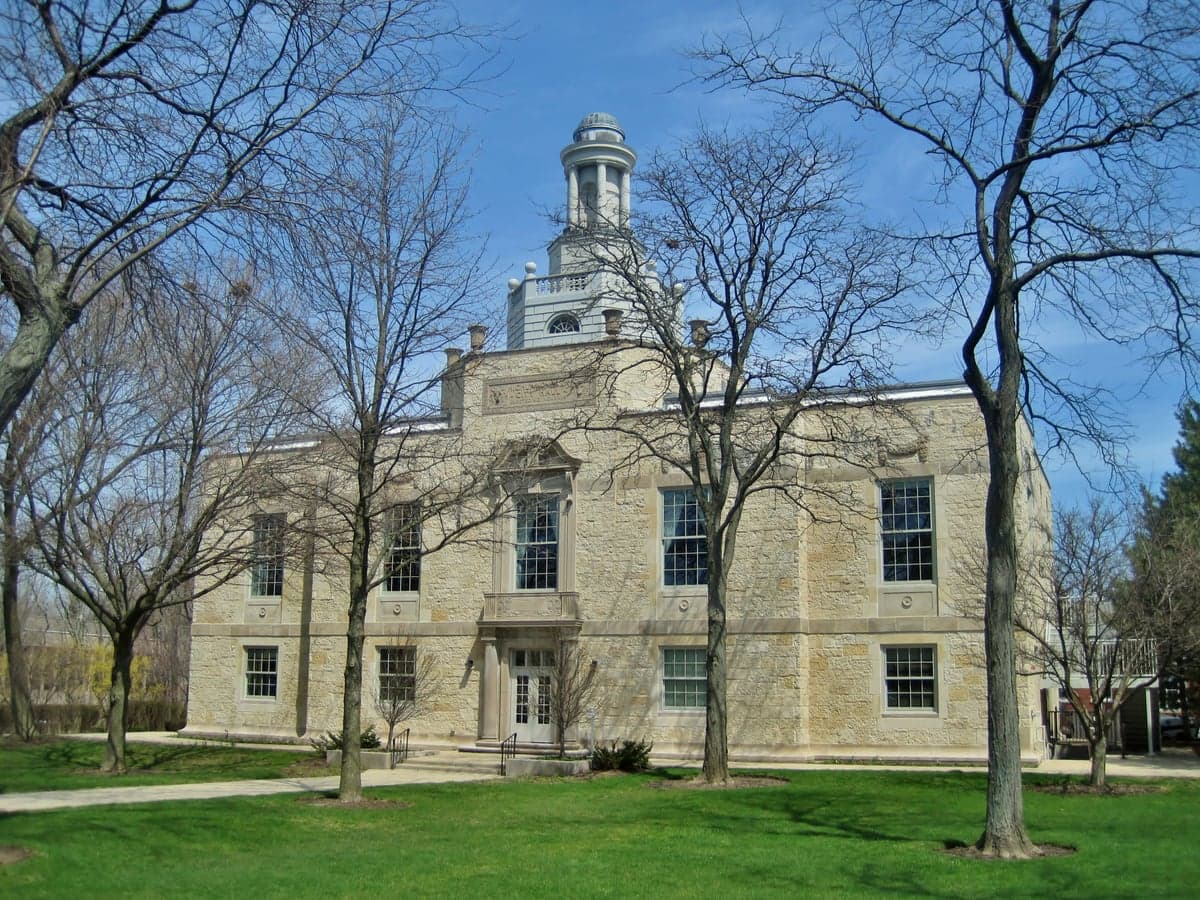
Photo: Wikipedia
Personal Sovereignty in Highland Park, IL
Viable for self-reliance. Generally workable, though some barriers may limit total independence.
What does Personal Sovereignty tell us?
Personal Sovereignty measures your capacity for self-reliance and independence with minimal government friction. Higher scores mean fewer barriers between you and the way you want to live... but it assumes you have the space you need and good neighbors.
What does this tell us?
Personal Sovereignty measures your capacity for self-reliance and independence with minimal government friction. Higher scores mean fewer barriers between you and the way you want to live... but it assumes you have the space you need and good neighbors.
State Policy
Energy independence: Importer (45% of energy produced in-state)
Personal Liberty
Homesteading

Personal Liberty Analysis
Highland Park, Illinois, presents a complex environment for personal sovereignty, where a high degree of local regulatory control and a progressive political culture significantly shape individual autonomy. For the freedom-minded resident, the city’s governance structure imposes notable constraints on property use, self-defense choices, and tax burden, while state-level laws further limit certain personal liberties. This analysis examines the specific trade-offs for those prioritizing self-reliance and independence in this affluent North Shore community, offering a clear-eyed view of where autonomy is preserved and where it is curtailed.
Tax burden and regulatory posture: what residents pay and how rules shape daily life
Highland Park’s tax burden is among the highest in Illinois, a state already known for its heavy fiscal demands. Property taxes are the primary driver, with effective rates often exceeding 2% of a home’s assessed value annually. For a median-priced home in the $500,000–$700,000 range, this translates to annual tax bills of $10,000–$15,000 or more, funding the city’s highly rated public schools and extensive municipal services. The state’s flat income tax rate of 4.95% adds another layer, and while there is no local income tax, the cumulative effect places Highland Park in the top tier of tax-burdened suburbs nationally. The regulatory posture is similarly hands-on. The city enforces strict zoning codes, historic preservation guidelines in certain districts, and a robust tree preservation ordinance that limits property owners’ ability to remove vegetation without permits. Building permits for even minor renovations require detailed review, and the city’s environmental regulations, such as those governing stormwater management and shoreline development along Lake Michigan, add compliance costs. For a resident seeking minimal government interference in property use, this environment feels distinctly heavy-touch, with every significant decision requiring municipal approval.
Self-defense and gun law specifics: what the Second Amendment landscape looks like
For those prioritizing the right to self-defense, Highland Park operates under some of the strictest firearm regulations in the nation, layered on top of Illinois’ already restrictive state laws. The city gained national attention after the 2022 Highland Park parade shooting, which led to a state-level ban on assault weapons and high-capacity magazines, signed into law in 2023. Locally, Highland Park has long maintained its own ordinances, including a ban on assault weapons predating the state law, a requirement for firearm owners to report lost or stolen guns within 48 hours, and a prohibition on carrying firearms in public parks and other municipal spaces. Illinois is a “shall-issue” state for concealed carry permits, but the process is costly and time-consuming: applicants must complete 16 hours of training, pass a live-fire qualification, and pay fees exceeding $150. The state also maintains a 72-hour waiting period for all firearm purchases and requires a Firearm Owner’s Identification (FOID) card, which involves a background check and can take months to process. Open carry is illegal. For a resident who views self-defense as a fundamental personal responsibility, the combined local and state framework creates significant barriers to exercising that right, with few legal avenues for carrying a firearm in daily life.
Self-reliance and homesteading viability: lot sizes, zoning, and off-grid feasibility
Highland Park’s residential character is predominantly suburban, with lot sizes averaging between 0.25 and 0.5 acres in most neighborhoods, though some larger estates along the lakefront offer acreage. Zoning regulations are restrictive for anyone seeking a self-reliant, homesteading lifestyle. The city’s code prohibits keeping livestock—including chickens, goats, and bees—in most residential zones, with limited exceptions for small-scale beekeeping under a permit. Vegetable gardens are permitted, but front-yard gardening is often restricted by homeowners’ association covenants or city aesthetic guidelines. Off-grid living is effectively impossible: the city requires connection to municipal water and sewer systems, and solar panel installations must comply with strict aesthetic review, often limiting their visibility from the street. Rainwater harvesting is allowed but regulated, with caps on storage capacity. For a resident seeking to reduce dependence on municipal utilities or grow a significant portion of their own food, Highland Park’s regulatory environment is a substantial obstacle. The city’s emphasis on manicured, uniform landscaping and its ban on “nuisance” activities like composting with odors or pests further constrain self-reliance efforts. Those serious about homesteading would find more freedom in rural Lake County towns like Wauconda or Fox Lake, where lot sizes are larger and zoning is more permissive.
Personal liberties: parental rights, medical autonomy, speech, and property
On personal liberties, Highland Park reflects the broader progressive values of its population. Parental rights in education are a contested area: the school district, North Shore School District 112 and Township High School District 113, have implemented policies on LGBTQ+ inclusivity and curriculum transparency that some parents view as limiting their involvement. Illinois state law mandates that schools allow students to use names and pronouns matching their gender identity without parental consent, a point of friction for families who prioritize parental authority. Medical autonomy is similarly constrained by state law: Illinois has no parental consent requirement for minors to access reproductive healthcare, including contraception and abortion, and the state has codified abortion rights into law. Vaccine mandates for school attendance remain in place, with limited religious exemptions. Free speech is protected under the First Amendment, but the city’s noise ordinances and permit requirements for public gatherings can create friction for political demonstrations or large-scale expressive activities. Property rights are the most heavily regulated area: the city’s historic preservation commission can deny demolition or exterior alterations on designated properties, and the tree ordinance requires permits for removing trees over a certain diameter, even on private land. For a resident who values maximum personal discretion in medical decisions, child-rearing, and property use, Highland Park’s environment is notably restrictive compared to less regulated areas in the Midwest.
Overall, Highland Park offers a low level of personal sovereignty relative to other Illinois suburbs and most areas of the United States. The combination of high taxes, strict gun control, restrictive zoning, and limited parental and medical autonomy creates a governance model that prioritizes collective standards over individual discretion. For a freedom-minded resident, the trade-off is clear: the city provides excellent public services, low crime rates, and a highly educated community, but at the cost of significant regulatory oversight in nearly every aspect of daily life. Those who value personal independence above all else would find a more permissive environment in rural Lake County or in states like Indiana or Wisconsin, where tax burdens are lower, gun laws are more permissive, and zoning allows for greater self-reliance. Highland Park is best suited for residents who are comfortable with a communitarian approach to governance and who prioritize institutional stability over maximum personal autonomy.

* Values derived from national, state, county, city and local statistics and may differ in a specific area. Last updated: 2026-08-24T21:17:27.000Z
Narrative content on this page is AI-generated and may contain mistakes. Verify any details that matter before acting on them.
ReloMaps may earn a commission from affiliate links at no extra cost to you.

