 Popular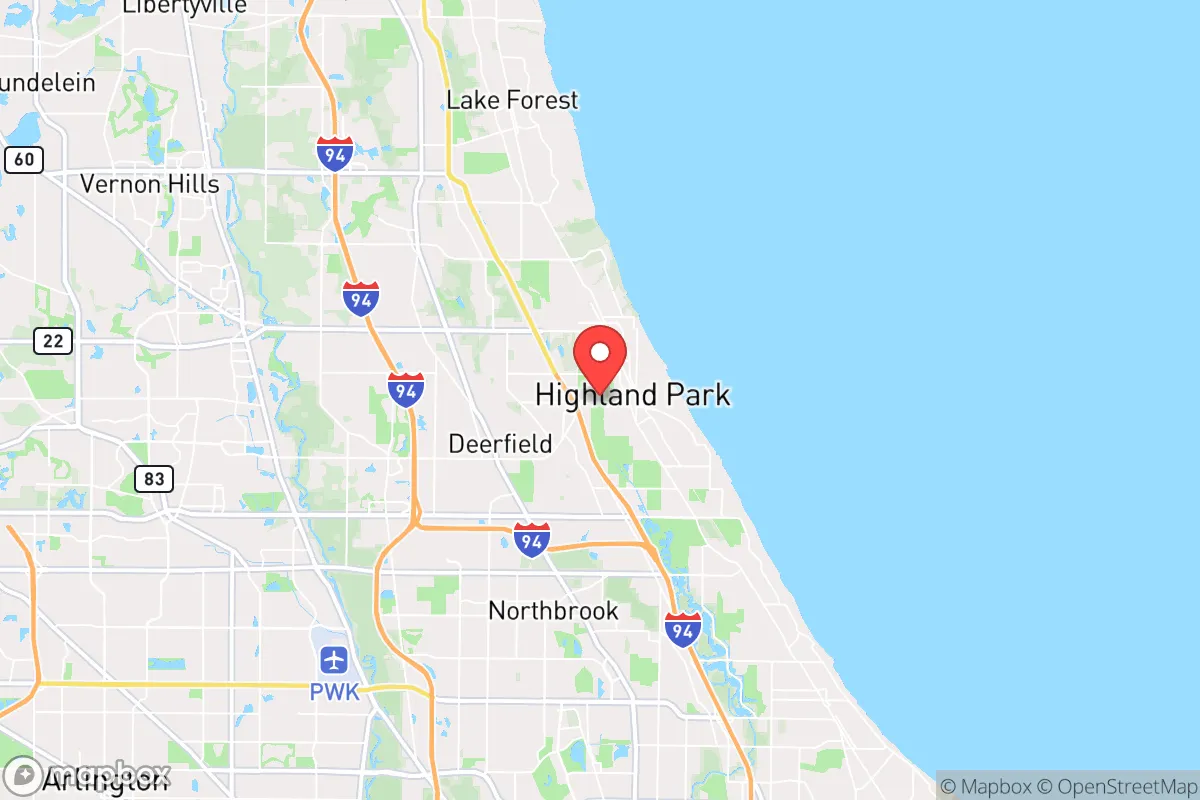
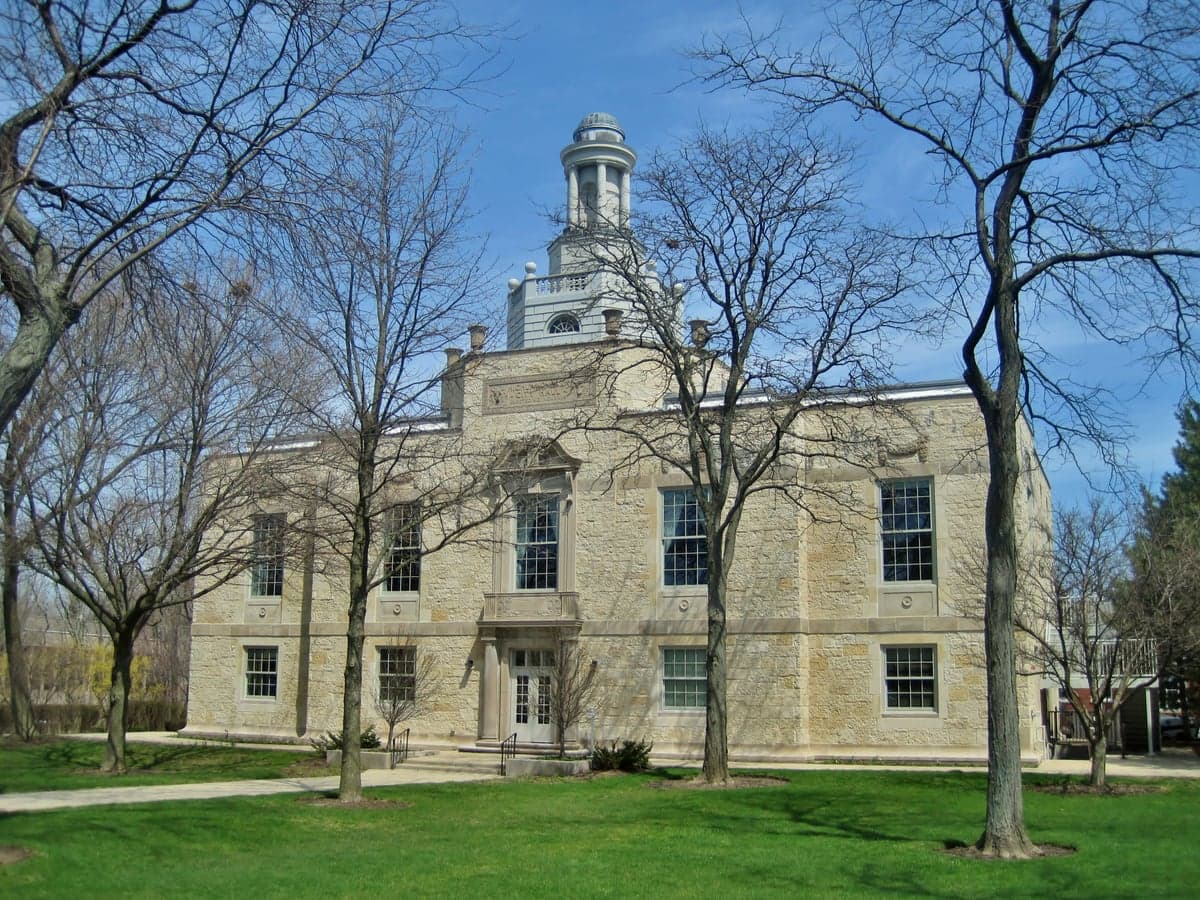
Photo: Wikipedia
Political ClimatePolitical Climate in Highland Park, IL
District shown is the primary district for this city’s centroid. Cities may span multiple districts.
Local Political AnalysisPolitical Analysis of Highland Park, IL
Highland Park is one of the most reliably liberal communities in Illinois, and it’s been that way for a long time. The Cook Partisan Voting Index (PVI) for the area sits at D+12, meaning it votes about 12 points more Democratic than the national average. That’s a full five points bluer than Cook County as a whole, which is already D+7, and it puts Highland Park in a different political universe than much of the rest of the state. The trajectory here is steady: if anything, the town has gotten a bit more Democratic over the last decade, driven by an influx of professionals from Chicago and a strong local culture around environmentalism and social justice. You won’t find much swing-voter energy here; this is a place where Democrats win primaries, not just general elections.
How it compares
The contrast with the rest of Illinois is stark. While the state as a whole leans Democratic (D+7), that number is pulled down by huge swaths of central and southern Illinois that vote reliably Republican. Highland Park, by contrast, sits in the deep-blue North Shore corridor, a string of lakefront suburbs that includes Evanston, Winnetka, and Lake Forest. Drive 15 minutes west to a town like Mundelein or Libertyville, and you’ll find a more mixed political picture—those areas are still blue-leaning but with a noticeable Republican minority, especially in local races. Head another 30 minutes west to McHenry County, and you’re in solidly red territory. Highland Park’s D+12 rating means it votes more like a liberal urban ward than a typical suburb. In the 2024 presidential race, for example, the precincts here gave Democrats well over 70% of the vote, while many downstate counties flipped the script with 70%+ for Republicans.
What this means for residents
For liberal residents, the political climate is comfortable and affirming. Local government, school boards, and civic organizations all lean left, so you’ll find strong support for things like renewable energy initiatives, diversity programs, and public transit investment. Conservative residents, however, are a distinct minority. They’re not invisible—there are a few Republican-leaning households, especially in the older, wealthier parts of town—but they rarely win local elections. The practical effect is that conservative viewpoints on taxes, policing, or school curriculum often get little traction in public forums. That said, the town is generally polite about it; you won’t see the kind of open hostility you might in a deeply divided swing suburb. Most people just quietly disagree and move on. The biggest cultural distinction is the strong emphasis on local environmental policy—Highland Park was an early adopter of plastic bag bans and renewable energy goals, and it’s common to see solar panels on older homes. That’s a point of pride for many, but it can feel like a one-party system to those who don’t share those priorities.
Looking ahead, I don’t see the political character of Highland Park changing much. The demographics are stable—wealthy, highly educated, and overwhelmingly white but with growing Asian and Jewish populations that lean left. The biggest shift might be generational: younger families moving in from Chicago are even more progressive than the current median voter, so if anything, the D+12 number could creep toward D+15 over the next decade. For anyone moving here, the takeaway is simple: if you’re looking for a politically diverse community where you’ll regularly debate both sides, this isn’t it. But if you want a place where the local government aligns with progressive values and you won’t have to fight about the basics, Highland Park delivers that consistently.

State Political ClimatePolitical Climate in Illinois
State Political AnalysisPolitical Environment in the State
Illinois is a solidly Democratic state with a Cook PVI of D+7, but that top-line number masks a deeply fractured political landscape. The state’s blue lean is almost entirely driven by Cook County and the Chicago metro area, while the rest of Illinois—from the Mississippi River towns to the southern tip—votes reliably Republican. Over the last 10-20 years, the gap has widened: Chicago’s population has held relatively steady while its Democratic margins have grown, and rural counties have shifted even further right, making the state a textbook example of the urban-rural partisan chasm.
Urban vs. rural divide
The political map of Illinois is a story of two states. Chicago and its inner suburbs—places like Evanston, Oak Park, and Naperville—are the engine of Democratic dominance. Cook County alone delivers roughly 40% of the state’s vote, and it votes about 75% Democratic in presidential elections. The collar counties (DuPage, Lake, Kane, Will, McHenry) have been trending blue over the past decade, especially in suburban areas with growing professional and minority populations. In contrast, downstate Illinois is overwhelmingly red. Counties like Williamson, Jefferson, and Effingham routinely vote 70-80% Republican. The divide is stark: drive 90 minutes southwest of Chicago to a town like Pontiac, and you’ll see Trump flags and “Let’s Go Brandon” signs; drive 30 minutes north of the city to Lake Forest, and you’ll find yard signs for progressive candidates. This split means that statewide elections are effectively decided in the Chicago media market, and rural residents often feel their votes don’t matter in state-level races.
Policy environment
Illinois’s policy environment is shaped by its Democratic supermajorities in the state legislature and a Democratic governor, JB Pritzker. The state has a progressive income tax structure (flat rate of 4.95% after a failed 2020 attempt to switch to a graduated tax), but property taxes are among the highest in the nation—averaging about 2.1% of home value, with Cook County often exceeding that. Sales taxes vary by locality but typically land around 8-10%. The regulatory posture is business-friendly in some sectors (e.g., data centers and renewable energy) but heavily regulated in others (e.g., labor, environmental, and firearms). Education policy is centralized: the state funds schools through a formula that heavily weights property wealth, so wealthy suburbs like Hinsdale and Barrington have excellent schools while rural districts in places like Cairo struggle. Healthcare is a mixed bag: Illinois expanded Medicaid under the ACA and has strong consumer protections, but rural hospital closures are a persistent problem. Election laws are among the most accessible in the country: no-excuse mail voting, automatic voter registration, and same-day registration are all in place.
Recent policy direction
Recent legislation in Illinois has moved decisively leftward on several fronts. On gun and self-defense law, the state passed the Protect Illinois Communities Act in 2023, which bans the sale and possession of many semi-automatic rifles and high-capacity magazines—a law that is currently being challenged in court. Parental and education rights have seen a shift: the state mandates that schools teach LGBTQ+ inclusive history and prohibits book bans based on partisan or religious objections, which has sparked backlash in conservative areas like Effingham and Quincy. Speech and privacy laws are relatively protective of individual rights, but the state has expanded surveillance through automatic license plate readers and police body cameras. Medical and bodily autonomy is strongly protected: Illinois has codified abortion rights into law and is a sanctuary for those seeking care from neighboring states. Property rights are constrained by high property taxes and strong tenant protections, including a 2023 law limiting rent increases in certain buildings. Taxation remains a flashpoint: the failed graduated income tax amendment in 2020 was a major defeat for progressives, but the state has since raised the corporate income tax rate. Voting and ballot access is expansive, with automatic voter registration and mail voting, but this has led to conservative complaints about election integrity, particularly in rural counties where turnout is lower.
Civil unrest & political movements
Illinois has a history of political activism that ranges from organized labor to Second Amendment advocates. The 2020 George Floyd protests in Chicago were among the largest in the country, leading to property damage and a subsequent push for police reform. On the right, the Illinois State Rifle Association is a powerful lobbying force, and the passage of the gun ban in 2023 sparked mass protests at the state capitol in Springfield and a wave of county-level resolutions declaring “sanctuary counties” for gun rights—though these are largely symbolic. Immigration politics are a major fault line: Chicago is a sanctuary city, and the state has passed laws limiting cooperation with federal immigration enforcement. This has led to tensions with downstate communities that feel the state’s policies attract migrants who strain local resources. Election integrity controversies have been relatively muted compared to other states, but conservative groups have raised concerns about mail voting and the state’s voter rolls. Visible flashpoints include the annual Chicago Pride Parade, which draws both celebration and protest, and the Illinois State Fair, where political booths from both sides often clash.
Projection
Over the next 5-10 years, Illinois is likely to remain a solidly Democratic state, but the urban-rural divide will deepen. Chicago’s population has been slowly declining, but the suburbs are growing and becoming more diverse, which will sustain Democratic margins. Downstate will continue to lose population and political influence, leading to increased frustration and talk of secession—there’s a long-running movement to form a separate “State of Jefferson” from the 46 downstate counties, but it has no realistic path to success. In-migration patterns are mixed: Illinois loses residents to Florida, Texas, and Indiana, but gains international immigrants and domestic migrants from other Midwest states. A new resident moving in now should expect that the state’s political trajectory will continue to be set by Chicago and its suburbs, with rural areas having little say in statewide policy. Property taxes will likely remain high, and the gun ban will probably survive legal challenges. The state will remain a haven for abortion access and LGBTQ+ rights, while conservative residents will find their political influence limited to local and county offices.
Bottom line for a new resident: If you’re a conservative, you’ll find like-minded communities in the collar counties (e.g., McHenry County) or downstate (e.g., Effingham), but your vote in state elections will be largely symbolic. If you’re a liberal, you’ll feel at home in Chicago or its progressive suburbs, but you’ll pay for it with high taxes and a cost of living that’s above the national average. The practical takeaway is that Illinois offers a clear choice: live in a blue urban or suburban bubble with all the amenities and costs that entails, or live in a red rural area where your property taxes are lower but your schools and services are thinner. Either way, the state’s political reality is stable, predictable, and unlikely to change dramatically in the next decade.
* Values derived from national, state, county, city and local statistics and may differ in a specific area. Last updated: 2026-08-24T21:17:27.000Z
Narrative content on this page is AI-generated and may contain mistakes. Verify any details that matter before acting on them.
ReloMaps may earn a commission from affiliate links at no extra cost to you.

