 Popular
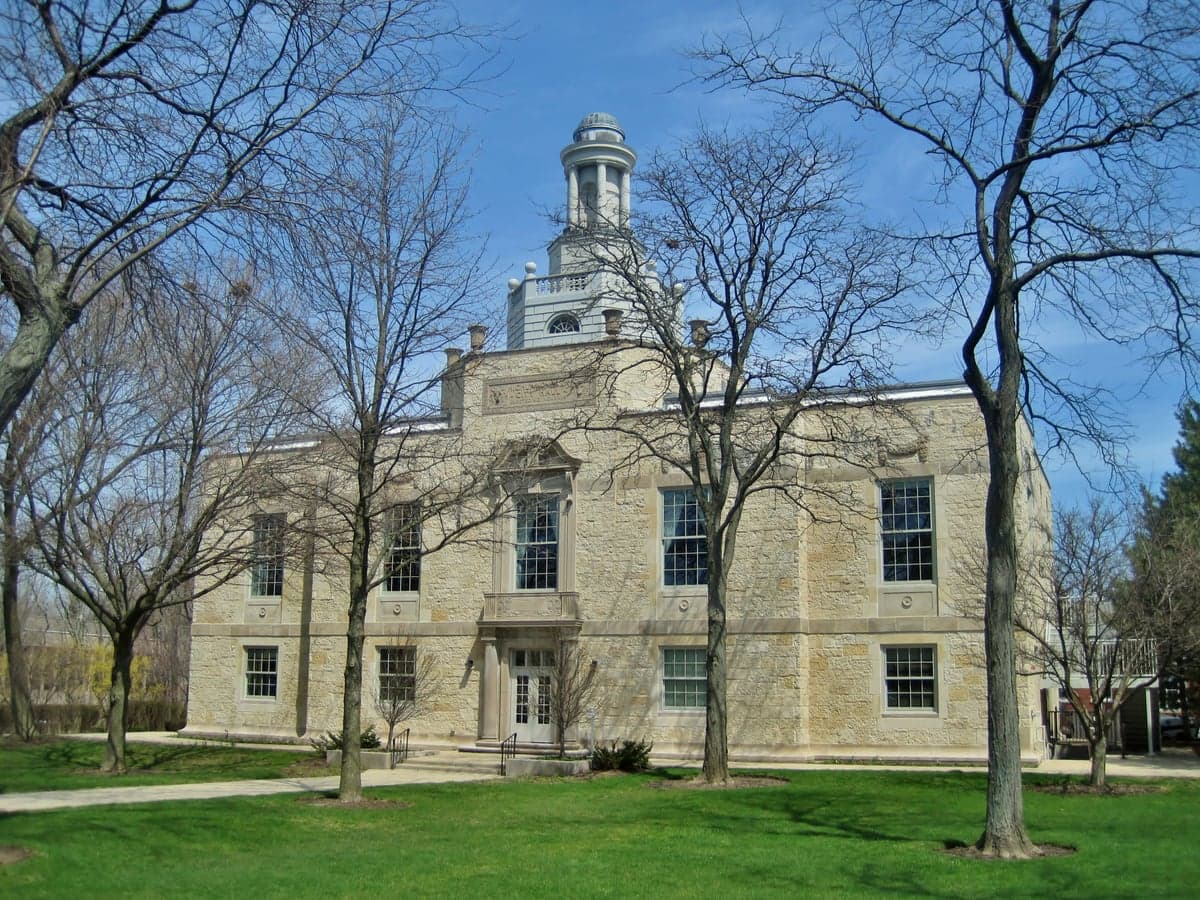
Photo: Wikipedia
Quality of Life in Highland Park, IL
Above-average quality of iife. The area offers a reasonable cost of living, decent mobility, and a mix of neighborhood amenities.
What does Quality of Life tell us?
Quality of Life blends cost of living, nearby amenities, socioeconomic signals, and neighborhood character. City-level scores represent the whole municipality; individual neighborhoods can differ.
What does this tell us?
Quality of Life blends cost of living, nearby amenities, socioeconomic signals, and neighborhood character. City-level scores represent the whole municipality; individual neighborhoods can differ.
Cost of Living
83% above national average
The Real Cost of Living in Highland Park, IL for 2026
| Tier | Individual | Family (4) |
|---|---|---|
| Survival | $30k | $57k |
| Comfortable | $115k | $170k |
| Luxury | $292k+ | $453k+ |
| Elite (Top 5%) | $435k+ | $674k+ |
95%
The Area Signal
A metric tracking the socioeconomic signals of the area.
Hobbies
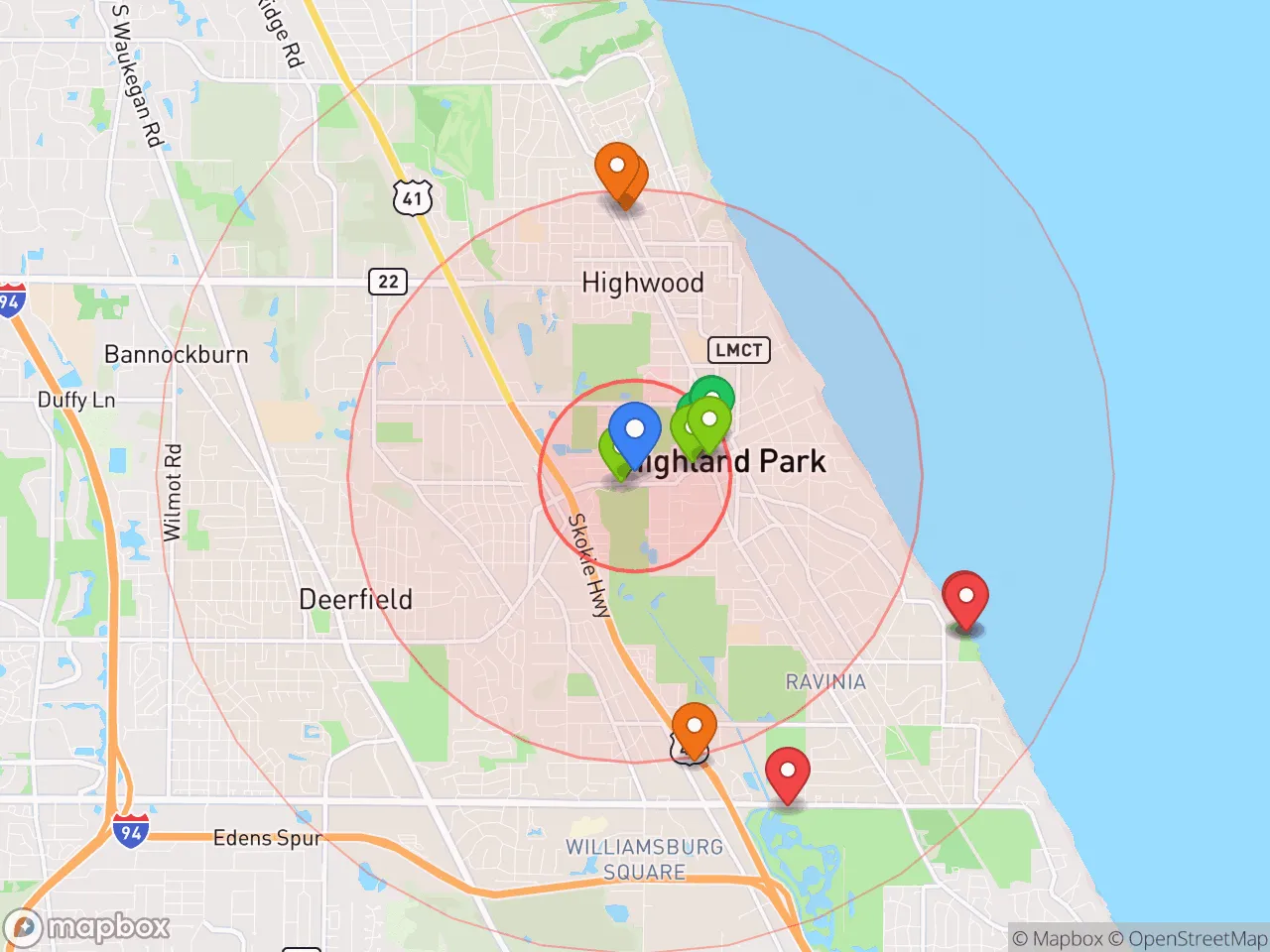
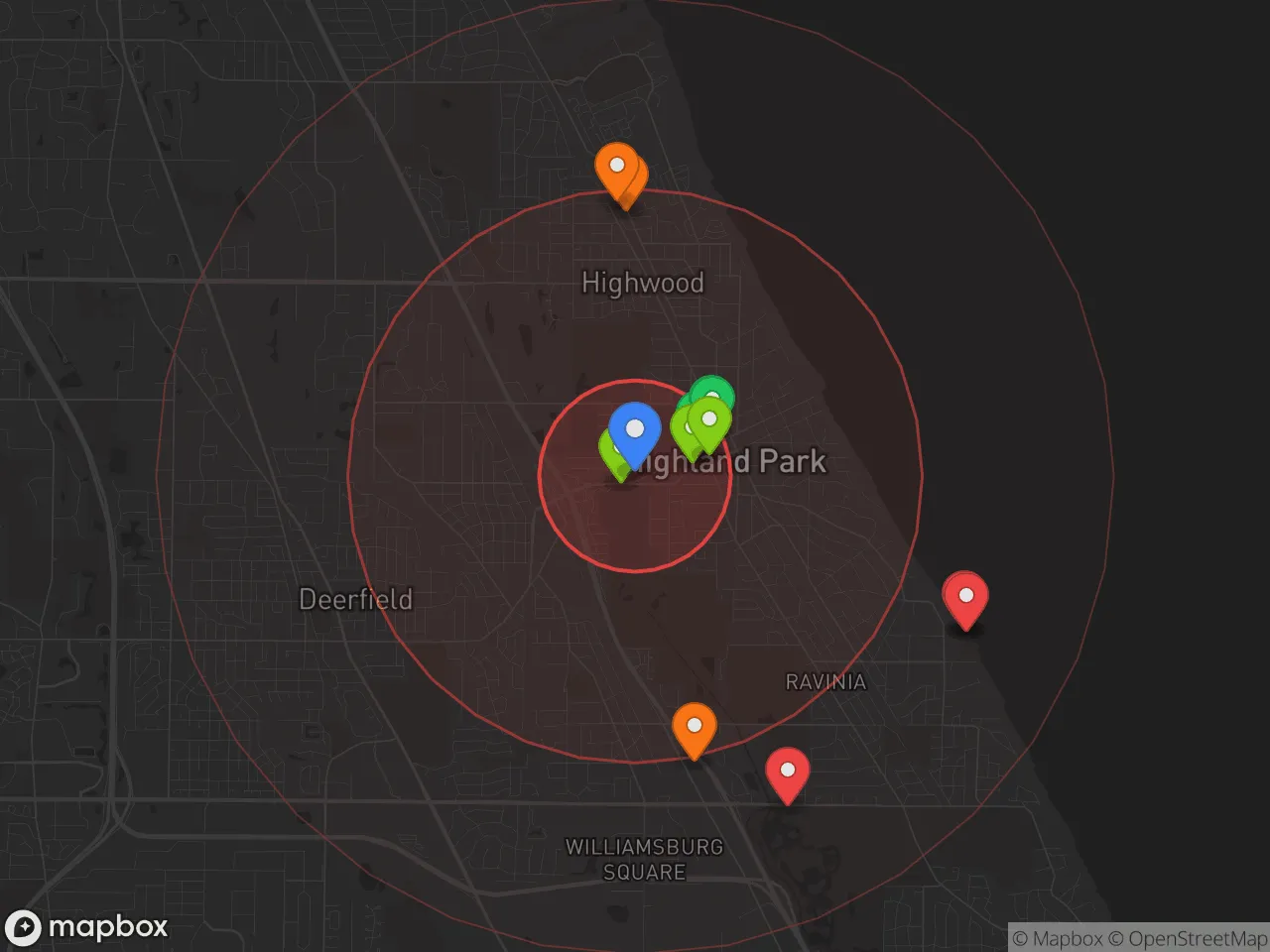
Explore the areaGroceries
7 within 10 miles
Gas
20 within 10 miles
Hospital
20 within 20 miles
Airport
ORD — O'Hare International
Post Office
USPS — Highland Park, IL
Critical Amenities
Quality-of-Life Analysis
Highland Park, Illinois, is one of the most affluent suburbs on Chicago’s North Shore, with a cost of living index of 183—nearly double the national average—that reflects its concentration of executive-level professionals, entrepreneurs, and families seeking top-tier public schools and lakefront living. The city’s population of roughly 30,000 skews highly educated and white-collar, with many residents commuting to downtown Chicago or working in nearby corporate hubs like Deerfield and Northbrook. This is a community where quality of life is defined by premium housing, extensive parkland, and a deliberate small-town feel within striking distance of a major metropolis.
Cost of living, housing prices, and affordability compared to nearby suburbs
Highland Park’s housing market is the primary driver of its high cost of living. The median home value sits at $594,400, significantly above the national median of roughly $350,000 and on par with neighboring North Shore communities like Lake Forest and Winnetka. Renters face a median monthly rent of $1,903, which is about 40% higher than the national average but slightly below rents in downtown-focused suburbs like Evanston. While these figures are steep, they are not the highest on the North Shore—Glencoe and Kenilworth routinely post medians above $700,000. For buyers, the trade-off is access to the highly rated Township High School District 113 and Elementary District 112, which consistently rank among Illinois’ best. Property taxes are a major factor: the effective rate in Lake County hovers around 2.1%, meaning a $594,400 home carries an annual tax bill near $12,500. This is typical for the region but a shock for newcomers from lower-tax states. The average commute of 28 minutes is manageable, with the Metra Union Pacific North Line providing a 45-minute express ride to Chicago’s Ogilvie Transportation Center, a key perk for professionals who want lakefront living without a grueling drive.
What daily life is like for families: schools, parks, and local amenities
Daily life in Highland Park revolves around its nationally recognized public schools, extensive lakefront parks, and a walkable downtown centered on Central Avenue and Port Clinton Square. The school system is the anchor: Highland Park High School and Deerfield High School (both part of District 113) boast graduation rates above 95% and send graduates to top-tier universities, while the elementary district offers specialized magnet programs and a strong special-education framework. Beyond academics, the city maintains over 40 parks, including the 22-acre Rosewood Park and the lakefront Morial Park, which features a beach, playgrounds, and a fishing pier. The Ravinia Festival, a summer outdoor music venue, draws national acts and is a defining cultural amenity—residents often picnic on the lawn for concerts by the Chicago Symphony Orchestra or pop stars. Retail and dining are concentrated in the downtown and along Skokie Highway, with a mix of independent boutiques, national chains, and upscale restaurants like Michael’s and Bennison’s Bakery. The rhythm is family-oriented: weekends involve soccer games at the Park District, trips to the Highland Park Public Library (a modern facility with extensive programming), and easy access to the Green Bay Trail for biking or jogging. Crime is low, with property crime rates roughly half the national average and violent crime extremely rare, reinforcing the sense of safety that draws families here.
Highland Park is best suited for households that prioritize elite public education, outdoor recreation, and a tight-knit community over affordability. Professionals with remote or hybrid jobs will appreciate the 28-minute average commute and the ability to walk to downtown amenities, while families will find a robust network of youth sports, summer camps, and cultural enrichment. Retirees and empty-nesters are also present, drawn to the lakefront condos and the quiet, tree-lined streets. The high cost of living and property taxes will deter budget-conscious buyers, but for those who can absorb the premium, Highland Park offers a quality of life that consistently ranks among the best in the Chicago metropolitan area.

Crime in Highland Park, IL
Lower crime rates than 91% of comparable U.S. locations.
Violent CrimeViolent Crime Analysis
Property CrimeProperty Crime Analysis
Crime Analysis
Highland Park, Illinois, is a generally safe North Shore suburb, but its crime picture is more nuanced than raw numbers suggest. With a violent crime rate of 54.9 per 100,000 residents and a property crime rate of 746.2 per 100,000, the city is statistically safer than both the national average and many nearby communities. However, these figures must be weighed against the broader context of Cook County's criminal justice environment, where progressive policies have raised concerns about recidivism and public safety.
Crime in context
Highland Park's violent crime rate is roughly 85% lower than the national average, placing it among the safest suburbs in the Chicago metropolitan area. Property crime, while higher than violent crime, still sits below the U.S. median. The city benefits from a well-funded police department and a highly engaged community. However, these local advantages exist within a county where the state's attorney and many judges have adopted progressive prosecution and sentencing reforms. Critics argue that policies such as cash bail elimination, reduced charging of non-violent offenses, and early release programs have contributed to a revolving-door justice system that prioritizes offender rehabilitation over victim protection. This ideological environment means that even in a low-crime suburb like Highland Park, residents are not insulated from broader regional trends of property theft, carjackings, and organized retail crime that originate in nearby urban centers.
What residents experience
Daily life in Highland Park feels safe. Most crime is property-related—theft from vehicles, package theft, and occasional burglaries—rather than violent confrontations. The city's 2022 mass shooting at the Fourth of July parade remains a traumatic exception, not a pattern. Residents are more likely to encounter nuisance crimes like vandalism or noise complaints than assault or robbery. That said, the progressive legal climate in Cook County means that repeat property offenders often cycle through the system quickly. A car thief arrested in Highland Park may be released on a recognizance bond within hours, a reality that frustrates local police and homeowners alike. The city has responded with increased surveillance cameras, neighborhood watch programs, and a dedicated community policing unit, but the underlying tension between local safety efforts and county-level leniency persists.
Neighborhood-level variation is modest. Areas closer to the downtown business district and the Metra train station see slightly higher property crime due to foot traffic and transit access. The wealthier lakefront neighborhoods and gated communities report near-zero violent crime. Overall, Highland Park offers a high baseline of safety, but residents remain acutely aware that their security depends on factors beyond the city limits—namely, the ideological priorities of Cook County's justice system, which many view as prioritizing offender rights over public protection.
* Values derived from national, state, county, city and local statistics and may differ in a specific area. Last updated: 2026-08-24T21:17:27.000Z
Narrative content on this page is AI-generated and may contain mistakes. Verify any details that matter before acting on them.
ReloMaps may earn a commission from affiliate links at no extra cost to you.

