 Popular
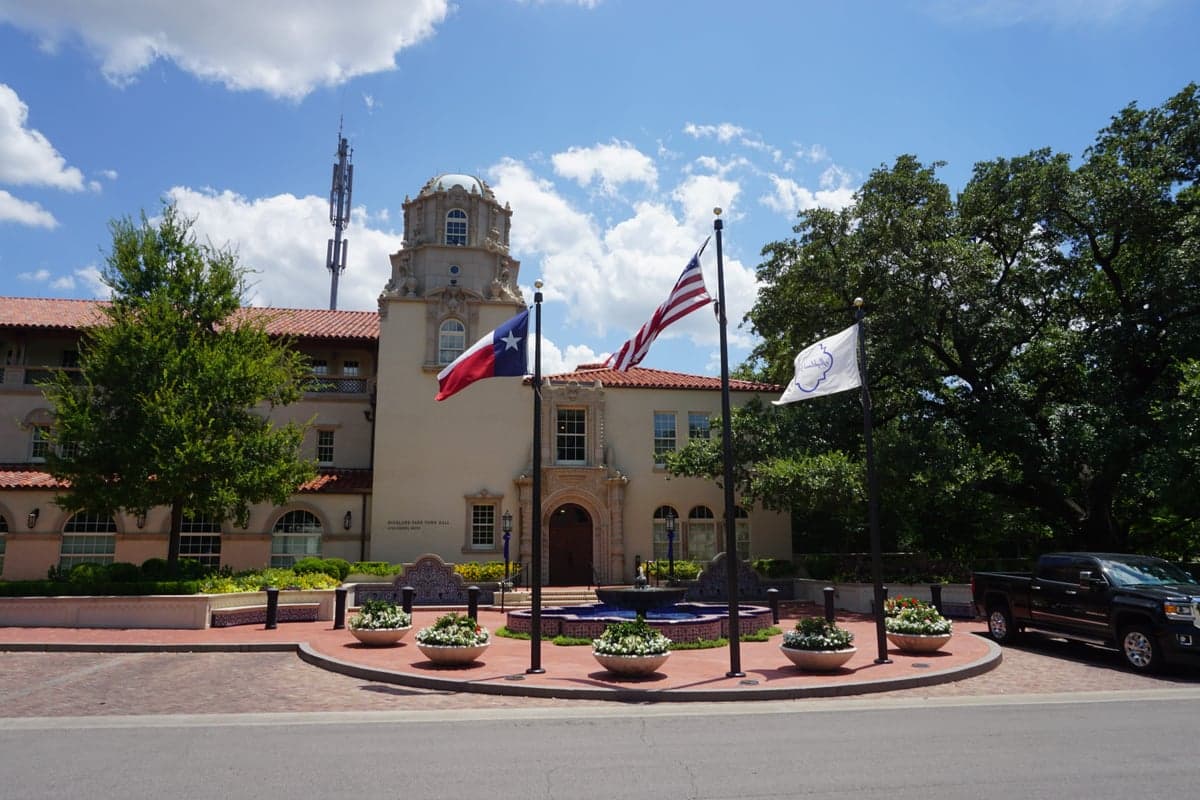
Photo: Wikipedia
Personal Sovereignty in Highland Park, TX
Strong independent fundamentals that actively favor personal liberty and low regulation.
What does Personal Sovereignty tell us?
Personal Sovereignty measures your capacity for self-reliance and independence with minimal government friction. Higher scores mean fewer barriers between you and the way you want to live... but it assumes you have the space you need and good neighbors.
What does this tell us?
Personal Sovereignty measures your capacity for self-reliance and independence with minimal government friction. Higher scores mean fewer barriers between you and the way you want to live... but it assumes you have the space you need and good neighbors.
State Policy
Energy independence: Net exporter (220% of energy produced in-state)
Personal Liberty
Homesteading

Personal Liberty Analysis
Highland Park, Texas, offers a notably high degree of personal sovereignty for those who prioritize self-reliance and minimal government interference, but it operates within a complex web of local and state dynamics that require careful navigation. As an affluent, incorporated town surrounded by Dallas, it provides a unique blend of suburban order and Texas-sized freedoms, though the trade-offs involve higher property costs and a local government that is more hands-on than in unincorporated areas. For the survivalist or prepper, the key question is whether the town’s regulatory posture and tax burden align with a lifestyle of maximum autonomy, or whether the proximity to a major metro area introduces unacceptable levels of oversight. This analysis breaks down the critical factors—taxes, self-defense, homesteading feasibility, and personal liberties—to help you decide if Highland Park is a sanctuary or a compromise.
Tax burden and regulatory posture: what you pay for freedom
Texas has no state income tax, which is a massive win for personal sovereignty, but Highland Park’s property taxes are among the highest in the state. The combined tax rate for the town, Highland Park Independent School District (HPISD), and Dallas County typically lands around 2.0% to 2.2% of assessed value, meaning a $1.5 million home could cost you $30,000+ annually in property taxes alone. This is a significant ongoing expense that funds local services—police, fire, schools, and infrastructure—which some see as a necessary trade-off for a well-maintained, low-crime environment. However, from a prepper perspective, this tax burden reduces disposable income for stockpiling, land purchases, or other self-reliance investments. The town’s regulatory posture is strict: zoning is tightly enforced, with no commercial activity in residential areas, strict building codes, and a powerful homeowners association (HOA) that governs everything from lawn height to paint colors. This means your property rights are heavily constrained by local ordinances, limiting your ability to modify your home for defensive purposes or to run a home-based business without permits. For those seeking maximum autonomy, the regulatory environment here feels more like a managed community than a freehold, though the upside is predictable order and high property values.
Self-defense and gun law specifics: what Texas law allows in Highland Park
Texas is a constitutional carry state, meaning anyone 21 or older who can legally possess a firearm may carry it openly or concealed without a permit. Highland Park does not impose additional local gun restrictions beyond state law, so your right to keep and bear arms is fully protected within the town limits. However, there are critical nuances: private property rights mean that businesses, churches, and even some public venues can post 30.06 (concealed carry) or 30.07 (open carry) signs, which carry the force of law. In Highland Park, many upscale retail and dining establishments do post these signs, so you must be vigilant about where you carry. Additionally, the town’s police department is known for proactive enforcement, and while they respect Second Amendment rights, they will respond to any perceived threat with a low tolerance for ambiguity. For the survivalist, the key advantage is that you can legally build a home defense arsenal—including suppressors and short-barreled rifles with proper federal paperwork—and store it without local interference. Stand-your-ground and castle doctrine laws apply fully, so you have no duty to retreat in your home or vehicle. The downside: the town’s dense, affluent layout means that any defensive use of force will face intense legal and media scrutiny, so training and discretion are paramount.
Self-reliance and homesteading viability: lot sizes, zoning, and off-grid feasibility
Highland Park is not a homesteader’s paradise. The average lot size is around 0.25 to 0.5 acres, with many homes on smaller parcels, and zoning strictly prohibits agricultural activities. You cannot keep chickens, goats, or bees without a special permit, and even then, the HOA likely has its own restrictions. Off-grid living is effectively impossible within town limits: solar panels are allowed but must be approved by the HOA and cannot be visible from the street, rainwater collection is permitted but limited to non-potable uses, and composting toilets are not code-compliant. The town requires connection to municipal water, sewer, and electricity, so you cannot disconnect from the grid. For the prepper focused on self-reliance, this is a major limitation—your ability to produce food, generate power, or treat water independently is severely curtailed. The upside is that the town’s infrastructure is extremely reliable, with minimal power outages and rapid emergency response, so you can focus on stockpiling supplies rather than building a homestead. If you want true off-grid capability, you would need to look at unincorporated areas of Hunt or Kaufman counties, where acreage is cheaper and zoning is minimal. In Highland Park, self-reliance means financial independence and a well-stocked pantry, not land-based subsistence.
Personal liberties: parental rights, medical autonomy, speech, and property
Texas has strong protections for parental rights, including a 2023 law that prohibits government entities from overriding parental decisions on medical care, education, and religious upbringing. In Highland Park, this means you have the legal authority to opt your children out of any school curriculum or activity you find objectionable, including sex education or certain health screenings. The HPISD is generally responsive to parental concerns, but it is a high-performing district with a progressive-leaning administration, so you may need to be proactive in asserting your rights. Medical autonomy is robust: Texas law protects your right to refuse any medical treatment, including vaccines, and there are no local mandates beyond state requirements. However, the town’s proximity to Dallas means that emergency rooms and hospitals follow standard protocols, so if you decline treatment, you may face pressure from medical staff. Free speech is fully protected, and Highland Park has no local ordinances restricting political expression, though private HOA rules may limit signs or flags on your property. Property rights are the most constrained area: the HOA and town zoning board have significant authority over what you can do with your land, including tree removal, fence height, and exterior modifications. For the survivalist, this means you cannot build a bunker, install a privacy fence over six feet, or store large quantities of supplies in visible locations without risking fines. The trade-off is that your property value is protected by these same restrictions, but it comes at the cost of personal discretion.
Overall, Highland Park offers a high degree of personal sovereignty relative to blue-state metros like San Francisco or New York, but it is far from a libertarian enclave. The tax burden is heavy, the regulatory environment is restrictive, and the ability to live off-grid or modify your property for defense is limited. For the conservative-leaning prepper, the town works best as a base for financial and social stability—where you can exercise your gun rights, raise your children with parental control, and stockpile supplies—while accepting that true self-reliance will require a secondary property in a less regulated area. Compared to rural Texas counties, Highland Park sacrifices autonomy for order and convenience, but compared to most suburban areas nationwide, it remains a stronghold of personal liberty. If you value low crime, excellent schools, and the ability to carry a firearm without a permit, it is a viable option. If your priority is maximum freedom from government and HOA oversight, look elsewhere.

* Values derived from national, state, county, city and local statistics and may differ in a specific area. Last updated: 2026-04-14T23:44:33.000Z
Narrative content on this page is AI-generated and may contain mistakes. Verify any details that matter before acting on them.
ReloMaps may earn a commission from affiliate links at no extra cost to you.

