 Popular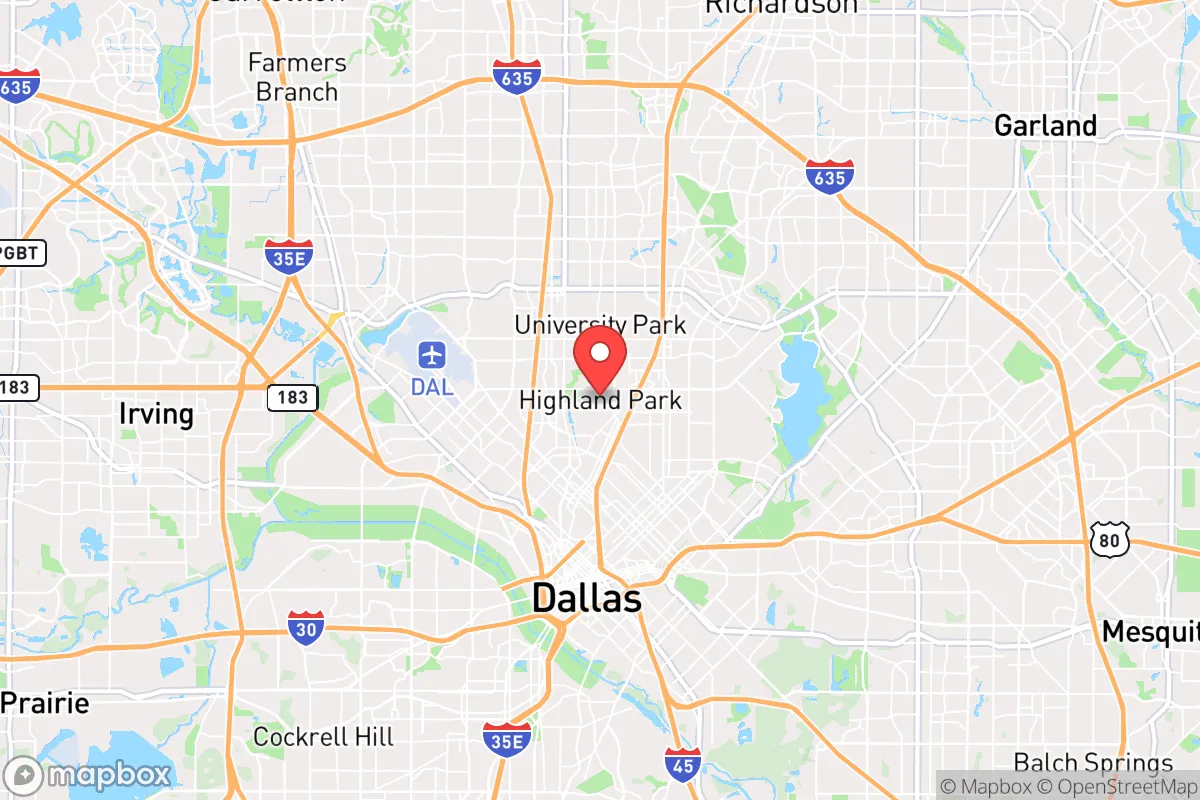
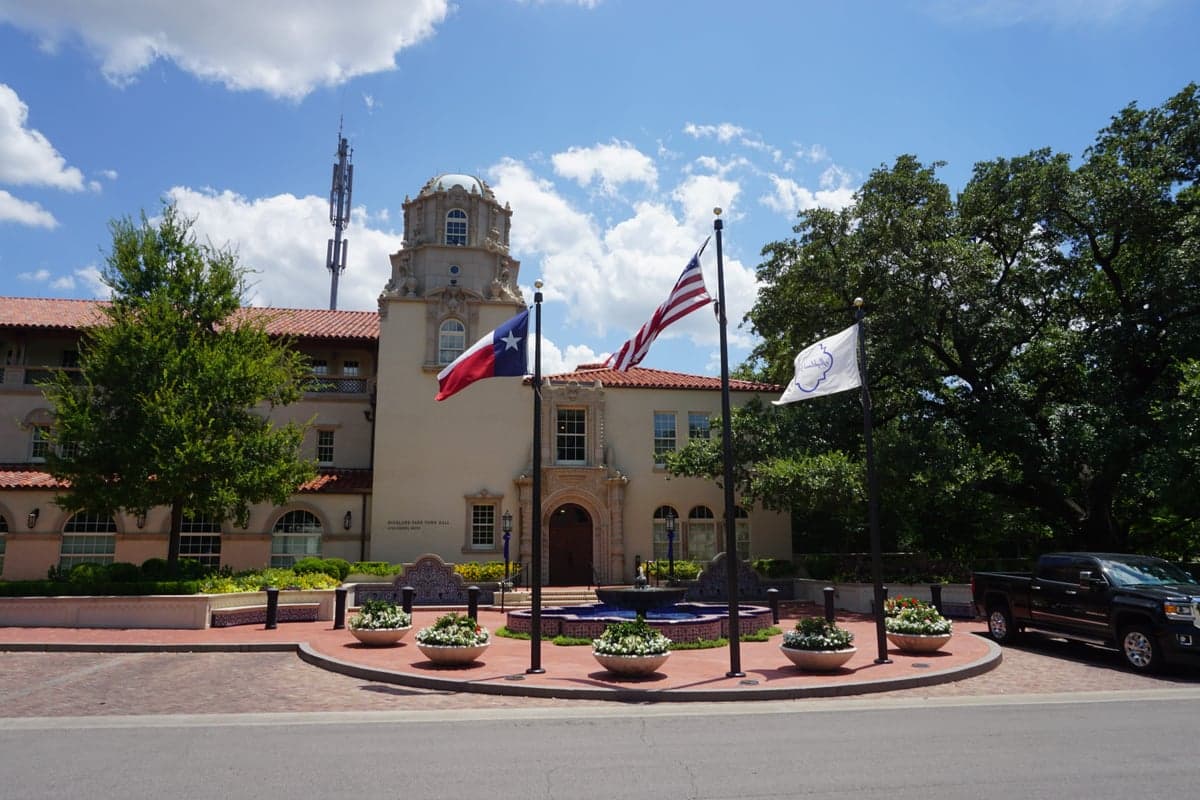
Photo: Wikipedia
Political ClimatePolitical Climate in Highland Park, TX
District shown is the primary district for this city’s centroid. Cities may span multiple districts.
Local Political AnalysisPolitical Analysis of Highland Park, TX
Highland Park, Texas, has long been one of the most reliably conservative enclaves in the Dallas-Fort Worth metroplex, and that hasn’t changed much despite the broader state’s slow drift. The Cook PVI here sits at R+7, which means the town votes about seven points more Republican than the national average—and in practice, local elections often feel even more lopsided. If you’ve lived here a while, you know the Park Cities have always been a place where folks value limited government, low taxes, and the freedom to run their own lives without a bunch of bureaucratic red tape. That’s still the case, but you can feel the pressure building from the outside, especially as Dallas proper gets more progressive and tries to export its policies northward.
How it compares
Drive ten minutes south into Dallas’s Uptown or Oak Lawn, and you’re in a completely different political universe—those areas lean heavily Democratic, with Cook PVIs around D+20 or worse. Even nearby University Park, which shares a school district and a lot of cultural DNA with Highland Park, has seen a subtle shift toward the center in recent city council races. But Highland Park itself? It’s still a bastion of traditional conservatism. The town’s voters consistently reject bond measures that would raise property taxes for “equity” initiatives, and they’ve fought off attempts to impose stricter zoning or rent control measures that have cropped up in Austin and Houston. Compared to the rest of Dallas County, which went for Biden in 2020, Highland Park is an island of red—and most residents like it that way.
What this means for residents
For the people who live here, the political climate translates into a pretty straightforward deal: you get to keep more of your money, you don’t have to worry about the city telling you what you can do with your property, and the schools focus on academics rather than social engineering. The Highland Park Independent School District, for example, has resisted the kind of critical race theory and gender ideology curriculum mandates that have caused chaos in other districts. That’s a big deal for families who want their kids to learn how to think, not what to think. On the flip side, if you’re worried about government overreach creeping in from the state or federal level, you’re not alone—there’s a growing unease that even in a conservative town, the long arm of progressive policy could start to squeeze local autonomy. The recent push for statewide “hate crime” reporting expansions and environmental regulations that hit wealthy suburbs harder has some folks watching the legislature in Austin with a wary eye.
Culturally, Highland Park still feels like a place where personal responsibility and neighborly trust matter more than government programs. You won’t find a lot of public art installations pushing political messages or city-sponsored “diversity” events that feel forced. The town’s identity is rooted in old-school Texas values: work hard, keep your yard nice, and don’t let the government tell you how to live. That said, the long-term trajectory is a bit concerning. As Dallas County gets bluer and the state’s urban corridors grow, the pressure to conform to progressive norms will only increase. If you’re thinking of moving here, you’ll find a community that’s still fighting to keep its freedom—but it’s a fight that’s going to require staying engaged, because nobody else is going to protect your rights for you.

State Political ClimatePolitical Climate in Texas
State Political AnalysisPolitical Environment in the State
Texas remains a solidly Republican state at the statewide level, but the political landscape has shifted noticeably over the last 10-20 years. The dominant coalition is still conservative, anchored by the suburbs and rural areas, but the margins have tightened as fast-growing metros like Austin, Dallas, and Houston have seen an influx of voters from blue states. In 2024, Donald Trump carried Texas by about 9 points, down from 11 points in 2020 and 16 points in 2016 — a clear trajectory that has conservatives watching closely. The state’s political identity is still defined by limited government, low taxes, and individual liberty, but the battle lines are being drawn in the suburbs and along the I-35 corridor.
Urban vs. rural divide
The political map of Texas is a tale of three regions. The vast rural and exurban areas — think the Panhandle around Lubbock, the Piney Woods near Tyler, and the Hill Country west of Austin — vote overwhelmingly Republican, often by 70-80% margins. These areas are the backbone of the state’s conservative majority. Meanwhile, the major urban cores have become Democratic strongholds. Austin (Travis County) is the most liberal major city in the South, voting nearly 80% for Biden in 2020. El Paso and Houston (Harris County) are also reliably blue, driven by younger, diverse, and transplant-heavy populations. The real battleground is the suburban ring — places like Collin County (north of Dallas), Fort Bend County (southwest of Houston), and Williamson County (north of Austin). These once reliably red suburbs have been trending purple, with Collin County going from +30 R in 2012 to +15 R in 2024. The 2020 flip of Tarrant County (Fort Worth) to blue was a wake-up call, though it swung back red in 2024. The divide isn’t just geographic — it’s cultural, with urbanites favoring progressive policies on everything from zoning to policing, while rural and suburban Texans prioritize property rights, school choice, and Second Amendment protections.
Policy environment
Texas’s policy environment is still a beacon for conservatives, but it’s not without cracks. The state has no personal income tax, a major draw for relocating families and businesses. Property taxes are high (among the top 10 nationally), but the 2023 Texas Legislature passed a $18 billion property tax cut package, including a higher homestead exemption and a compression of school tax rates — a concrete win for homeowners. The regulatory posture remains business-friendly, with right-to-work laws and limited zoning in most areas, though cities like Austin have imposed stricter land-use rules. On education, the state has expanded school choice through Education Savings Accounts (HB 3 in 2023) for special needs students, but a broader voucher bill failed in the House due to rural Republican opposition. Healthcare is a mixed bag: Texas has not expanded Medicaid, keeping the uninsured rate high (about 17%), but it also has some of the strongest parental consent laws for minors seeking medical procedures. Election laws were tightened in 2021 with SB 1, which banned drive-through voting, added ID requirements for mail ballots, and restricted early voting hours — a response to 2020’s controversies that remains a flashpoint. Overall, the policy posture is still pro-freedom, but the urban-rural split in the legislature means some battles (like school choice) are far from settled.
Trajectory & freedom
On the freedom front, Texas has been a mixed bag over the last five years — some wins, some worrying trends. The biggest win for personal liberty was the 2021 passage of permitless carry (HB 1927), allowing law-abiding adults to carry a handgun without a license. That was a clear expansion of Second Amendment rights. Parental rights got a boost with the 2023 passage of the READER Act, which requires schools to post curriculum materials online and allows parents to challenge books they deem inappropriate. On medical autonomy, Texas banned abortion after a heartbeat is detected (SB 8 in 2021) and later passed a near-total ban (HB 1280), which has held up in court. However, there are concerning signs of government overreach. The 2023 TikTok ban on government devices (SB 189) and the ongoing fight over social media content moderation (HB 20, which prohibits platforms from banning users based on viewpoint) show a state willing to intervene in private business. Property rights took a hit with the 2023 passage of SB 2039, which allows the state to seize land for border wall construction — a move that alarmed some libertarians. The biggest freedom concern is the growing power of the state government itself: the 2023 legislative session saw a record $321 billion budget, a 30% increase from 2021, which feels out of step with the state’s small-government tradition. The trajectory is still broadly pro-freedom on social and gun issues, but fiscal conservatism is slipping.
Civil unrest & political movements
Texas has seen its share of political flashpoints. The 2020 Black Lives Matter protests in Austin and Dallas were large and sometimes violent, leading to property damage and a lasting rift between city leaders and state officials. In response, the 2021 Legislature passed HB 9, which makes it a felony to bail out someone accused of violence during a riot — a direct check on activist-funded bail funds. Immigration politics are the most visible daily issue. Governor Abbott’s Operation Lone Star, launched in 2021, has deployed state troopers and National Guard to the border, bused migrants to sanctuary cities like New York and Chicago, and installed razor wire along the Rio Grande. This has created a constant legal battle with the Biden administration, but it’s popular with the base. Sanctuary city policies are banned statewide (SB 4, 2017), but El Paso and Houston have declared themselves “welcoming cities,” creating a patchwork of enforcement. Secession rhetoric has cooled since the 2022 Texas GOP platform included a call for a referendum on leaving the Union, but it’s still a talking point among grassroots conservatives. Election integrity remains a hot-button issue: the 2020 audit of Harris County (Houston) found irregularities but no widespread fraud, though many conservatives remain skeptical. A new resident will notice the political tension most in the suburbs — yard signs, bumper stickers, and local school board meetings are where the culture war plays out daily.
Projection
Over the next 5-10 years, Texas is likely to become more competitive but not flip blue statewide — at least not yet. The demographic trends are clear: the state is growing by about 1,000 people per day, and a significant portion are from California, New York, and Illinois. Many of these transplants are conservative-leaning (fleeing high taxes and crime), but a sizable chunk are progressive, especially those moving to Austin and Dallas. The suburbs will continue to be the battleground. Collin County and Fort Bend County are trending purple, and if they flip blue, the state could become a toss-up in presidential elections by 2032. However, the rural vote is not shrinking — it’s just being diluted. The Texas GOP is also shifting: the old Chamber of Commerce conservatives are being challenged by a more populist, America First wing that is skeptical of immigration and free trade. This internal fight could either energize the base or fracture it. On policy, expect more battles over school choice (likely to pass in some form), property tax reform (still a top issue), and energy policy (Texas is the top wind producer but also the top oil producer, creating tension). The biggest wildcard is the border: if the federal government doesn’t secure it, Texas will continue to assert its own authority, which could lead to a constitutional showdown. For a new resident, the next decade will feel like a tug-of-war between the state’s traditional libertarian-conservative ethos and the growing influence of urban progressivism.
For someone moving to Texas now, the bottom line is this: you’re still getting a state that respects your right to live your life without excessive government interference — low taxes, strong gun rights, and a business-friendly climate. But the political landscape is shifting faster than many locals are comfortable with. The suburbs are where the fight is, and if you’re a conservative, you’ll want to pay close attention to local school board and city council races, because that’s where the culture war is being won or lost. The state is still a safe bet for freedom-minded individuals, but it’s no longer a lock — and the next five years will determine whether Texas stays Texas or becomes another California. If you’re looking for a place where your values are still the majority, the rural areas and smaller cities like Tyler or Lubbock are your best bet. If you’re moving to Austin or Houston, be prepared for a political environment that feels more like a blue state enclave. Either way, you’ll have a front-row seat to one of the most consequential political transformations in the country.
* Values derived from national, state, county, city and local statistics and may differ in a specific area. Last updated: 2026-04-14T23:44:33.000Z
Narrative content on this page is AI-generated and may contain mistakes. Verify any details that matter before acting on them.
ReloMaps may earn a commission from affiliate links at no extra cost to you.

