 Popular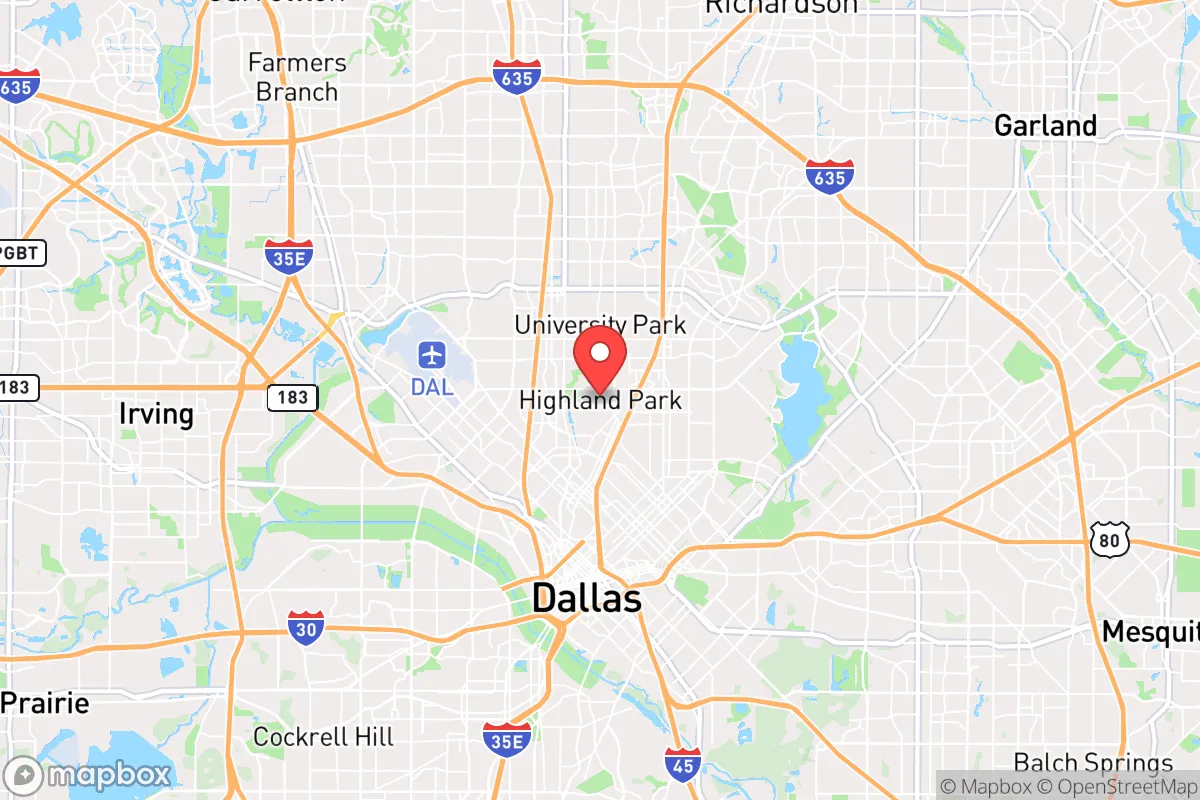
Photo: Wikipedia
Find The Best Places To Live
in Highland Park
PRO TIP! You can paste a Zillow or Redfin link to get info on that property.
What It's Like Living in Highland Park, TX
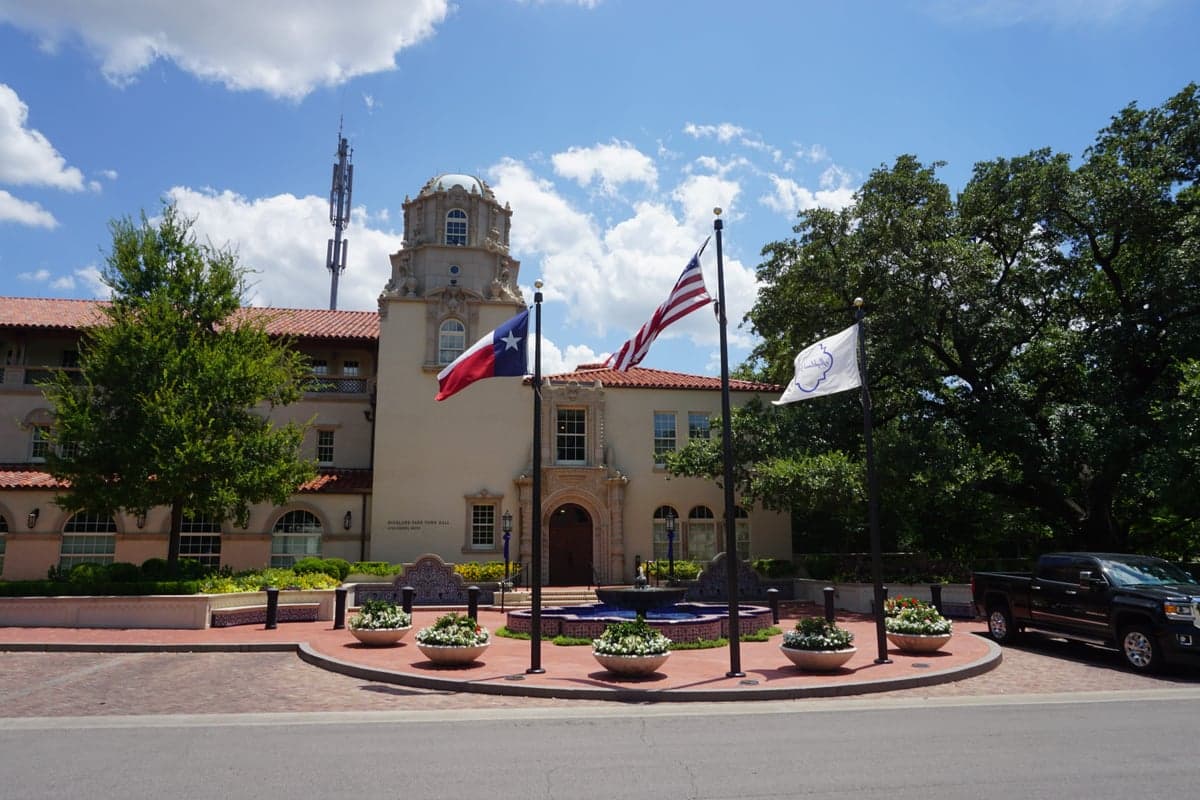
Highland Park feels less like a suburb of Dallas and more like a small, meticulously maintained town that happens to sit six miles from downtown. With a population just under 8,800, it has the quiet, tree-lined streets and neighborly feel of a place where people know each other by name, yet it’s surrounded by the energy and opportunity of a major metro. The median age of 45.6 hints at a community of established professionals and empty-nesters, but the presence of top-rated Highland Park Independent School District keeps families with school-age children deeply invested in the daily rhythm of the town.
The Daily Rhythm: School, Golf, and the Village
Life here revolves around a few key anchors. The Highland Park Village shopping center isn't just a place to shop; it's the de facto town square. On a Saturday morning, you’ll see families grabbing coffee at Starbucks or brunch at Mi Cocina, while others browse the boutiques or catch a movie at the historic Angelika Film Center. The average commute is just over 20 minutes, which means most residents work in Dallas’s Uptown, downtown, or the Medical District, but they return to a neighborhood that feels deliberately slower. After work, you’ll find people walking dogs along the Katy Trail, playing tennis at the country club, or attending a school event. The median household income of $250,001 and median home value of $1,887,300 reflect a community where financial pressure is low, but expectations for property upkeep and community involvement are high.
Sports, School Spirit, and the Social Fabric
High school sports are a genuine cultural force here. The Highland Park Scots football team draws crowds that rival some small colleges, and Friday night lights are a community-wide event. The rivalry with Highland Park’s neighbor, University Park, is friendly but real, and the annual “Battle of the Axe” football game is a highlight of the fall calendar. Beyond football, the school’s strong arts and academic programs mean that a school play or a science fair can be a major social gathering. For pro sports, Dallas’s teams—the Cowboys, Mavericks, Stars, and Rangers—are all within a 30-minute drive, but the local identity is far more tied to the Scots’ blue and gold than to any professional franchise. The 88.3% college-educated population means dinner parties and neighborhood gatherings often feature conversations about business, travel, and philanthropy, not just the latest game.
What’s There to Do: Parks, Patios, and a Few Quirks
Outdoor life is centered on the Exall Park and the Katy Trail, a converted rail line that runs through the Park Cities into Dallas. Residents use it for running, biking, and walking—it’s a social artery as much as a recreational one. The Highland Park Village hosts seasonal events like the Christmas tree lighting and an annual Easter egg hunt that feel straight out of a Norman Rockwell painting. For dining, Rise No. 1 (a soufflé restaurant) and Bistro 31 are local staples for special occasions, while Patrizio’s offers a more casual patio scene. A cultural quirk: the town has its own Highland Park police department and fire department, and residents take pride in the town’s independent governance and low crime rate (45.8 violent crimes per 100,000). The cost of living index of 382 (nearly four times the national average) means that everyday services—from dry cleaning to lawn care—are priced accordingly, and the town’s strict zoning and architectural review board ensures no two houses look alike, but also that no one builds anything out of character.
Pros and Cons of Living Here
- What residents love: The schools are a genuine draw—Highland Park High School consistently ranks among the top public high schools in Texas. The safety is palpable; kids walk to school and neighbors leave doors unlocked. The sense of community is strong, with block parties, holiday parades, and a shared identity that’s rare in a city the size of Dallas. The commute is short, and the access to Dallas’s cultural amenities (museums, theaters, professional sports) is unmatched.
- What frustrates them: The cost of living is a barrier for many—even well-off families feel the pinch of property taxes and home prices. The town can feel insular; newcomers sometimes report it’s hard to break into established social circles. Traffic on Preston Road and Mockingbird Lane can be frustrating during school drop-off and pickup. And while the weather is generally pleasant, summers are brutally hot and humid, with temperatures regularly topping 100°F in July and August.
Highland Park is a place where tradition matters, where the school board election gets more attention than the city council race, and where the biggest complaint is often about the speed of a new restaurant opening. It’s not for everyone—the price of admission is steep, and the lifestyle is decidedly upper-middle-class and family-focused. But for those who fit the profile, it offers a rare combination of urban access, small-town safety, and a community that genuinely cares about its own.

Similar small towns to Highland Park
* Values derived from national, state, county, city and local statistics and may differ in a specific area. Last updated: 2026-04-14T23:44:33.000Z
Narrative content on this page is AI-generated and may contain mistakes. Verify any details that matter before acting on them.
ReloMaps may earn a commission from affiliate links at no extra cost to you.

