 Popular
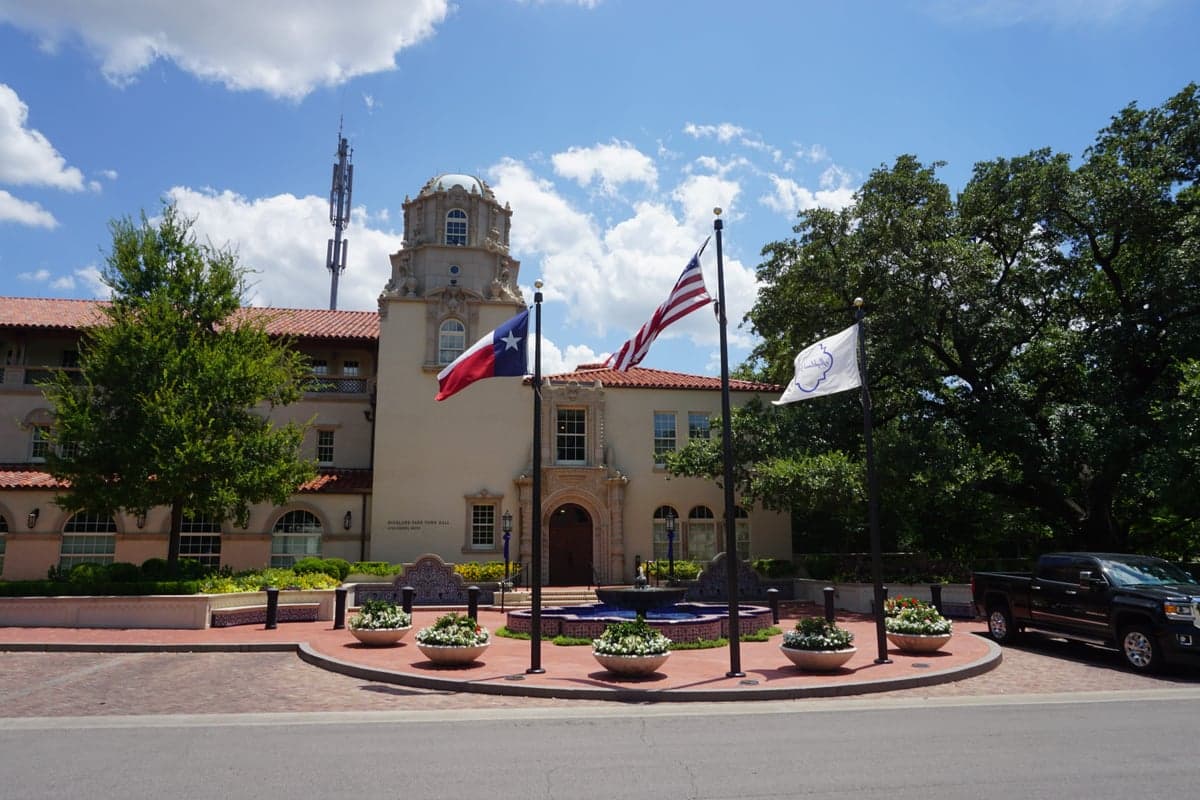
Photo: Wikipedia
Demographics of Highland Park, TX
Affluence Level in Highland Park, TX
An elite concentration of wealth — high incomes, strong home values, advanced degrees, and minimal poverty signal a top-tier socioeconomic profile.
Census doesn't track above $250K
People of Highland Park, TX
The people of Highland Park, Texas, form one of the most affluent, educated, and racially homogeneous communities in the Dallas-Fort Worth metroplex. With a population of 8,774, the city is 89.1% white and 88.3% college-educated, a profile that reflects its origins as a planned enclave for Dallas’s business and professional elite. The city’s distinctive identity is rooted in a century of deliberate, exclusionary development — a place built for those who could afford to live apart from the city’s commercial and industrial core, and who have maintained that character through strict zoning, high property values, and a fiercely independent school system.
How the city was settled and grew
Highland Park was not settled organically; it was platted in 1907 by developer John S. Armstrong as a streetcar suburb for Dallas’s upper class. The original population was drawn by the promise of a pastoral, park-like setting with deed restrictions that prohibited apartments, factories, and commercial uses — a model copied from Kansas City’s Country Club District. The first wave of residents were Anglo-American professionals, bankers, and merchants who built large homes along Beverly Drive and Armstrong Parkway, the city’s two signature boulevards. By the 1920s, the city had annexed adjacent land and developed the Highland Park Village shopping center (1929), which anchored the community and attracted more wealthy families. The 1930s through 1950s saw steady growth as Dallas’s economy boomed with oil, banking, and insurance; the University Park area to the south (incorporated separately in 1924) absorbed some overflow, but Highland Park remained the more exclusive address. No significant immigrant or minority populations settled here during this period — the city’s deed restrictions explicitly excluded non-white residents until the 1948 Supreme Court ruling in Shelley v. Kraemer made them unenforceable.
Modern era (post-1965)
The post-1965 period brought little demographic change to Highland Park. Unlike many Dallas suburbs that experienced rapid diversification after the Hart-Cellar Act, Highland Park’s high housing costs — median home prices consistently above $1 million — and lack of rental housing kept the population overwhelmingly white and native-born. The foreign-born share is just 2.2%, far below the national average. The small Asian population (2.4% East/Southeast Asian, 1.2% Indian) is concentrated in newer, larger homes along Preston Road and near the Highland Park High School campus, where families are drawn by the top-ranked school system. The Hispanic population (4.2%) is largely employed in service roles within the city — nannies, landscapers, and household staff — and lives outside city limits, primarily in Dallas’s Vickery Meadow neighborhood or southern Dallas County. The Black population (0.9%) has remained negligible; most Black professionals in the Park Cities (Highland Park and University Park) live in University Park, which has slightly more diverse housing stock. The city’s white share has actually increased slightly since 2000 (from 87% to 89.1%), a trend driven by the demolition of older, smaller homes and their replacement with larger, more expensive ones that only the wealthiest buyers — predominantly white — can afford.
The future
Highland Park’s population is likely to remain stable in size but grow slightly whiter and wealthier over the next 10–20 years. The city is homogenizing, not tribalizing: the small Asian and Indian populations are assimilating into the broader white professional culture, and there is no evidence of ethnic enclave formation. The Hispanic population is plateauing as service-sector jobs become harder to afford in the area and as Dallas’s southern suburbs absorb more immigrant families. The biggest demographic pressure is generational turnover: as older residents downsize or die, their homes are bought by younger families who are even more likely to be white and college-educated, given that the city’s school system (Highland Park ISD) is a primary draw. The city’s zoning code — which still prohibits apartments and most multifamily housing — ensures that no significant influx of renters or lower-income households will occur. The only wildcard is the redevelopment of the Mockingbird Station area on the city’s southern edge, which could bring a small number of luxury condos and attract empty-nesters, but this is unlikely to shift the overall demographic picture.
For someone moving in now, Highland Park is a place where the population is not just stable but self-selecting for homogeneity. The city offers unmatched schools, low crime, and a walkable, park-filled environment — but it does so by design, for those who can afford the entry price and who value demographic continuity. New residents should expect a community that is friendly, civic-minded, and deeply resistant to change, where the people who live there are overwhelmingly the same kind of people who have always lived there.

* Values derived from national, state, county, city and local statistics and may differ in a specific area. Last updated: 2026-04-14T23:44:33.000Z
Narrative content on this page is AI-generated and may contain mistakes. Verify any details that matter before acting on them.
ReloMaps may earn a commission from affiliate links at no extra cost to you.

