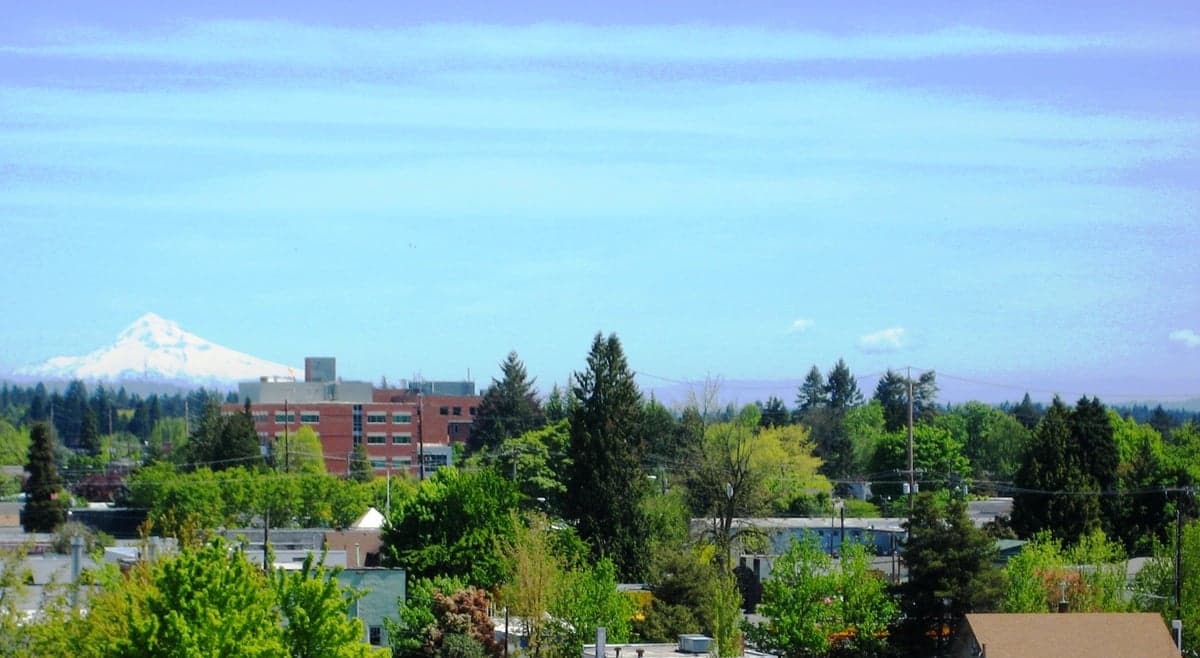
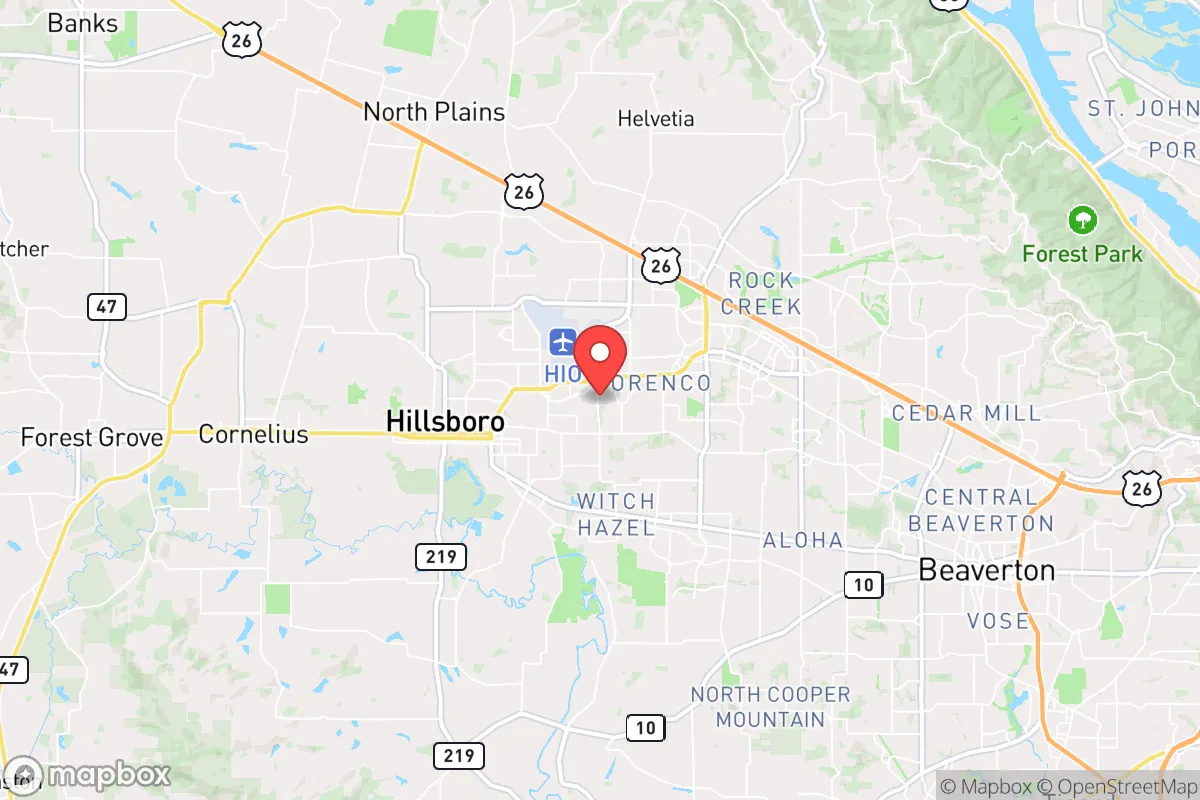
Photo: Wikipedia
Quality of Life in Hillsboro, OR
A high quality of life with strong walkability, manageable living costs, healthy neighborhood signals, and solid amenity access.
What does Quality of Life tell us?
Quality of Life blends cost of living, nearby amenities, socioeconomic signals, and neighborhood character. City-level scores represent the whole municipality; individual neighborhoods can differ.
What does this tell us?
Quality of Life blends cost of living, nearby amenities, socioeconomic signals, and neighborhood character. City-level scores represent the whole municipality; individual neighborhoods can differ.
Cost of Living
66% above national average
The Real Cost of Living in Hillsboro, OR for 2026
| Tier | Individual | Family (4) |
|---|---|---|
| Survival | $30k | $57k |
| Comfortable | $94k | $138k |
| Luxury | $159k+ | $247k+ |
| Elite (Top 5%) | $187k+ | $291k+ |
75%
The Area Signal
A metric tracking the socioeconomic signals of the area.
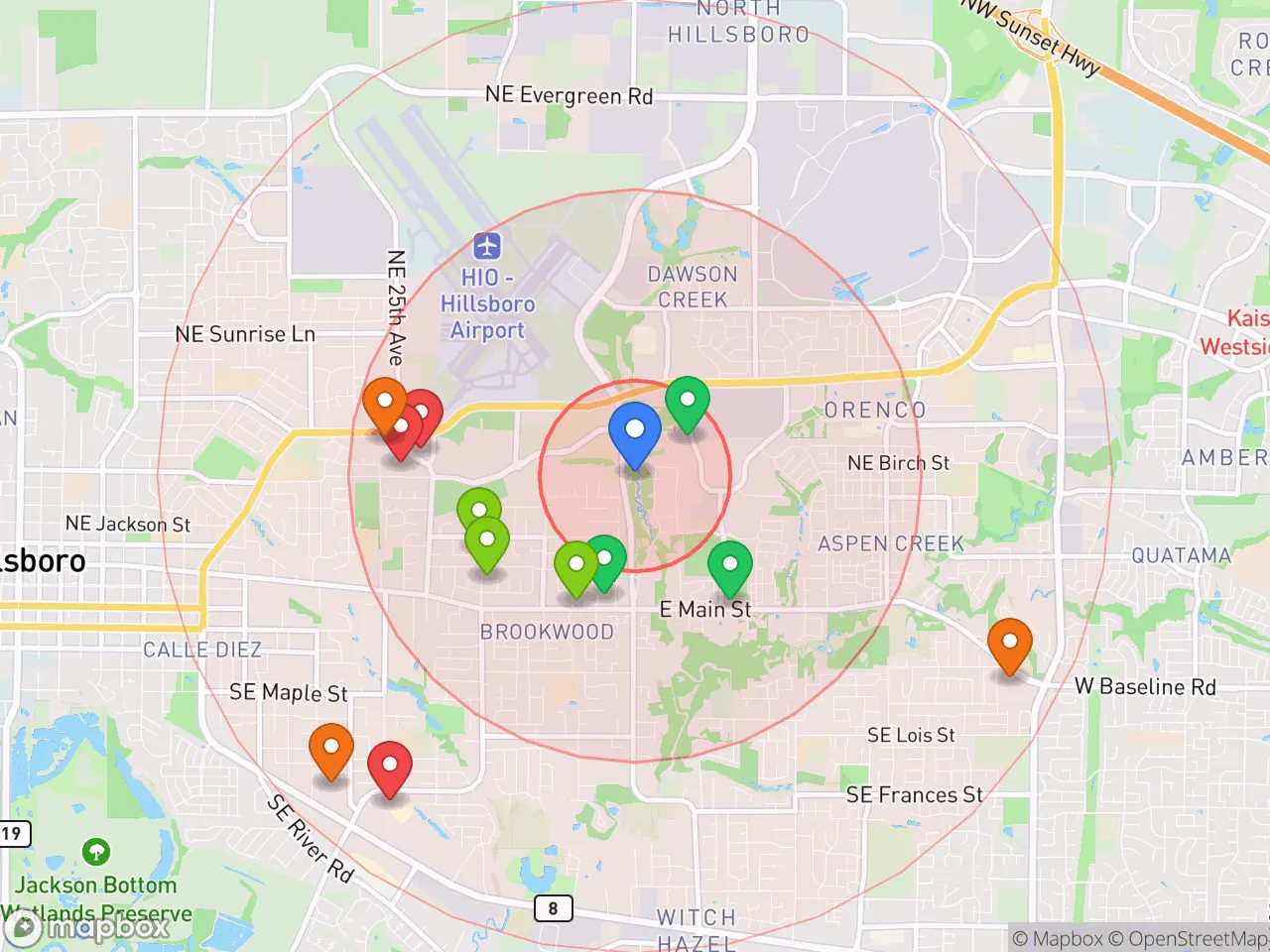
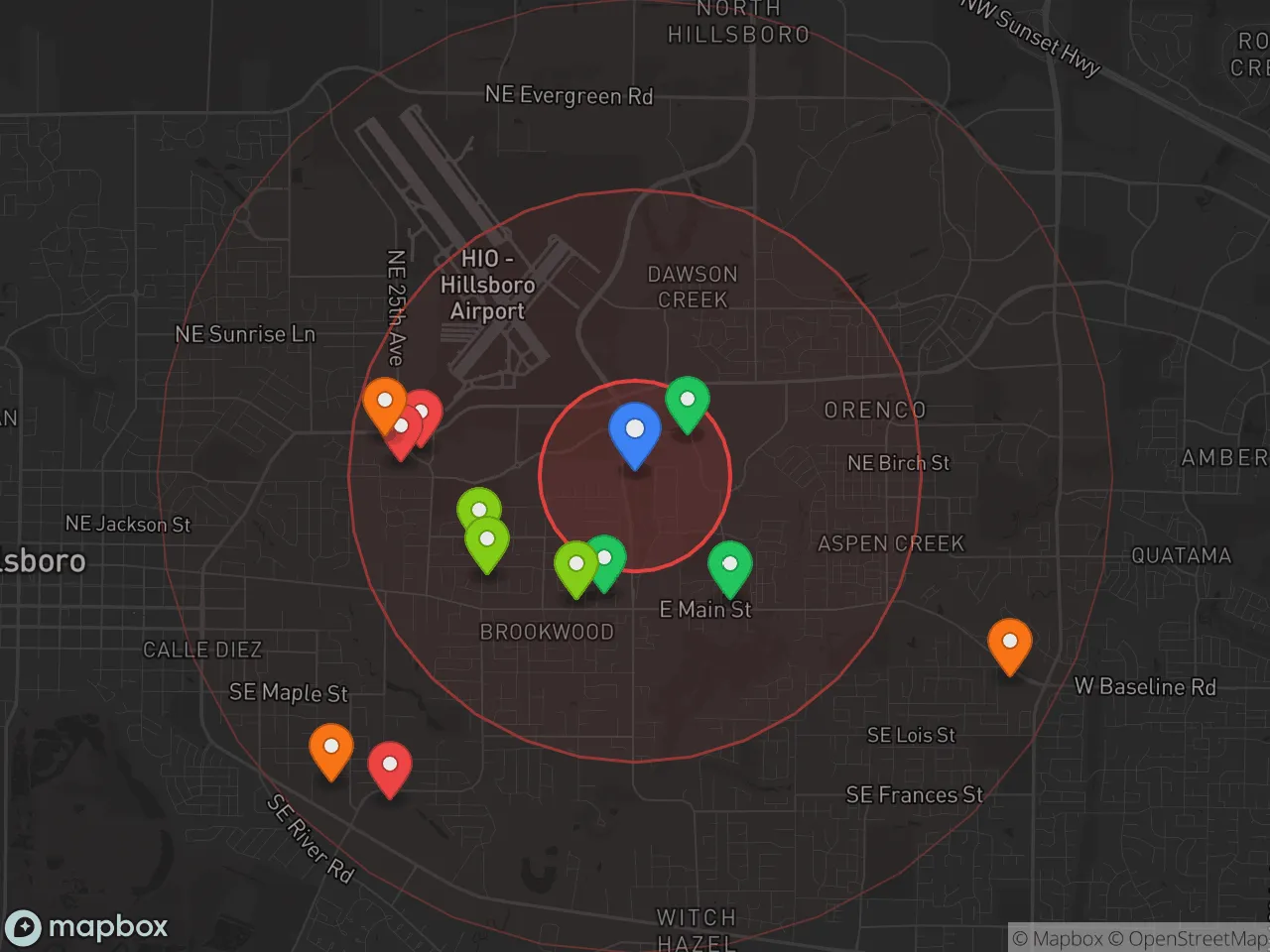
Hobbies
Explore the areaGroceries
8 within 10 miles
Gas
20 within 10 miles
Hospital
20 within 20 miles
Airport
PDX — Portland International
Post Office
USPS — Hillsboro, OR
Critical Amenities
Quality-of-Life Analysis
Hillsboro, Oregon, is an affluent suburban city in Washington County that attracts a mix of tech professionals, families, and long-term residents drawn to its strong job market and high quality of life. With a cost of living index of 166—well above the national average of 100—the city commands premium pricing, yet it remains a more affordable alternative to neighboring Portland, especially for those working in the region's semiconductor and software industries. The population skews educated and upwardly mobile, with a median household income that consistently exceeds state and national medians, reflecting the area's economic vitality.
Cost of living, housing affordability, and how Hillsboro compares to Portland and Beaverton
Housing in Hillsboro is expensive but less punishing than in Portland proper. The median home value stands at $483,400, while the median rent is $1,896 per month—both figures significantly higher than the U.S. averages but roughly 10-15% lower than comparable homes in Portland's inner neighborhoods. For context, a similar-sized home in Portland's Pearl District or Northwest District can easily exceed $600,000, making Hillsboro a relative value for buyers seeking space and newer construction. Renters face a tight market, with vacancy rates hovering around 3-4%, and many units in master-planned communities like Orenco Station or Tanasbourne command premiums for walkability and transit access. The average commute of 22.7 minutes is manageable, aided by MAX Light Rail lines that connect Hillsboro to Beaverton and downtown Portland, though traffic on Highway 26 can add 10-15 minutes during peak hours. Property taxes in Washington County are moderate, around 1.0% of assessed value, and no state sales tax helps offset some of the housing burden for shoppers.
What daily life is like: amenities, schools, and the local rhythm
Daily life in Hillsboro revolves around a blend of suburban convenience and outdoor access. The Hillsboro School District is the fourth-largest in Oregon and includes several highly rated schools, such as Liberty High School and Century High School, both known for strong STEM programs that align with local tech employers like Intel, which operates its largest campus in the city. Parks and recreation are abundant: the 200-acre Jackson Bottom Wetlands Preserve offers birding and trails, while the Hillsboro Stadium hosts community sports events. The city's downtown core, centered around Main Street, has seen revitalization with breweries, farm-to-table restaurants, and the Venetian Theatre, though it lacks the nightlife density of Portland. For shopping, the Streets of Tanasbourne and the Shute Park area provide big-box retailers and dining chains. The rhythm is family-oriented and car-dependent, though bike lanes and the MAX system offer alternatives for commuters. Healthcare access is solid, with the Kaiser Permanente Westside Medical Center and Providence St. Vincent Medical Center nearby.
Hillsboro is best suited for professionals and families who prioritize job proximity, good schools, and newer housing over urban intensity. Tech workers at Intel, Nike (in nearby Beaverton), or Genentech will find the commute and housing costs reasonable relative to salary, while retirees may prefer quieter, lower-cost suburbs like Forest Grove. Those seeking a vibrant nightlife or dense walkable neighborhoods may find Hillsboro too subdued, but for anyone wanting a stable, amenity-rich suburb with strong economic fundamentals, it is a compelling choice in the Portland metro area.

Crime in Hillsboro, OR
Crime rates similar to the national median for U.S. locations.
Violent CrimeViolent Crime Analysis
Property CrimeProperty Crime Analysis
Crime Analysis
Hillsboro, Oregon, reports a violent crime rate of 282.5 incidents per 100,000 residents and a property crime rate of 1,966.4 per 100,000, placing it in a concerning middle ground compared to national averages. While not the most dangerous city in the Portland metro area, the overall safety picture is shaped by the region's progressive criminal justice policies, which prioritize rehabilitation and diversion over incarceration. For prospective residents, this means a higher likelihood of encountering repeat offenders and property crimes that go unprosecuted, a trade-off of living in a liberal-leaning metropolitan area.
Crime in context
Hillsboro's violent crime rate of 282.5 per 100,000 is roughly 20% below the national average of 369.8 per 100,000, but its property crime rate of 1,966.4 per 100,000 is about 30% above the national average of 1,508 per 100,000. This pattern is typical for cities within the Portland metro area, where property crimes like theft and vehicle break-ins are elevated. The disparity is directly linked to local and county-level policies: Multnomah and Washington County district attorneys have adopted progressive charging guidelines, including declining to prosecute many low-level property crimes and drug offenses. This approach, while intended to reduce incarceration, has resulted in higher recidivism rates for property offenders and a perception among residents that the justice system offers little deterrent effect.
What residents experience
Daily life in Hillsboro involves a heightened awareness of property crime. Residents commonly report package thefts from porches, bicycle thefts, and break-ins of unlocked vehicles, particularly in neighborhoods near MAX light rail stations and commercial corridors like Cornell Road and TV Highway. Violent crime is less common but not absent: incidents of assault and robbery cluster in areas with higher foot traffic, such as the downtown core and the Tanasbourne retail district. The progressive judicial environment means that even when arrests are made, offenders often receive short sentences or are diverted to treatment programs, leading to a rapid return to the streets. This cycle frustrates victims and undermines public confidence in the system's ability to deliver justice.
Neighborhood-level variation is significant. The Orenco Station and AmberGlen areas, with newer housing and higher property values, report lower violent crime but still face property crime issues. Older neighborhoods near downtown Hillsboro and the southeast industrial zone see higher rates of both. Gated communities and apartment complexes with secure parking tend to have fewer incidents, while areas with easy access to public transit and major roads experience more opportunistic crime. For families and professionals, choosing a home in a quieter, less transit-adjacent neighborhood can reduce risk, but the overarching policy environment means that property crime remains a persistent concern across the city.
* Values derived from national, state, county, city and local statistics and may differ in a specific area. Last updated: 2026-04-24T19:58:36.000Z
Narrative content on this page is AI-generated and may contain mistakes. Verify any details that matter before acting on them.
ReloMaps may earn a commission from affiliate links at no extra cost to you.

