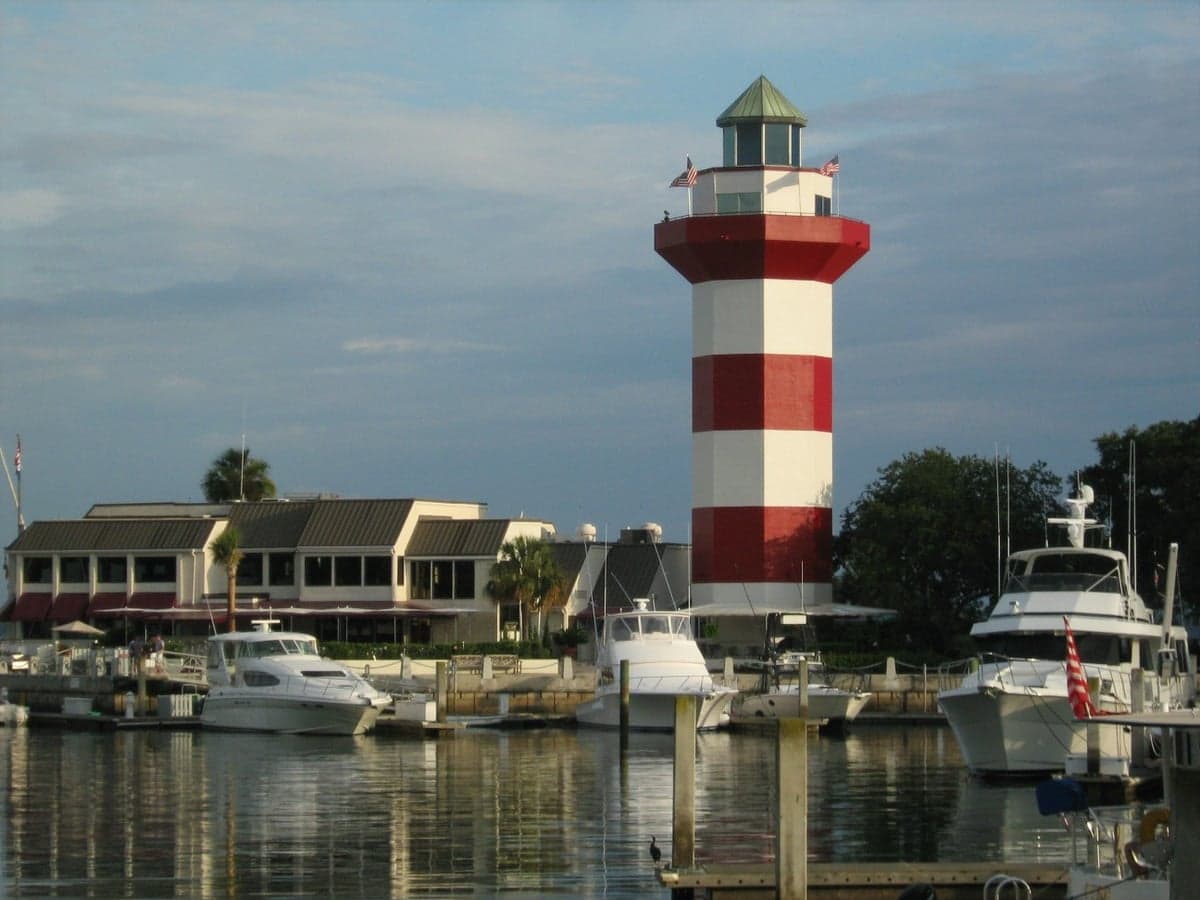
Photo: Wikipedia
Quality of Life in Hilton Head Island, SC
A high quality of life with strong walkability, manageable living costs, healthy neighborhood signals, and solid amenity access.
What does Quality of Life tell us?
Quality of Life blends cost of living, nearby amenities, socioeconomic signals, and neighborhood character. City-level scores represent the whole municipality; individual neighborhoods can differ.
What does this tell us?
Quality of Life blends cost of living, nearby amenities, socioeconomic signals, and neighborhood character. City-level scores represent the whole municipality; individual neighborhoods can differ.
Cost of Living
71% above national average
The Real Cost of Living in Hilton Head Island, SC for 2026
| Tier | Individual | Family (4) |
|---|---|---|
| Survival | $24k | $46k |
| Comfortable | $127k | $186k |
| Luxury | $175k+ | $271k+ |
| Elite (Top 5%) | $274k+ | $425k+ |
52%
The Area Signal
A metric tracking the socioeconomic signals of the area.
Hobbies
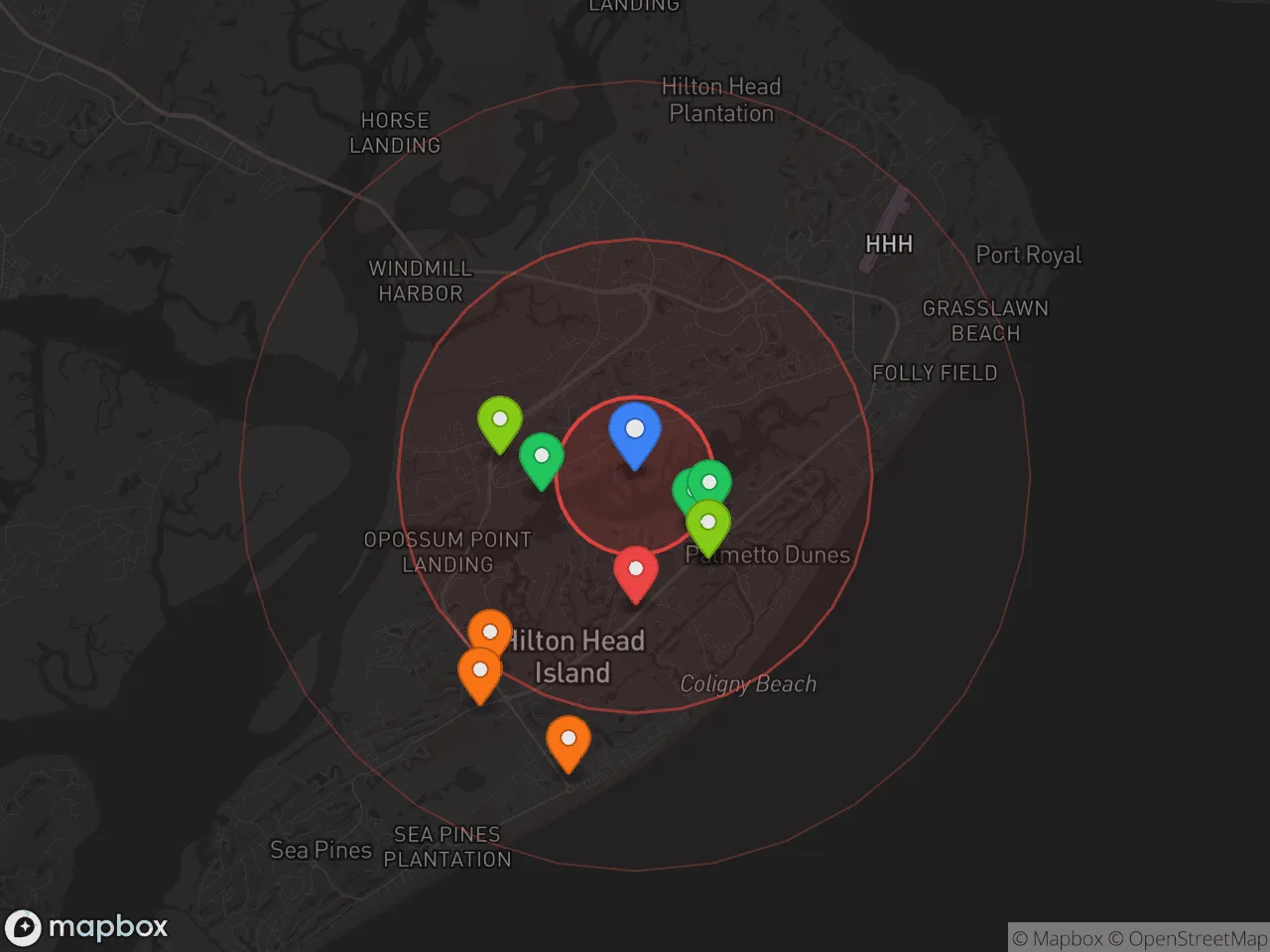
Explore the areaGroceries
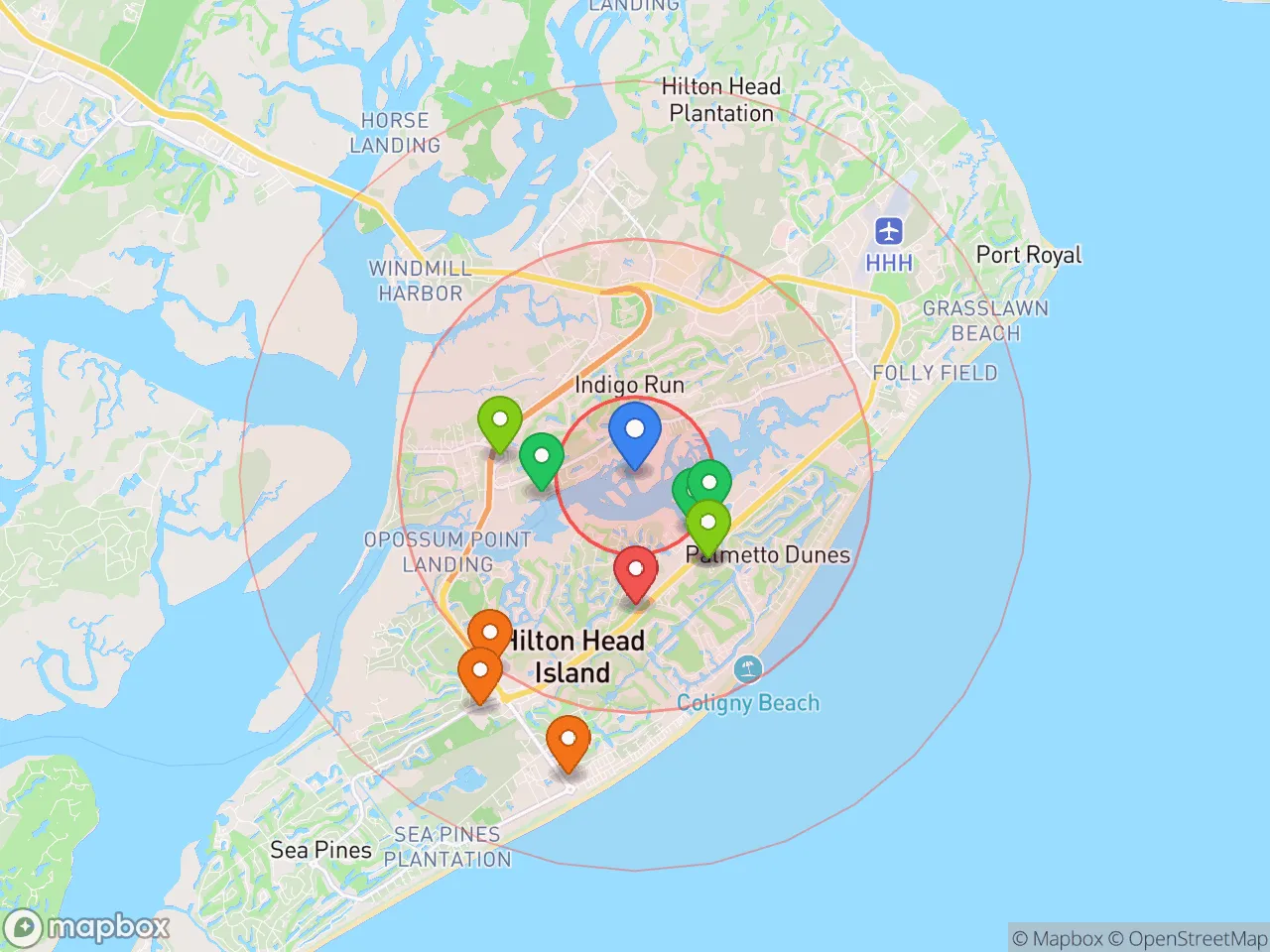
8 within 10 miles
Gas
19 within 10 miles
Hospital
3 within 20 miles
Airport
CLT — Charlotte Douglas International
Post Office
USPS — Hilton Head Island, SC
Critical Amenities
Quality-of-Life Analysis
Hilton Head Island is one of the most affluent communities in the Southeast, with a cost of living index of 171—71% above the national average—driven primarily by high-end real estate and a seasonal tourism economy. The permanent population of roughly 40,000 skews older and wealthier than the national median, with a large share of retirees, second-home owners, and professionals in hospitality, real estate, and healthcare. The island’s famously restrictive land-use ordinances and gated plantation communities create a manicured, low-density environment that appeals strongly to those seeking a quiet, upscale coastal lifestyle.
Cost of living, housing prices, and affordability compared to Bluffton and Savannah
The median home value on Hilton Head sits at $652,100, more than double the national median and roughly 40% higher than in neighboring Bluffton, where comparable homes often run $400,000–$500,000. Rents are more moderate: the median rent of $1,518 is only about 10% above the national figure, reflecting a mix of older apartment complexes and seasonal rental inventory. For buyers, the entry point for a single-family home in a non-gated area starts around $450,000, while oceanfront or golf-course lots in Sea Pines or Palmetto Dunes routinely exceed $1 million. Property taxes are relatively low—South Carolina’s effective rate is about 0.57%—but homeowners’ association fees in plantation communities can add $2,000–$6,000 annually. Compared to Savannah, 40 minutes north, Hilton Head is roughly 50% more expensive for housing, though Savannah offers a wider range of historic and urban housing stock. The island’s average commute of just 18.4 minutes is well below the national average of 26 minutes, a direct result of most residents working locally or remotely.
What daily life is like for families, retirees, and outdoor enthusiasts
Daily life on Hilton Head revolves around outdoor recreation, with 60+ miles of paved pathways, 12 miles of public beach, and 24 golf courses shaping the rhythm of the year. The Beaufort County School District operates five public schools on the island, including Hilton Head Island High School, which has a 92% graduation rate and offers International Baccalaureate and Advanced Placement tracks. Private options include Hilton Head Preparatory School and St. Francis Catholic School. For families, the island’s low crime rate—violent crime is roughly 60% below the national average—and extensive youth sports leagues (soccer, tennis, sailing) are major draws. Retirees benefit from a dense network of medical services, including Hilton Head Hospital and dozens of specialist clinics, plus a year-round calendar of cultural events at the Arts Center of Coastal Carolina and the Self Family Arts Center. The island’s strict development rules mean no chain stores along the main corridors; instead, shopping is concentrated in a few low-rise centers like Coligny Plaza and Shelter Cove Towne Centre. Seasonal crowds from March through October can double the island’s population, creating traffic on William Hilton Parkway and longer waits at popular restaurants, but the pace slows dramatically from November to February.
Hilton Head Island is best suited for affluent retirees, remote professionals, and families who prioritize safety, outdoor access, and a quiet, well-maintained environment over urban energy or cultural diversity. The high cost of housing and limited rental inventory make it difficult for younger workers or service-industry employees to live on the island, though many commute from more affordable Bluffton or Hardeeville. For those who can afford the premium, the trade-off is a consistently high quality of life defined by clean air, low noise, and a strong sense of community within the plantation neighborhoods.

Crime in Hilton Head Island, SC
Crime rates similar to the national median for U.S. locations.
Violent CrimeViolent Crime Analysis
Property CrimeProperty Crime Analysis
Crime Analysis
Hilton Head Island, South Carolina, presents a complex safety profile where property crime rates significantly exceed national averages, while violent crime remains somewhat elevated but less pronounced. The island's overall crime rate of 1,632.5 property crimes and 370.4 violent crimes per 100,000 residents places it in a higher-risk category compared to many other resort communities in the Southeast. Visitors and potential residents should weigh these statistics carefully, particularly given the area's proximity to larger metropolitan influences that can shape local crime patterns.
Crime in context
Hilton Head Island's violent crime rate of 370.4 per 100,000 is roughly 5% higher than the national average of about 352 per 100,000, but notably lower than South Carolina's statewide violent crime rate of approximately 490 per 100,000. Property crime on the island, however, is a more significant concern: at 1,632.5 per 100,000, it is nearly 20% higher than the national property crime rate of roughly 1,354 per 100,000. This disparity is partly attributable to the island's status as a major tourist destination, which swells the transient population and creates more opportunities for theft, burglary, and vehicle break-ins. The Beaufort County judicial system, which includes Hilton Head, operates within a state that has seen mixed results in prosecutorial approaches; while South Carolina is not typically categorized as having progressive district attorneys on the scale of some large metro areas, the broader trend toward leniency in some jurisdictions can contribute to recidivism and public safety concerns.
What residents experience
For those living on Hilton Head Island year-round, the most common crime experiences involve property offenses—particularly theft from vehicles and burglaries of vacation rentals. The island's gated communities and private residential enclaves generally report lower incident rates than the more commercialized areas near Coligny Circle and the main thoroughfares. Violent crimes, while less frequent, do occur and are often concentrated in specific pockets rather than spread uniformly across the island. The presence of a dedicated Beaufort County Sheriff's Office substation on the island, along with the Hilton Head Island Police Department, provides a visible law enforcement presence, though response times can vary during peak tourist seasons when call volumes spike.
Neighborhood-level variation is notable on Hilton Head Island. Areas like Sea Pines and Palmetto Dunes, with their private security patrols and controlled access, tend to have significantly lower crime rates than the island average. Conversely, the more densely populated mid-island corridor along William Hilton Parkway, particularly near the Crossings and Shelter Cove, sees higher concentrations of both property and violent incidents. The island's reliance on seasonal tourism means that crime rates spike during summer months and major holidays, when the population can more than triple. For prospective residents, choosing a neighborhood with active homeowners' associations and private security can substantially mitigate personal risk, though no area is entirely immune from the broader regional crime trends influenced by nearby metropolitan areas like Savannah and Charleston.
* Values derived from national, state, county, city and local statistics and may differ in a specific area. Last updated: 2026-04-30T01:13:18.000Z
Narrative content on this page is AI-generated and may contain mistakes. Verify any details that matter before acting on them.
ReloMaps may earn a commission from affiliate links at no extra cost to you.

