
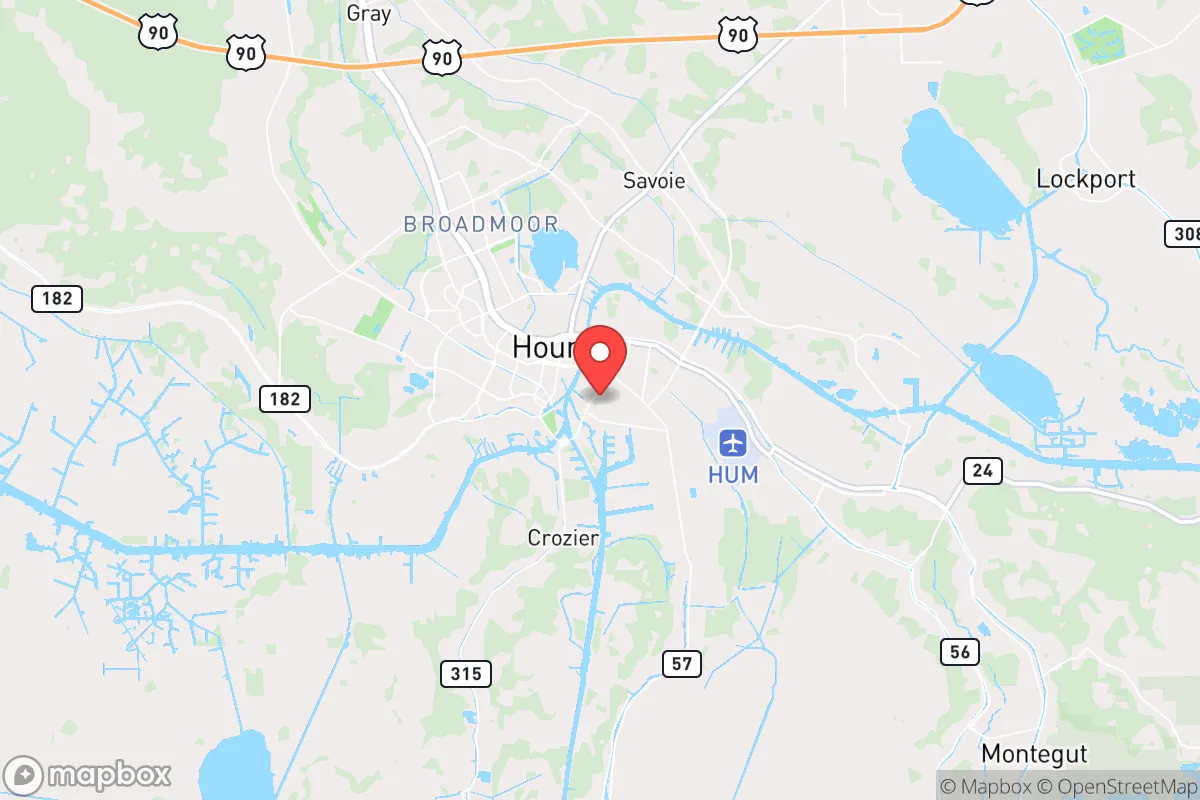
Photo by Joshua J. Cotten on Unsplash
Quality of Life in Houma, LA
Above-average quality of iife. The area offers a reasonable cost of living, decent mobility, and a mix of neighborhood amenities.
What does Quality of Life tell us?
Quality of Life blends cost of living, nearby amenities, socioeconomic signals, and neighborhood character. City-level scores represent the whole municipality; individual neighborhoods can differ.
What does this tell us?
Quality of Life blends cost of living, nearby amenities, socioeconomic signals, and neighborhood character. City-level scores represent the whole municipality; individual neighborhoods can differ.
Cost of Living
18% below national average
The Real Cost of Living in Houma, LA for 2026
| Tier | Individual | Family (4) |
|---|---|---|
| Survival | $16k | $30k |
| Comfortable | $40k | $59k |
| Luxury | $99k+ | $153k+ |
| Elite (Top 5%) | $150k+ | $233k+ |
92%
The Area Signal
A metric tracking the socioeconomic signals of the area.
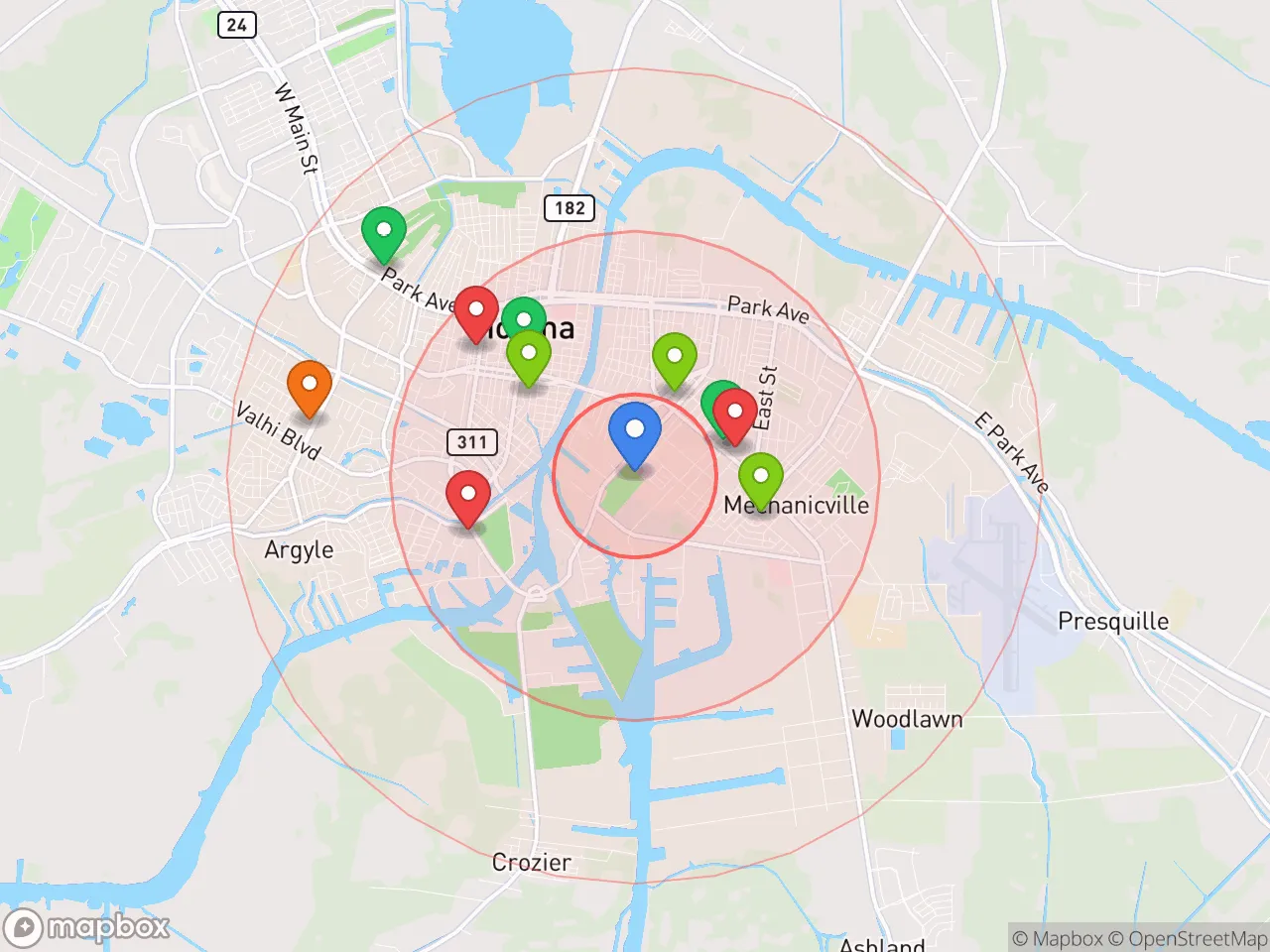
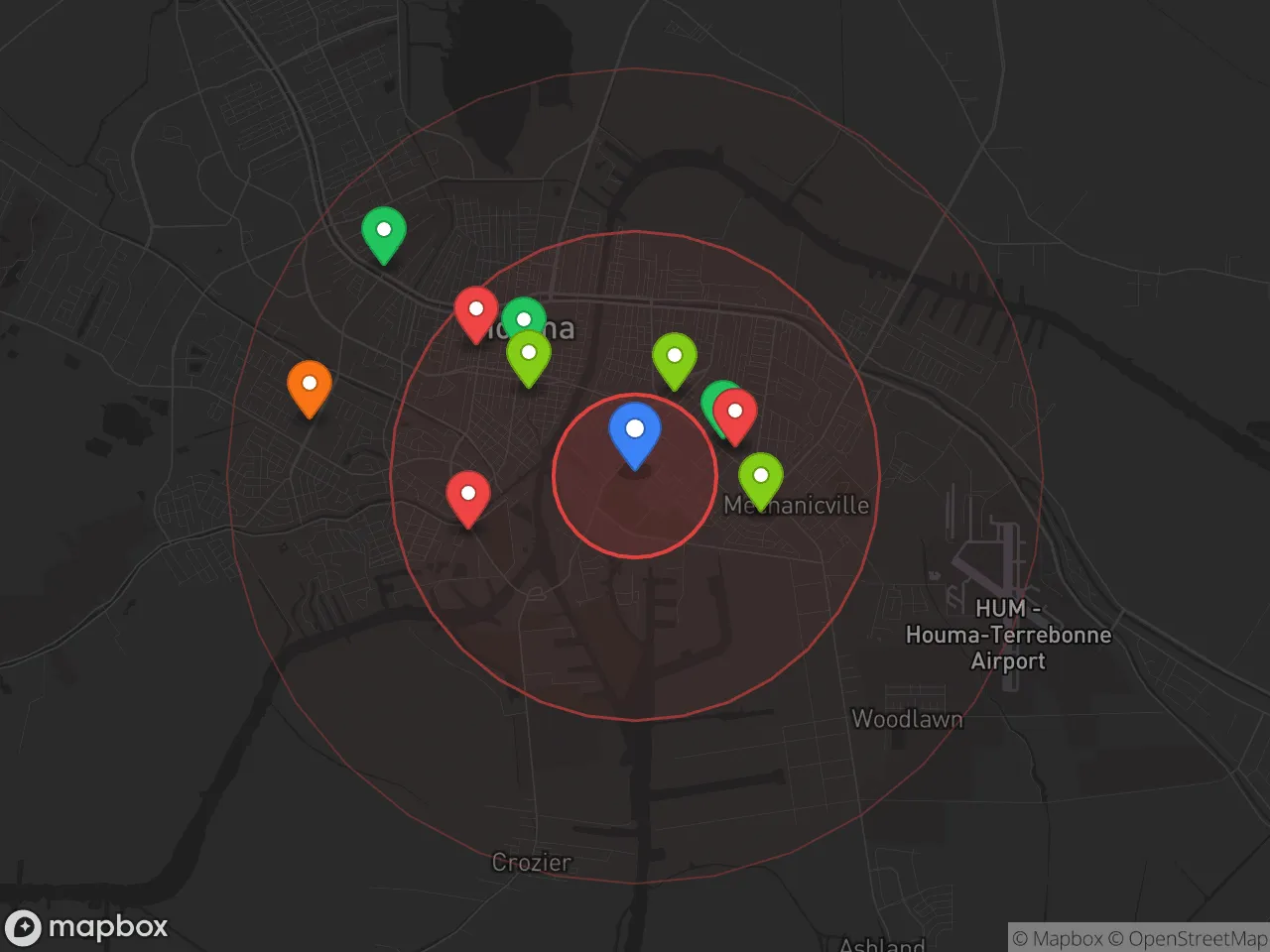
Hobbies
Explore the areaGroceries
4 within 10 miles
Gas
14 within 10 miles
Hospital
7 within 20 miles
Airport
IAH — George Bush Intercontinental
Post Office
USPS — Houma, LA
Critical Amenities
Quality-of-Life Analysis
Houma, Louisiana, offers a cost of living significantly below the national average, making it an attractive option for families, tradespeople, and professionals seeking economic breathing room without sacrificing access to Gulf Coast culture. With a cost of living index of 82 (where 100 equals the U.S. average), the area draws a predominantly working- and middle-class population, many employed in the region’s dominant oil-and-gas, healthcare, and maritime industries. The community is characterized by strong Cajun and Creole heritage, a slower pace of life, and a practical, no-frills approach to daily living that appeals to those who prioritize affordability and community ties over urban amenities.
How housing costs and everyday expenses compare to nearby cities
Housing in Houma is a standout value compared to both the national median and larger Louisiana metros like New Orleans or Baton Rouge. The median home value sits at $207,900, roughly 30% below the national median, while the median rent of $1,011 is similarly affordable. This combination allows many households to achieve homeownership or save a larger share of income than in pricier regions. The average commute time of just under 20 minutes is notably shorter than the national average of about 27 minutes, reducing transportation costs and freeing up time for family or recreation. Compared to nearby Thibodaux or Morgan City, Houma offers a wider selection of retail and healthcare options while maintaining similar or slightly lower housing prices. Property taxes in Terrebonne Parish are moderate, and Louisiana’s relatively low state income tax further stretches household budgets.
What daily life is like for families: schools, amenities, and recreation
Daily life in Houma centers on a mix of local chains, independent restaurants serving Cajun and seafood staples, and outdoor recreation along the bayous and Gulf. The Terrebonne Parish School District operates over 30 schools, with several elementary and middle schools earning above-average ratings from state assessments; Vandebilt Catholic High School and Terrebonne High School are notable local options. Healthcare access is solid, with Terrebonne General Medical Center providing a full-service hospital and specialty clinics. For shopping and dining, the Southland Mall area and Martin Luther King Boulevard corridor host major retailers and local eateries. Outdoor enthusiasts frequent Mandalay National Wildlife Refuge and the nearby Grand Isle beaches (about 45 minutes south) for fishing, boating, and birding. The cultural calendar is punctuated by events like the Houma Air Show and the Rougarou Fest, which celebrate local music, food, and folklore. While nightlife is limited compared to New Orleans (about an hour’s drive), the trade-off is a quieter, family-oriented environment with lower stress and less congestion.
Houma is best suited for those who value affordability, a tight-knit community, and proximity to nature over urban excitement. It works well for young families seeking a starter home, retirees on fixed incomes, and workers in energy, healthcare, or maritime trades who want a short commute and lower living costs. Those who thrive here tend to embrace the region’s outdoor lifestyle, tolerate humid summers, and appreciate a slower, neighborly pace. For newcomers willing to adapt to the local culture and occasional hurricane-season disruptions, Houma offers a stable, low-cost base with genuine Gulf Coast character.

Crime in Houma, LA
Higher crime rates than 61% of comparable U.S. locations.
Violent CrimeViolent Crime Analysis
Property CrimeProperty Crime Analysis
Crime Analysis
Houma, Louisiana, reports a violent crime rate of 489.3 incidents per 100,000 residents and a property crime rate of 2,744 per 100,000, placing it above both state and national averages for public safety risk. These figures indicate that residents face a heightened likelihood of encountering crime compared to the typical U.S. city, a concern amplified by the broader criminal justice environment in Terrebonne Parish. The data reflects a community where proactive safety measures and neighborhood awareness are essential for daily life.
Crime in context
Houma’s violent crime rate of 489.3 per 100,000 is roughly 40% higher than the national average of approximately 370 per 100,000 and also exceeds Louisiana’s elevated state rate of about 540 per 100,000. Property crime in Houma, at 2,744 per 100,000, is nearly double the national average of roughly 1,950 per 100,000. These numbers place Houma in a tier of smaller metro-area cities where crime is a persistent issue, often linked to socioeconomic factors and the effectiveness of local law enforcement and judicial policies. The presence of progressive-leaning district attorneys and judges in the broader region, who may prioritize rehabilitation over incarceration, can contribute to higher recidivism and a perception that offenders face insufficient consequences, thereby undermining public safety.
What residents experience
For those living in Houma, the high property crime rate translates into a tangible risk of burglary, theft, and vehicle break-ins, particularly in areas with lower foot traffic or less lighting. Violent crime, while less frequent, includes aggravated assault and robbery, which can occur in both residential and commercial zones. Residents often report that car break-ins and package thefts are common nuisances, especially near shopping centers like the Southland Mall or along busy corridors like Martin Luther King Boulevard. The local police department has implemented community policing initiatives, but the sheer volume of property crime can strain response times. The broader judicial climate, where progressive policies may lead to shorter sentences or diversion programs for repeat offenders, can leave residents feeling that the system does not adequately prioritize their safety.
Neighborhood-level variation
Safety in Houma varies noticeably by neighborhood. Areas like the historic downtown district and newer subdivisions near Grand Caillou Road tend to have lower crime rates, while neighborhoods east of the bayou, such as Mechanicville and parts of the Broadmoor area, report higher incident densities. The Mulberry and Bayou Black communities are generally considered safer, with more active neighborhood watch programs. Prospective residents should consult local crime maps and speak with current residents about specific blocks, as the difference between a quiet street and a high-risk corridor can be stark. Overall, Houma requires a cautious approach to personal security, with an emphasis on home security systems and situational awareness, particularly given the regional justice system’s tendency toward leniency.
* Values derived from national, state, county, city and local statistics and may differ in a specific area. Last updated: 2026-05-01T09:22:37.000Z
Narrative content on this page is AI-generated and may contain mistakes. Verify any details that matter before acting on them.
ReloMaps may earn a commission from affiliate links at no extra cost to you.

