Photo: Wikipedia
Find The Best Places To Live
in Morgan City
PRO TIP! You can paste a Zillow or Redfin link to get info on that property.
What It's Like Living in Morgan City, LA
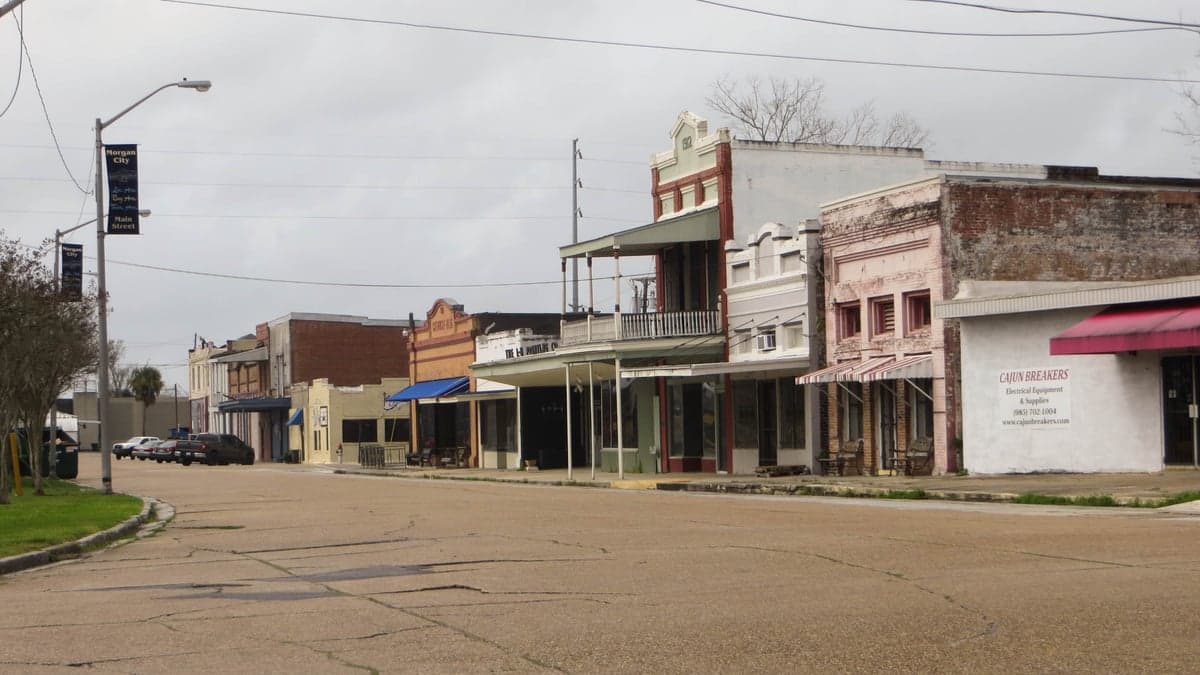
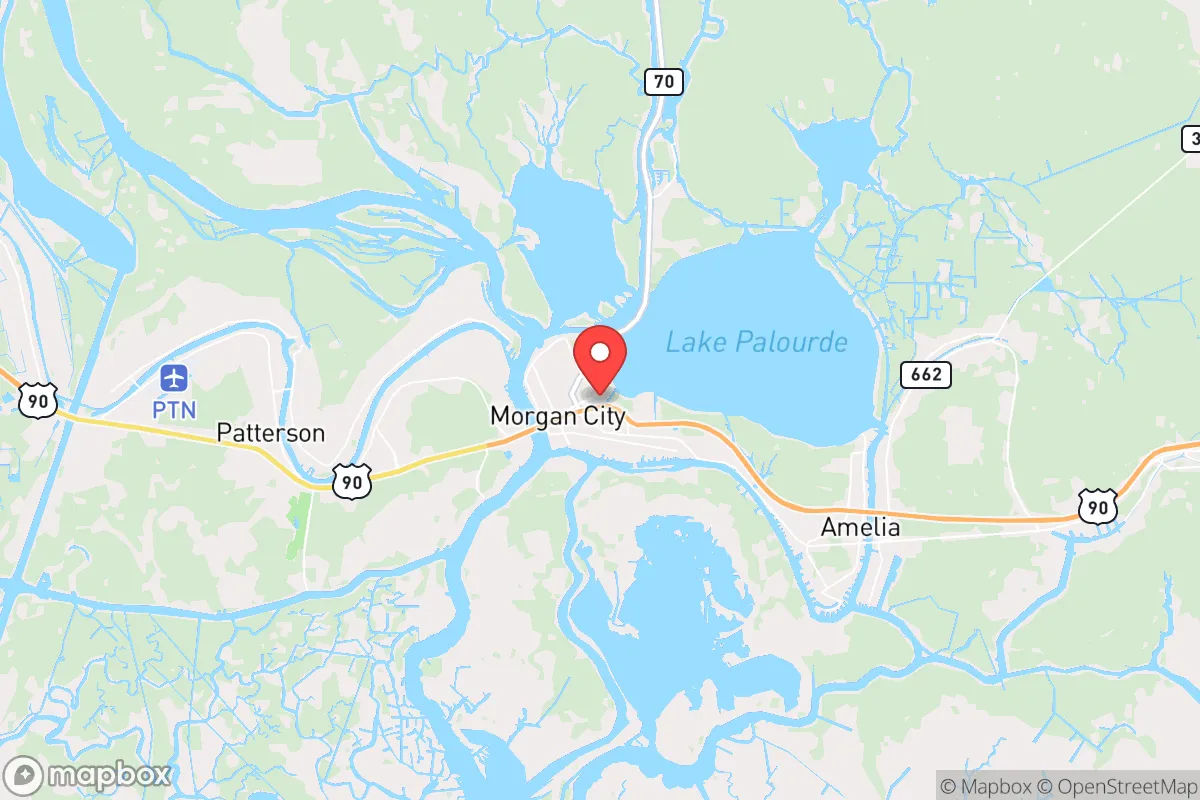
Morgan City sits right where the Atchafalaya River meets the Gulf Intracoastal Waterway, and that watery pulse sets the whole town’s rhythm. It’s a working bayou community where the air smells like salt marsh and crawfish boil, where Friday night lights mean something real, and where the biggest event of the year involves blessing an entire fleet of shrimp boats. With about 11,200 residents, it’s small enough that you’ll recognize the truck in front of you at the Piggly Wiggly, but big enough to have its own hospital, a solid school system, and a surprising number of places to grab a cold beer after work.
Daily Rhythm on the Bayou
Most folks here work in oil-and-gas support, commercial fishing, or the marine industry—the port and shipyards are the economic backbone. The median household income sits around $56,700, and with a cost-of-living index of 65 (well below the national average of 100), that money goes a long way. A median home value of $146,100 means a family can buy a three-bedroom with a yard for what a studio apartment costs in Baton Rouge. The average commute is about 26 minutes, which feels about right: long enough to listen to a podcast, short enough that you’re not eating supper at 8 p.m.
Weekends revolve around the water. People fish, crab, and shrimp from private boats or the public piers at Lake Palourde. On a Saturday morning, you’ll see families loading coolers at the Rouses Market on Highway 182, then heading to the Atchafalaya Basin for a day of casting lines. When the weather turns cold, the action moves indoors to places like Bubba’s Po-Boys for fried shrimp po-boys or Dixie Diner for a plate of crawfish étouffée that’ll make you forget you ever ate at a chain restaurant.
Sports, Festivals, and the Things That Bring People Together
High school football is the closest thing Morgan City has to a civic religion. The Morgan City Tigers (and the nearby Central Catholic Eagles) pack stands on Friday nights from August through November, and if you don’t have a kid playing, you still go because that’s where everybody is. There’s no pro team within two hours, so the local games carry real weight—people plan their weekends around them.
The cultural highlight is the Louisiana Shrimp & Petroleum Festival, held every Labor Day weekend since 1936. It’s part carnival, part seafood cook-off, part boat parade, and part industry celebration. You’ll see shrimp trawlers decorated like Mardi Gras floats, hear zydeco bands playing from flatbed trailers, and eat boiled shrimp by the pound. It’s the kind of event that makes you understand why people stay here—it’s unpretentious, family-friendly, and deeply tied to the place’s identity.
For outdoor recreation, Lake End Park offers a beach, walking trails, and a campground right on the lake. The Atchafalaba National Wildlife Refuge is a 15-minute drive and gives you alligator sightings, birdwatching, and kayak launches into one of America’s great swamps. Hunting is huge here—deer, duck, and wild hog—and many residents own a piece of hunting lease land within 30 minutes of town.
Who Fits In—and Who Might Struggle
Morgan City works best for people who value practical self-reliance over urban convenience. If you’re handy with a wrench, comfortable on a boat, and don’t mind driving 45 minutes to Houma or an hour to Baton Rouge for a big-box store or a specialist doctor, you’ll do fine. The median age is 41.6, which skews a bit older than the state average—there are plenty of families, but also a solid core of retirees who grew up here and never left. Only about 16% of adults hold a bachelor’s degree, so white-collar professionals may find a thinner social network of peers with similar backgrounds.
Single people without kids might find the dating pool shallow, especially if they’re not connected to the oilfield or fishing communities. The bar scene is limited to a handful of places like Pat’s Bar (a dive with a pool table and live music on weekends) and Bayou L’Ourse (a Cajun dance hall a few miles out). Most social life revolves around church, school events, or family gatherings—not nightclubs or art galleries.
Pros and Cons of Living Here
- Pro: Extremely low cost of living. A family can own a home and have disposable income on a single blue-collar salary.
- Pro: Genuine community feel. Neighbors help neighbors during hurricane season, and the high school football games are genuinely fun.
- Pro: Unmatched access to world-class fishing, hunting, and swamp recreation. You can be on the water in 10 minutes.
- Con: Violent crime rate of 440.5 per 100,000—roughly double the national average. Property crime is the bigger day-to-day concern, but it’s worth locking your truck and keeping an eye on things.
- Con: Limited job diversity. If you’re not in oil, gas, marine, or healthcare, you’ll likely commute or work remotely.
- Con: Hurricane risk is real. Morgan City floods during heavy rain events, and every few years a storm threatens mandatory evacuation. Flood insurance is expensive and often required.
Summers are long, hot, and humid—think 90°F with 80% humidity from May through September. Winters are mild (40s and 50s), with occasional hard freezes that kill the crawfish season. The schools—Morgan City High, Central Catholic, and the elementary campuses—are the social hub for families; if you have kids, you’ll know the teachers by name and see them at the grocery store. That’s the trade-off: less anonymity, but a lot more people who’ll show up when you need them.

Similar towns to Morgan City
* Values derived from national, state, county, city and local statistics and may differ in a specific area. Last updated: 2026-05-01T04:03:57.000Z
Narrative content on this page is AI-generated and may contain mistakes. Verify any details that matter before acting on them.
ReloMaps may earn a commission from affiliate links at no extra cost to you.

