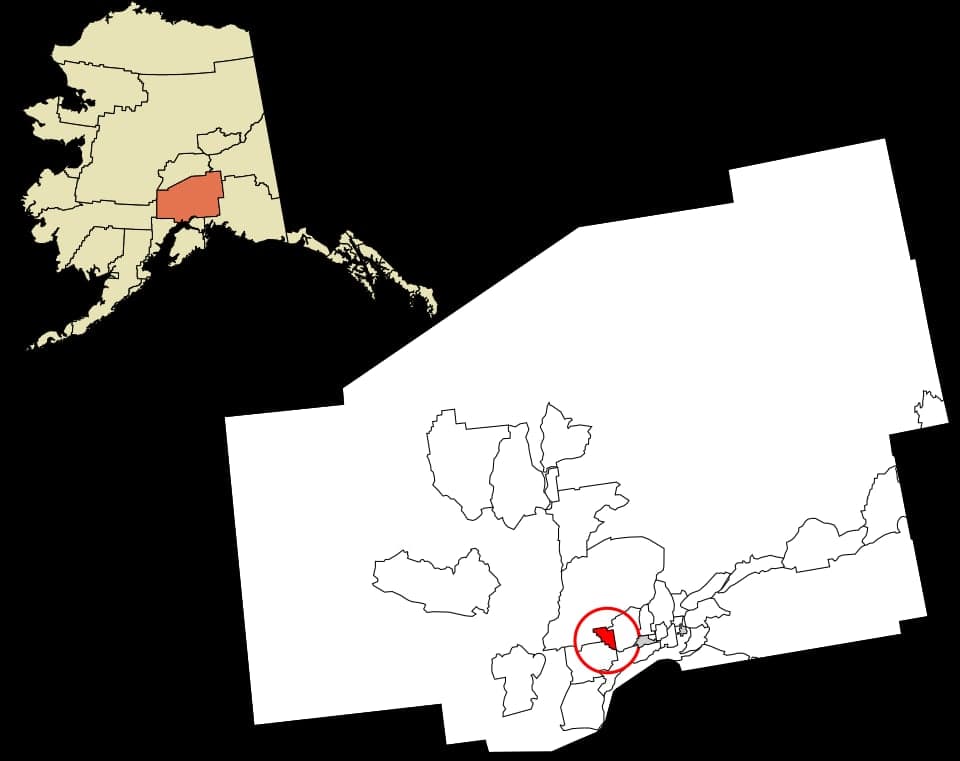
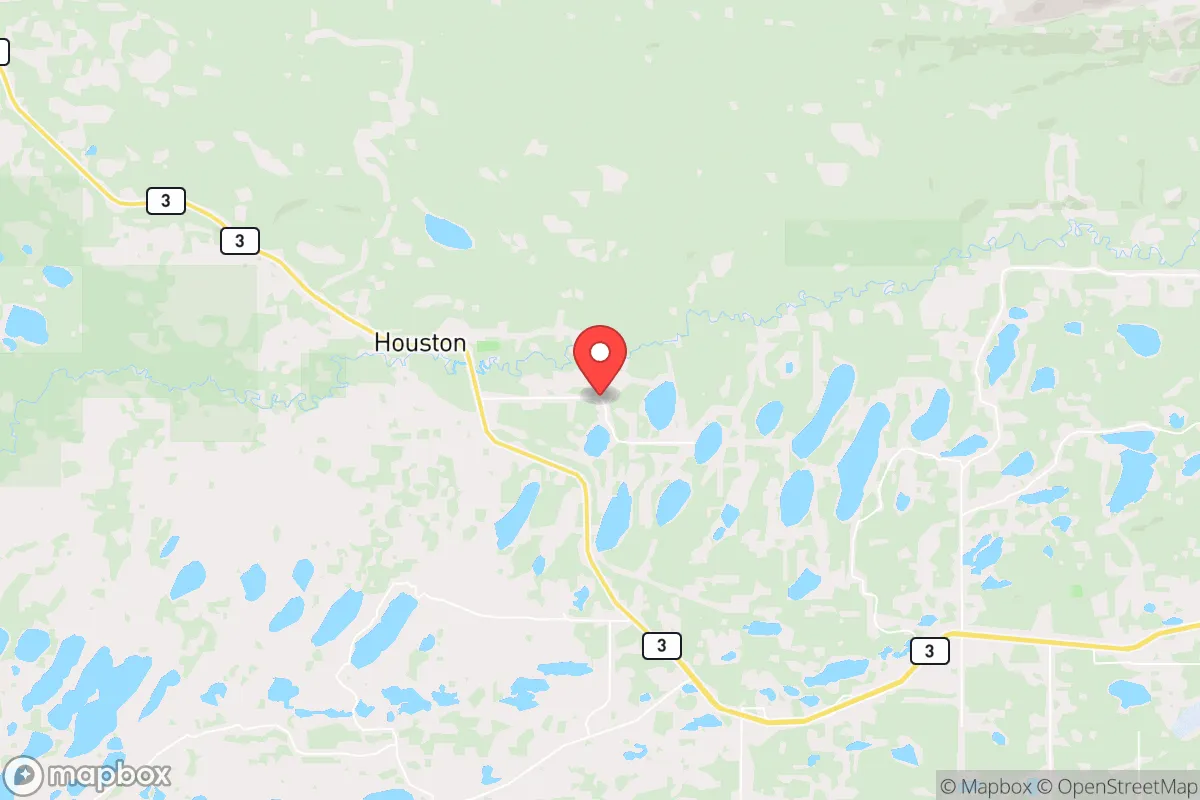
Photo: Wikipedia
Political ClimatePolitical Climate in Houston, AK
District shown is the primary district for this city’s centroid. Cities may span multiple districts.
Inherited from parent state — no local data available.
Local Political AnalysisPolitical Analysis of Houston, AK
Houston, Alaska, leans solidly conservative, with a Cook PVI of R+6 that reflects a deep-rooted preference for limited government and personal responsibility. This isn't a recent shift; it's been the backbone of the community for decades, shaped by a self-reliant, frontier mindset that values individual freedoms over bureaucratic control. While the rest of the state has seen some political drift, Houston has largely held the line, though you can feel the pressure from the Anchorage and Wasilla corridors creeping in.
How it compares
To understand Houston's politics, you have to look at its neighbors. Anchorage, just 40 miles south, is a blue island in a red state, with a Cook PVI of D+8 and a city council that’s increasingly cozy with progressive social policies and heavy-handed zoning. Wasilla, only 10 miles east, is more conservative but has seen a noticeable uptick in moderate Republicans and even a few Democrats in local races, especially around the Palmer-Wasilla Highway corridor. Houston, by contrast, remains a bastion of old-school conservatism. The local elections here are still dominated by candidates who talk about property rights, low taxes, and keeping the government out of your business. The surrounding Mat-Su Borough is reliably red, but Houston is one of the few places where you can still have a conversation about the Second Amendment without someone bringing up "common-sense" restrictions.
What this means for residents
For folks living here, the political climate translates into a tangible sense of freedom. You’re not constantly looking over your shoulder for new regulations on everything from your wood stove to your backyard shed. The local government is small and generally stays out of the way—property taxes are low, and there’s no city income tax. That said, the pressure is mounting. The state government in Juneau has flirted with carbon taxes and land-use restrictions that would hit rural areas like ours hard. And the school board, while still conservative, has had to fend off attempts to introduce critical race theory and gender ideology into the curriculum. So far, the community has pushed back hard, but it’s a constant battle. The long-term trend is concerning: if the Anchorage-style progressive agenda keeps spreading north, we could see more government overreach into our daily lives, from how we heat our homes to what our kids are taught.
Culturally, Houston is still a place where people wave at each other on the road and leave their doors unlocked. The big policy distinction is the fierce protection of property rights—you can build what you want on your land, within reason, without a dozen permits. The local gun culture is strong, with shooting ranges and hunting clubs being community hubs. But there’s a quiet worry that the next decade could bring a wave of newcomers from the Lower 48 who don’t share those values. If that happens, the R+6 lean might start to soften, and with it, the very character of the town. For now, though, Houston remains a place where personal freedom isn’t just a talking point—it’s the way of life.

State Political ClimatePolitical Climate in Alaska
State Political AnalysisPolitical Environment in the State
Alaska has long been a politically unique state, leaning Republican in presidential elections but with a strong independent streak that makes it less predictable than many red states. Over the past 20 years, the state has shifted from a reliably red stronghold—voting for George W. Bush by 26 points in 2004—to a more competitive battleground, with Donald Trump winning by just 10 points in 2020 and 13 points in 2024. The dominant coalition is a mix of conservative rural voters, libertarian-leaning independents, and a small but vocal progressive bloc concentrated in Anchorage and Juneau. The trajectory is concerning for conservatives: in-migration from blue states and a growing urban-liberal base in Anchorage are slowly eroding the state’s traditional freedom-loving character.
Urban vs. rural divide
The political map of Alaska is starkly divided between its few urban centers and its vast rural expanse. Anchorage, home to roughly 40% of the state’s population, is the key battleground—its more liberal precincts in midtown and downtown, along with the university area, reliably vote Democrat, while the suburban neighborhoods like Eagle River and Chugiak lean conservative. The Matanuska-Susitna Borough, just north of Anchorage, is a red stronghold, with towns like Wasilla and Palmer producing some of the most conservative margins in the state. Juneau, the capital, is a deep blue enclave driven by government workers and environmental activists, while Fairbanks is more mixed, with a strong military and mining presence that keeps it center-right. Rural areas, including the Bush communities of Nome, Bethel, and Utqiaġvik, tend to vote Democrat due to heavy reliance on federal programs, but their turnout is low. The real story is the growing liberal tilt in Anchorage’s core—if that trend continues, the entire state could flip purple within a decade.
Policy environment
Alaska’s policy environment is a mixed bag for conservatives. On the plus side, there is no state income tax or sales tax, and the Permanent Fund Dividend (PFD) gives every resident a direct cash payment annually—a powerful check on government growth. The state has a constitutional spending cap and a balanced budget requirement, though lawmakers have raided the PFD in recent years to cover shortfalls, a betrayal of the original promise. Gun rights are strong: Alaska has constitutional carry, no waiting periods, and no registration requirements, and it was one of the first states to pass a Second Amendment sanctuary law in 2013. However, education policy is a growing concern—the state has no school choice program, and the teachers’ union in Anchorage has pushed progressive curricula, including critical race theory and gender ideology, in the largest district. Election laws are relatively secure: Alaska uses a top-four primary system and ranked-choice voting, which was narrowly upheld by voters in 2024 but remains controversial among conservatives who see it as a tool to dilute conservative votes. Healthcare is dominated by the state’s Medicaid expansion under Obamacare, which has strained the budget, and there is no certificate-of-need law for hospitals, keeping some competition alive.
Trajectory & freedom
Alaska’s trajectory on personal freedom is a tale of two trends. On the positive side, the state has expanded gun rights: in 2023, the legislature passed a law preempting local gun ordinances, preventing cities like Anchorage from enacting their own restrictions. Property rights remain strong, with no statewide zoning and minimal land-use regulations outside of federal lands, which cover 60% of the state. However, the erosion of fiscal freedom is alarming: the PFD has been cut repeatedly since 2016, and the state’s reliance on oil revenue has led to a volatile budget that invites future tax hikes. In 2024, a ballot initiative to repeal ranked-choice voting failed, locking in a system that many conservatives argue suppresses their voice. Medical freedom is under threat—the state’s vaccine mandate for healthcare workers, imposed by the previous administration, was only repealed in 2023, and there is no law protecting medical conscience rights. Parental rights are a flashpoint: in 2024, the Anchorage School District adopted a policy allowing students to change their gender identity without parental notification, sparking a lawsuit and a legislative push for a parental rights bill that has stalled. The bottom line: Alaska is still freer than most states, but the trend lines are moving in the wrong direction, driven by urban progressive activism and a legislature that too often caves to special interests.
Civil unrest & political movements
Alaska has seen relatively little civil unrest compared to the Lower 48, but the political movements are real and growing. The most visible flashpoint is the ongoing battle over the PFD—in 2021, protests erupted in Anchorage and Wasilla when the legislature cut the dividend to fund the budget, with activists on both sides clashing over fiscal priorities. The left is organized through groups like the Alaska Democratic Party and the Alaska Center, which have successfully pushed environmental restrictions on oil drilling and mining, particularly in the Arctic National Wildlife Refuge. On the right, the Alaska Republican Party and grassroots groups like the Alaska Family Council have mobilized around parental rights and election integrity, with the latter leading the charge against ranked-choice voting. Immigration politics are muted—Alaska has a small foreign-born population, and the state has no sanctuary policies, though Anchorage has a “welcoming city” resolution that critics say encourages illegal immigration. Election integrity controversies have been limited, but the 2022 U.S. House race, won by Democrat Mary Peltola under ranked-choice voting, fueled accusations that the system is rigged against conservatives. The most visible movement is the secessionist or “Alaska independence” rhetoric, which flares up whenever the federal government restricts resource development—though it remains fringe, it reflects a deep distrust of Washington that resonates with many residents.
Projection
Over the next 5-10 years, Alaska is likely to become more politically competitive, but not necessarily more conservative. The demographic trends are concerning: Anchorage is growing younger and more diverse, with in-migration from blue states like California and Washington, while rural areas are losing population. The oil industry, which has historically funded the state’s low-tax environment, is in long-term decline, which will force tough choices on taxes and spending—likely leading to a state income tax or sales tax that will further erode freedom. The ranked-choice voting system, if it survives, will continue to favor moderate candidates and weaken the conservative base. However, there are bright spots: the Mat-Su Borough is booming, with conservative families fleeing Anchorage for lower costs and more freedom, and the state’s vast natural resources mean that any future energy crisis could revive the economy and the conservative coalition. The wildcard is the Permanent Fund—if voters force the legislature to restore the full dividend, it could re-energize the libertarian-conservative alliance that once defined Alaska politics. Someone moving in now should expect a state that is still freer than most, but where every election is a fight to keep it that way.
For a new resident, the bottom line is this: Alaska offers unmatched personal freedom in terms of gun rights, low taxes, and wide-open spaces, but those freedoms are under constant assault from urban progressives and a legislature that too often compromises. If you’re looking for a place where your vote still matters and your voice can be heard, the Mat-Su Valley or Fairbanks are your best bets—avoid Anchorage and Juneau if you want to escape the blue-state creep. The state is a battleground, and your presence could tip the balance. Come ready to fight for the Alaska that made this state great.
* Values derived from national, state, county, city and local statistics and may differ in a specific area. Last updated: 2026-04-19T08:23:37.000Z
Narrative content on this page is AI-generated and may contain mistakes. Verify any details that matter before acting on them.
ReloMaps may earn a commission from affiliate links at no extra cost to you.

