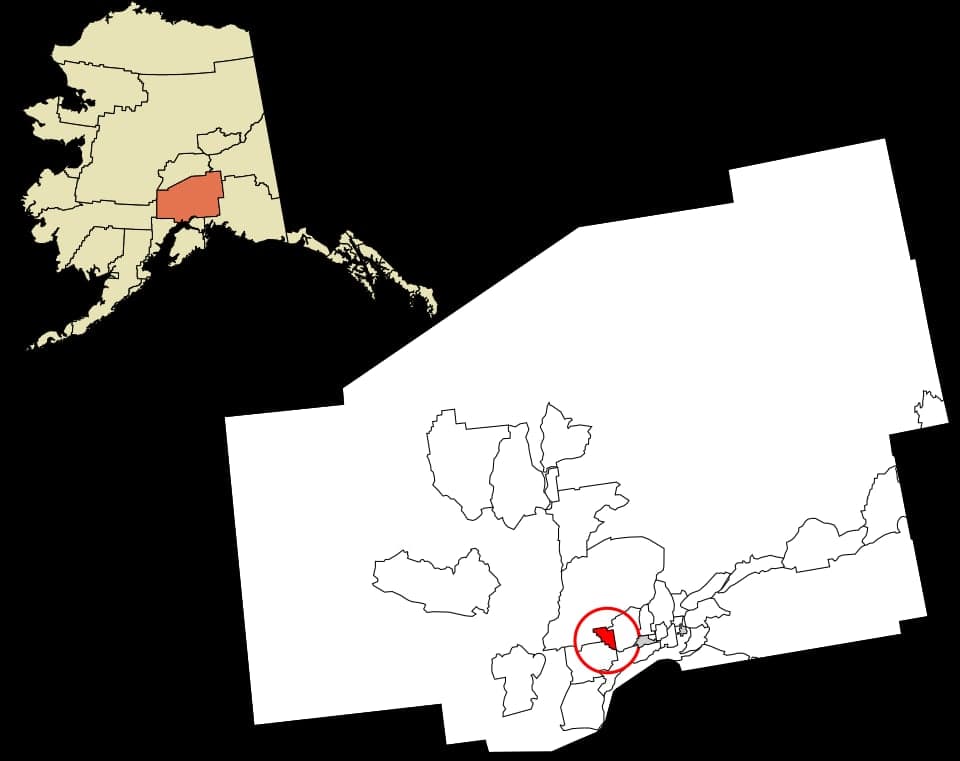
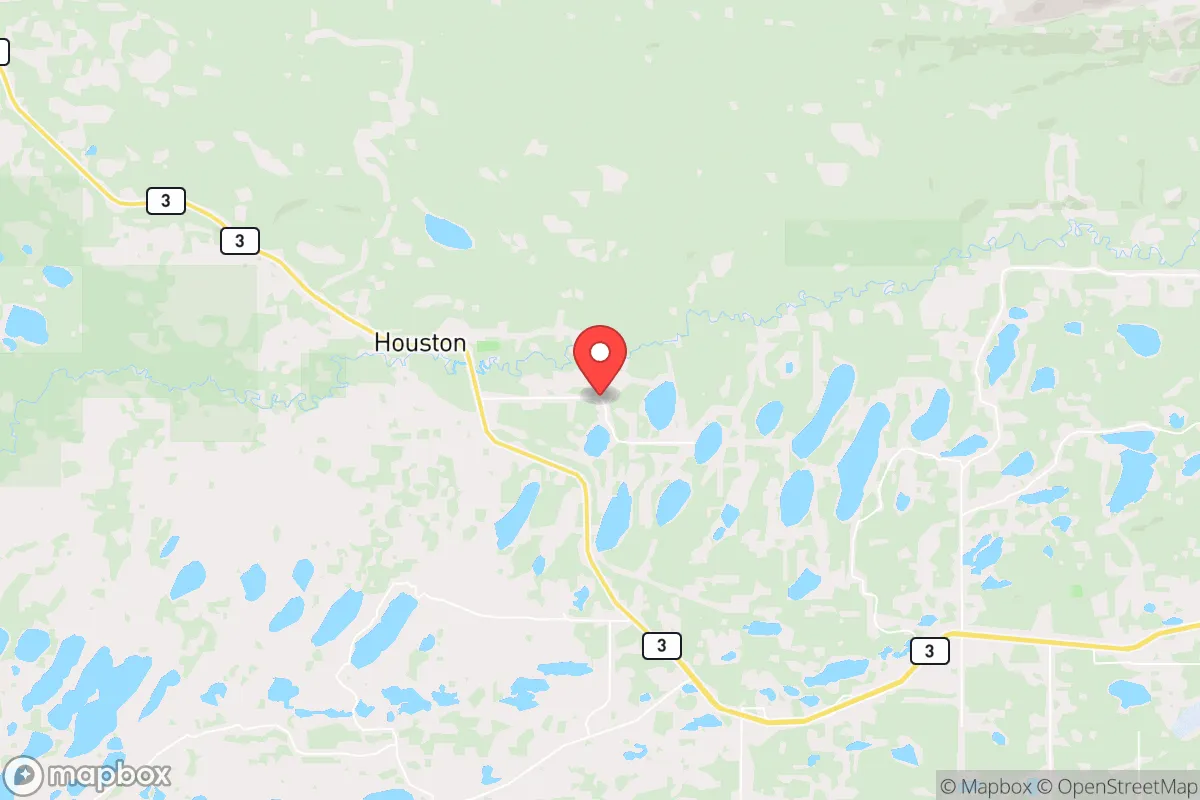
Photo: Wikipedia
Quality of Life in Houston, AK
A high quality of life with strong walkability, manageable living costs, healthy neighborhood signals, and solid amenity access.
What does Quality of Life tell us?
Quality of Life blends cost of living, nearby amenities, socioeconomic signals, and neighborhood character. City-level scores represent the whole municipality; individual neighborhoods can differ.
What does this tell us?
Quality of Life blends cost of living, nearby amenities, socioeconomic signals, and neighborhood character. City-level scores represent the whole municipality; individual neighborhoods can differ.
Cost of Living
24% below national average
The Real Cost of Living in Houston, AK for 2026
| Tier | Individual | Family (4) |
|---|---|---|
| Survival | $13k | $25k |
| Comfortable | $46k | $67k |
| Luxury | $110k+ | $170k+ |
| Elite (Top 5%) | $154k+ | $238k+ |
90%
The Area Signal
A metric tracking the socioeconomic signals of the area.


Hobbies
Explore the areaGroceries
0 within 10 miles
Gas
0 within 10 miles
Hospital
3 within 20 miles
Airport
Big Lake Airport
Post Office
USPS — Wasilla, AK
Critical Amenities
Quality-of-Life Analysis
Houston, Alaska, presents a distinctive quality-of-life profile defined by its remote location, low cost of living, and a population that values self-sufficiency and outdoor subsistence. With a cost of living index of 76—well below the U.S. average of 100—the area attracts a mix of long-term residents working in resource extraction, government services, and small-scale enterprise, alongside seasonal workers drawn to the nearby mining and fishing industries. The community is small, tight-knit, and predominantly focused on practical, land-based living rather than urban amenities.
Cost of living, housing, and affordability compared to the Mat-Su Valley
Housing in Houston is notably affordable relative to the rest of Alaska and the nation. The median home value sits at $235,900, significantly lower than the Anchorage metro area median of roughly $380,000, while the median rent of $831 is about half the statewide average. This affordability is a primary draw for families and workers who cannot afford the higher prices in Wasilla (15 miles south) or Anchorage (45 miles south). However, the trade-off is a very long average commute of 54.5 minutes one way—among the longest in the state—as most residents drive to jobs in the Mat-Su Valley or Anchorage. Utility costs, especially heating fuel and electricity, are higher than the national average due to the remote grid, partially offsetting the housing savings. Property taxes are low, with no state income tax, but sales tax in the unincorporated area is minimal, making overall monthly expenses manageable for those with steady employment.
Schools, amenities, and the daily rhythm of life in a rural Alaska community
Daily life in Houston revolves around practicality and proximity to nature. The community is served by the Mat-Su Borough School District, with Houston Elementary and Houston Middle/High School providing K-12 education; test scores are near the district average, but class sizes are small and extracurriculars are limited compared to larger towns. Groceries and basic supplies are available at a few local stores, but most residents make weekly trips to Wasilla or Anchorage for major shopping, healthcare, and entertainment. The area offers direct access to the Iditarod National Historic Trail and the Little Susitna River, popular for fishing, hunting, snowmachining, and dog mushing. There are no hospitals in Houston—the nearest emergency care is 20 minutes away in Wasilla—and internet service is often satellite-based, with limited broadband options. The rhythm of life is slower, quieter, and heavily influenced by seasonal changes, with long summer daylight enabling outdoor projects and dark winters encouraging indoor hobbies and community gatherings at the local lodge or community center.
Houston is best suited for individuals and families who prioritize affordability, space, and a self-reliant lifestyle over urban convenience. Those who thrive here are comfortable with long commutes, limited retail options, and the need to plan ahead for supplies and services. It is an ideal fit for outdoor enthusiasts, remote workers with reliable internet, and people in trades like construction, mining, or transportation who want to own a home without the Anchorage price tag. Retirees on fixed incomes also find the low housing costs appealing, provided they are prepared for the isolation and harsh winters. For anyone seeking a bustling social scene or quick access to professional amenities, Houston will feel too remote; but for those who value land, quiet, and financial breathing room, it offers a rare combination of low cost and high natural access.

Crime in Houston, AK
Higher crime rates than 66% of comparable U.S. locations.
Violent CrimeViolent Crime Analysis
Property CrimeProperty Crime Analysis
Crime Analysis
Houston, Alaska, presents a crime profile that demands careful consideration from potential residents. With a violent crime rate of 726.6 incidents per 100,000 residents and a property crime rate of 1,909.5 per 100,000, the community faces safety challenges that are significantly elevated compared to both state and national averages. These figures place Houston in a category where proactive awareness and neighborhood-specific research are essential for anyone planning a move.
Crime in context
To understand Houston's safety landscape, it is critical to compare its rates to broader benchmarks. The national violent crime rate in 2026 is approximately 380 per 100,000, meaning Houston's rate is nearly double the U.S. average. Alaska's statewide violent crime rate, already among the highest in the nation at roughly 600 per 100,000, is also exceeded by Houston's figure. Property crime in Houston, at 1,909.5 per 100,000, is substantially higher than the national average of around 1,950 per 100,000, though it aligns more closely with the elevated property crime rates seen across Alaska. These numbers indicate that Houston is a high-crime outlier even within a high-crime state, a pattern often linked to the broader judicial and prosecutorial environment in the Matanuska-Susitna Borough and the Anchorage region. Progressive district attorneys and judges in the area, who may prioritize rehabilitation over incarceration, contribute to a revolving-door justice system that keeps repeat offenders on the streets, directly undermining public safety and victim rights.
What residents experience
For those living in Houston, the statistical reality translates into tangible daily concerns. Violent crime, including aggravated assault and robbery, is a persistent threat, with the rate of 726.6 per 100K meaning roughly 1 in 138 residents becomes a victim of violent crime each year. Property crime is even more pervasive, with theft, burglary, and vehicle break-ins being common occurrences. Residents report that securing homes, vehicles, and outdoor equipment—such as snowmachines and ATVs—is a constant necessity. The presence of a progressive legal philosophy in local courts means that even when arrests are made, offenders often face minimal consequences, leading to a sense of impunity and a lack of deterrence. This environment can erode community trust in the justice system and place a heavier burden on individuals to protect themselves and their property.
Neighborhood-level variation does exist within Houston, though it is less pronounced than in larger cities. Areas closer to the Parks Highway and the core commercial corridor tend to experience higher rates of property crime due to easier access and foot traffic. More rural, outlying subdivisions with limited street lighting and longer police response times may see lower overall crime but face heightened risks of isolated theft and trespassing. No neighborhood in Houston is immune from the effects of the area's lenient judicial climate, and prospective residents are strongly advised to consult local crime maps, speak with current residents, and factor in the broader prosecutorial environment when evaluating safety.
* Values derived from national, state, county, city and local statistics and may differ in a specific area. Last updated: 2026-04-19T08:23:37.000Z
Narrative content on this page is AI-generated and may contain mistakes. Verify any details that matter before acting on them.
ReloMaps may earn a commission from affiliate links at no extra cost to you.

