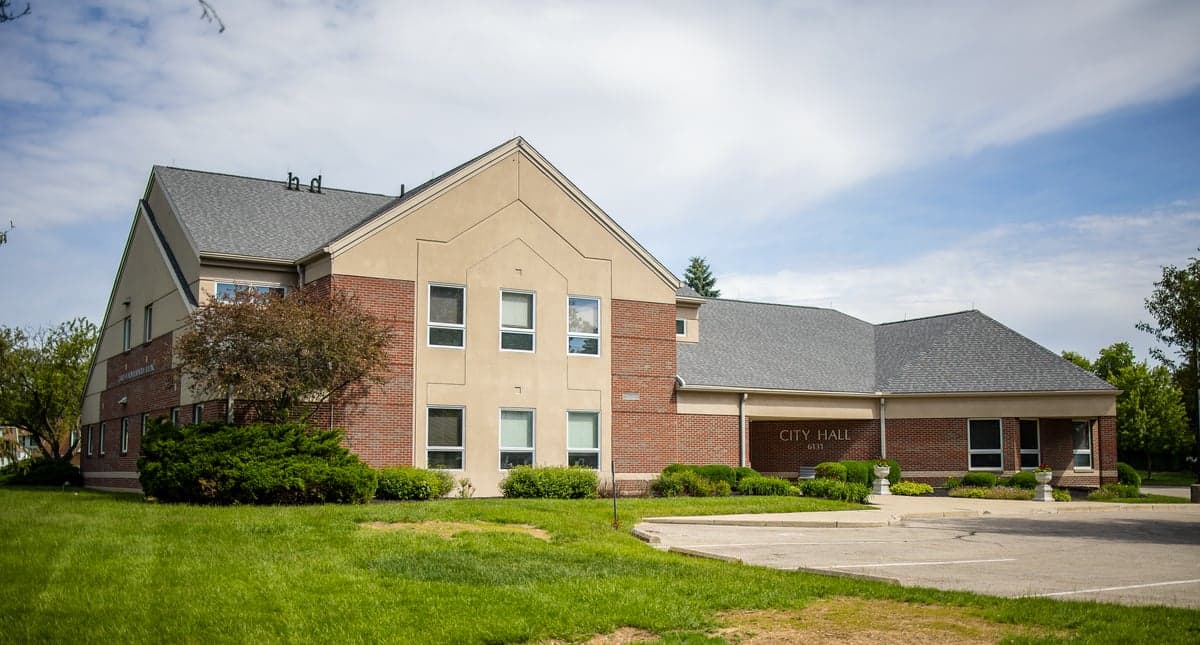
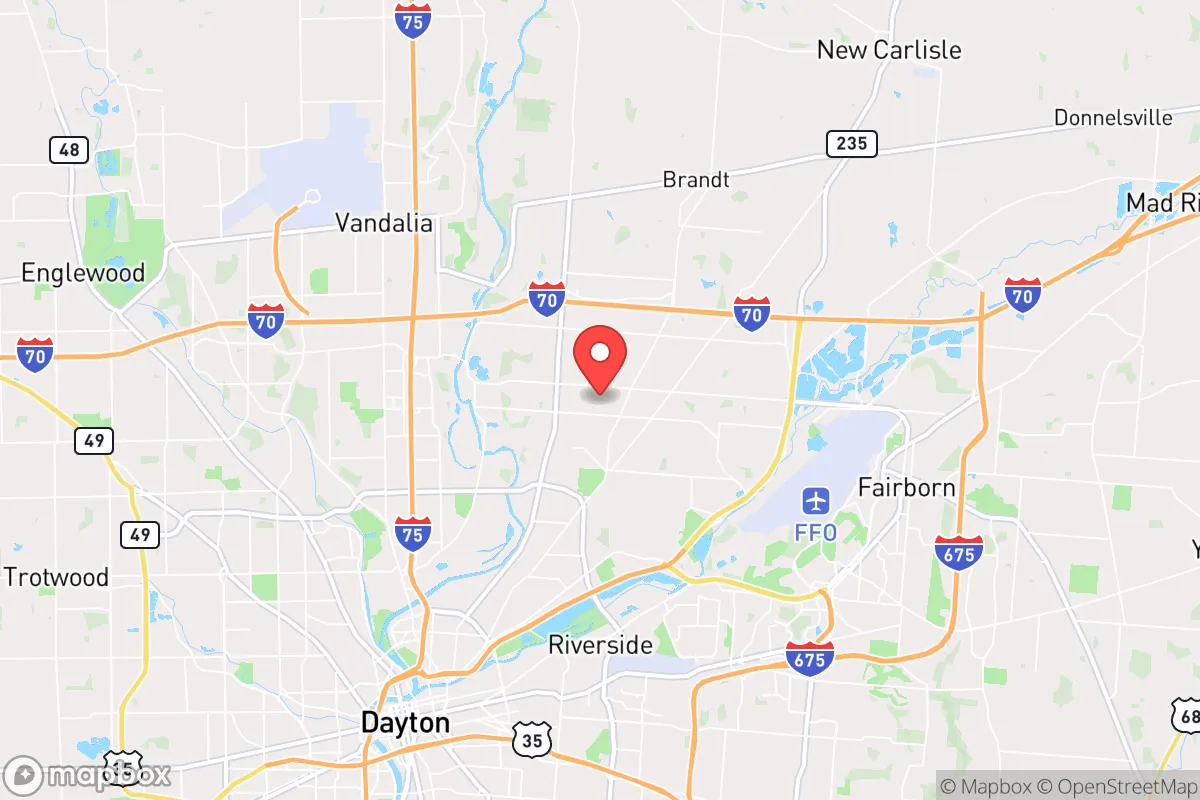
Photo: Wikipedia
Quality of Life in Huber Heights, OH
A high quality of life with strong walkability, manageable living costs, healthy neighborhood signals, and solid amenity access.
What does Quality of Life tell us?
Quality of Life blends cost of living, nearby amenities, socioeconomic signals, and neighborhood character. City-level scores represent the whole municipality; individual neighborhoods can differ.
What does this tell us?
Quality of Life blends cost of living, nearby amenities, socioeconomic signals, and neighborhood character. City-level scores represent the whole municipality; individual neighborhoods can differ.
Cost of Living
14% below national average
The Real Cost of Living in Huber Heights, OH for 2026
| Tier | Individual | Family (4) |
|---|---|---|
| Survival | $19k | $36k |
| Comfortable | $31k | $46k |
| Luxury | $108k+ | $167k+ |
| Elite (Top 5%) | $127k+ | $197k+ |
165%
The Area Signal
A metric tracking the socioeconomic signals of the area.


Hobbies
Explore the areaGroceries
2 within 10 miles
Gas
0 within 10 miles
Hospital
3 within 20 miles
Airport
John Glenn Columbus International Airport
Post Office
USPS — Dayton, OH
Critical Amenities
Quality-of-Life Analysis
Huber Heights offers a solidly middle-class quality of life in the Dayton metro area, attracting a mix of military families connected to Wright-Patterson Air Force Base, long-term homeowners, and commuters seeking affordable suburban space. With a cost of living index of 86 (14% below the national average), the city provides a notably lower financial barrier to entry than nearby Beavercreek or Centerville, while still delivering above-average public schools and ample park access. The median household income hovers around $60,000, supporting a stable, family-oriented demographic that values practicality over prestige.
Cost of living, housing affordability, and how Huber Heights compares to nearby suburbs
Huber Heights stands out as one of the most affordable suburbs in the Dayton region for homebuyers and renters alike. The median home value sits at $161,900, roughly $40,000 less than the median in Beavercreek and about $30,000 below Centerville, making it a realistic entry point for first-time buyers. Median rent of $1,214 aligns closely with the national average but is notably cheaper than the $1,400+ typical in Oakwood or Kettering. The average commute of 23.6 minutes is manageable, with most residents driving to jobs at Wright-Patterson, downtown Dayton, or along the I-70/I-75 corridors. Property taxes in Montgomery County are moderate, and the city’s lack of a local income tax (unlike Dayton proper) further stretches household budgets. While housing stock skews toward ranch-style homes and split-levels built in the 1960s–1980s, recent infill construction has added a handful of newer subdivisions near Chambersburg Road.
What daily life is like for families: schools, parks, and local amenities
Daily life in Huber Heights revolves around the Huber Heights City School District, which serves roughly 8,000 students and consistently earns a B rating from Niche, with Wayne High School offering International Baccalaureate and career-tech programs. The city’s 14 parks, including the 80-acre Thomas A. Cloud Park with its splash pad, sports fields, and walking trails, provide free recreation that anchors weekend routines. Retail is concentrated along Brandt Pike and Old Troy Pike, anchored by a Walmart Supercenter, Kroger, and a growing strip of chain restaurants and fast-casual spots. For groceries and errands, most residents drive 10–15 minutes to the larger shopping hubs in Dayton or Beavercreek. The city lacks a true downtown core, but the Huber Heights Amphitheater hosts summer concerts and movie nights that serve as community gathering points. Commuters benefit from direct access to I-70 and I-75, though traffic on Brandt Pike can back up during school drop-off and evening rush hours.
Huber Heights is best suited for budget-conscious families, military personnel stationed at Wright-Patterson, and anyone who prioritizes square footage and yard space over walkability or urban amenities. The trade-off for low housing costs is a car-dependent layout with limited dining variety and no major entertainment district. Retirees on fixed incomes also find the affordability appealing, though the city’s social scene leans heavily toward school sports and church-based activities rather than nightlife. For those willing to drive 20 minutes for a craft brewery or a fine-dining meal, Huber Heights delivers a quiet, safe, and financially sustainable suburban lifestyle that few other Dayton suburbs can match at the same price point.

Crime in Huber Heights, OH
Lower crime rates than 77% of comparable U.S. locations.
Violent CrimeViolent Crime Analysis
Property CrimeProperty Crime Analysis
Crime Analysis
Huber Heights, Ohio, presents a mixed safety profile that demands careful consideration from potential residents. The city's violent crime rate of 139.8 incidents per 100,000 residents is notably lower than both the national average and many comparable Midwestern suburbs, but its property crime rate of 1,629.7 per 100,000 exceeds national benchmarks and warrants attention. As a large suburb of Dayton, Huber Heights is situated within a metropolitan area where progressive judicial policies have increasingly influenced local prosecution and sentencing, a factor that directly impacts public safety outcomes and recidivism rates.
Crime in context
Huber Heights' violent crime rate sits well below the U.S. average of roughly 380 per 100,000, placing it among safer communities for personal safety. However, the property crime rate is approximately 15% higher than the national average and significantly exceeds Ohio's statewide rate of about 1,400 per 100,000. This disparity is partly attributable to the broader Dayton metropolitan area's challenges with property offenses, which are exacerbated by a justice system that, under progressive leadership, has prioritized diversion programs and reduced incarceration for non-violent offenders. The result is a higher likelihood of repeat property crimes, as offenders face fewer consequences and return to the streets more quickly.
What residents experience
For daily life in Huber Heights, the low violent crime rate means residents generally feel safe walking in their neighborhoods and using public spaces during daylight hours. Property crime, however, is a tangible concern. Vehicle break-ins, package thefts, and burglaries are the most commonly reported incidents, often concentrated near major corridors like Old Troy Pike and Chambersburg Road. The city's police department maintains a visible presence, but the effectiveness of enforcement is undermined when local courts and prosecutors in Montgomery County apply lenient sentencing guidelines. Residents should take proactive measures: secure vehicles, install outdoor lighting, and consider neighborhood watch programs. The progressive judicial philosophy in the region—which emphasizes rehabilitation over accountability—means that even when suspects are apprehended, they are frequently released on low or no bail, creating a cycle of property crime that frustrates law-abiding citizens.
Neighborhood-level variation
Safety in Huber Heights is not uniform. The eastern side of the city, particularly areas near the Wright-Patterson Air Force Base boundary, experiences significantly lower crime rates due to higher property values and active military-affiliated residents who maintain strong community oversight. In contrast, neighborhoods west of State Route 201, especially around the commercial zones near the intersection of Old Troy Pike and Brandt Pike, report higher property crime incidents. Apartment complexes along Stonewall Drive and parts of the Carriage Trails subdivision have seen repeated theft and vandalism calls. Prospective renters should prioritize units with secure entry systems and on-site management, while homebuyers should research block-level crime maps. The city's overall safety trajectory depends heavily on whether Montgomery County's judicial leadership shifts toward policies that prioritize victim rights and public protection over offender-centered approaches.
* Values derived from national, state, county, city and local statistics and may differ in a specific area. Last updated: 2026-04-19T05:08:22.000Z
Narrative content on this page is AI-generated and may contain mistakes. Verify any details that matter before acting on them.
ReloMaps may earn a commission from affiliate links at no extra cost to you.

