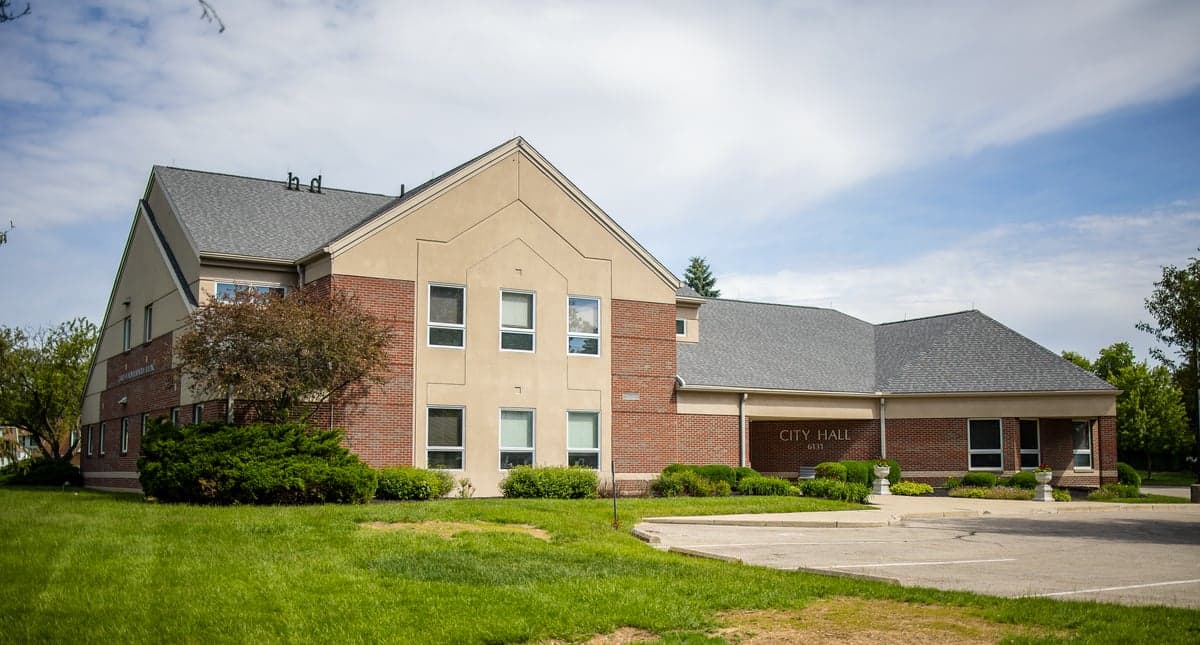
Photo: Wikipedia
Political ClimatePolitical Climate in Huber Heights, OH
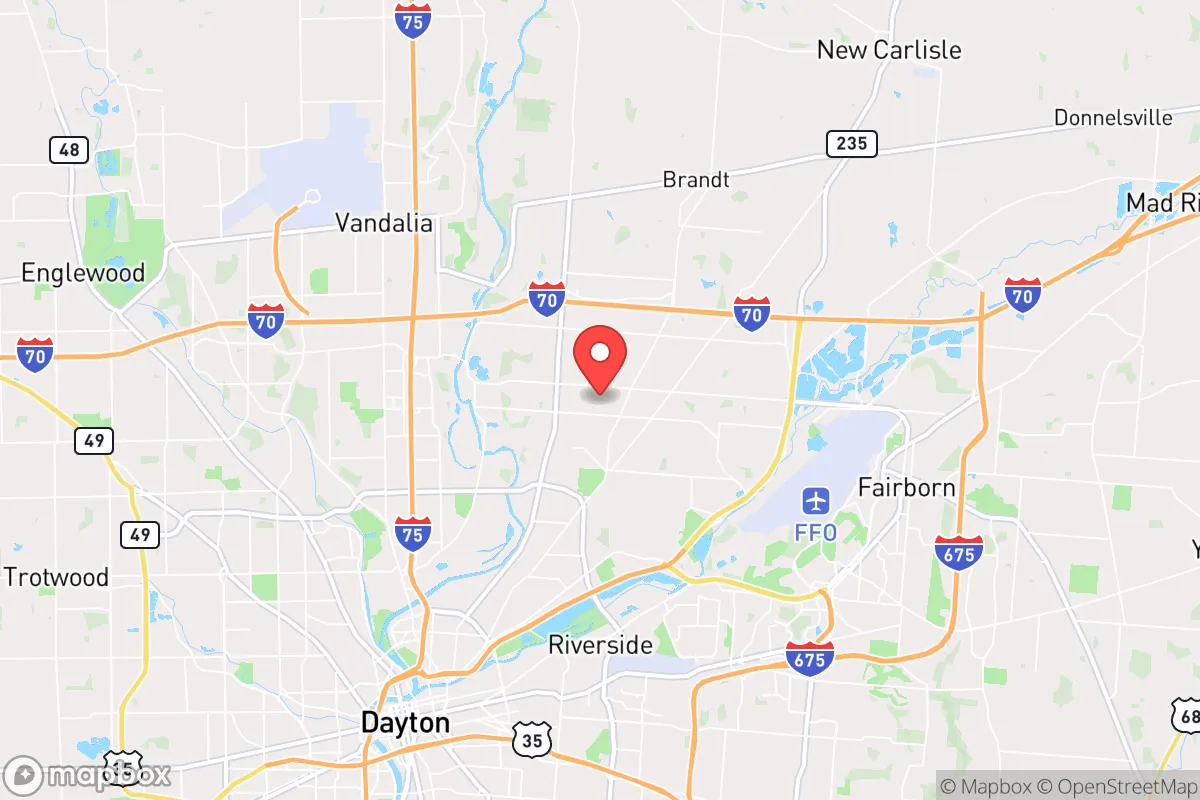
District shown is the primary district for this city’s centroid. Cities may span multiple districts.
Local Political AnalysisPolitical Analysis of Huber Heights, OH
Huber Heights has long been a solidly conservative community, and while it still leans that way, you can feel the political ground shifting under your feet. The Cook PVI of R+3 tells you the district is reliably Republican, but that number doesn’t capture the cultural tug-of-war happening in local schools and city council meetings. I’ve lived here for over twenty years, and I remember when the biggest political debate was about the Fourth of July parade route. Now, it’s about what books are in the library and how much say parents have in their kids’ education. The old guard is still here, but a new, more progressive energy is pushing in from Dayton and the suburbs to the south, and it’s changing the conversation in ways that make a lot of us uneasy.
How it compares
To really understand Huber Heights, you have to look at the neighbors. Drive ten minutes south into Dayton proper, and you’re in a deep-blue city that votes Democrat by huge margins. That’s where you see the full progressive agenda—things like defunding police discussions and heavy-handed COVID mandates that shut down small businesses. Head west to Vandalia or north to Tipp City, and you’re back in solidly red territory, where people still wave Trump flags and the local government stays out of your business. Huber Heights sits right in the middle, and it’s becoming a battleground. The city council has seen a few close votes on zoning and spending that would have been unthinkable a decade ago. The contrast is stark: we’re not Dayton yet, but we’re not Tipp City anymore either. That R+3 rating feels like a warning—it’s a thin margin that could flip if the wrong people get organized.
What this means for residents
For the average family here, the biggest concern is government overreach into personal freedoms. We’ve already seen it with school board decisions that tried to limit parental input on curriculum, and with city ordinances that made it harder to run a home-based business without endless permits. The local tax rate is reasonable, but there’s always pressure to raise it for “community programs” that sound nice but often come with strings attached. If you value the right to raise your kids without the state telling you what they can read or how they can pray, you need to stay engaged. The good news is that the conservative base here is still strong—church attendance is high, and the local gun club has a waiting list. But the bad news is that apathy is our biggest enemy. If you don’t show up to vote in the primaries, you might wake up to a city that looks a lot more like Dayton than you’d like.
One thing that still sets Huber Heights apart is its practical, no-nonsense culture. We don’t have the boutique coffee shops or the bike lanes that signal a progressive takeover in other suburbs. What we have is a lot of veterans, a lot of union tradesmen, and a lot of families who just want to be left alone. The city’s biggest policy fights lately have been about property rights—like whether to allow short-term rentals or how much to regulate lawn care. That’s the kind of stuff that matters here. But I’ll be honest: the long-term trend worries me. As Dayton’s influence creeps north and younger families move in from out of state, the old-school values of personal responsibility and limited government are getting tested. If you’re thinking of moving here, just know that it’s still a good place for conservatives, but you’ll have to work to keep it that way. Don’t expect the politics to stay the same on autopilot—nothing does anymore.

State Political ClimatePolitical Climate in Ohio
State Political AnalysisPolitical Environment in the State
Ohio has long been the quintessential bellwether state, but over the last decade it has shifted from a classic purple battleground to a solidly red-leaning state, with Donald Trump winning it by 8 points in both 2016 and 2020 and by a wider margin in 2024. The dominant coalition is a mix of working-class voters in the Rust Belt, rural conservatives, and suburbanites who have soured on progressive overreach, though the state still holds deep blue pockets in its major cities. Over the last 15 years, the state has moved rightward by about 10 points, driven by a realignment of white working-class voters and a growing distrust of the Democratic Party’s cultural and economic agenda.
Urban vs. rural divide
The political map of Ohio is a stark study in contrasts. The three Cs—Cleveland, Columbus, and Cincinnati—are the Democratic strongholds, with Cuyahoga County (Cleveland) delivering a 66% vote share for Biden in 2020 and Franklin County (Columbus) hitting 62%. But the real story is the collapse of Democratic support in the suburbs and exurbs. Delaware County, just north of Columbus, was a classic swing suburb in the 1990s but now votes reliably Republican by double digits. The rural counties in the southeast, like Meigs and Monroe, are deep red, often voting 75-80% Republican. The real political engine of the state, however, is the Mahoning Valley around Youngstown and the Miami Valley around Dayton—areas that were once union strongholds for Democrats but have flipped hard to the GOP. In 2024, Trumbull County (Warren) went Republican for the first time in decades, a clear sign that the old blue-collar coalition is dead.
Policy environment
Ohio’s policy environment is a mixed bag for conservatives. On the positive side, the state has a flat income tax rate of 3.5% (down from over 5% a decade ago), no estate tax, and a Republican-controlled legislature that has passed right-to-work laws and tort reform. Property taxes, however, are a growing pain point, especially in fast-growing suburbs like Dublin and Mason, where levies for schools and services have ballooned. On education, Ohio has a robust school choice program, including the EdChoice scholarship, which lets parents use state funds for private or charter schools—a huge win for parental rights. Healthcare is a mixed bag: the state expanded Medicaid under Obamacare, which many conservatives view as a federal overreach, but there’s no state-level individual mandate. Election laws have tightened since 2020, with voter ID requirements and stricter absentee ballot rules, though the state still allows early voting and no-excuse absentee voting, which some on the right see as a vulnerability.
Trajectory & freedom
Ohio’s trajectory on personal freedom is a tug-of-war. On the plus side, the state passed constitutional carry in 2022, allowing law-abiding citizens to carry a concealed firearm without a permit—a major expansion of Second Amendment rights. The legislature also passed a parental bill of rights in 2023, requiring schools to notify parents about curriculum changes and medical services, and giving them the right to opt their kids out of sexually explicit content. On the downside, the state has seen a push for medical autonomy restrictions, including a 2023 law banning gender-affirming care for minors, which conservatives support but which has drawn legal challenges. The biggest freedom concern is property rights: Ohio’s township zoning laws are notoriously restrictive, and the state has seen a rise in eminent domain abuse for private development, particularly in Columbus and Cincinnati. The 2023 Issue 1 vote, which enshrined abortion rights in the state constitution, was a major setback for the pro-life movement and a sign that direct democracy can override the legislature.
Civil unrest & political movements
Ohio has seen its share of political flashpoints. The 2020 George Floyd protests in Columbus and Cincinnati turned violent, with looting and arson in the Short North and Over-the-Rhine neighborhoods, leading to a lasting distrust of city leadership. The 2023 East Palestine train derailment sparked a populist backlash against federal inaction, with both local residents and national figures like JD Vance and Vivek Ramaswamy using it to highlight government incompetence. Immigration politics are heating up: while Ohio doesn’t have a sanctuary city policy, Columbus has seen a surge in Somali and Latino immigrants, leading to tensions over school resources and housing. The Ohio Election Integrity Network has been active since 2020, pushing for stricter voter rolls and audits, though no major fraud has been proven. The most visible movement is the Moms for Liberty chapters in Delaware and Warren County, which have been vocal at school board meetings over library books and curriculum transparency.
Projection
Over the next 5-10 years, Ohio is likely to become more Republican at the state level, driven by continued out-migration from the urban cores and in-migration of conservatives from blue states seeking lower taxes and more freedom. The I-71 corridor between Columbus and Cincinnati is seeing explosive growth, with new subdivisions and warehouses replacing farmland, and these new residents tend to vote red. However, the Columbus metro is a wildcard: it’s growing fast with young professionals and immigrants, and if it turns blue enough, it could flip the state back to purple in a presidential year. The biggest risk to freedom is the property tax crisis: as home values rise, longtime residents are being priced out of their homes, and the legislature has been slow to offer relief. Expect more fights over school funding, zoning reform, and the balance between local control and state preemption.
For a new resident, Ohio offers a solid foundation for conservative living: low taxes, strong gun rights, school choice, and a legislature that generally respects parental authority. But don’t expect a libertarian paradise—the state still has heavy regulations on business, high property taxes in growing areas, and a powerful public-sector union presence in the cities. If you’re moving here, pick a county like Warren or Delaware for the best balance of freedom and services, and be prepared to get involved in local politics to keep the progressive creep at bay. Ohio is a good state, but it’s not on autopilot—it needs people who will fight to keep it free.
* Values derived from national, state, county, city and local statistics and may differ in a specific area. Last updated: 2026-04-19T05:08:22.000Z
Narrative content on this page is AI-generated and may contain mistakes. Verify any details that matter before acting on them.
ReloMaps may earn a commission from affiliate links at no extra cost to you.

