 Popular
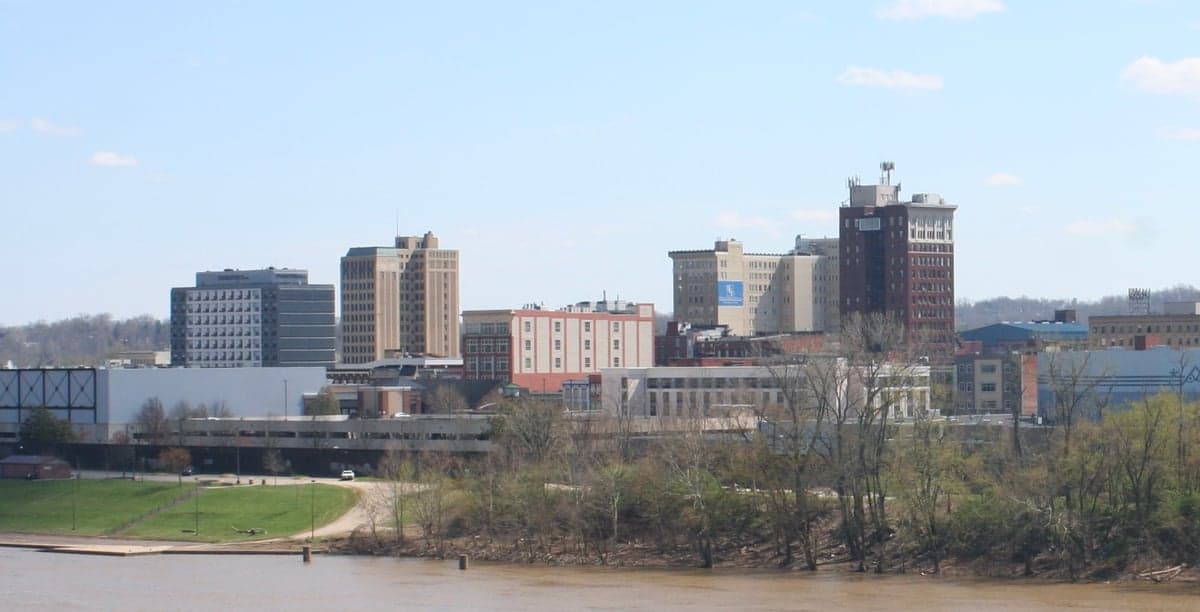
Photo: Wikipedia
Quality of Life in Huntington, WV
Above-average quality of iife. The area offers a reasonable cost of living, decent mobility, and a mix of neighborhood amenities.
What does Quality of Life tell us?
Quality of Life blends cost of living, nearby amenities, socioeconomic signals, and neighborhood character. City-level scores represent the whole municipality; individual neighborhoods can differ.
What does this tell us?
Quality of Life blends cost of living, nearby amenities, socioeconomic signals, and neighborhood character. City-level scores represent the whole municipality; individual neighborhoods can differ.
Cost of Living
39% below national average
The Real Cost of Living in Huntington, WV for 2026
| Tier | Individual | Family (4) |
|---|---|---|
| Survival | $14k | $26k |
| Comfortable | $24k | $35k |
| Luxury | $78k+ | $121k+ |
| Elite (Top 5%) | $124k+ | $192k+ |
122%
The Area Signal
A metric tracking the socioeconomic signals of the area.
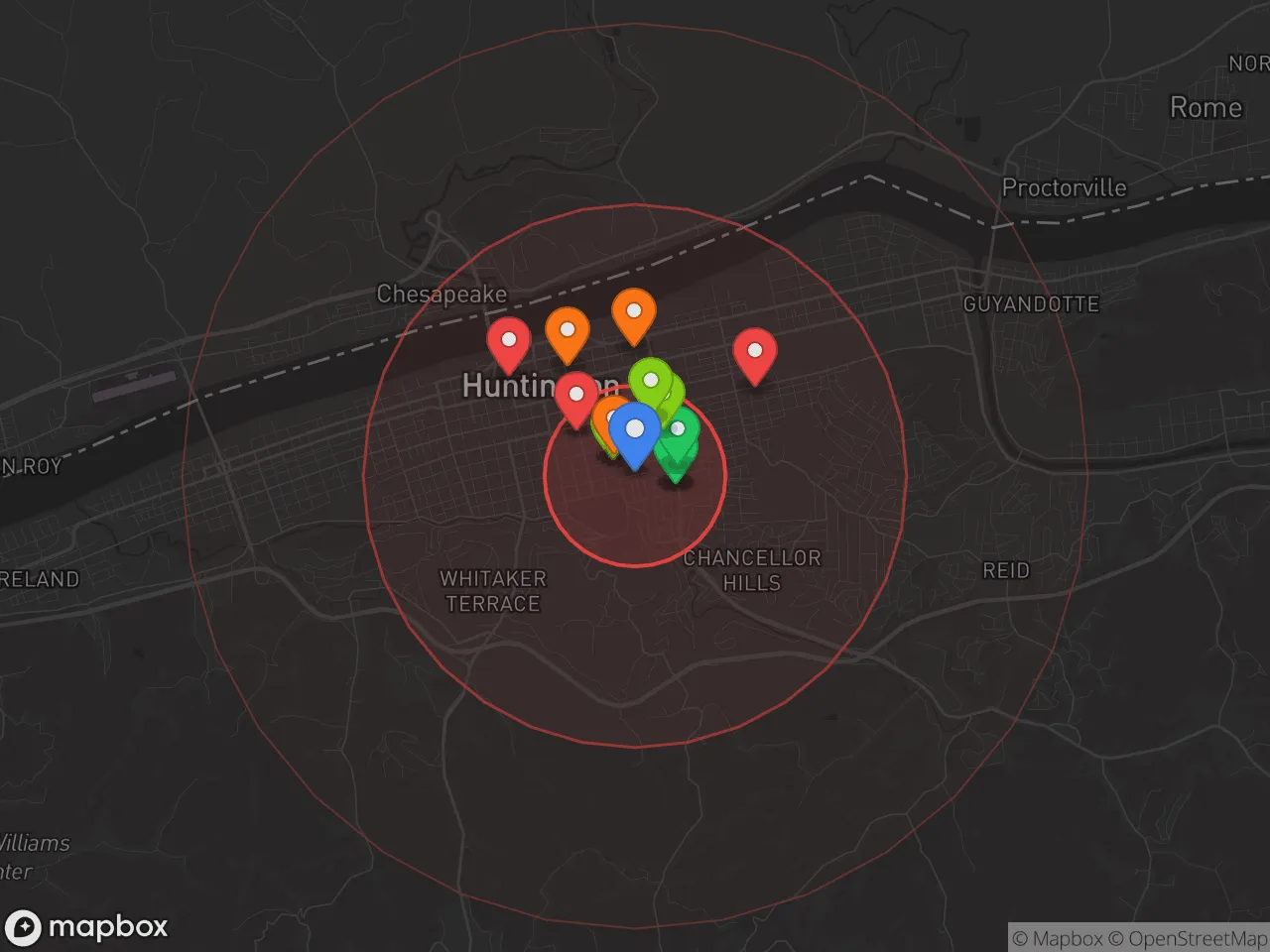
Hobbies
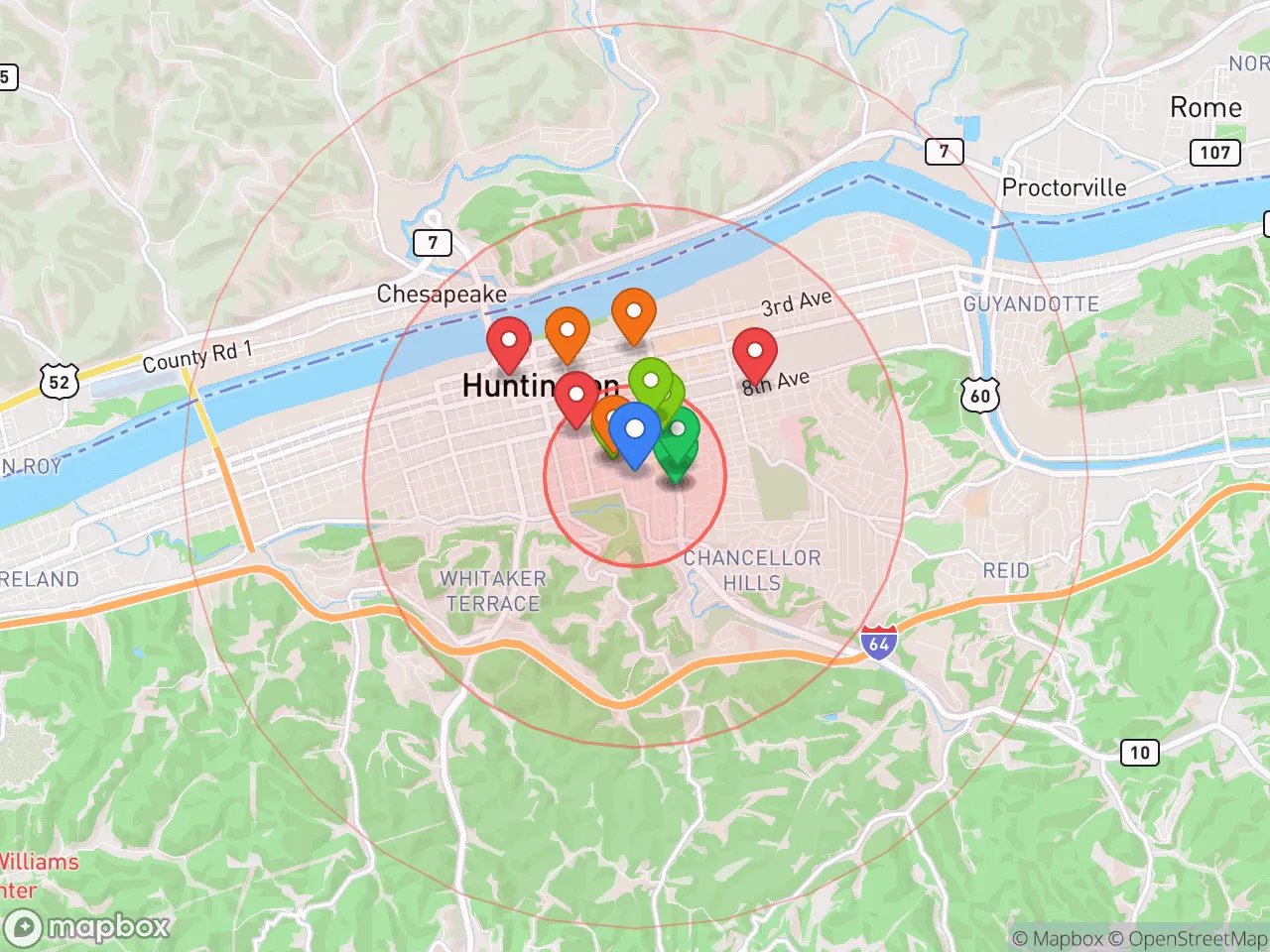
Explore the areaGroceries
5 within 10 miles
Gas
20 within 10 miles
Hospital
11 within 20 miles
Airport
John Glenn Columbus International Airport
Post Office
USPS — Huntington, WV
Critical Amenities
Quality-of-Life Analysis
Huntington, West Virginia, offers a quality of life defined by exceptional affordability and a slower, community-oriented pace, attracting a mix of retirees, remote workers, and young families seeking financial breathing room. With a cost of living index of 61—nearly 40% below the national average—residents stretch their incomes further than in nearly any other mid-sized Appalachian city. The area’s population skews older and more rooted than national averages, though a growing contingent of telecommuters and Marshall University affiliates inject younger, transient energy into the city’s core neighborhoods.
How Huntington’s cost of living and housing compare to nearby cities
Huntington’s housing market is a primary draw, with a median home value of $118,800 and a median rent of $863—figures that undercut nearby Charleston (median home value ~$145,000) and Ashland, Kentucky (~$125,000) by a noticeable margin. The city’s cost of living index of 61 means a household earning $40,000 here enjoys purchasing power equivalent to roughly $65,000 in a typical U.S. metro. Utility costs are slightly below average, though winter heating bills can spike in older housing stock. The average commute of 18.6 minutes is a standout advantage: it is roughly half the national average, freeing up time for family, hobbies, or second jobs. For comparison, commuters in Charleston average 22 minutes, while those in Columbus, Ohio, exceed 24 minutes. This short drive time is partly due to Huntington’s compact layout and the fact that many residents live within a few miles of the city’s major employers, including Marshall University and Cabell Huntington Hospital.
What daily life is like for families and professionals in Huntington
Daily life in Huntington revolves around a modest but functional set of amenities. The city’s public school system, Cabell County Schools, serves roughly 13,000 students and includes Huntington High School, which offers Advanced Placement and dual-credit programs through Marshall University. For families, the Huntington Museum of Art and the Ritter Park system provide free or low-cost recreation, while the Pullman Square district hosts seasonal farmers’ markets and concerts. Healthcare access is a strong point: the city is home to Marshall Health and the Edwards Comprehensive Cancer Center, drawing patients from across the tri-state region. Grocery and retail options are adequate but not abundant—residents often drive 15–20 minutes to Barboursville for big-box stores or to the Huntington Mall. The restaurant scene is modest but improving, with local staples like Jim’s Steak and Spaghetti House and newer farm-to-table spots on 4th Avenue. Nightlife is limited, centered on a handful of breweries and bars near the university campus.
Huntington is best suited for those who prioritize financial stability and a low-stress routine over urban excitement or career density. Retirees on fixed incomes, remote workers with stable salaries, and Marshall University students or staff will find the affordability and short commutes transformative. Professionals in specialized fields—healthcare, education, or logistics—will also find a solid job market, though opportunities in tech or finance are scarce. Those seeking vibrant nightlife, diverse dining, or rapid career advancement may feel constrained. For anyone willing to trade metropolitan buzz for a median home under $120,000 and a commute under 20 minutes, Huntington delivers a quality of life that is both practical and quietly rewarding.

Crime in Huntington, WV
Higher crime rates than 71% of comparable U.S. locations.
Violent CrimeViolent Crime Analysis
Property CrimeProperty Crime Analysis
Crime Analysis
Huntington, West Virginia, reports a violent crime rate of 669.7 per 100,000 residents and a property crime rate of 3,366.3 per 100,000, figures that place it among the more dangerous cities in the state. These rates significantly exceed both the West Virginia averages and national benchmarks, indicating a heightened risk for residents and visitors. The city's safety profile is shaped by a combination of economic challenges, drug-related offenses, and the broader criminal justice environment in the region.
Crime in context
Huntington's violent crime rate is roughly 1.8 times the national average and substantially higher than the West Virginia state average of approximately 300 per 100,000. Property crime in the city is also elevated, with a rate nearly double the national figure. These statistics place Huntington in the bottom percentile for safety among U.S. cities of comparable size. A contributing factor is the judicial philosophy prevalent in the area; progressive and lenient sentencing policies in local courts, often prioritizing rehabilitation over incarceration, have been linked to higher recidivism and a greater number of offenders remaining on the street. This approach, while sympathetic to offenders, directly undermines public safety and justice for victims.
What residents experience
For those living in Huntington, the high crime rates translate into tangible daily concerns. Property crimes like burglary, theft, and motor vehicle theft are the most common offenses, with residents frequently reporting break-ins and stolen vehicles. Violent crime, while less frequent, includes aggravated assault, robbery, and occasional homicides, often concentrated in specific areas. The city's struggle with opioid addiction has fueled much of the property crime, as individuals seek funds to support substance use. Residents often advise securing homes with alarm systems, avoiding walking alone at night in certain neighborhoods, and remaining vigilant in parking lots and downtown areas.
Neighborhood-level variation
Safety in Huntington is not uniform across the city. The Old Central City and Fairfield neighborhoods have historically reported higher concentrations of both violent and property crime, while areas like Southside and the Enslow Park district tend to be quieter and more residential. Proximity to Marshall University's campus introduces a mix of higher foot traffic and occasional petty crime, though university police maintain a visible presence. Prospective residents should research specific blocks and consult local crime mapping tools, as conditions can vary sharply even within a single ZIP code. Overall, Huntington demands a higher level of caution than most West Virginia communities, with the local justice system's progressive leanings offering limited deterrence for repeat offenders.
* Values derived from national, state, county, city and local statistics and may differ in a specific area. Last updated: 2026-05-01T19:31:08.000Z
Narrative content on this page is AI-generated and may contain mistakes. Verify any details that matter before acting on them.
ReloMaps may earn a commission from affiliate links at no extra cost to you.

