Photo: Wikipedia
Quality of Life in Lemhi County
A livable area that tracks near national norms for affordability, walkability, and neighborhood health.
What does Quality of Life tell us?
Quality of Life measures an area by evaluating factors like cost of living, nearby amenities, country club access, airport proximity, socioeconomic signals and neighborhood character. For large states, this is a general average — quality of life can vary dramatically between metro areas, suburbs, and rural communities within the same state.
What does this tell us?
Quality of Life measures an area by evaluating factors like cost of living, nearby amenities, country club access, airport proximity, socioeconomic signals and neighborhood character. For large states, this is a general average — quality of life can vary dramatically between metro areas, suburbs, and rural communities within the same state.
Cost of Living
23% below national average
65%
The Real Cost of Living in Lemhi County for 2026
| Tier | Individual | Family (4) |
|---|---|---|
| Survival | $12k | $22k |
| Comfortable | $55k | $81k |
| Luxury | $94k+ | $146k+ |
| Elite (Top 5%) | $124k+ | $192k+ |
Quality-of-Life Analysis
Lemhi County, Idaho, offers a spectrum of quality-of-life options that range from the modest commercial hub of Salmon to remote, off-grid homesteads in the Salmon River Mountains, drawing everyone from remote workers seeking low costs to retirees and outdoor enthusiasts who prioritize solitude over convenience. With a cost of living index of 77 (well below the US average of 100), a median home value of $282,100, and a median rent of just $721, the county provides tangible financial breathing room. However, the experience of living here shifts dramatically depending on whether you choose the county seat, a smaller community like Tendoy, or a truly isolated rural parcel.
Largest town(s) & population centers
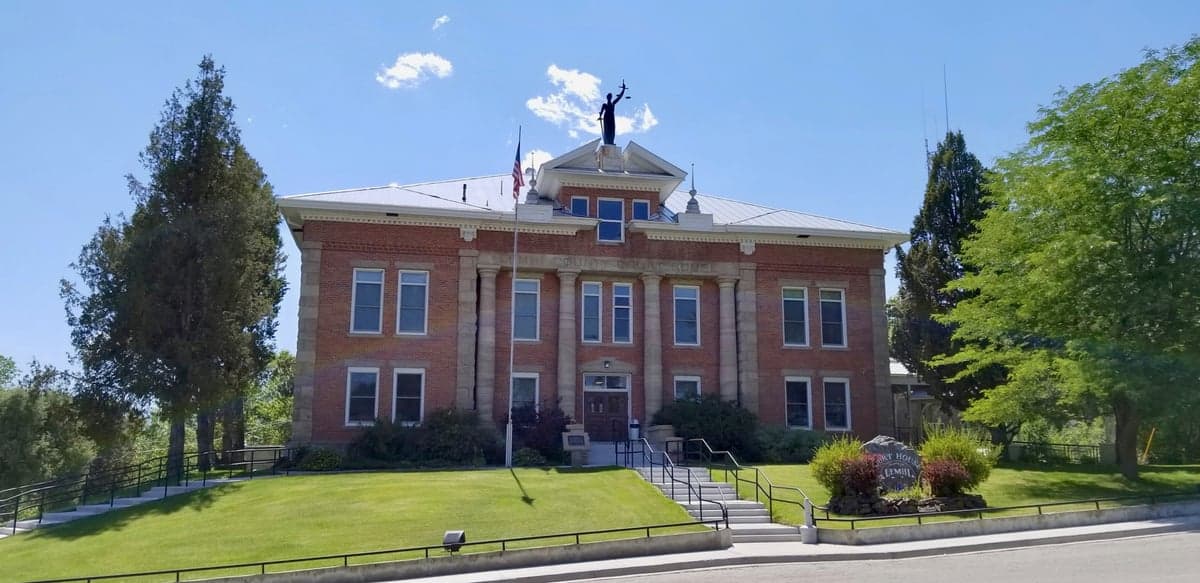
Salmon, the county seat and only incorporated city, is the undisputed population center, home to roughly 3,000 of the county's 8,000 residents. Daily life in Salmon revolves around a compact, walkable downtown along Main Street, anchored by the Sacajawea Interpretive, Cultural & Educational Center and the historic Salmon Theatre. Residents here have access to a full-service grocery store (Mountain Valley Foods), a critical access hospital (Steele Memorial Medical Center), and a public library. The average commute in Lemhi County is a remarkably short 14.8 minutes, and for Salmon residents it is often even quicker, with most jobs concentrated in local government, the school district, healthcare, and tourism-related businesses like fly-fishing outfitters. The town serves as the primary hub for all county services, including the county courthouse, the Salmon Post Office, and the Lemhi County Fairgrounds. While Salmon lacks big-box retailers (the nearest Walmart is 90 miles away in Missoula, MT), it compensates with a strong sense of community and year-round events like the Salmon River Days festival.
Smaller towns & rural pockets
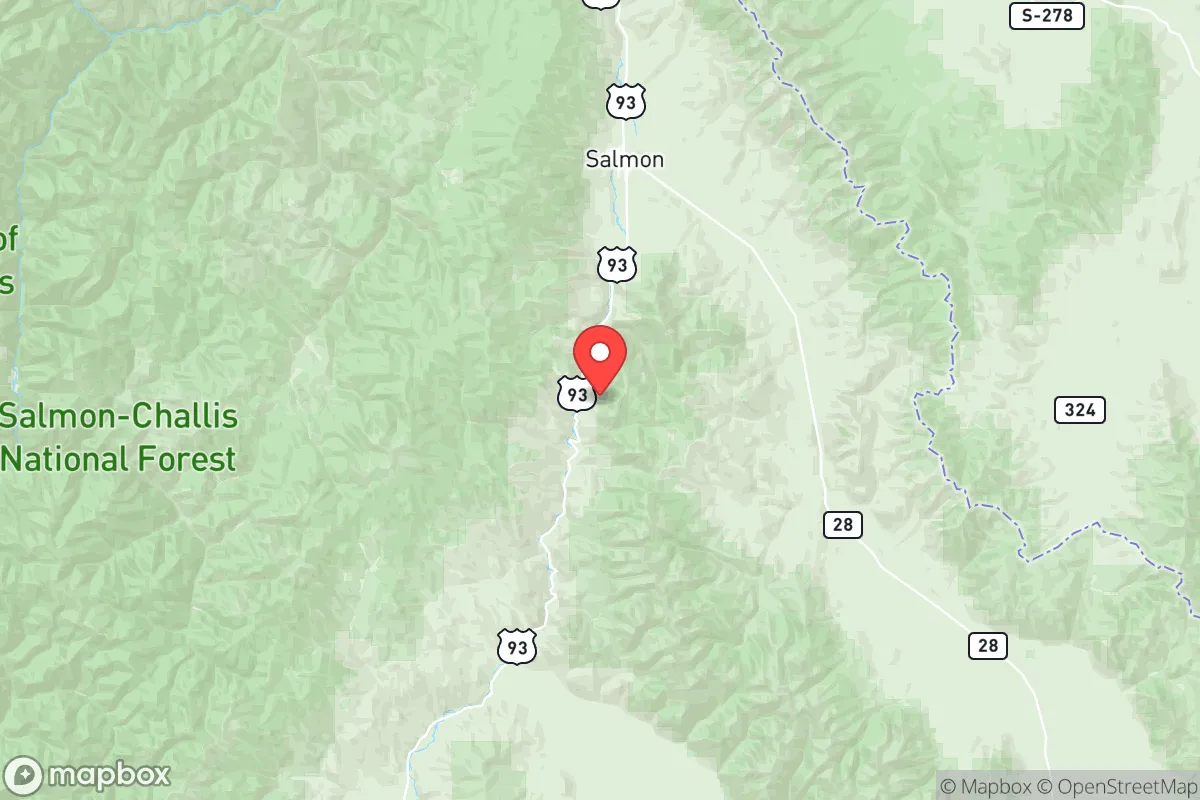
Beyond Salmon, the county's character thins out into a handful of unincorporated communities and vast stretches of national forest land. Leadore, 45 miles south of Salmon along US-28, is a tiny ranching community of fewer than 100 people, with a single gas station, a post office, and a bar. It serves as a gateway to the Beaverhead Mountains and the Continental Divide Trail. Tendoy, just south of Salmon, is a small residential area along the Lemhi River, popular with retirees and seasonal residents who want to be close to town but not in it. Carmen, a few miles north of Salmon, is a loose collection of homes and farms along the Salmon River, offering riverfront access and a quieter pace. The most remote pockets are found in the Pahsimeroi Valley (west of Salmon) and the Middle Fork of the Salmon River corridor, where year-round access can be limited by snow and where residents often rely on satellite internet and propane for heating. These areas attract self-sufficient homesteaders, off-grid enthusiasts, and those seeking absolute privacy, but they come with trade-offs: no mail delivery, no school bus routes, and a 45-minute drive to Salmon for basic supplies.
Cost & lifestyle range
The cost of living in Lemhi County is remarkably low by national standards, but the range within the county is narrow compared to urban areas. At the lower end, a small home or fixer-upper in Leadore or Carmen can be found for under $200,000, with median rent across the county at just $721. At the higher end, riverfront properties in the Salmon city limits or along the Salmon River near Carmen can exceed $400,000, though the county's median home value remains a modest $282,100. The lifestyle trade-off is stark: in Salmon, you get sidewalks, a public water system, and a 5-minute drive to the grocery store. In the Pahsimeroi Valley, you get total silence, star-filled skies, and the need to haul your own trash to the county transfer station. Internet access is a key differentiator—Salmon has cable and fiber options (via Silver Star Communications), while many rural pockets rely on satellite or fixed wireless with data caps. Property taxes are low (Idaho's average effective rate is roughly 0.7%), and there is no local sales tax on groceries, which helps stretch budgets further.
This county is best suited for people who value low costs, outdoor recreation (world-class fishing, hunting, and hiking), and a tight-knit community over urban amenities, career diversity, or high-speed infrastructure. Retirees on fixed incomes, remote workers with stable satellite internet, and self-sufficient homesteaders will find the most to love here. Families with school-age children will likely prefer Salmon for its K-12 school system and extracurricular activities, while those seeking total independence will find their niche in the Pahsimeroi or along the Middle Fork. Lemhi County is not for everyone, but for those who choose it, the trade-offs are a fair price for a life rooted in place and pace.

Crime in Lemhi County
Lower crime rates than 76% of comparable U.S. locations.
Violent CrimeViolent Crime Analysis
Property CrimeProperty Crime Analysis
Crime Analysis
Lemhi County, Idaho, is a rural, mountainous region where overall crime rates are significantly lower than national averages, but property crime remains a more common concern for residents than violent offenses. With a violent crime rate of 217.5 per 100,000 residents and a property crime rate of 614.7 per 100,000, the county presents a mixed safety picture that varies notably between its small communities. The county seat of Salmon, the largest town, sees the majority of reported incidents, while smaller, more isolated communities like Tendoy, Carmen, and Shoup generally experience fewer issues.
Crime in context
Lemhi County’s violent crime rate of 217.5 per 100,000 is roughly 40% lower than the national average of 380 per 100,000, but it is slightly above the Idaho state average of approximately 210 per 100,000. Property crime in the county, at 614.7 per 100,000, is about 55% below the national rate of 1,342 per 100,000 but aligns closely with the Idaho state average of roughly 600 per 100,000. The county’s remote geography and low population density (under 8,000 residents) naturally limit many types of urban crime, though drug-related offenses—particularly methamphetamine—are a persistent driver of both property and violent incidents. The Lemhi County Sheriff’s Office and the Salmon Police Department are the primary law enforcement agencies, and their response times in outlying areas can be longer due to the vast, rugged terrain.
What residents experience
Residents of Lemhi County most commonly encounter property crimes such as theft, burglary, and vehicle break-ins, particularly in Salmon and along the Highway 93 corridor. The violent crimes that do occur are often linked to domestic disputes or alcohol-fueled altercations, with assault making up the majority of violent incidents. The county’s judicial system, operating out of the 7th Judicial District, has historically taken a conservative approach to sentencing, which aligns with the area’s political leanings. However, like many rural areas, Lemhi County faces challenges with repeat offenders and limited resources for victim services. The presence of progressive or lenient policies in the justice system—such as those seen in larger, more liberal jurisdictions—is not a significant factor here, as local prosecutors and judges generally prioritize public safety and accountability. This means that offenders are more likely to face meaningful consequences, reducing the risk of recidivism compared to areas with more permissive approaches.
Neighborhood-level variation
Safety in Lemhi County varies by location and proximity to law enforcement. Salmon, as the commercial and population hub, sees the highest concentration of reported crimes, including occasional thefts from vehicles and minor vandalism. The outlying communities of Tendoy and Carmen, located south of Salmon, are generally quieter, with very low crime rates due to their small populations and strong community watch dynamics. The remote area of Shoup, near the Montana border, is extremely isolated and experiences almost no property crime, though emergency response times can exceed 30 minutes. For those considering relocation, homes on the outskirts of Salmon or in the smaller hamlets of Lemhi County offer the safest environments, while properties directly in Salmon’s downtown or near the highway may see slightly higher risks. Overall, the county’s conservative judicial philosophy and low population density create a safer environment than most of the nation, but residents should still take standard precautions against property crime, especially in more accessible areas.
* Values derived from national, state, county, city and local statistics and may differ in a specific area. Last updated: 2026-08-20T10:55:19.000Z
Narrative content on this page is AI-generated and may contain mistakes. Verify any details that matter before acting on them.
ReloMaps may earn a commission from affiliate links at no extra cost to you.

