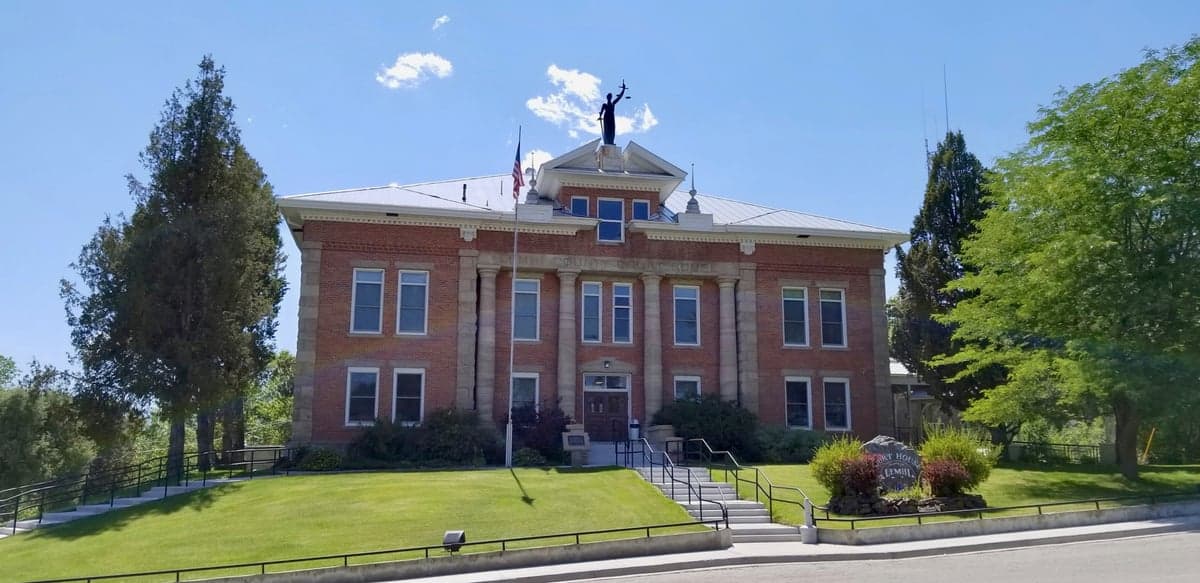
Photo: Wikipedia
Find The Best Places To Live in Lemhi County
PRO TIP! You can paste a Zillow or Redfin link to get info on that property.
Best Places to Live in Lemhi County
Cities & Towns in Lemhi County
Cities in Lemhi County
What It's Like Living in Lemhi County, ID
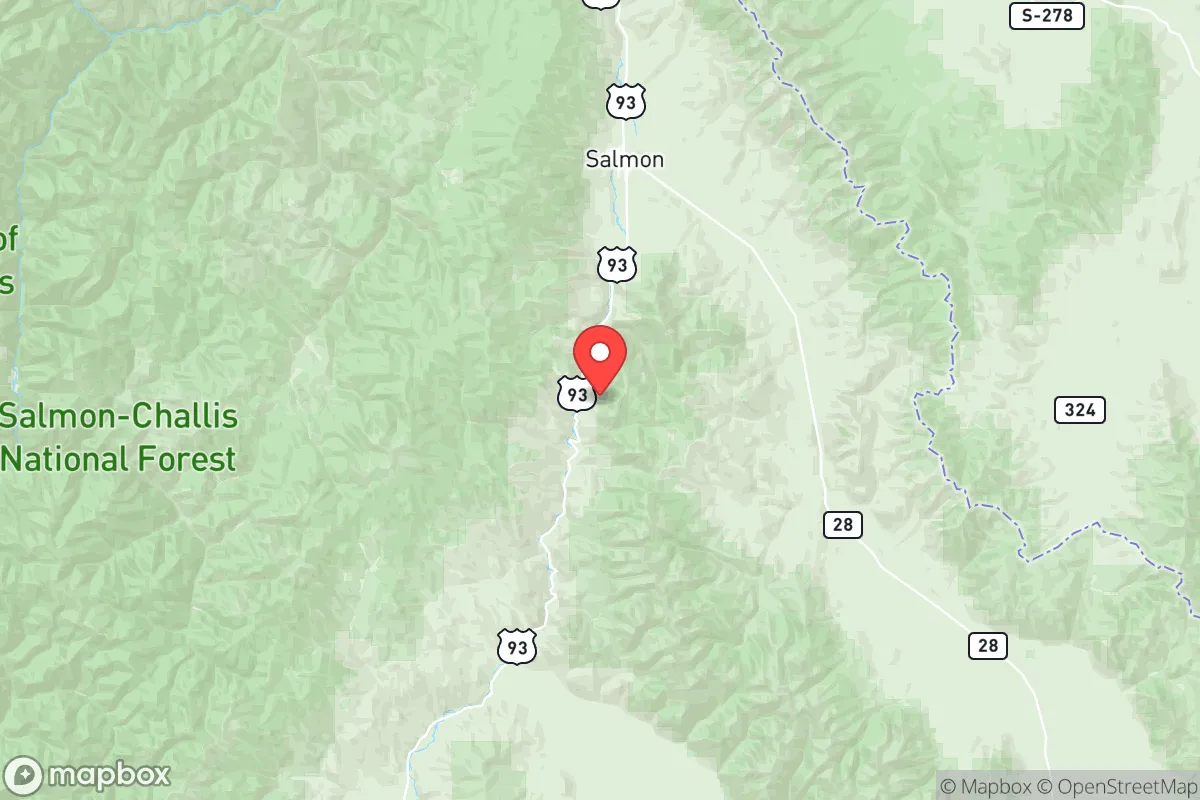
Lemhi County feels like a place where the frontier never really closed. With just over 8,100 people spread across a vast, mountain-ringed valley, the county’s identity is shaped by the Salmon River, the surrounding Bitterroot and Beaverhead ranges, and a pace of life that prizes self-reliance over convenience. The two main hubs—Salmon, the county seat, and the smaller communities of Tendoy, Carmen, and Shoup—each offer a slightly different flavor of the same basic truth: here, you trade amenities for solitude, and the trade-off suits a specific kind of person.
The Daily Rhythm: Slow, Seasonal, and Self-Sufficient
Life in Lemhi County runs on a different clock. The average commute is just under 15 minutes—one of the shortest in the state—so most people live within a few miles of where they work, shop, and send their kids to school. In Salmon, the main street still feels like a working town: the local grocery store, a couple of hardware shops, and a diner or two where folks gather for coffee before heading out to ranch or guide fishing trips. In Tendoy or Carmen, daily life is even quieter—you’re likely to see more deer than cars on the back roads.
The median age here is 53.1, which tells you something about who’s moving in and who’s staying. Retirees and second-home owners are a growing share, drawn by the low cost of living (index of 77, well below the national average) and the relative quiet. But there’s also a core of working families—ranchers, Forest Service employees, small business owners—who keep the county humming. The median household income is $52,057, which goes further here than in Boise or Missoula, though it can still feel tight when winter heating bills spike or a vehicle needs repairs.
Sports, Community, and the Salmon River
High school sports are the main event. Salmon High School’s football and basketball games draw crowds that fill the bleachers on Friday nights, especially when the Savages are playing rivals like Challis or Mackay. In a county this small, the team is a community anchor—everyone knows the coach, the quarterback’s parents, and the cheer squad’s fundraising schedule. There are no pro teams within a three-hour drive, so local athletics and the occasional rodeo at the Salmon Valley Arena are the closest thing to a big-league atmosphere.
Beyond sports, the Salmon River itself is the county’s defining feature. Locals raft, fish, and kayak on it from spring through fall, and the annual Salmon River Days festival in June brings a parade, a carnival, and a chance for everyone to catch up. The river also draws out-of-state anglers and rafters, but the vibe stays low-key—more about campfires and river stories than tourist crowds. For quieter recreation, the Beaverhead Mountains offer hiking and hunting that’s world-class but rarely crowded.
What’s There to Do (and What Isn’t)
Entertainment options are limited by design. The town of Salmon has a small movie theater, a bowling alley, and a handful of bars like the Silver Dollar Saloon where you can hear live music on weekends. For anything bigger—concerts, shopping malls, a Costco—you’re looking at a 2.5-hour drive to Missoula or Idaho Falls. That’s a real trade-off. People who thrive here are the ones who don’t mind packing a cooler and driving for a night out, or who prefer a quiet evening on the porch to a packed restaurant.
The county’s biggest cultural quirk is its fierce independence. This is a place where people wave at every passing car, but also where “neighborly” doesn’t mean “nosy.” The political lean is heavily conservative—Lemhi County voted overwhelmingly Republican in recent elections—and that shapes everything from local gun culture to the way schools handle curriculum. The school system, with about 1,200 students across the county, is a tight-knit community hub; parent involvement is high, and the graduation rate is solid, but advanced course offerings are limited compared to larger districts.
Pros and Cons of Living in Lemhi County
- Pro: Stunning natural setting. The mountains, river, and endless public land make this a paradise for hunters, anglers, hikers, and anyone who values solitude. The air is clean, the night sky is dark, and the noise is mostly wind and water.
- Pro: Low cost of living. The median home value of $282,100 is affordable by national standards, and with a cost-of-living index of 77, your money stretches further than in most of the country. Property taxes are low, and there’s no state income tax in Idaho.
- Con: Limited job market. With a median income of $52,057, most jobs are in ranching, guiding, healthcare, or government. Remote work is growing, but high-speed internet can be spotty outside Salmon. The violent crime rate of 217.5 per 100,000 is slightly above the national average, though property crime is the bigger concern in rural areas.
- Con: Isolation and weather. Winters are long and cold—expect snow from November through March—and the nearest major airport is 2.5 hours away. If you need specialized medical care, a big-box store, or a diverse social scene, you’ll be driving. The median age of 53.1 also means fewer young adults and singles, which can make dating or finding a peer group challenging for newcomers under 40.
Lemhi County isn’t for everyone. It’s for people who value space over convenience, who don’t mind a long drive for a concert, and who find satisfaction in a life that’s more about the land than the calendar. If that sounds like you—or if you’re ready to slow down and see what quiet really means—it might be exactly right.

* Values derived from national, state, county, city and local statistics and may differ in a specific area. Last updated: 2026-08-20T10:55:19.000Z
Narrative content on this page is AI-generated and may contain mistakes. Verify any details that matter before acting on them.
ReloMaps may earn a commission from affiliate links at no extra cost to you.

