Photo: Wikipedia
Strategic Assessment of Idaho
Strong survivability profile. Good buffer from population centers, with manageable environmental and tactical risks.
What does the Strategic Assessment tell us?
Our Strategic Assessment grades tactical survivability of an area. Major population centers, military targets, fallout zones, natural disasters, and border exposure all drive risk — lower exposure means a more defensible position in a crisis.
This is heavily inspired by Joel Skousen's Strategic Relocation book. Highly recommended you checkout the book ($)What does this tell us?
Our Strategic Assessment grades tactical survivability of an area. Major population centers, military targets, fallout zones, natural disasters, and border exposure all drive risk — lower exposure means a more defensible position in a crisis.
This is heavily inspired by Joel Skousen's Strategic Relocation book. Highly recommended you checkout the book ($)Regional Safe Places
Below is our recommended "safe zones" in Idaho and the surrounding area based on our strategic heuristics. For most people, it's unrealistic to live in a “safe zone” full-time due to work, family or other personal reasons. They tend to be more rural. However, many of these areas are perfect for second homes and retreat properties that double as a vacation home or even a short-term rental.
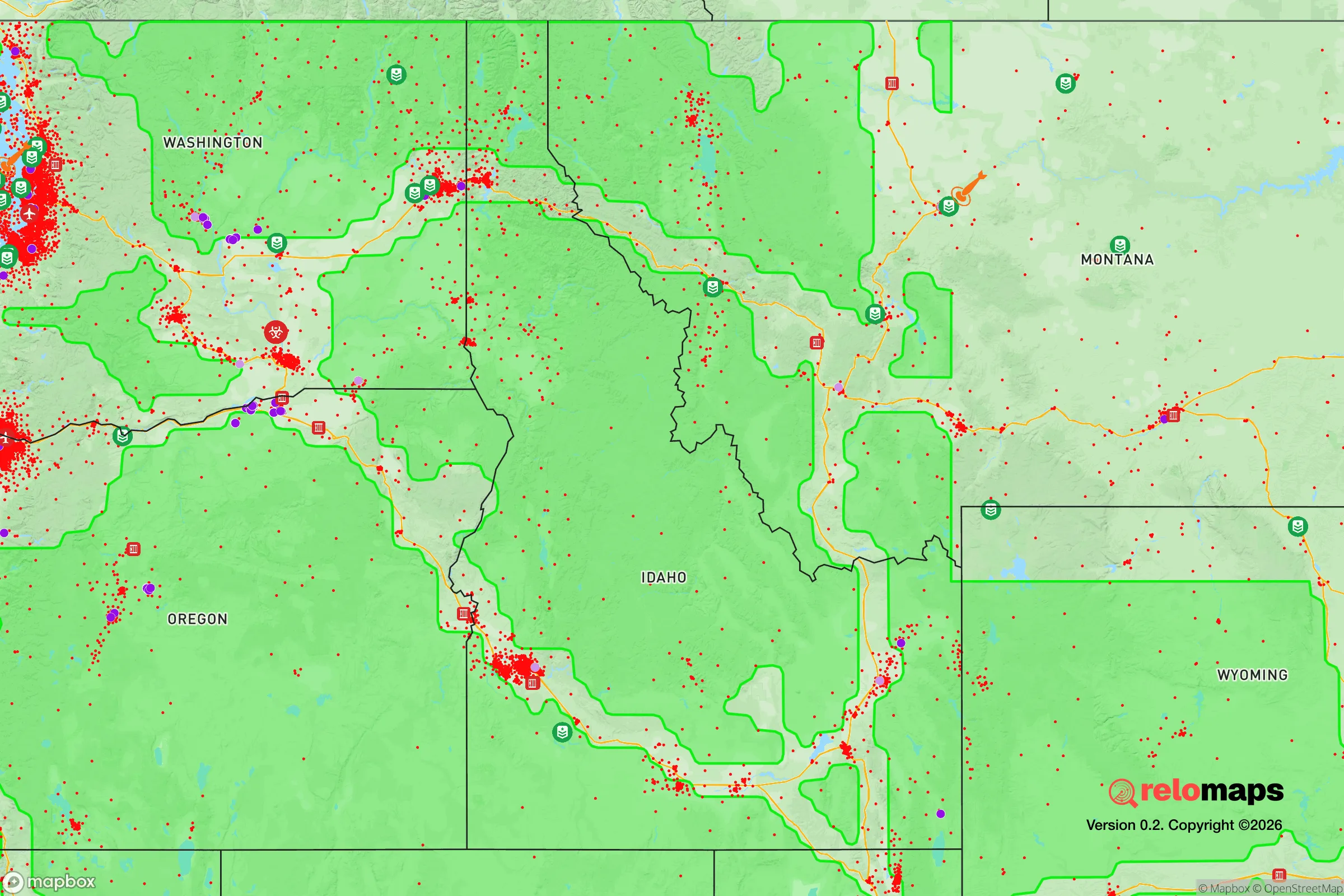
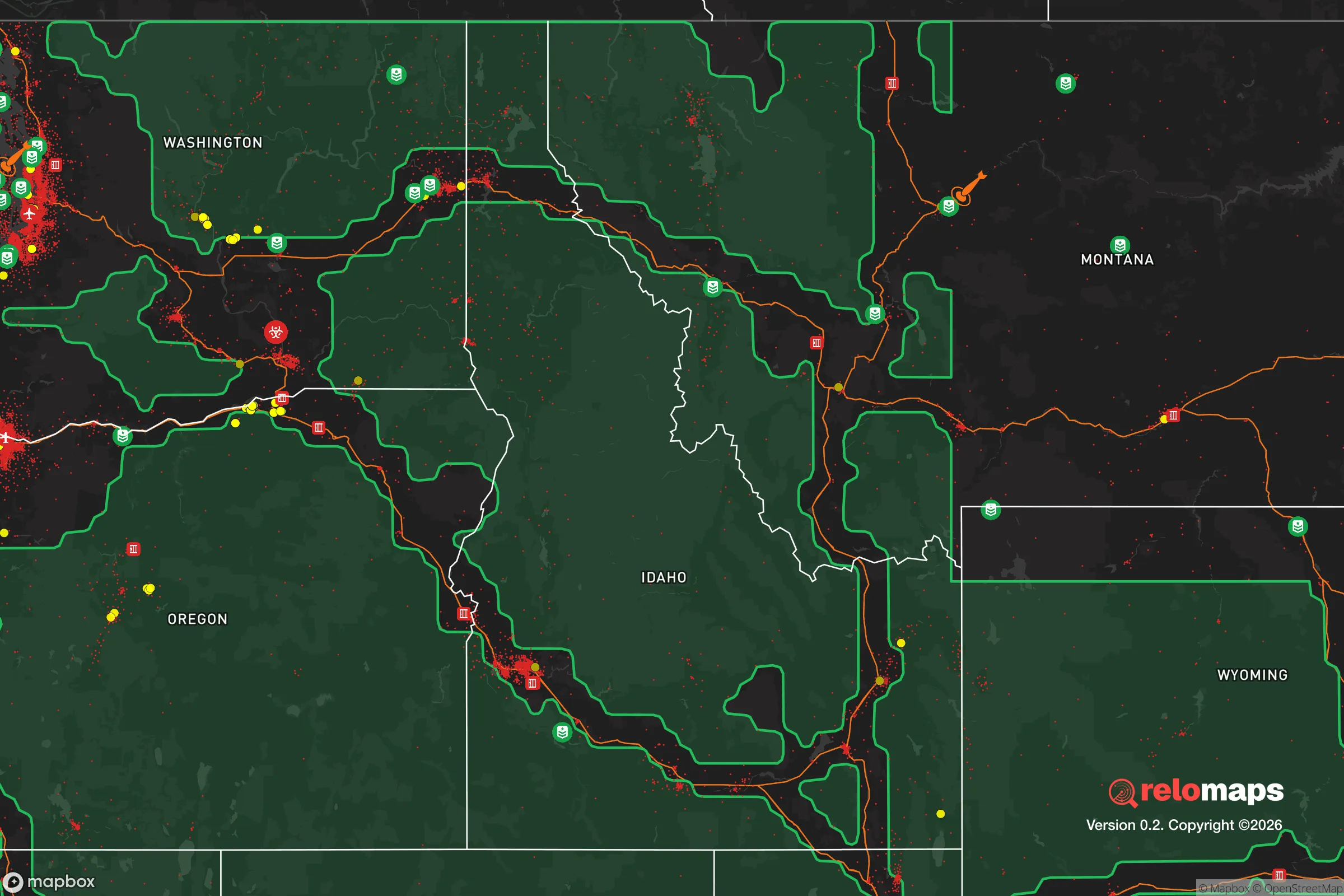


Important Note: For informational purposes only. This does not mean nothing bad ever happens in the green zones. Please use common sense. This is based on public data and modeled with AI. We tried to take a conservative approach but mistakes happen. We update this regularly as new information becomes available.
Solar Generator Recommendations
Backup power matters more here than in safer locations. We've picked three solar generators across budgets and capacity tiers — start with the budget unit if you only need a few essentials, or step up if you want to run a fridge and HVAC for days at a time.

Jackery Portable Power Station Explorer 300
Budget OptionPower on the Go: Weighing only 11 lbs, it's convenient to set up and store with book-sized foldable solar panels

BLUETTI Portable Power Station AC180
Designed for both indoor and outdoor scenarios, AC180 is highly capable as it has a robost capacity and continuous output power.

EF ECOFLOW DELTA Pro Ultra Power Station
Upgraded PickEcoFlow DELTA Pro Ultra is a whole-home energy system designed to grow with your family. Integrated with the Smart Home Panel 2, it scales to meet your evolving energy needs — keeping your home powered, intelligent, and secure through every stage of life.
We earn a commission, at no additional cost to you.
Strategic Assessment Analysis
Idaho offers a rare combination of geographic isolation, natural resource abundance, and political alignment that makes it one of the most strategically resilient states in the lower 48 for those prioritizing long-term preparedness. The state’s rugged terrain, low population density outside the Boise corridor, and distance from major coastal targets create a buffer zone that few other regions can match. For a relocator thinking about civil unrest, supply chain disruptions, or larger-scale national instability, Idaho’s interior positioning—over 300 miles from the Pacific coast and shielded by mountain ranges—provides a natural defensive advantage that’s hard to replicate east of the Rockies.
Idaho’s geographic position and natural advantages for long-term security
Idaho sits in a sweet spot: far enough from the West Coast’s urban megacities and strategic ports to avoid the immediate fallout of a major event, yet close enough to access critical resources from the Mountain West. The state is bordered by Montana to the east, Wyoming to the southeast, and Washington and Oregon to the west—all states with their own rural strongholds. The Snake River Plain cuts through southern Idaho, providing fertile agricultural land, while the northern panhandle, anchored by Coeur d’Alene and Sandpoint, offers dense forests and lake access. The Bitterroot Range along the Montana border acts as a natural barrier, slowing movement from the east and creating chokepoints that could be defended if needed. Elevation ranges from 2,000 to over 12,000 feet, meaning microclimates vary widely—but that also means diverse growing zones and water sources. The Salmon River and Clearwater River systems provide reliable freshwater, and the state’s snowpack in the central mountains acts as a natural reservoir, feeding rivers well into summer. For a prepper, this isn’t just scenic—it’s a built-in water security system that doesn’t rely on municipal infrastructure.
Risks, exposures, and proximity to fallout-relevant landmarks in Idaho
No state is a perfect fortress, and Idaho has its vulnerabilities. The biggest concentration of risk centers on the Boise metropolitan area, home to roughly 40% of the state’s population. Boise itself is a growing tech and government hub, with Micron Technology’s semiconductor plant and the state capitol—both potential targets for cyber or physical disruption. The Mountain Home Air Force Base, about 50 miles southeast of Boise, is a strategic asset that could become a focal point in a conflict scenario. While the base itself is a defensive asset, its presence also makes the surrounding area a potential target. Further north, the Port of Lewiston on the Snake River is the farthest inland seaport on the West Coast, handling grain and timber exports—a chokepoint that could see supply chain disruptions or become a vector for unrest if coastal ports go down. Idaho also sits within the Intermountain West seismic zone; the Borah Peak earthquake of 1983 (magnitude 6.9) is a reminder that the region isn’t immune to natural disasters. For a relocator, the key takeaway is to avoid the Boise-Nampa-Caldwell corridor and instead look at smaller towns like Salmon, McCall, or St. Maries, which are far from any major industrial or military target. The state’s lack of major oil refineries, nuclear plants, or large-scale chemical facilities is a net positive—there’s simply less to blow up or contaminate here compared to Texas or the Gulf Coast.
Practical resilience for a relocator: food, water, energy, and defensibility in Idaho
Idaho’s practical resilience comes down to four pillars: food production, water access, energy independence, and terrain defensibility. On food: the state is a national leader in potato production, but also grows significant amounts of wheat, barley, sugar beets, and hay. The Magic Valley region around Twin Falls is irrigated farmland that could sustain a local population even if national supply chains fail. Small-scale farming and homesteading are viable in the Palouse region near Moscow and in the Lemhi Valley near Salmon. Water is abundant if you’re not in the high desert south of the Snake River; the northern half of the state gets 30-50 inches of annual precipitation, and the Payette River and Boise River systems are reliable. Off-grid living is legal and common in many counties, with minimal building codes in rural areas like Valley County or Idaho County. Energy-wise, Idaho has significant hydroelectric capacity from dams on the Snake and Clearwater rivers, plus growing solar and wind potential. The Idaho National Laboratory near Idaho Falls is a nuclear research facility—while that sounds concerning, it’s a secure, well-managed site that’s not a commercial reactor, so the risk is low compared to, say, San Onofre in California. Defensibility is where Idaho really shines: the Salmon River Mountains and Sawtooth Range create natural redoubts, and many rural properties have only one or two access roads, making them easy to monitor. For a family or individual looking to hunker down, a property in Custer County or Lemhi County offers isolation that’s hard to find anywhere else in the contiguous U.S. without going full Alaska.
The overall strategic picture for Idaho is one of high reward with manageable risk, provided you choose your location carefully. The state’s political culture—consistently voting +30 points Republican in recent elections, with strong Second Amendment protections and a state government that’s hostile to federal overreach—aligns with a preparedness mindset. The Idaho Freedom Act and local sheriffs’ resistance to federal land seizures are concrete examples of this. But don’t romanticize it: winters in the panhandle are brutal, with feet of snow and limited road access, and the southern desert requires careful water planning. For a relocator serious about resilience, Idaho is a top-tier choice—just stay out of Boise’s orbit, secure a water source, and build community with like-minded neighbors in places like Bonners Ferry or Council. It’s not a bug-out location; it’s a long-term home base that can weather the storm.

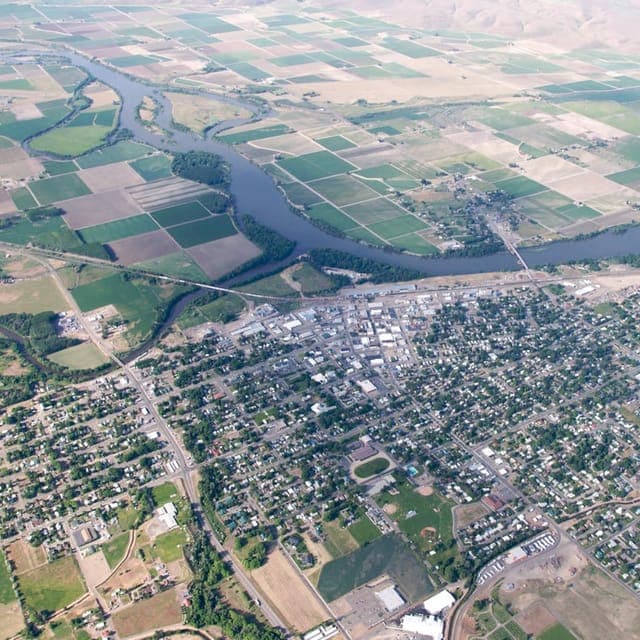
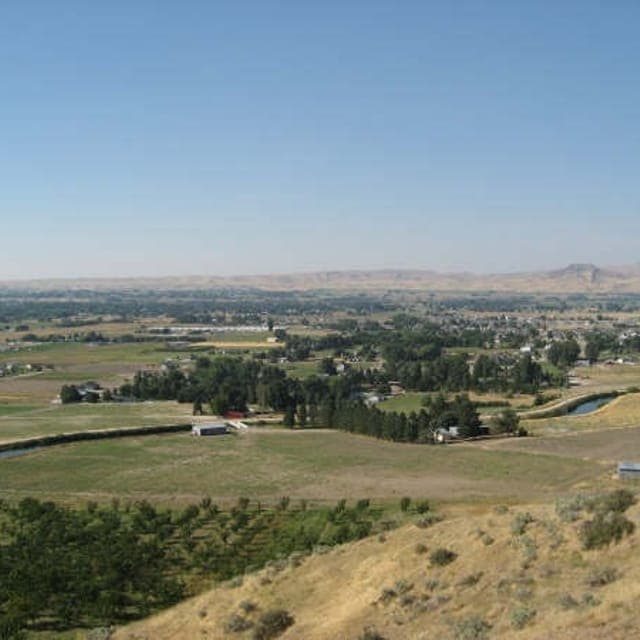
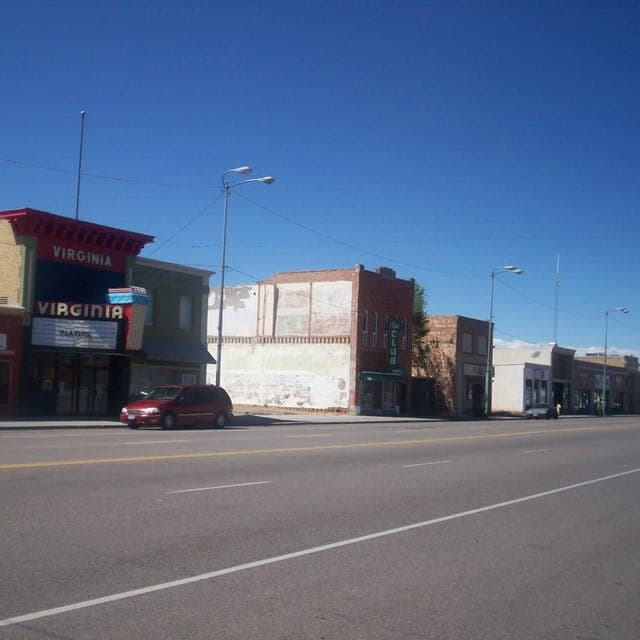
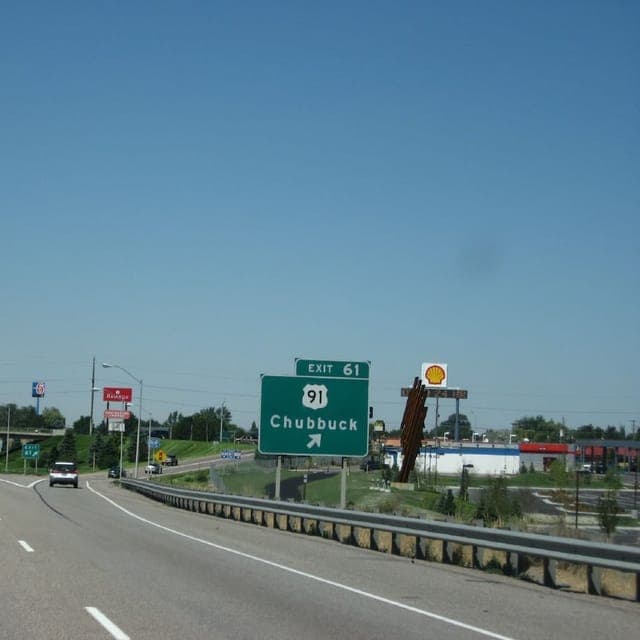
Top 10 Cities by Strategic Assessment in Idaho
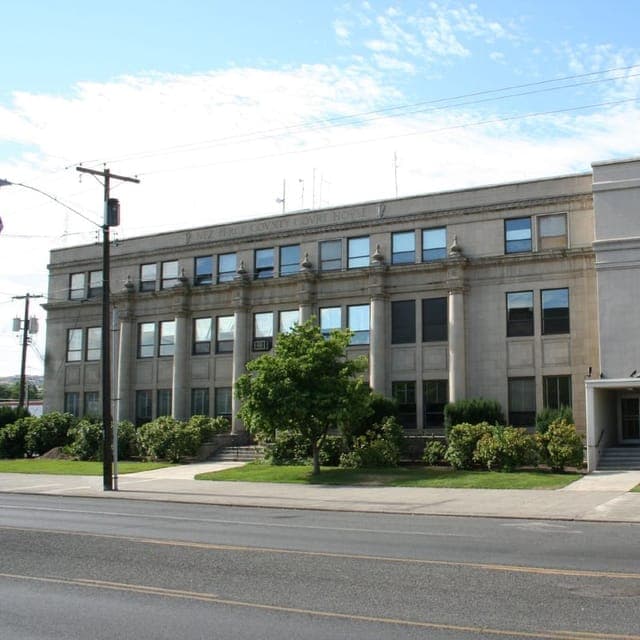
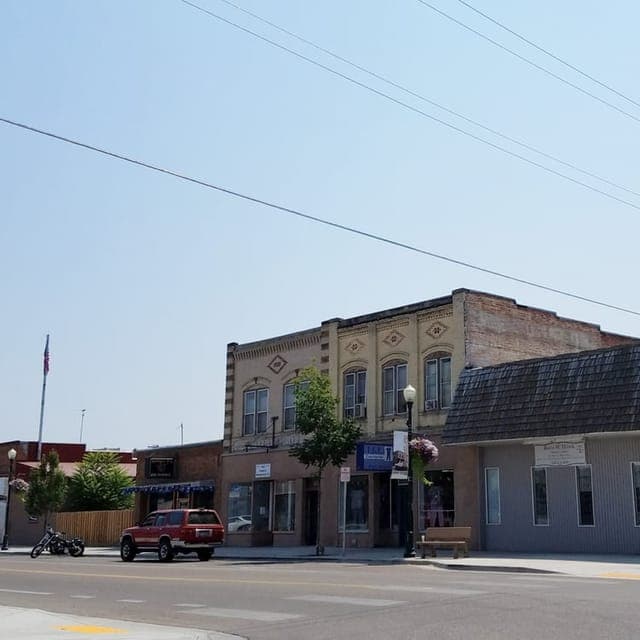
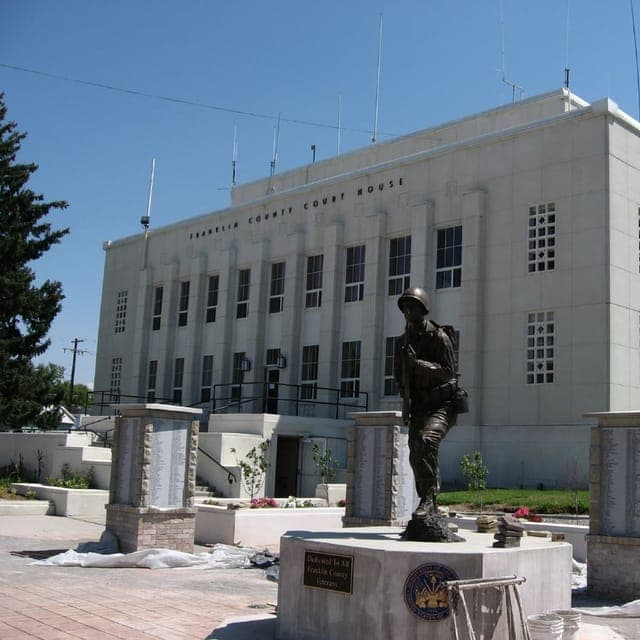
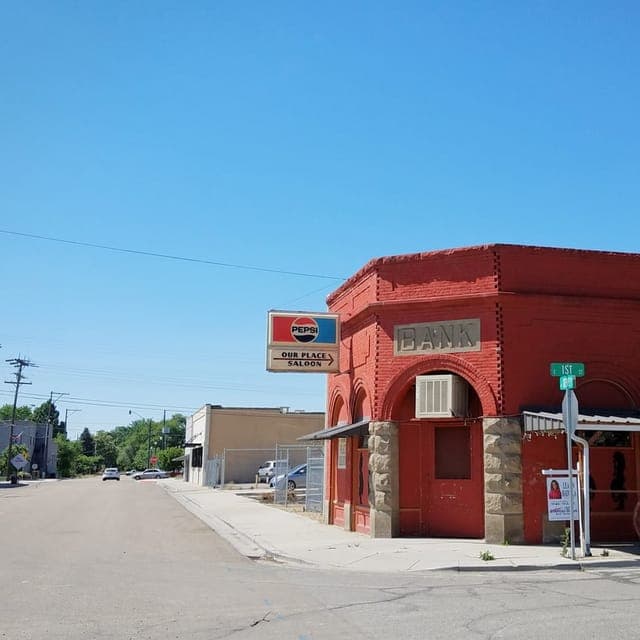
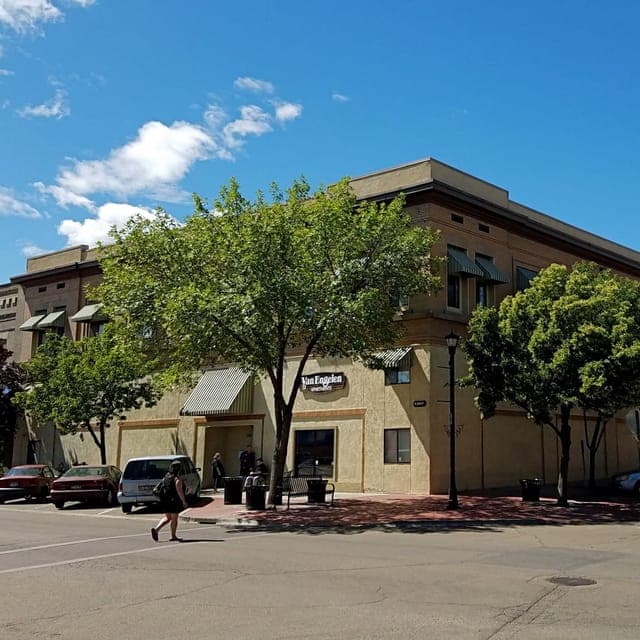
* Values derived from national, state, county, city and local statistics and may differ in a specific area. Last updated: 2026-04-14T06:22:46.000Z
Narrative content on this page is AI-generated and may contain mistakes. Verify any details that matter before acting on them.
ReloMaps may earn a commission from affiliate links at no extra cost to you.

