Political ClimatePolitical Climate in Independence, MO
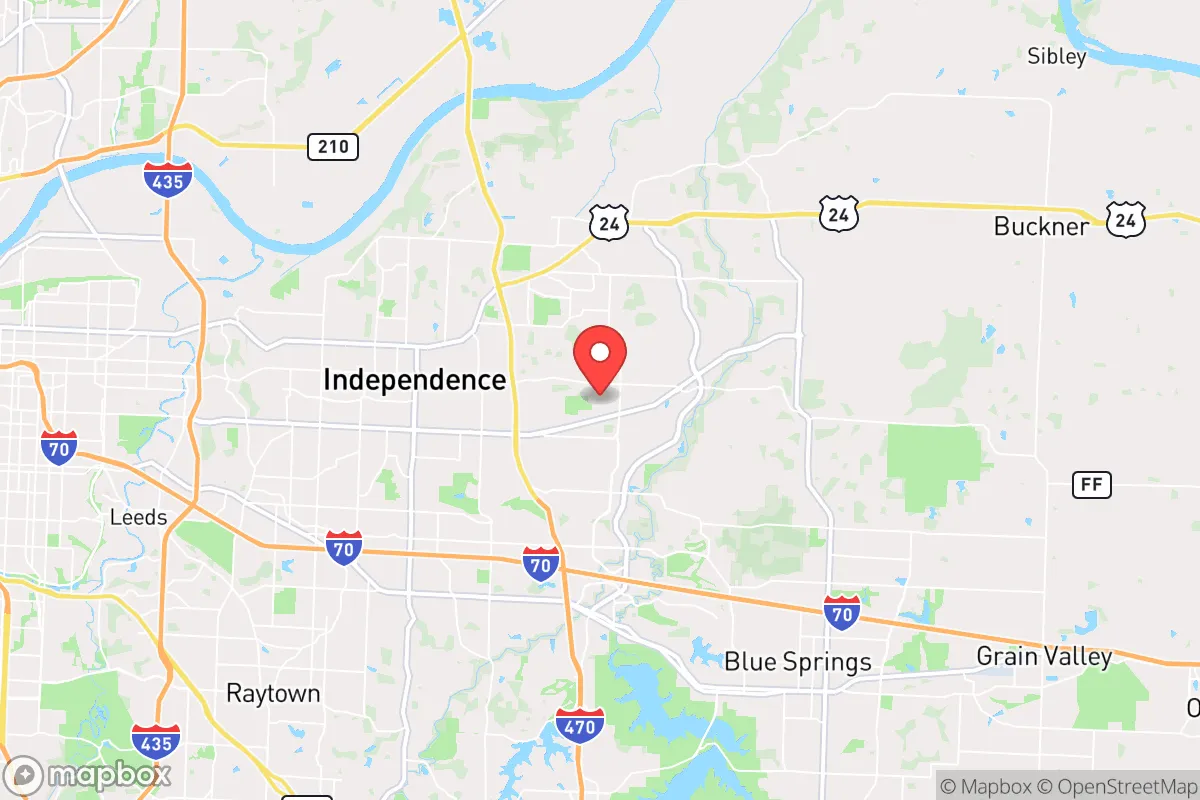
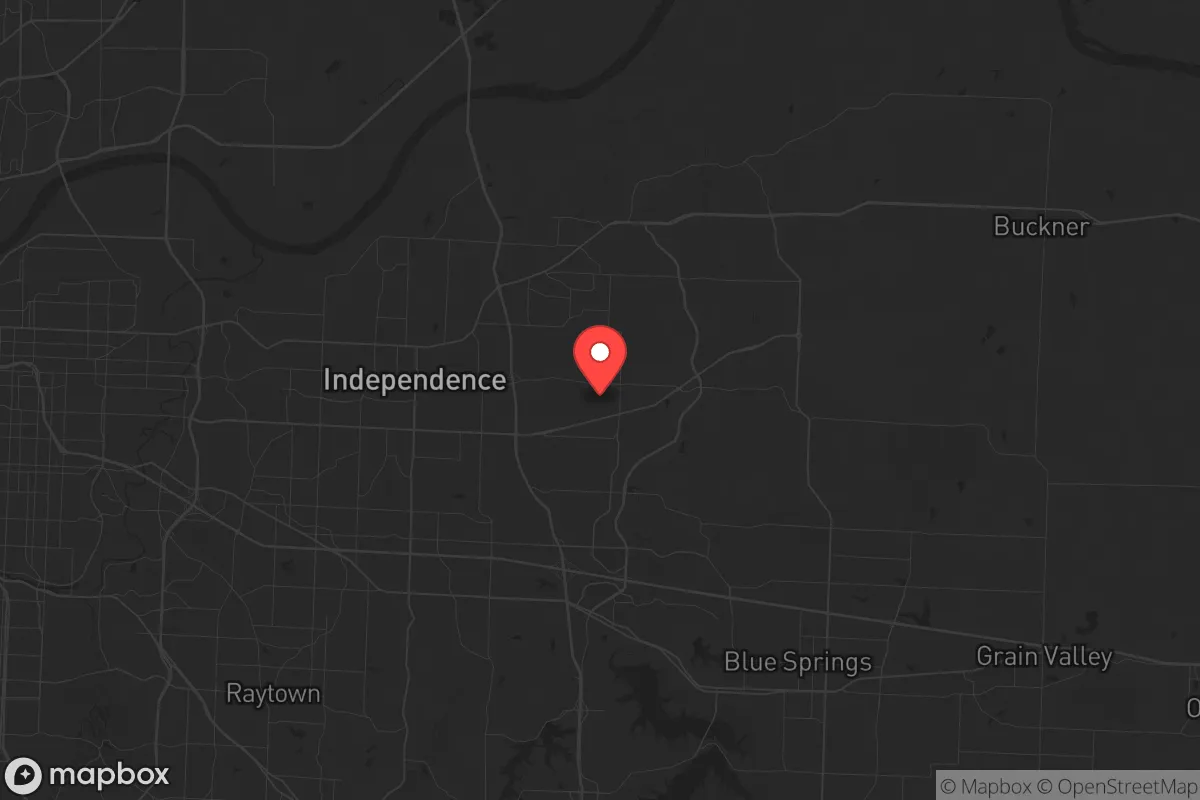
District shown is the primary district for this city’s centroid. Cities may span multiple districts.
Local Political AnalysisPolitical Analysis of Independence, MO
Independence, Missouri, has a Cook PVI of D+12, meaning it leans heavily Democratic in federal elections, but that number doesn't tell the whole story for someone living here. The city has a long, proud history as the hometown of President Harry Truman, and for decades that meant a kind of old-school, blue-collar Democrat who was pro-union but also fiscally conservative and wary of federal overreach. Over the last ten to fifteen years, though, you've seen a real shift—the old Truman Democrats are dying off or moving to more rural parts of Jackson County, and the new energy in local politics is coming from a younger, more progressive crowd that's pushing for things like higher minimum wages, more public housing initiatives, and stricter environmental regulations. It's not a radical change overnight, but the trajectory is clear: the political center of gravity here is moving left, and fast.
How it compares
If you drive just 15 minutes east to Blue Springs or 20 minutes north to Kearney, you'll find yourself in a completely different political world. Those towns are solidly red, with voters who are openly skeptical of the kind of policies gaining traction in Independence. The contrast is stark: in Blue Springs, you'll see "Don't Tread on Me" flags and local city council meetings where the main debate is about keeping property taxes low. In Independence, the conversation is more about expanding social services and rethinking police funding. Even within Jackson County itself, the rural eastern parts vote much more conservatively than the urban core around Independence and Kansas City. This split means that state-level representatives from this area are often more moderate than the local city council, creating a constant tug-of-war over things like gun rights and school curriculum mandates.
What this means for residents
For a long-time resident who values personal freedoms and limited government, the biggest red flag is the creeping sense that local government is getting more involved in your daily life. The city council has passed ordinances that feel like they're testing the boundaries—things like stricter noise ordinances that can be used to shut down backyard gatherings, or zoning changes that make it harder to run a small home-based business without a pile of permits. There's also been a push for "equity" initiatives in the school district that some parents see as prioritizing group identity over individual merit. The property tax rate here is already higher than in neighboring Blue Springs, and with the progressive agenda, there's a real worry that it'll keep climbing to fund programs that a lot of folks didn't ask for. It's not a police state by any means, but the attitude from city hall feels less like "how can we help you live your life" and more like "we know what's best for you."
Culturally, Independence still holds onto some of its conservative roots—you'll find plenty of churches, a strong veterans' community, and a general friendliness that hasn't been completely washed out. But the policy direction is undeniably shifting. The long-term concern is that if this progressive momentum continues, Independence could become a place where the cost of living goes up, personal freedoms get squeezed, and the kind of independent, self-reliant spirit that built this town gets replaced by a dependency on government programs. It's not there yet, but the warning signs are on the wall for anyone paying attention.

State Political ClimatePolitical Climate in Missouri
State Political AnalysisPolitical Environment in the State
Missouri has long been considered a bellwether state, but over the past 15-20 years it has shifted decisively from a classic swing state to a solidly Republican stronghold, with the GOP now holding supermajorities in both legislative chambers and every statewide office. The state voted for Donald Trump by double digits in both 2016 and 2020, and the 2024 results are expected to follow suit, driven by a powerful coalition of rural voters, suburban conservatives, and a growing exurban population. However, this rightward trend masks a deep internal battle between the dominant conservative majority and the concentrated progressive power of its two major metro areas, creating a political landscape that is both reliably red and perpetually contested.
Urban vs. rural divide
The political map of Missouri is a textbook study in the urban-rural chasm. The state’s two major population centers—St. Louis and Kansas City—are deep blue islands in a sea of red. St. Louis City and County, along with Jackson County (Kansas City), consistently deliver 70-80% of their votes to Democratic candidates, powered by union households, academic institutions like Washington University and UMKC, and a growing diverse population. In contrast, the vast rural and exurban areas—places like Springfield, Joplin, Cape Girardeau, and the sprawling Lake of the Ozarks region—vote Republican by margins of 70% or more. The real battleground has shifted to the suburbs: St. Charles County, once a swing area, has become a GOP stronghold, while Clay County (north of Kansas City) and Jefferson County (south of St. Louis) have trended hard right. The I-70 corridor from Kansas City to St. Louis is the political spine, but the real action is in the fast-growing exurbs like Wentzville and O'Fallon, where conservative families are fleeing the cities for lower taxes and more school choice.
Policy environment
Missouri’s policy environment is aggressively conservative, with a strong emphasis on limited government and low taxation. The state has a flat income tax rate of 4.95% (with a trigger to drop to 4.5% if revenue targets are met), no estate tax, and a relatively low corporate tax rate. Property taxes are among the lowest in the nation, averaging around 0.9% of home value. The state is a right-to-work state (though the law was repealed by ballot initiative in 2018, the legislature has since passed a new version), and it has some of the weakest labor union protections in the country. On education, Missouri has a robust charter school system in St. Louis and Kansas City, and a growing school choice movement, with the MOScholars program providing tax-credit scholarships for private school tuition. The state’s healthcare landscape is mixed: it expanded Medicaid under the Affordable Care Act via a 2020 ballot initiative, a move that many conservatives opposed, but the state has not implemented a state-based exchange and has resisted further expansion. Election laws have been tightened, with a voter ID requirement passed in 2022 and restrictions on ballot harvesting, though the state still allows no-excuse absentee voting. The Second Amendment is strongly protected, with permitless carry (constitutional carry) signed into law in 2016, and a "stand your ground" law on the books.
Trajectory & freedom
Missouri is on a trajectory of expanding personal freedom in several key areas, but with notable exceptions. The most significant recent win for liberty was the passage of HB 85 in 2021, which eliminated the requirement for a concealed carry permit, making Missouri a constitutional carry state. The legislature has also passed laws protecting parental rights in education, including a ban on critical race theory in K-12 classrooms and a requirement that schools notify parents of any "sexually explicit" instructional materials. In 2023, the state passed a sweeping Second Amendment Preservation Act (SAPA), which declares federal gun laws that infringe on the right to keep and bear arms as invalid in Missouri, though it has faced legal challenges. On the medical freedom front, Missouri has not imposed any COVID-19 vaccine mandates on private businesses or schools, and the legislature has passed bills prohibiting vaccine passports and discrimination based on vaccination status. However, the state has seen a concerning trend in the expansion of government power in the name of "public safety," including the use of state emergency powers during the pandemic that many conservatives felt were overreaching. The Missouri Freedom Caucus has been a vocal force pushing back against any perceived encroachment on individual liberties, particularly on issues of medical autonomy and parental rights.
Civil unrest & political movements
Missouri has been a flashpoint for civil unrest, most notably in the aftermath of the 2014 Ferguson protests, which reshaped the national conversation on policing and race. The St. Louis region continues to see periodic protests, particularly around issues of police accountability and racial justice, with groups like Action St. Louis and Metro St. Louis Coalition for Inclusion and Equity organizing demonstrations. On the right, the state has seen a surge in grassroots activism, particularly around election integrity and Second Amendment rights. The Missouri Republican Assembly and local Moms for Liberty chapters have been highly active in school board races and legislative advocacy. Immigration politics are less heated than in border states, but there have been flashpoints over sanctuary city policies in St. Louis and Kansas City, with the state legislature passing a law in 2023 that allows the attorney general to sue local governments that adopt sanctuary policies. Election integrity remains a hot-button issue, with the 2020 election sparking widespread skepticism among conservatives, leading to the creation of a statewide election security task force and the passage of stricter voter ID laws. The state has also seen a growing nullification movement, with several counties passing resolutions declaring themselves "Second Amendment sanctuaries" and refusing to enforce certain federal gun laws.
Projection
Over the next 5-10 years, Missouri is likely to become even more conservative, driven by two key demographic trends: the continued exodus of liberal-leaning residents from St. Louis and Kansas City to more affordable and conservative suburbs, and the influx of conservative migrants from blue states like Illinois and California, who are drawn by the state’s low taxes and gun-friendly laws. The I-70 corridor will continue to be the political battleground, but the balance of power is shifting decisively toward the exurbs and rural areas. The state’s population is projected to grow modestly, with the fastest growth in the Springfield and Branson areas, as well as the Lake of the Ozarks region, all of which are deeply conservative. The biggest wildcard is the potential for a Democratic resurgence in the suburbs if the GOP overreaches on social issues like abortion (which is now banned in Missouri with no exceptions for rape or incest) or if the state’s education system fails to keep pace with the demands of a growing population. However, given the current trajectory, a new resident moving to Missouri today can expect to find a state that is increasingly aligned with conservative values on taxes, guns, and parental rights, but with a persistent and vocal progressive minority concentrated in the two major cities.
Bottom line for a new resident: If you’re looking for a state that respects your right to keep and bear arms, keeps taxes low, and gives you a say in your kids’ education, Missouri is a strong bet. Just know that the culture war is alive and well here, and you’ll need to pick your county carefully—St. Louis City and Kansas City are a world apart from the rest of the state. The political climate is stable and trending in your favor, but the fight over the soul of the state is far from over.
* Values derived from national, state, county, city and local statistics and may differ in a specific area. Last updated: 2026-04-29T21:11:02.000Z
Narrative content on this page is AI-generated and may contain mistakes. Verify any details that matter before acting on them.
ReloMaps may earn a commission from affiliate links at no extra cost to you.

