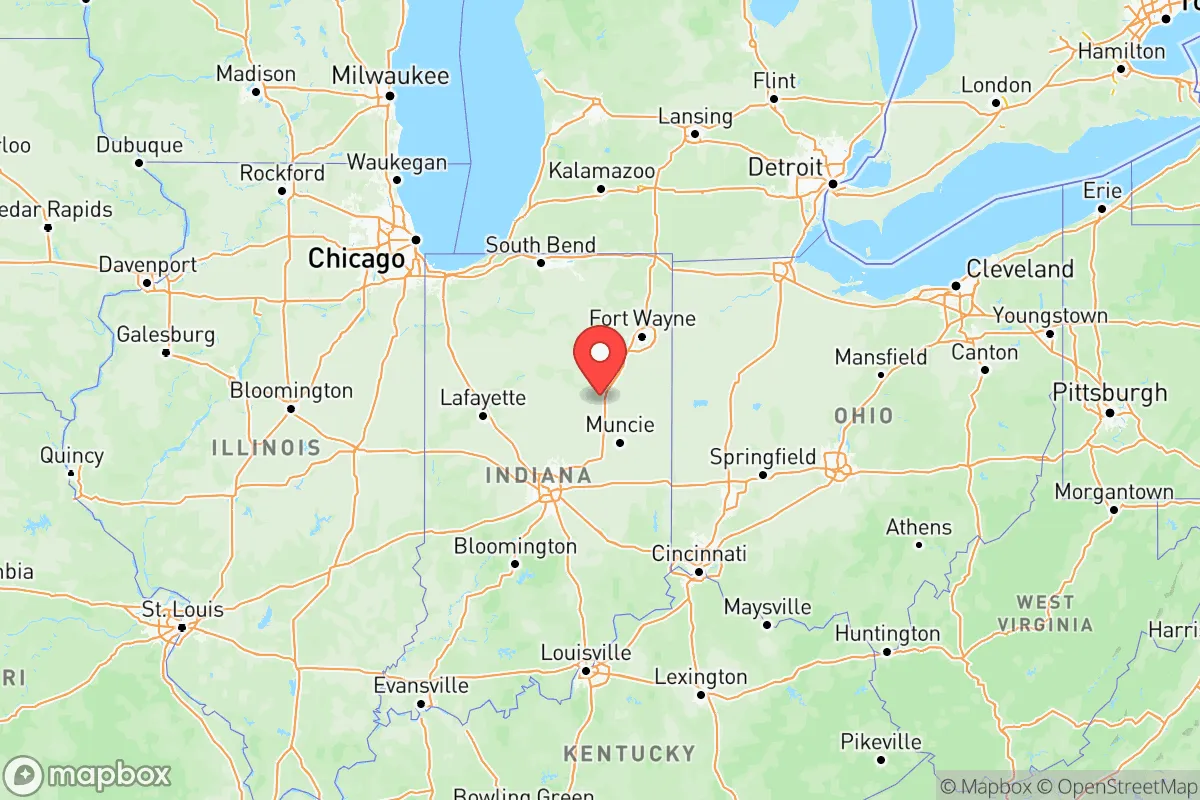
Photo: Wikipedia
Strategic Assessment of Indiana
Meaningful friction. Expect exposure to either population pressure, blast zones, or natural disaster risk. Consider buying a retreat property.
What does the Strategic Assessment tell us?
Our Strategic Assessment grades tactical survivability of an area. Major population centers, military targets, fallout zones, natural disasters, and border exposure all drive risk — lower exposure means a more defensible position in a crisis.
This is heavily inspired by Joel Skousen's Strategic Relocation book. Highly recommended you checkout the book ($)What does this tell us?
Our Strategic Assessment grades tactical survivability of an area. Major population centers, military targets, fallout zones, natural disasters, and border exposure all drive risk — lower exposure means a more defensible position in a crisis.
This is heavily inspired by Joel Skousen's Strategic Relocation book. Highly recommended you checkout the book ($)Regional Safe Places
Below is our recommended "safe zones" in Indiana and the surrounding area based on our strategic heuristics. For most people, it's unrealistic to live in a “safe zone” full-time due to work, family or other personal reasons. They tend to be more rural. However, many of these areas are perfect for second homes and retreat properties that double as a vacation home or even a short-term rental.

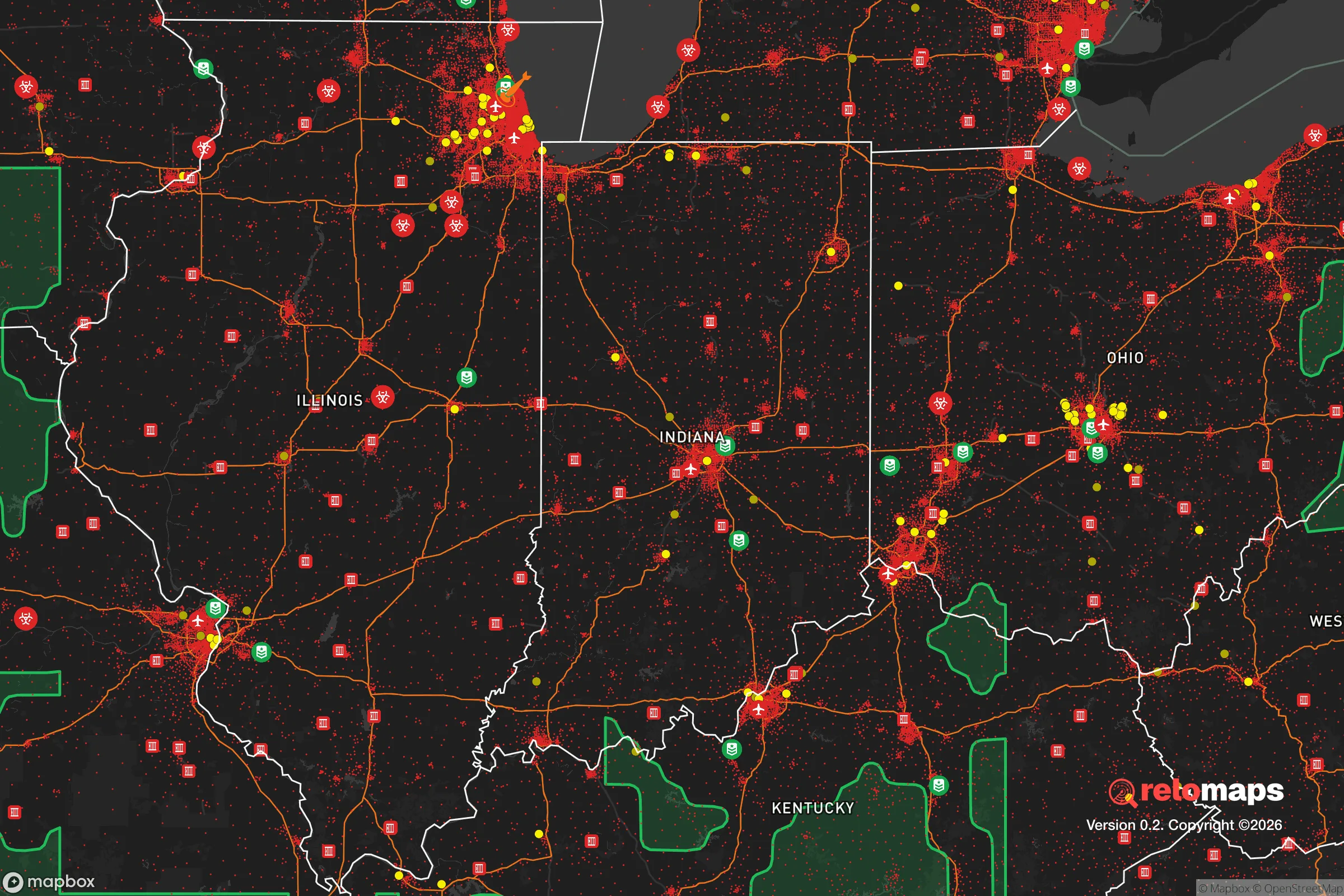


Important Note: For informational purposes only. This does not mean nothing bad ever happens in the green zones. Please use common sense. This is based on public data and modeled with AI. We tried to take a conservative approach but mistakes happen. We update this regularly as new information becomes available.
Solar Generator Recommendations
Backup power matters more here than in safer locations. We've picked three solar generators across budgets and capacity tiers — start with the budget unit if you only need a few essentials, or step up if you want to run a fridge and HVAC for days at a time.

Jackery Portable Power Station Explorer 300
Budget OptionPower on the Go: Weighing only 11 lbs, it's convenient to set up and store with book-sized foldable solar panels

BLUETTI Portable Power Station AC180
Designed for both indoor and outdoor scenarios, AC180 is highly capable as it has a robost capacity and continuous output power.

EF ECOFLOW DELTA Pro Ultra Power Station
Upgraded PickEcoFlow DELTA Pro Ultra is a whole-home energy system designed to grow with your family. Integrated with the Smart Home Panel 2, it scales to meet your evolving energy needs — keeping your home powered, intelligent, and secure through every stage of life.
We earn a commission, at no additional cost to you.
Strategic Assessment Analysis
Indiana offers a compelling mix of Midwestern stability and strategic depth for those prioritizing resilience, but it requires careful site selection to avoid the very risks you're trying to escape. The state's central location—within a day's drive of two-thirds of the U.S. population—is both an economic asset and a liability, depending on where you plant your flag. For a conservative-leaning relocator focused on self-sufficiency and avoiding the chaos of coastal collapse, Indiana's real value lies in its agricultural backbone, relatively low population density outside the I-65 corridor, and a political climate that still respects property rights and local control. But you can't just pick a spot on a map; the difference between a defensible homestead and a deathtrap near a refinery or military target is measured in miles.
Geographic position and natural advantages for long-term security
Indiana sits in the heart of the Corn Belt, which means you're surrounded by the most productive farmland in the world. The state's flat to gently rolling terrain is ideal for small-scale agriculture, and the growing season—roughly 150 to 180 days in the southern half—is long enough to produce a serious food surplus. Water is abundant: the Great Lakes border the northwest corner, and the Wabash River system drains most of the state, with the Ohio River forming the southern boundary. For a prepper, that means you can secure a property with a well and a pond without much trouble, especially in rural counties like Switzerland, Ohio, or Crawford, where land is cheap and neighbors are few. The downside? Indiana is seismically quiet and rarely sees hurricanes or wildfires, but it does get tornadoes—especially in the central and northern regions. The Hoosier National Forest in the south offers 200,000 acres of public land for hunting and foraging, though it's not remote enough to hide from a determined group. The state's lack of major mountain ranges or natural barriers means you'll rely on distance and community ties for defense, not geography.
Risks, exposures, and proximity to fallout-relevant landmarks
Here's where Indiana gets tricky. The state is home to several high-value targets that could become fallout zones or flashpoints during a major crisis. Grissom Air Reserve Base near Kokomo and Camp Atterbury south of Indianapolis are military installations that would be prime targets in a conflict. The BP Whiting Refinery on Lake Michigan—one of the largest in the Midwest—is a massive industrial hazard; a strike or accident there could contaminate a wide area downwind. The Indiana Harbor and Canal complex in East Chicago is another industrial chokepoint. Indianapolis itself, with its population of nearly 900,000, is a logistical hub for the region—think FedEx, Amazon, and major rail yards—which makes it a likely target for civil unrest or supply chain disruption. For a relocator, the rule is simple: stay at least 50 miles from any major city, military base, or refinery. That rules out most of the I-65 corridor from Gary to Louisville. The safest bets are the rural counties along the Ohio River, like Perry, Spencer, and Warrick, where you're far from the big targets but still close to the river for trade and water access. Even there, you need to account for the Marion County fallout plume if Indianapolis were hit—prevailing winds blow east-northeast, so anything west of Indy is safer.
Practical resilience for a relocator: food, water, energy, and defensibility
If you're serious about self-sufficiency, Indiana delivers on the basics. The state's agricultural output is staggering: corn, soybeans, hogs, and poultry are everywhere, and you can buy a 10-acre parcel with a well and septic for under $100,000 in many southern counties. Water is not a concern—the average annual rainfall is 40 inches, and groundwater is plentiful in the glacial till that covers most of the state. For energy, Indiana is a net exporter of electricity, thanks to coal and natural gas plants, but you'll want solar panels and a backup generator because the grid is aging and vulnerable to cyberattacks. The Hoosier Energy cooperative serves rural areas and is more reliable than the investor-owned utilities in the cities. Defensibility is a mixed bag: the flat terrain means you can see threats coming from a mile away, but it also means you have no natural cover. A property with a creek or pond on the back side and a long driveway with a clear field of fire is ideal. Neighbors in rural Indiana tend to be armed and self-reliant—the state has some of the most permissive gun laws in the country, including constitutional carry—so community defense is a real option if you build relationships. The Amish and Mennonite communities in northern and central Indiana are a huge asset; they already live off-grid and have skills in blacksmithing, animal husbandry, and food preservation. If you can trade with them, you're ahead of 90% of preppers.
The overall strategic picture for Indiana is one of cautious optimism. It's not a fortress state like Idaho or Montana, but it offers a realistic path to resilience for someone willing to do the work. The key is to avoid the obvious danger zones—Indianapolis, Gary, the Whiting refinery, and the military bases—and instead focus on the southern tier of counties, where the population is sparse, the land is cheap, and the Ohio River provides a natural trade route and water source. You'll need to invest in a well, solar panels, and a good root cellar, but the climate and soil will reward your effort. The political environment is favorable: Indiana is a solid red state with low taxes, minimal regulation on property use, and a culture that still values self-reliance over government dependency. The biggest risk is complacency—thinking that because you're in the Midwest, you're safe. You're not safe from a pandemic, a currency collapse, or a coordinated attack on the grid. But if you pick the right spot, build the right relationships, and stock the right supplies, Indiana gives you a fighting chance. Just don't get caught within 30 miles of a refinery when the lights go out.

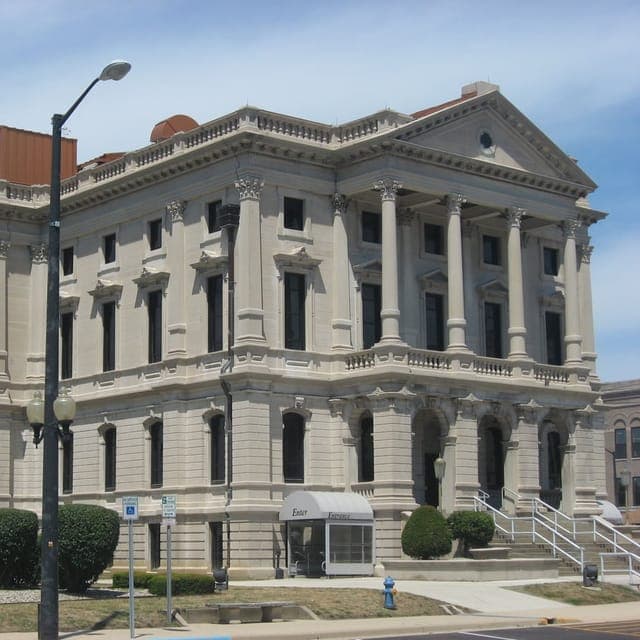
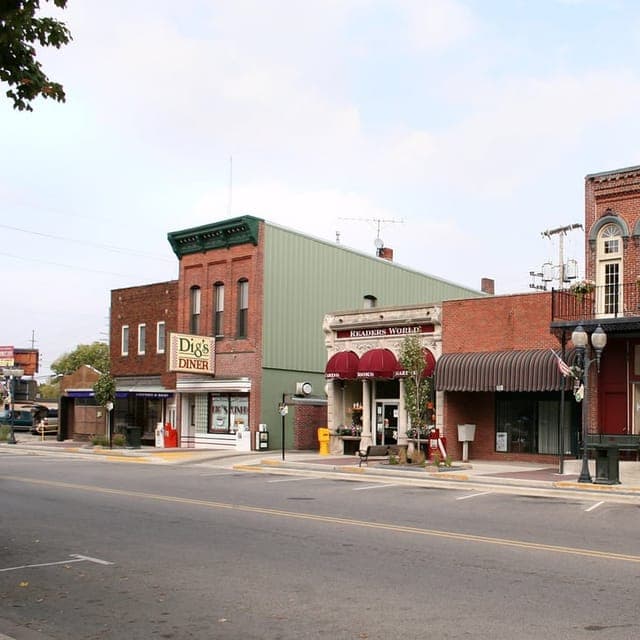
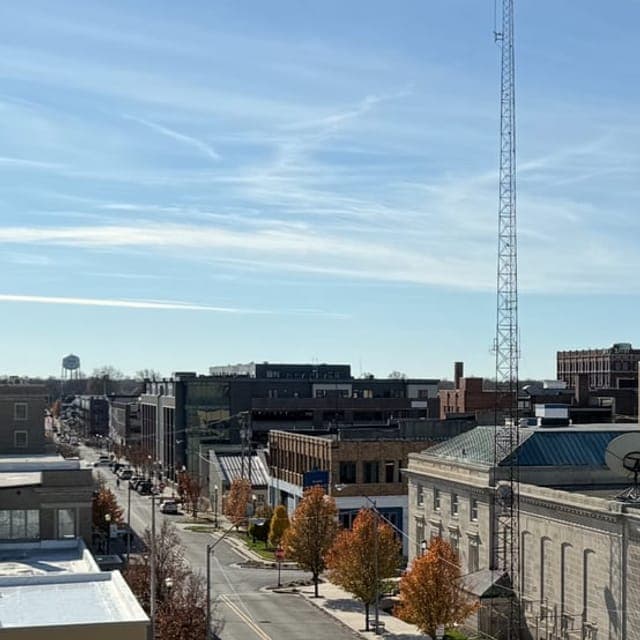
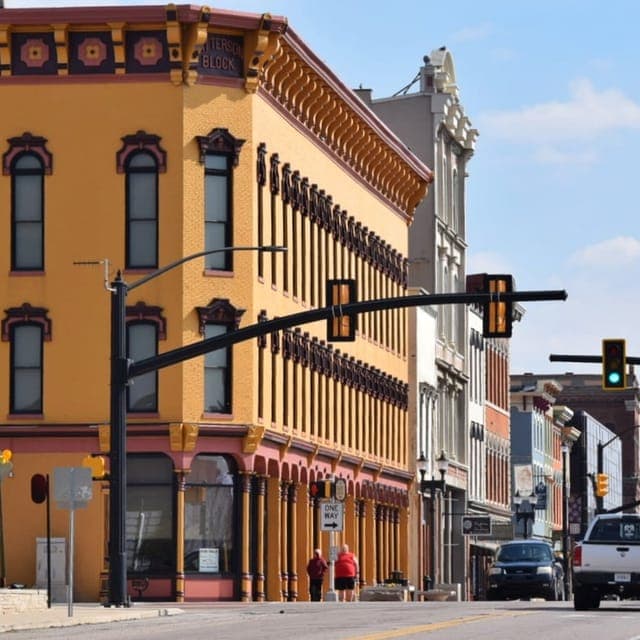
Top 10 Cities by Strategic Assessment in Indiana
* Values derived from national, state, county, city and local statistics and may differ in a specific area. Last updated: 2026-04-14T06:23:11.000Z
Narrative content on this page is AI-generated and may contain mistakes. Verify any details that matter before acting on them.
ReloMaps may earn a commission from affiliate links at no extra cost to you.

