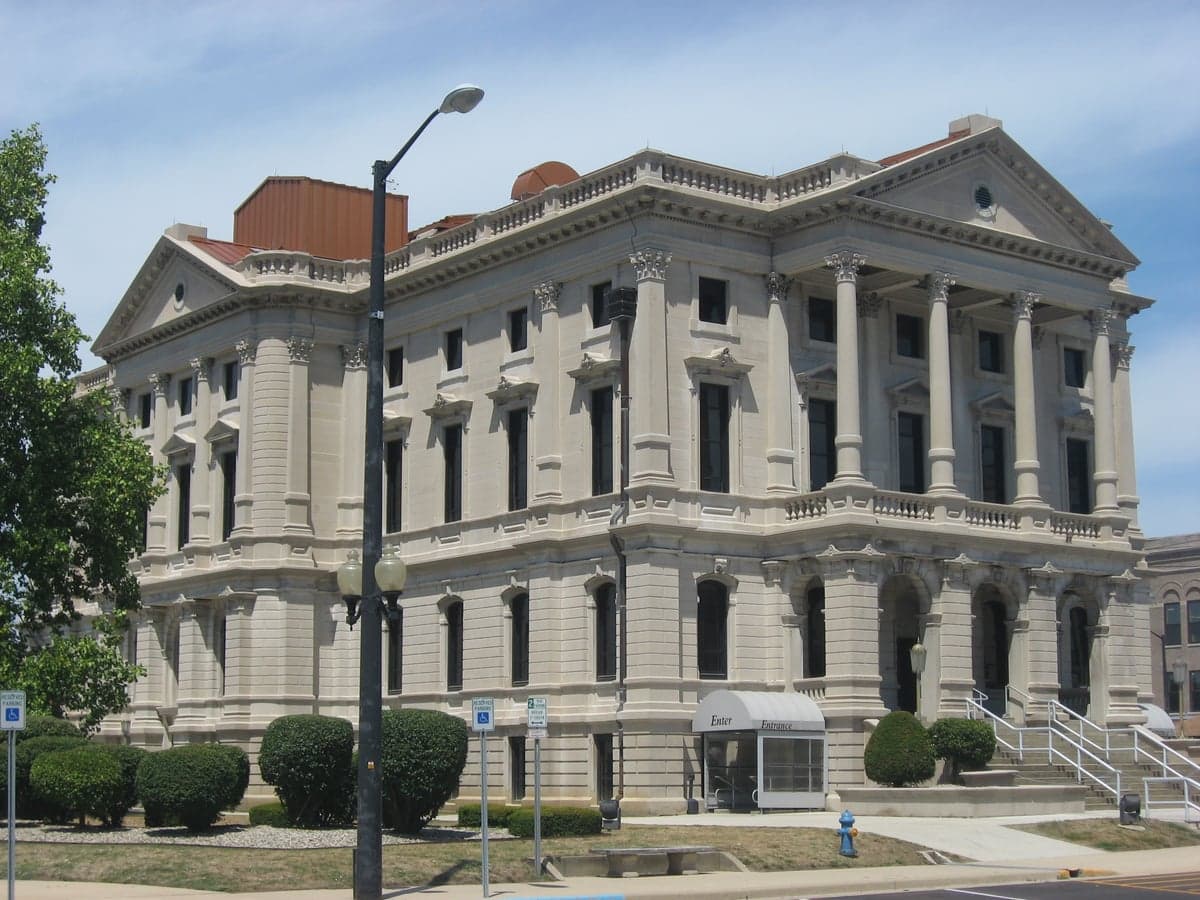
Photo: Wikipedia
Find The Best Places To Live
in Marion
PRO TIP! You can paste a Zillow or Redfin link to get info on that property.
What It's Like Living in Marion, IN
Living in Marion, Indiana, feels a bit like stepping into a quieter, more grounded version of the Midwest—a place where the pace is slow, the people are direct, and the cost of living is almost startlingly low. It’s a town that’s seen better days economically but holds onto a stubborn, friendly pride. If you’re looking for a place where your dollar stretches further than you’d believe and where high school football on a Friday night is still a genuine event, Marion might surprise you.
The Daily Rhythm: Slow, Affordable, and Surprisingly Central
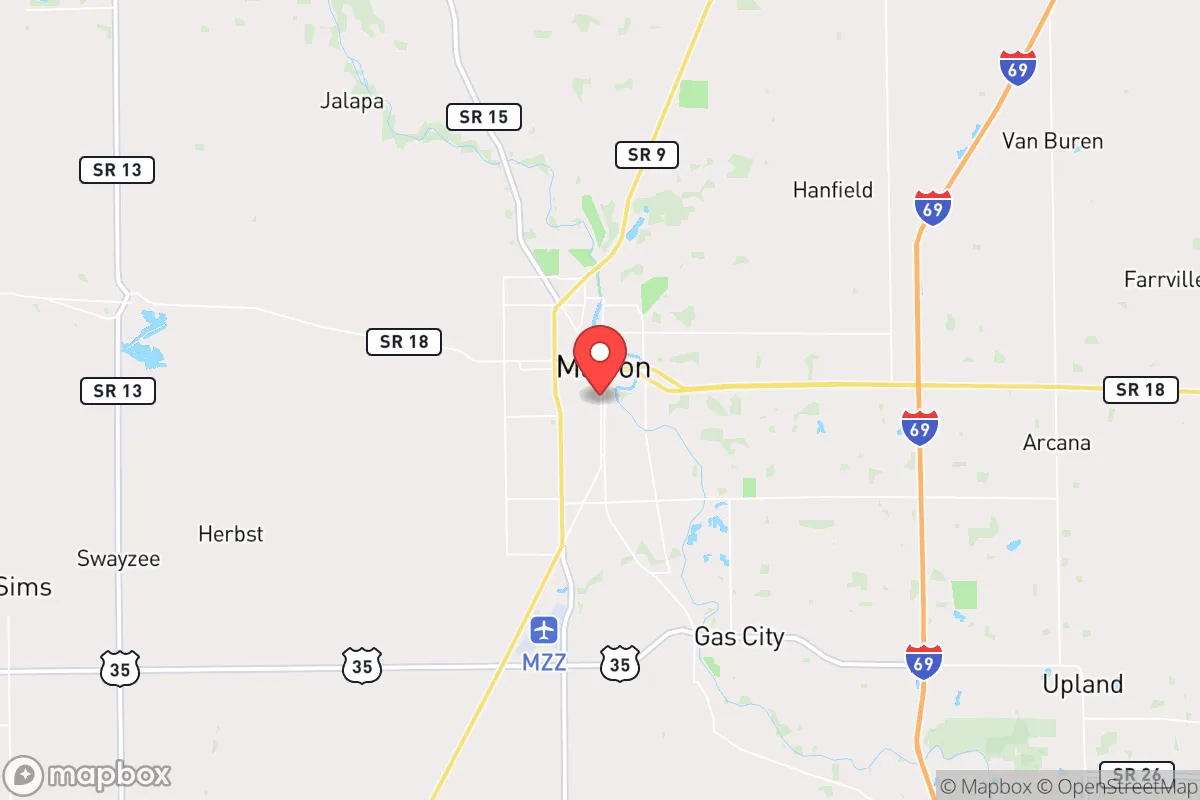
Most days in Marion move at a deliberate pace. The average commute is just over 17 minutes, which means you’re not spending your life in a car—you’re home for dinner, or at a local spot like Mississinewa Reservoir for a quick evening walk. People here shop at the local Walmart or Kroger, grab coffee at a drive-thru, and spend weekends on practical projects: yard work, fishing, or driving the short 20 minutes to Gas City or Upland for a change of scenery. The median age is 34.8, which is younger than you might expect for a small industrial city, giving it a slightly more family-focused, early-career feel than a retirement town. The median household income sits at $43,349, which is modest, but with a cost of living index of 51—literally half the national average—that income goes a long way. A median home value of $83,200 means a young couple or a single person can actually buy a house here, not just rent.
Sports, Community, and What People Actually Do
High school sports are the heartbeat of Marion’s social calendar. Marion High School’s Giants football and basketball games draw real crowds, and the town rallies around them in a way that feels genuinely communal—not just for show. On the college side, Indiana Wesleyan University brings a modest but noticeable energy, with its own athletics and a steady stream of students who filter into local coffee shops and restaurants. For entertainment, the Marion Philharmonic Orchestra and the Marion Public Library host regular events, but the real draw is the Mississinewa 1812 festival each October—a massive living-history reenactment that pulls in thousands and turns the town into a temporary frontier village. It’s quirky, hands-on, and the kind of thing longtime residents genuinely look forward to. For a night out, locals head to Half Pint Brewing Co. for craft beer or Elmo’s for a classic bar atmosphere. The outdoor scene revolves around Matter Park and the reservoir, where you can boat, hike, or just sit by the water. It’s not a nightlife town—it’s a “let’s meet at a friend’s house or catch a game” kind of place.
The Honest Trade-Offs: What Works and What Frustrates
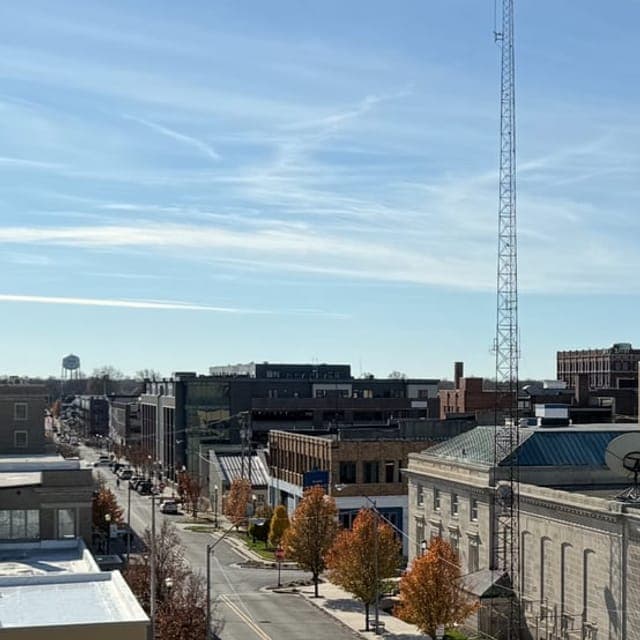
The biggest upside is obvious: you can live here on a modest income and actually own a home. The violent crime rate is 109.9 per 100,000, which is below the national average—a relief for families and single women looking for safety. Traffic is nonexistent; you’ll never sit in a real jam. The weather is classic Indiana: hot, humid summers, cold winters with some snow, and a beautiful but brief spring and fall. You learn to dress in layers and keep a shovel handy. The frustration for many is the lack of high-paying jobs. Only 17.1% of adults hold a bachelor’s degree, and the local economy leans heavily on manufacturing, healthcare (Marion Health is a major employer), and education. If you’re a remote worker or have a specialized career, you’ll love the low costs; if you need a local professional job, you’ll find the pickings slim. Another honest gripe: the downtown has struggled for decades. There are a few gems—like the historic Marion Palace Theatre—but many storefronts sit empty. Residents who’ve been here 20 years will tell you they miss when the town felt busier.
Who Fits In and Who Might Struggle
Marion works best for someone who values affordability over amenities, who doesn’t need a trendy restaurant on every corner, and who finds satisfaction in a tight-knit, slower rhythm. It’s a good fit for a single person starting out, a young family wanting a yard and a safe school district, or a retiree on a fixed income. It’s less ideal for someone who craves cultural diversity, high-end shopping, or a vibrant nightlife. The political lean here is conservative, with a practical, blue-collar sensibility—church attendance is common, and community events often have a faith-based or patriotic undertone. The schools, particularly Marion Community Schools, are a central part of life; school events are where you meet your neighbors. If you’re the kind of person who likes to know your mail carrier by name and doesn’t mind driving 45 minutes to Fort Wayne or Muncie for a big shopping trip, Marion will feel like home. If you need constant stimulation, you’ll feel the quiet.

Similar towns to Marion
* Values derived from national, state, county, city and local statistics and may differ in a specific area. Last updated: 2026-04-22T10:36:51.000Z
Narrative content on this page is AI-generated and may contain mistakes. Verify any details that matter before acting on them.
ReloMaps may earn a commission from affiliate links at no extra cost to you.

