Photo: Wikipedia
Quality of Life in Iowa City, IA
A high quality of life with strong walkability, manageable living costs, healthy neighborhood signals, and solid amenity access.
What does Quality of Life tell us?
Quality of Life blends cost of living, nearby amenities, socioeconomic signals, and neighborhood character. City-level scores represent the whole municipality; individual neighborhoods can differ.
What does this tell us?
Quality of Life blends cost of living, nearby amenities, socioeconomic signals, and neighborhood character. City-level scores represent the whole municipality; individual neighborhoods can differ.
Cost of Living
5% below national average
The Real Cost of Living in Iowa City, IA for 2026
| Tier | Individual | Family (4) |
|---|---|---|
| Survival | $17k | $33k |
| Comfortable | $53k | $78k |
| Luxury | $104k+ | $161k+ |
| Elite (Top 5%) | $156k+ | $242k+ |
74%
The Area Signal
A metric tracking the socioeconomic signals of the area.
Hobbies
Explore the areaGroceries
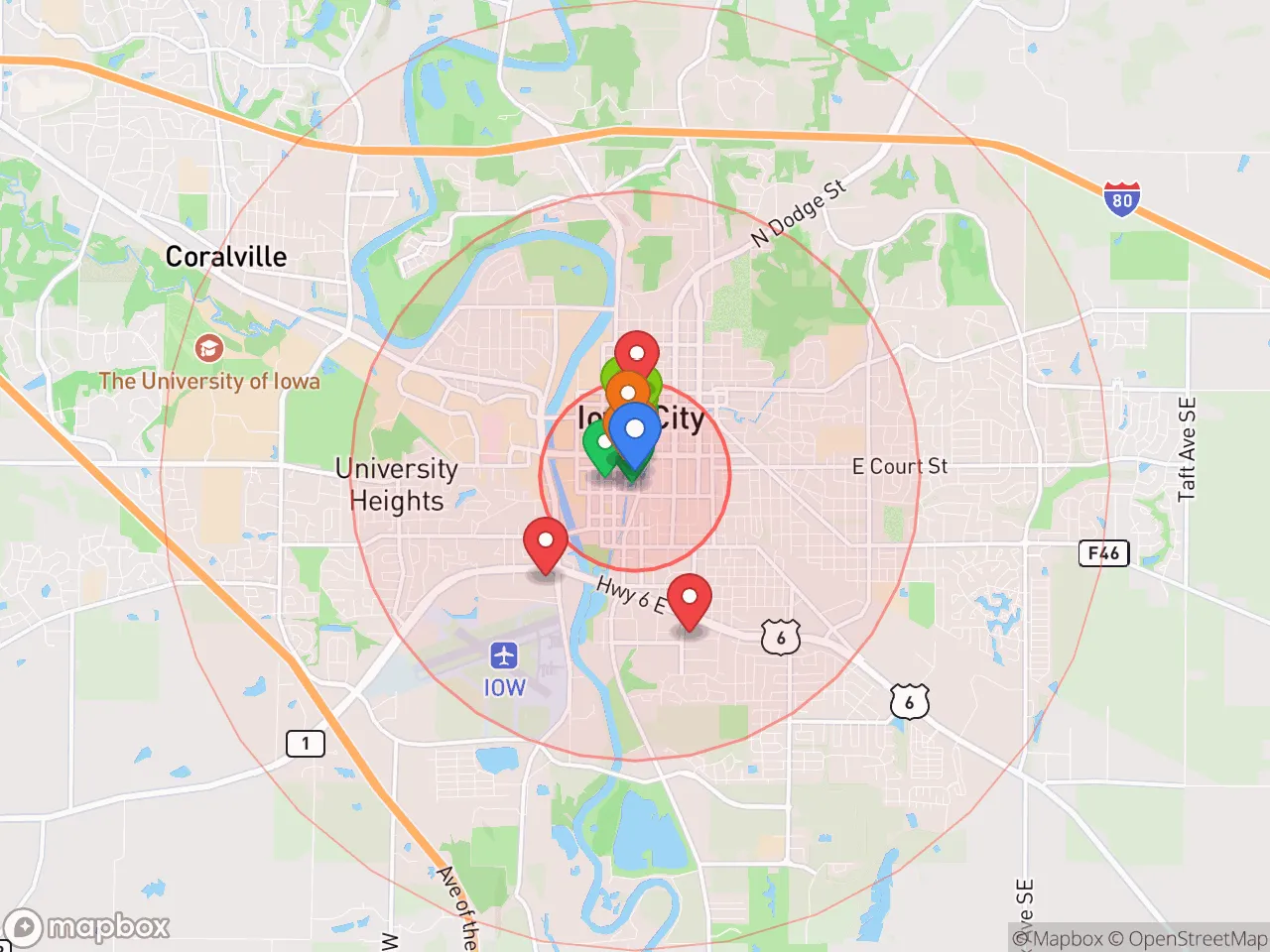
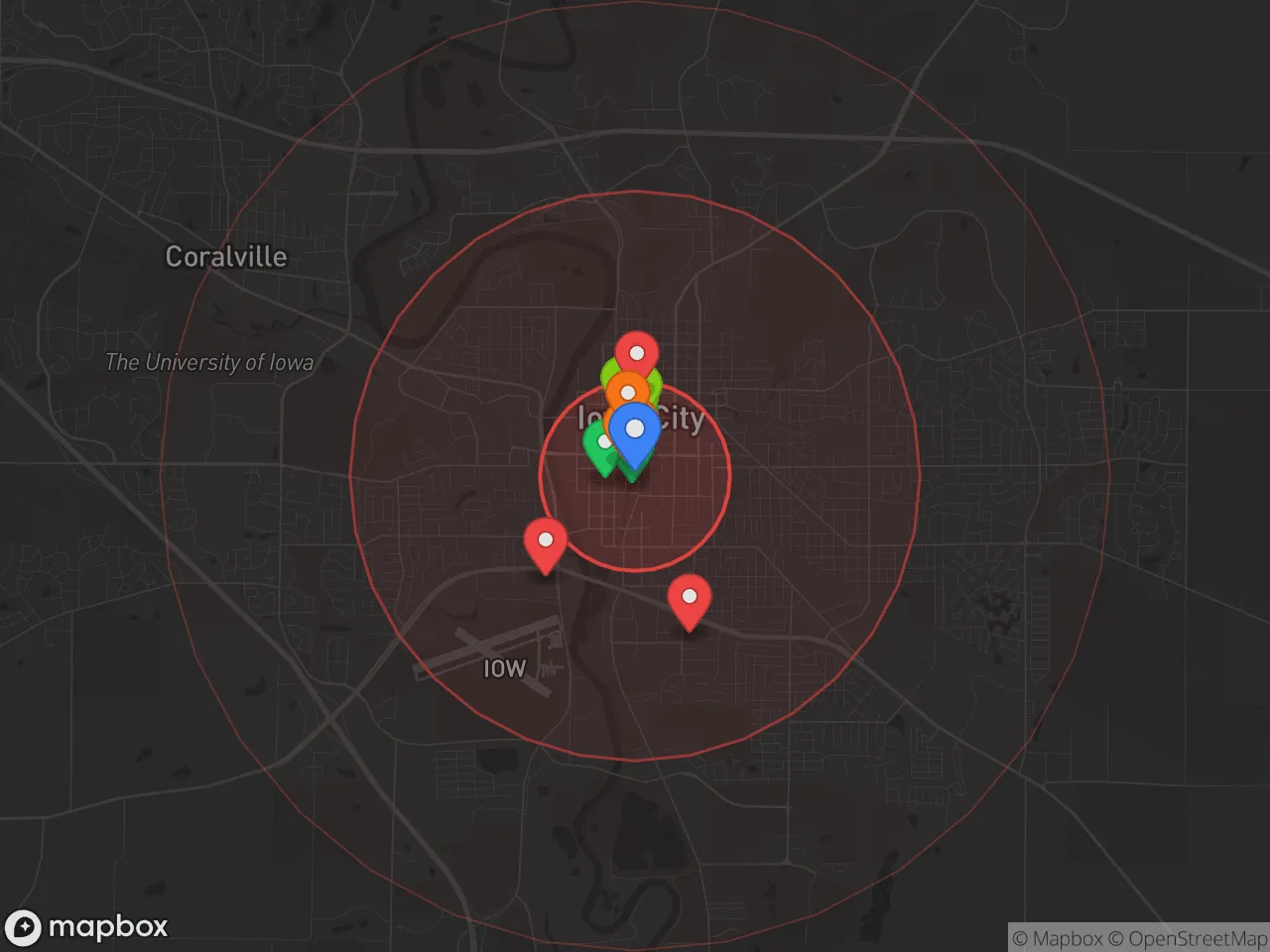
5 within 10 miles
Gas
20 within 10 miles
Hospital
7 within 20 miles
Airport
ORD — O'Hare International
Post Office
USPS — Iowa City, IA
Critical Amenities
Quality-of-Life Analysis
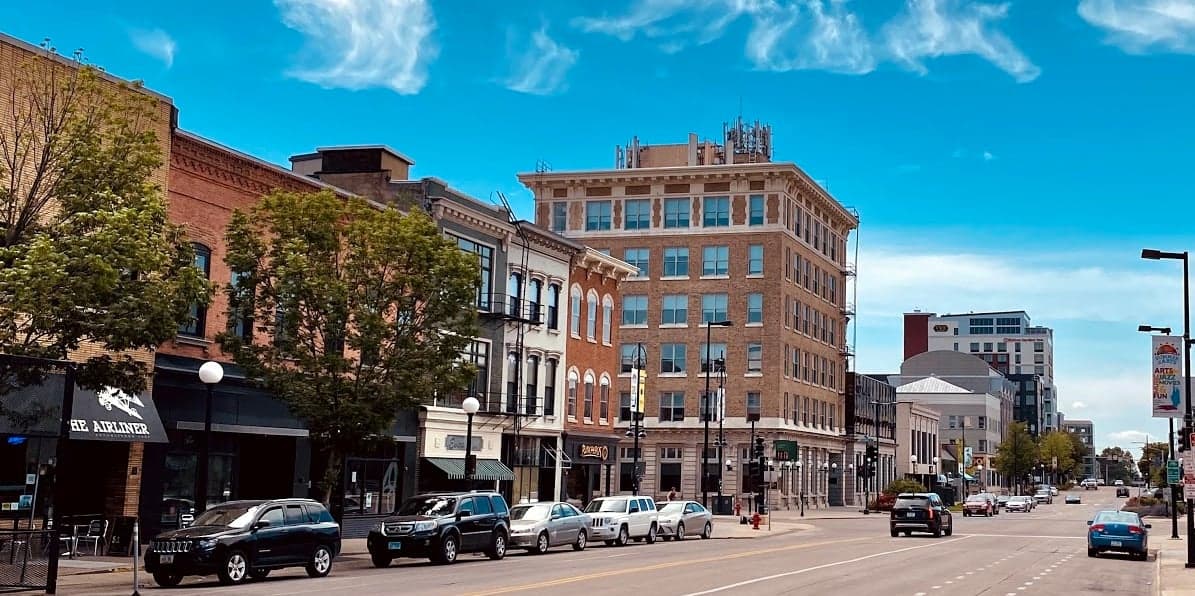
Iowa City is an affluent, educated college town where the typical resident is a renter, a student, or a professional drawn to the University of Iowa and the region’s strong public schools. With a cost-of-living index of 95 (100 is the U.S. average), the city offers a tangible discount on everyday expenses compared to the national norm, yet its housing market is notably tighter and pricier than in surrounding Johnson County communities. The population skews young and transient—roughly 40% of residents are between 18 and 24—giving the city a distinctly academic, energetic character that sets it apart from the more family-oriented suburbs of Coralville and North Liberty.
Cost of living, housing affordability, and how Iowa City compares to nearby towns
Iowa City’s overall cost of living sits 5% below the national average, but housing tells a more nuanced story. The median home value is $273,600, which is roughly 15% higher than in neighboring Coralville ($238,000) and about 20% above North Liberty ($228,000). For renters, the median monthly rent of $1,094 is a relative bargain compared to the national median of $1,400, but it still represents a significant share of income for students and service workers. The average commute of just 17.8 minutes is among the shortest in the Midwest, meaning residents can live in more affordable outlying towns like Tiffin or Solon and still reach downtown Iowa City in under 20 minutes. Property taxes in Johnson County run about 1.5% of assessed value—moderate by national standards—but the city’s strong demand from university employees and medical professionals keeps home prices climbing faster than in rural parts of the county.
What daily life is like: amenities, schools, and the local rhythm
Daily life in Iowa City revolves around the University of Iowa campus, the pedestrian-friendly downtown, and a robust network of parks and trails. The Iowa City Community School District consistently ranks among the top in the state, with City High and West High both earning U.S. News silver medals and a district-wide graduation rate above 90%. The city’s walkable core—centered on the Pedestrian Mall—hosts independent bookstores, farm-to-table restaurants, and live music venues like the Englert Theatre. For outdoor recreation, the 10-mile Iowa River Trail connects campus to Lake Macbride State Park, and the city’s 70+ parks include the expansive Hickory Hill Park. The rhythm is distinctly seasonal: fall Saturdays are dominated by Hawkeye football crowds, while summer brings the Iowa City Jazz Festival and a quieter, student-lite atmosphere. Healthcare access is exceptional, anchored by the University of Iowa Hospitals and Clinics, a Level 1 trauma center and one of the largest teaching hospitals in the country.
Iowa City is best suited for people who value intellectual energy, walkability, and strong public services over low housing costs or a quiet suburban pace. Young professionals, graduate students, and faculty will find the most natural fit, as the city’s economy, social life, and housing stock are all shaped by the university’s presence. Families with school-age children should weigh the higher home prices against the district’s top-tier ratings and the short commute times. Retirees or remote workers seeking a lower cost of living may prefer nearby Coralville or North Liberty, where housing is cheaper and the pace is slower. For anyone who wants a compact, bikeable city with a world-class hospital and a calendar full of cultural events, Iowa City delivers a quality of life that punches well above its population of 75,000.

Crime in Iowa City, IA
Generally safer than 60% of comparable U.S. locations.
Violent CrimeViolent Crime Analysis
Property CrimeProperty Crime Analysis
Crime Analysis
Iowa City’s overall crime rate is elevated compared to national averages, driven primarily by property crime, while violent crime remains below the U.S. median. The city reported a violent crime rate of 255.3 incidents per 100,000 residents and a property crime rate of 1,603 per 100,000 in the most recent data. These figures place Iowa City in a cautionary position for prospective residents, particularly given the influence of progressive judicial policies in Johnson County, which critics argue prioritize offender rehabilitation over public safety and victim accountability.
Crime in context
Iowa City’s violent crime rate is roughly 27% lower than the national average of about 380 per 100,000, but its property crime rate is approximately 15% higher than the U.S. figure of 1,400 per 100,000. Compared to the state of Iowa, which averages a violent crime rate of roughly 280 per 100,000 and a property crime rate near 1,500 per 100,000, Iowa City is slightly safer for violent offenses but notably riskier for theft, burglary, and vehicle break-ins. The city’s status as a large metro area anchored by the University of Iowa contributes to a transient population and higher density, factors that often correlate with elevated property crime. However, the local justice system’s progressive lean—including Johnson County’s reputation for lenient sentencing and diversion programs—raises concerns about recidivism and under-deterrence, potentially undermining long-term safety gains.
What residents experience
Residents most frequently encounter property crime, particularly theft from vehicles and bicycles, which are common near campus and downtown. Burglary and larceny rates are the primary drivers of the city’s above-average property crime index. Violent crime, while less common, includes aggravated assault and robbery, with incidents concentrated in areas with higher foot traffic and nightlife. The presence of progressive district attorneys and judges in Johnson County, who often favor treatment over incarceration for non-violent offenders, may contribute to a perception that the justice system is soft on crime. This approach, while sympathetic to offenders, can result in more criminals remaining on the street, directly impacting victims’ sense of justice and public confidence in safety. For families and professionals, this dynamic warrants careful consideration of neighborhood choice and personal security measures.
Neighborhood-level variation is significant. Areas near the University of Iowa campus and downtown see the highest property crime rates, while residential neighborhoods like North Liberty and Coralville (technically separate cities but part of the metro area) report lower incident numbers. The southeast side of Iowa City, near Highway 6, also experiences elevated crime relative to the western and northern fringes. Prospective residents should consult local police crime maps and consider that progressive judicial policies may blunt the deterrent effect of arrests, making proactive safety planning—such as secure parking and home security systems—especially prudent in this metro area.
* Values derived from national, state, county, city and local statistics and may differ in a specific area. Last updated: 2026-04-24T15:00:35.000Z
Narrative content on this page is AI-generated and may contain mistakes. Verify any details that matter before acting on them.
ReloMaps may earn a commission from affiliate links at no extra cost to you.

