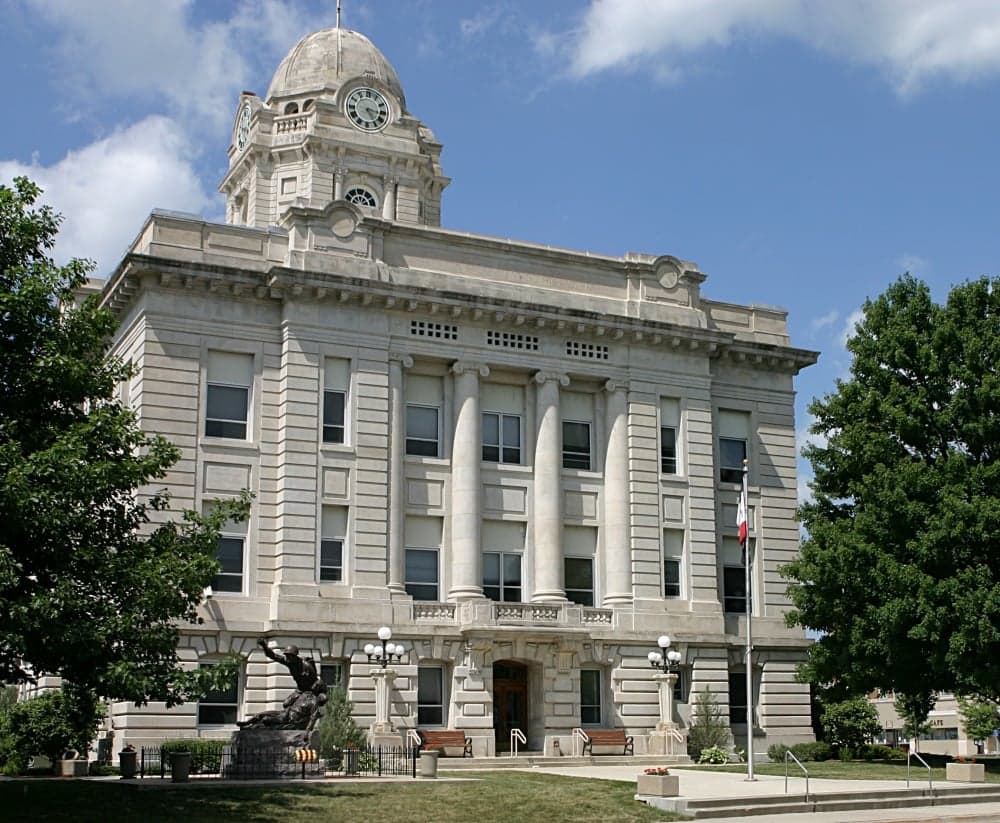
Photo: Wikipedia
Find The Best Places To Live in Jasper County
PRO TIP! You can paste a Zillow or Redfin link to get info on that property.
Best Places to Live in Jasper County
Cities & Towns in Jasper County
Cities in Jasper County
What It's Like Living in Jasper County, IA
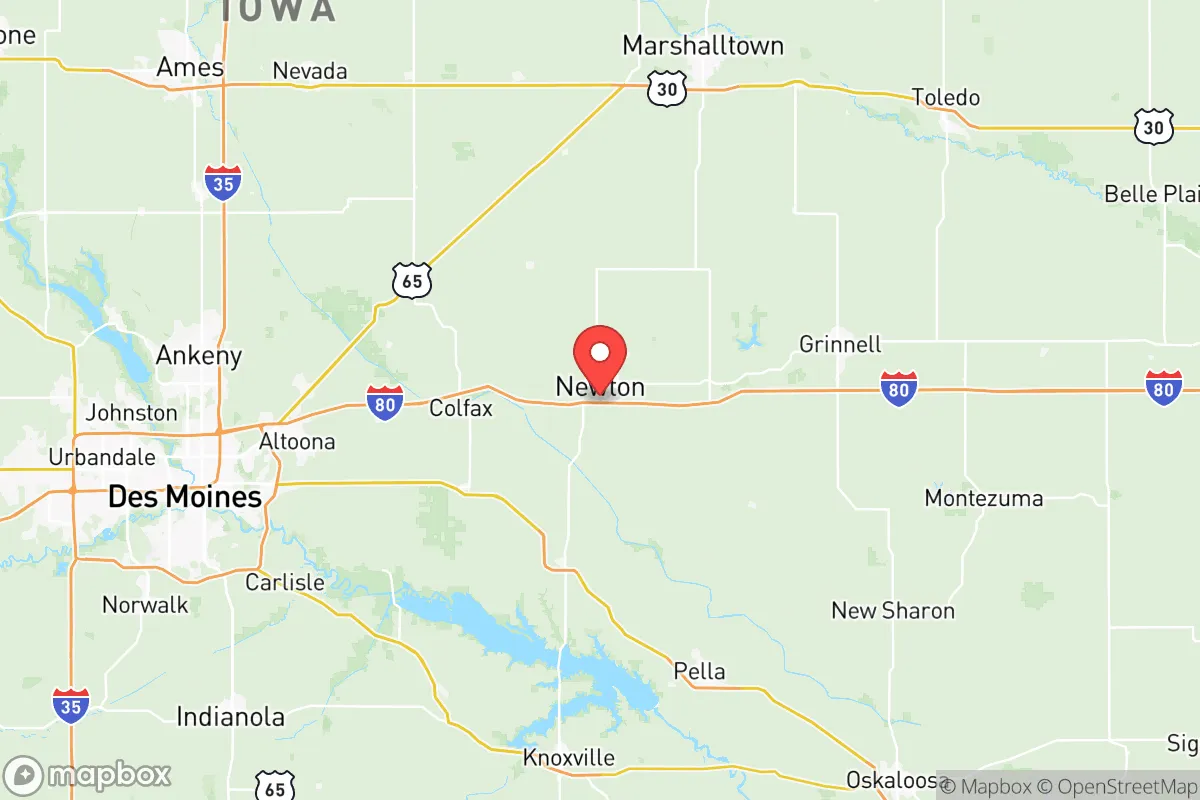
Jasper County lives at the pace of a small-town handshake, with Newton anchoring the county as its social and commercial hub while towns like Colfax, Prairie City, Monroe, and Kellogg each keep their own distinct front-porch character. It’s the kind of place where a 23-minute average commute gets you to work at an ag processing plant or a manufacturing shop, and the same route doubles as the evening deer-watch along gravel roads. People here value elbow room, practical neighbors, and a cost of living that seriously stretches a paycheck.
Small-Town Rhythm and Big-Picture Convenience
Daily life in Jasper County hinges on what’s closest—and for most that’s one of the local Hy-Vee or Fareway grocery stores in Newton, maybe a coffee stop at a downtown diner or a quick run to the Prairie City Farmers Market when sweet corn season hits. Workdays start early; a good chunk of the 37,864 residents pull manufacturing or logistics jobs tied to the old Maytag legacy (Whirlpool still runs operations here) or feed the ag supply chain. The median household income sits around $70,128, and with a cost of living index of 67—well below the national average—that money buys space. Home values are a calm $176,800, which is the number that draws families priced out of Des Moines’ closer suburbs. A 30-minute drive east puts you at the edge of the metro, close enough for a weekend pro sports game or concert, far enough that your neighbor isn’t watching your every lawn move.
Kids in Jasper County go through school systems that are deeply embedded in community identity. Newton High School Cardinals pack the gym on winter weeknights, and in Prairie City-Monroe (PCM) the Mustangs draw similar loyalty. The county’s median age of 41.4 points to a mix of empty nesters and parents raising school-age kids—the college-educated share is 19.9%, so it’s not a white-collar enclave, but there’s a steady base of nurses, tradespeople, and remote workers who value the low-stress commute. People who fit here tend to be hands-on: they hunt pheasant and deer, fix their own washing machines, and volunteer at the volunteer fire department.
Friday Nights, Trails, and Fairgrounds
Friday night high school football and basketball are the live entertainment anchors across every town from Kellogg (home of the Kellogg Cubs) to Colfax-Mingo (TigerHawks country). Sports are a genuine social calendar—parents, grandparents, and local business owners all show up. For motorsports, Iowa Speedway in Newton draws NASCAR and IndyCar crowds several weekends a year, turning the town’s hotels and restaurants into a hive of racing chatter. On non-race weekends, the county fairgrounds and the Newton Historic Square host weekly cruise-ins and craft shows.
Outdoor life revolves around Rock Creek State Park just south of Kellogg and Badger Creek Lake near Newton—both solid for fishing, kayaking, and hiking the Iowa prairie trails. The Sauk Rail Trail runs through Prairie City and connects to a longer network for biking and walking. For a night out, Newton has a handful of local bars and a brewpub; Colfax has the old Main Street vibe with historic taverns. The annual Newton Balloon Festival in late summer and Colfax Railroad Days every June are the kind of events where you’ll run into half the county. If you’re looking for live music beyond cover bands or a late-night club scene, you’ll need to budget the 30 minutes into Des Moines—most locals consider that a fair trade for quiet evenings.
The Real Talk: Upsides and Tradeoffs
The biggest draw is obvious: you get a slower, cheaper life without being stranded. The violent crime rate sits at 229.1 per 100,000—close to the national average but notably lower than inner-ring suburbs—and most people still leave their front doors unlocked during the day, at least in the smaller towns. Monroe and Prairie City are especially tight-knit; a new family that shows up at the community center potluck gets a dozen handshakes. Property taxes are moderate relative to Iowa’s average, and schools like PCM and Newton are solid without the pressure of big-district testing culture.
What frustrates long-timers? The same things that keep the place affordable. Shopping diversity is thin—you’ll drive to Des Moines for a big-box electronics run or a sit-down dinner above Applebee’s level. The weather can grind you down: summers string humid 90s together, and winters bring stretches of single-digit wind chills with snow that hangs around until it thaws. Public transit is basically nonexistent; a car is mandatory. Culturally, Jasper County leans traditional—most residents identify as conservative, church attendance is high, and the social calendar turns on school and farm cycles. That’s a comfort for some, claustrophobic for others. The trick is knowing which side you fall on before you unpack the U-Haul.

* Values derived from national, state, county, city and local statistics and may differ in a specific area. Last updated: 2026-05-14T19:12:13.000Z
Narrative content on this page is AI-generated and may contain mistakes. Verify any details that matter before acting on them.
ReloMaps may earn a commission from affiliate links at no extra cost to you.

