 Popular
Photo: Wikipedia
Find The Best Places To Live
in Pella
PRO TIP! You can paste a Zillow or Redfin link to get info on that property.
What It's Like Living in Pella, IA
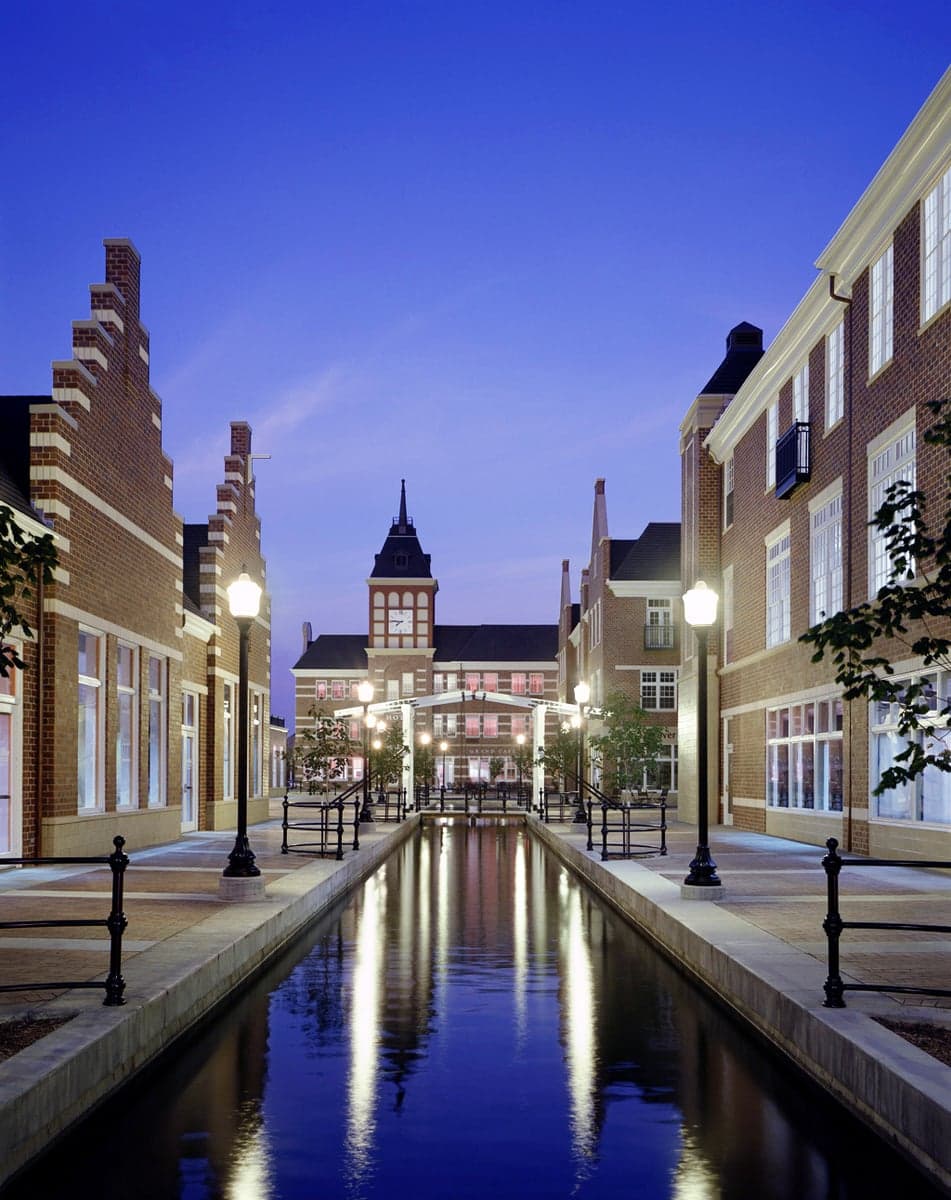
Pella, Iowa, feels like a place that decided early on what it wanted to be and never wavered. It’s a small city of about 10,600 people where Dutch heritage isn’t just a museum exhibit—it’s the reason the downtown looks like a 19th-century Dutch village, complete with a working windmill and canals. The vibe is orderly, prosperous, and quietly ambitious, with a median household income of $81,201 and a cost of living index of 91, meaning your money goes further here than in most of the country. If you’re a conservative-leaning single person or parent looking for a safe, family-focused community where people actually know their neighbors, Pella is the kind of place that makes you wonder why you’d live anywhere else.
The Daily Rhythm: Work, School, and the 13-Minute Commute
Daily life in Pella moves at a pace that feels almost deliberately unhurried. The average commute is just over 13 minutes, which means most people live within a few miles of their job, their kids’ school, and the grocery store. The biggest employer in town is Pella Corporation, the window and door manufacturer that essentially built the modern economy here, but there’s also a strong presence from Vermeer Corporation (based in nearby Pella) and a growing number of smaller manufacturing and tech firms. You’ll see people grabbing coffee at Smokey Row Coffee Company on the town square, or picking up a pizza from George’s Pizza before heading to a high school football game on a Friday night. The median age is 35.1, which is young for a small town—a sign that families are staying put or moving in, not fleeing. Schools are a central hub: Pella Community School District is consistently rated among the best in the state, and nearly 48% of adults here hold a college degree, which is well above the national average. That education level shows in the local conversations—people talk about their kids’ AP classes and college plans the way other towns talk about the weather.
Sports, Festivals, and the Dutch Identity
Sports are a big deal here, but not in the way you’d expect from a town this size. High school athletics—especially football, basketball, and wrestling—draw crowds that rival some small colleges. The Pella High School Dutch (yes, the mascot is a Dutch person in wooden shoes) have a loyal following, and the rivalry with nearby Pella Christian is genuine but good-natured. There’s no pro sports team within two hours, so the community pours its energy into local teams and the occasional Iowa Cubs or Iowa Hawkeyes trip. The biggest cultural event of the year is the Tulip Time Festival, held every May, where the entire town dresses in Dutch costumes, scrubs the streets, and holds parades. It’s touristy, sure, but locals genuinely love it—it’s a week where the town’s identity is on full display. Beyond that, outdoor life revolves around Lake Red Rock, a massive reservoir just south of town that offers fishing, boating, and hiking. The Lake Red Rock area is also where you’ll find the local wineries and the occasional live music event at the marina. For a town of 10,000, there’s a surprising amount to do—but you have to be willing to drive 20 minutes to find it.
Pros and Cons of Living in Pella
The upsides are clear and concrete. Safety is a standout: the violent crime rate is 81.1 per 100,000 residents, which is roughly half the national average. Parents let their kids ride bikes to the park without worrying. The cost of living is genuinely low—a median home value of $259,600 gets you a solid three-bedroom house in a well-maintained neighborhood, and property taxes are reasonable compared to the rest of Iowa. The schools are excellent, the commute is negligible, and the community is tight-knit in a way that feels supportive, not suffocating. But there are real trade-offs. Entertainment options are limited: there’s no major music venue, no movie theater (the closest is in Pella or Newton), and the restaurant scene, while decent for a small town, doesn’t offer much variety beyond American comfort food and Mexican. If you’re single and in your 20s, the dating pool is small, and the social scene revolves heavily around church, family, and school events. Winters can be long and gray, with snow that sticks around from December through March. And while the town is welcoming, it’s also insular—newcomers sometimes feel like outsiders for a year or two until they’ve proven they’re staying. The kind of person who fits in here is someone who values stability, community, and a slower pace over career mobility or urban nightlife. It’s a great place to raise kids, buy a house, and build a life—but it’s not for everyone.
What Frustrates Longtime Residents
Ask anyone who’s lived here for 20 years what bugs them, and you’ll hear two things consistently. First, the lack of retail and dining variety—there’s no Target, no sit-down sushi place, no late-night coffee shop. For anything beyond the basics, you’re driving 45 minutes to Des Moines or an hour to Iowa City. Second, the housing market has gotten tight. With a median home value of $259,600, prices have risen faster than wages in recent years, and there’s a shortage of rental properties for young families or singles just starting out. The town’s success—good schools, low crime, strong employers—has made it a magnet, and that’s created a subtle tension between preserving the small-town feel and accommodating growth. Still, most residents will tell you the trade-offs are worth it. They’ll point to the Fourth of July fireworks at the fairgrounds, the smell of Dutch letters (a local pastry) from the bakery, and the fact that you can leave your front door unlocked. Pella isn’t trying to be the next big thing—it’s trying to stay exactly what it is, and for the people who live there, that’s the whole point.

Similar towns to Pella

* Values derived from national, state, county, city and local statistics and may differ in a specific area. Last updated: 2026-04-30T01:35:13.000Z
Narrative content on this page is AI-generated and may contain mistakes. Verify any details that matter before acting on them.
ReloMaps may earn a commission from affiliate links at no extra cost to you.

