
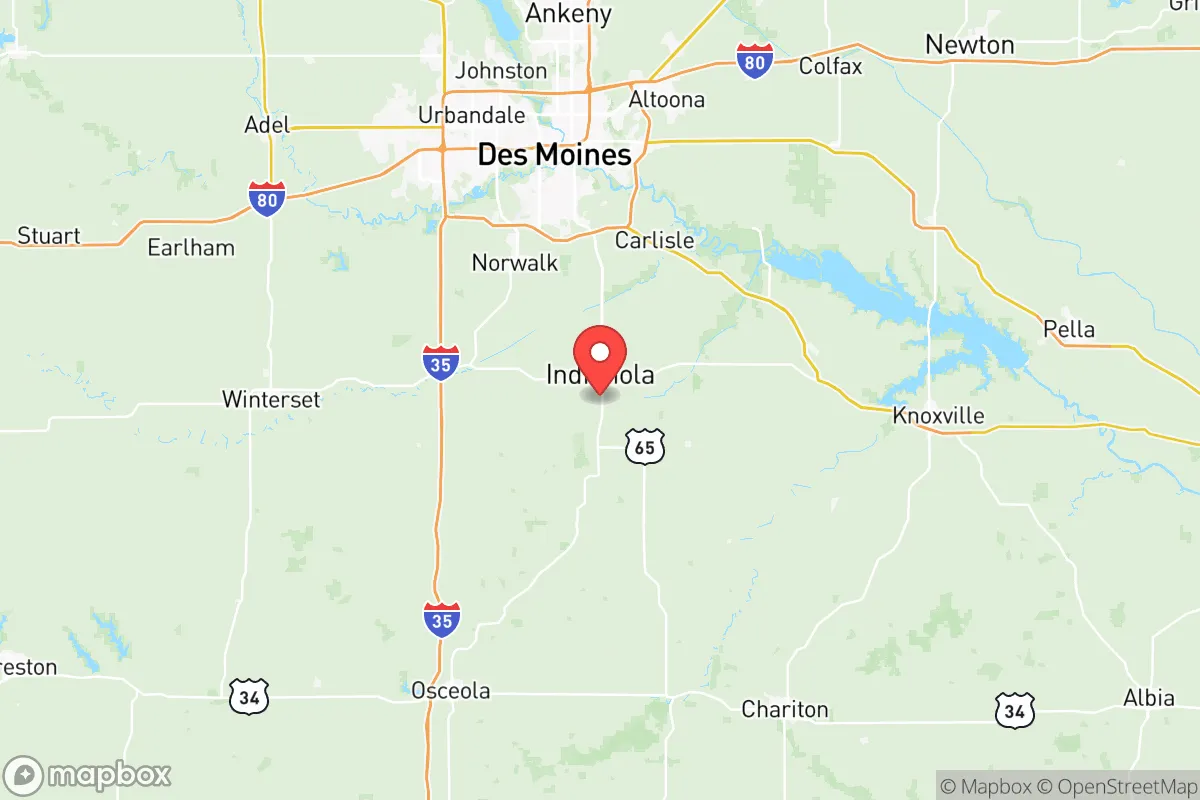
Photo: Wikipedia
Quality of Life in Warren County
A livable area that tracks near national norms for affordability, walkability, and neighborhood health.
What does Quality of Life tell us?
Quality of Life measures an area by evaluating factors like cost of living, nearby amenities, country club access, airport proximity, socioeconomic signals and neighborhood character. For large states, this is a general average — quality of life can vary dramatically between metro areas, suburbs, and rural communities within the same state.
What does this tell us?
Quality of Life measures an area by evaluating factors like cost of living, nearby amenities, country club access, airport proximity, socioeconomic signals and neighborhood character. For large states, this is a general average — quality of life can vary dramatically between metro areas, suburbs, and rural communities within the same state.
Cost of Living
14% below national average
129%
The Real Cost of Living in Warren County for 2026
| Tier | Individual | Family (4) |
|---|---|---|
| Survival | $16k | $29k |
| Comfortable | $49k | $72k |
| Luxury | $134k+ | $207k+ |
| Elite (Top 5%) | $157k+ | $243k+ |
Quality-of-Life Analysis
Warren County, Iowa, offers a distinct quality-of-life spectrum that ranges from the suburban convenience of its largest town, Indianola, to the quiet, agricultural rhythms of smaller communities like Norwalk, Carlisle, and rural unincorporated areas. The county’s overall cost of living index sits at 86 (14% below the U.S. average), with a median home value of $252,800 and median rent of $975, making it an attractive middle ground for families, commuters, and retirees seeking affordability without isolation. The character of daily life shifts noticeably depending on whether one chooses the walkable, college-town energy of Indianola, the commuter-friendly suburbs near Des Moines, or the open-space tranquility of the county’s southern farmlands.
Largest town(s) & population centers
Indianola is Warren County’s largest city and its cultural and economic anchor, home to roughly 16,000 residents and Simpson College. Daily life here centers on a compact, historic downtown with locally owned shops, restaurants, and seasonal events like the National Balloon Classic. The town offers a full range of amenities—grocery stores, medical clinics, and a public school system rated above state averages—while maintaining a small-town feel. Norwalk, with about 12,000 residents, functions more as a Des Moines suburb, with newer housing developments, a growing commercial corridor along Highway 28, and a median commute of roughly 20 minutes to downtown Des Moines. Carlisle (population ~4,200) sits at the county’s northern edge and blends small-town charm with easy access to the metro area, featuring a historic main street and strong community schools. These three towns together concentrate most of the county’s population, retail, and employment, with average commute times across the county clocking in at 24.2 minutes—reasonable for those working in the Des Moines metro.
Smaller towns & rural pockets
South of the population centers, Warren County opens into a landscape of family farms, creek valleys, and unincorporated crossroads. Milo (population ~800) is a quiet agricultural village with a grain elevator, a post office, and a handful of churches—offering a lifestyle where neighbors know each other and the nearest grocery store is a 15-minute drive. Hartford (population ~700) sits along the Des Moines River and attracts those seeking river access for fishing and kayaking, with a small park and volunteer fire department as community anchors. Lacona (population ~350) and Spring Hill (population ~90) are even smaller, with no commercial districts to speak of; residents here rely on Indianola or Des Moines for most errands. Unincorporated areas like Liberty Center and Palmyra consist of scattered homes and farmsteads, where land parcels of 5 to 40 acres are common and the pace of life is dictated by planting and harvest seasons. These pockets offer the lowest housing costs in the county—often under $200,000 for a three-bedroom home—but require self-reliance for services and a longer drive for employment.
Cost & lifestyle range
The cost-of-living spread across Warren County is significant. At the higher end, newer subdivisions in Norwalk and northern Indianola see median home values approaching $300,000, with monthly rents for two-bedroom apartments often exceeding $1,100. These areas appeal to professionals and families who prioritize short commutes, newer schools, and proximity to Des Moines’ job market. At the lower end, Milo and Lacona offer median home values around $180,000 and rents as low as $700 for older single-family homes, attracting first-time buyers, remote workers, and retirees willing to trade convenience for space and quiet. The county’s overall median home value of $252,800 and median rent of $975 reflect this middle ground, but the range is wide enough that a household earning $60,000 can afford a comfortable home in the southern towns while a household earning $90,000 might choose a newer build in Norwalk. Property taxes in Warren County average about 1.5% of assessed value, slightly below the state median, which further stretches budgets for those on fixed incomes.
Warren County’s spectrum of options means that different households will find their fit in different corners. Commuters and young families thrive in Norwalk and northern Indianola, where schools are strong and the drive to Des Moines is under 25 minutes. Retirees and remote workers often gravitate to Milo or Lacona for the low housing costs and slower pace. Outdoor enthusiasts are drawn to the river corridors near Hartford and the county’s network of conservation areas, including the 1,200-acre Summerset State Park. The county’s overall affordability—14% below the national average—combined with its varied landscapes and community sizes, makes it a practical choice for anyone seeking Iowa’s version of balanced living: close enough to the city for opportunity, far enough for quiet.

Crime in Warren County
Generally safer than 69% of comparable U.S. locations.
Violent CrimeViolent Crime Analysis
Property CrimeProperty Crime Analysis
Crime Analysis
Warren County, Iowa, presents a mixed safety profile that is heavily influenced by its proximity to the Des Moines metro area. While the county’s overall violent crime rate of 230.6 per 100,000 residents is slightly below the national average, its property crime rate of 1,167 per 100,000 is notably higher than both state and national benchmarks. The most significant safety concern for residents and prospective movers is the pronounced variation between the county’s smaller, more rural communities and its larger, more urbanized towns, where progressive criminal justice policies in the broader Polk County system can create spillover effects.
Crime in context
Warren County’s violent crime rate of 230.6 per 100,000 is roughly 35% lower than the U.S. average of about 380 per 100,000, but it is slightly above the Iowa state average of 210 per 100,000. Property crime, however, is a more pressing issue. At 1,167 per 100,000, the county’s property crime rate is approximately 15% higher than the national average and significantly exceeds the Iowa state average of 1,050 per 100,000. This disparity is largely driven by incidents in the county’s largest city, Indianola, which accounts for a disproportionate share of reported thefts and burglaries. The county’s location on the southern edge of the Des Moines metropolitan area means it is subject to property crime patterns that radiate outward from the urban core, particularly along the Highway 65/69 corridor connecting to the capital.
What residents experience
For residents of Warren County, the day-to-day safety experience depends heavily on where they live. In Indianola, the county seat and home to Simpson College, residents report higher rates of vehicle break-ins and package theft, typical of a college town with transient populations. The city’s police department has responded with targeted patrols in the downtown and campus areas, but the underlying property crime rate remains elevated. In contrast, smaller communities like Norwalk and Carlisle—which are closer to the Des Moines city limits—experience lower violent crime rates but still contend with property crime linked to regional auto theft rings. The most rural towns, such as Lacona and Milo, report very low crime across all categories, though residents there face longer emergency response times. A key concern for the county is the influence of the Polk County District Attorney’s Office, which oversees the Des Moines metro’s justice system. Progressive policies in that office, including reduced prosecution of non-violent property offenses and a focus on diversion programs, have been criticized for allowing repeat offenders to cycle back into communities like Indianola and Norwalk, undermining local law enforcement efforts.
Neighborhood-level variation
Neighborhood-level safety in Warren County is sharply divided. The most secure areas are the newer subdivisions on the northern edges of Norwalk and Carlisle, where home values are higher and community watch programs are active. These neighborhoods see property crime rates roughly half the county average. Conversely, the older, more affordable housing stock near the Indianola town square and along the Highway 92 corridor experiences the highest concentration of theft and vandalism. The county’s unincorporated areas, particularly around Summerset State Park, are generally safe but isolated, with limited police patrols. For families and retirees, the safest bet is to focus on the newer developments in Norwalk or the rural acreages near Lacona, while being aware that the progressive judicial philosophy in the Des Moines metro means property crime is unlikely to decline significantly in the near term.
* Values derived from national, state, county, city and local statistics and may differ in a specific area. Last updated: 2026-05-16T20:23:55.000Z
Narrative content on this page is AI-generated and may contain mistakes. Verify any details that matter before acting on them.
ReloMaps may earn a commission from affiliate links at no extra cost to you.

