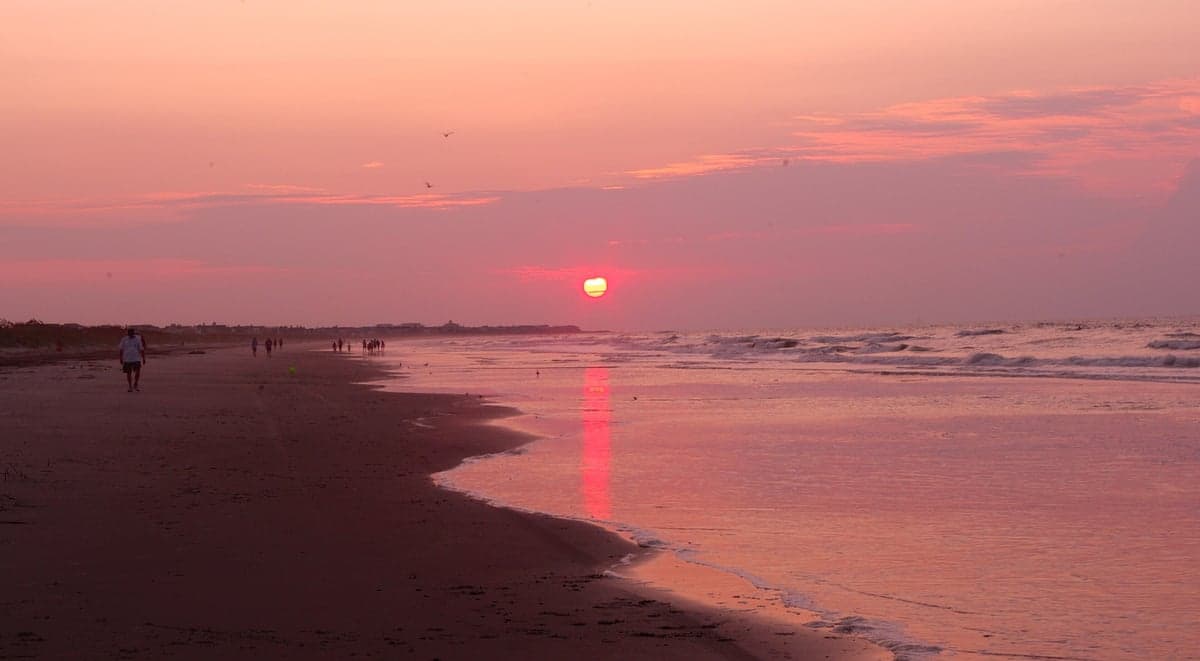
Photo: Wikipedia
Personal Sovereignty in Isle of Palms, SC
Viable for self-reliance. Generally workable, though some barriers may limit total independence.
What does Personal Sovereignty tell us?
Personal Sovereignty measures your capacity for self-reliance and independence with minimal government friction. Higher scores mean fewer barriers between you and the way you want to live... but it assumes you have the space you need and good neighbors.
What does this tell us?
Personal Sovereignty measures your capacity for self-reliance and independence with minimal government friction. Higher scores mean fewer barriers between you and the way you want to live... but it assumes you have the space you need and good neighbors.
State Policy
Energy independence: Importer (25% of energy produced in-state)
Personal Liberty
Homesteading

Personal Liberty Analysis
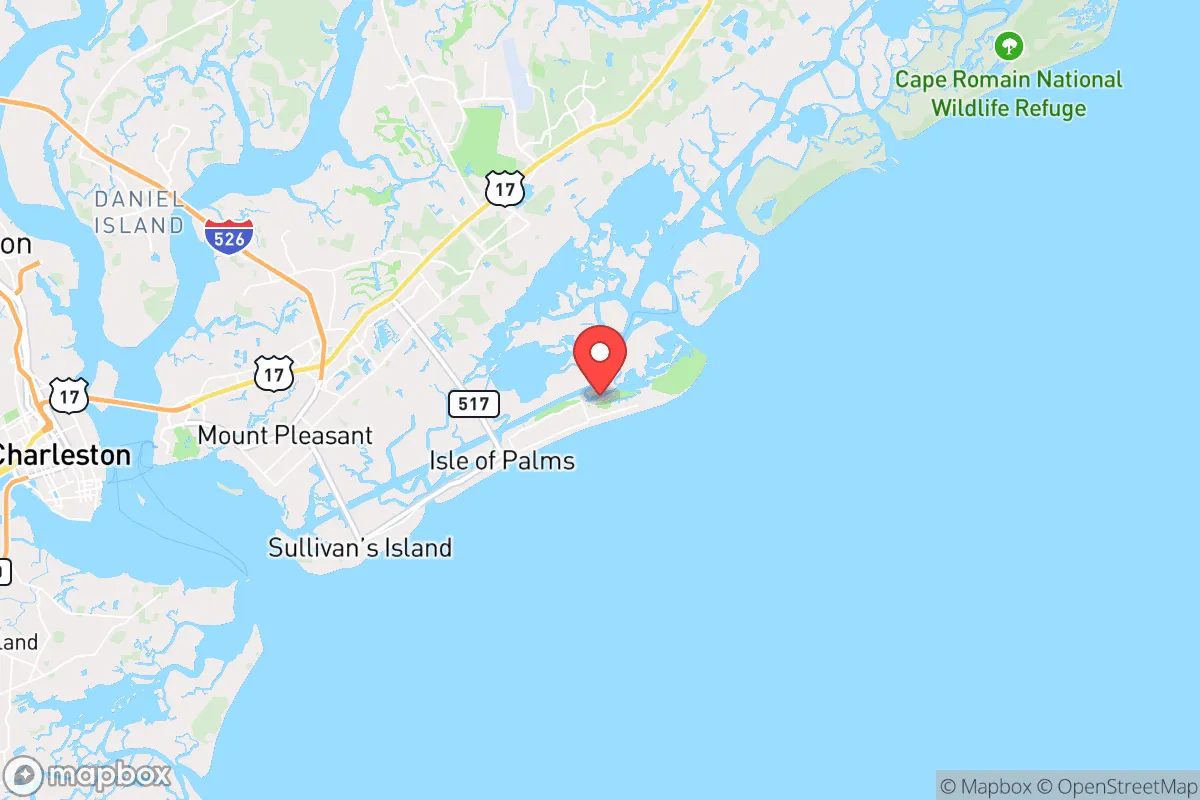
Isle of Palms, South Carolina, presents a mixed picture for those prioritizing personal sovereignty. While the state of South Carolina generally offers a favorable legal and tax environment for individual liberty, the reality of living on a barrier island—with its dense residential layout, powerful homeowners' associations, and heavy reliance on tourism infrastructure—imposes significant practical constraints on self-reliant living. For the prepper or survivalist, the island offers strong legal protections on the books, but the physical and social environment demands a clear-eyed assessment of where true autonomy ends and collective dependency begins.
Tax burden and regulatory posture in a coastal enclave
South Carolina is a low-tax state, and Isle of Palms residents benefit directly from that framework. There is no state tax on Social Security benefits, and the state income tax is a flat 3% on most income after a standard deduction, which is among the lowest in the nation. Property taxes are assessed at the state-mandated 4% rate for owner-occupied primary residences, though the high property values on the island mean the dollar amount is still substantial. The regulatory posture at the state level is generally light-touch, with no state-level gun registration, no red-flag law as of 2026, and a right-to-work law that limits union power. However, the local regulatory environment on Isle of Palms is more intrusive. The city enforces strict short-term rental ordinances, noise regulations, and beach access rules that reflect a managed, tourist-oriented community. For a prepper, the key takeaway is that the state respects your wallet and your rights, but the local municipality will not hesitate to regulate your use of your property, especially if it impacts the tourist experience.
Self-defense and gun law specifics in South Carolina
South Carolina is a "constitutional carry" state as of 2024, meaning no permit is required to carry a concealed firearm for any law-abiding adult 18 or older. This is a foundational win for personal sovereignty. Isle of Palms itself does not have any local ordinances that override state preemption on firearms, so your right to carry on the island is the same as anywhere else in the state. The state also has a "Stand Your Ground" law with no duty to retreat in any place you have a legal right to be. Castle Doctrine protections extend to your vehicle and your place of business. One practical consideration for island living: the only road on and off Isle of Palms (the Connector) can become congested or even impassable during hurricanes or major events. A prepper should consider that self-defense planning must account for the possibility of being trapped on the island or needing to defend a fixed position during an evacuation scenario. Ammunition and firearms are legal to stockpile, but storage must account for the corrosive salt air, which can degrade equipment faster than inland environments.
Self-reliance and homesteading viability on a barrier island
This is where Isle of Palms diverges sharply from the survivalist ideal. Lot sizes on the island are typically one-quarter acre or smaller, with most homes built on narrow lots in dense neighborhoods. Zoning regulations prohibit agricultural animals, and the city's landscaping ordinances restrict what you can plant and maintain. Off-grid feasibility is extremely low. The island is connected to the mainland by a single bridge, and all utilities—power, water, sewer—are provided by municipal or regional authorities. Solar panels are permitted but must comply with HOA aesthetic guidelines in many neighborhoods, and battery storage systems are allowed but subject to fire code restrictions. Rainwater collection is not prohibited, but the small roof footprints and high water table make it impractical as a primary source. For a prepper, the island is a location for lifestyle and defense-in-depth, not for self-sufficient homesteading. Any serious food production, water security, or off-grid energy system would need to be established on the mainland, likely in a county like Berkeley or Orangeburg, where acreage is affordable and zoning is permissive.
Personal liberties: parental rights, medical autonomy, speech, and property
South Carolina has strong protections for parental rights in education, with a Parents' Bill of Rights that affirms the right to direct a child's upbringing, education, and healthcare. The state also has a robust school choice program, including education savings accounts, which gives parents leverage over local school districts. Medical autonomy is a mixed bag. The state has no vaccine mandate for adults and has passed laws limiting government-imposed mask mandates, but it also has a strict certificate-of-need law that limits healthcare competition. On Isle of Palms specifically, the nearest hospital is East Cooper Medical Center in Mount Pleasant, about 20 minutes away—adequate for routine care but not for major trauma. Free speech is fully protected under the First Amendment, and the state has no hate speech laws that criminalize political expression. Property rights are generally strong, but the island's HOAs and the city's zoning board hold significant sway over what you can do with your land. For a prepper concerned about government overreach, the state-level legal framework is reassuring, but the local layer of HOA covenants and municipal codes is a constant reminder that your sovereignty stops at the property line—and sometimes before it.
Overall, Isle of Palms offers a high degree of personal sovereignty in the legal and fiscal sense, backed by a state that respects gun rights, keeps taxes low, and protects parental authority. But the physical realities of island life—small lots, dense development, single-point evacuation, and heavy HOA influence—make it a poor choice for anyone seeking true self-reliance or off-grid capability. For the strategic relocator with a prepper mindset, Isle of Palms works best as a coastal retreat with strong legal protections, not as a primary survival location. The serious autonomy seeker would be better served by inland South Carolina counties like Abbeville, Laurens, or McCormick, where land is cheap, regulations are minimal, and the state's pro-liberty legal framework can be fully exercised without the constraints of a tourist-driven island economy.

* Values derived from national, state, county, city and local statistics and may differ in a specific area. Last updated: 2026-05-14T18:51:38.000Z
Narrative content on this page is AI-generated and may contain mistakes. Verify any details that matter before acting on them.
ReloMaps may earn a commission from affiliate links at no extra cost to you.

