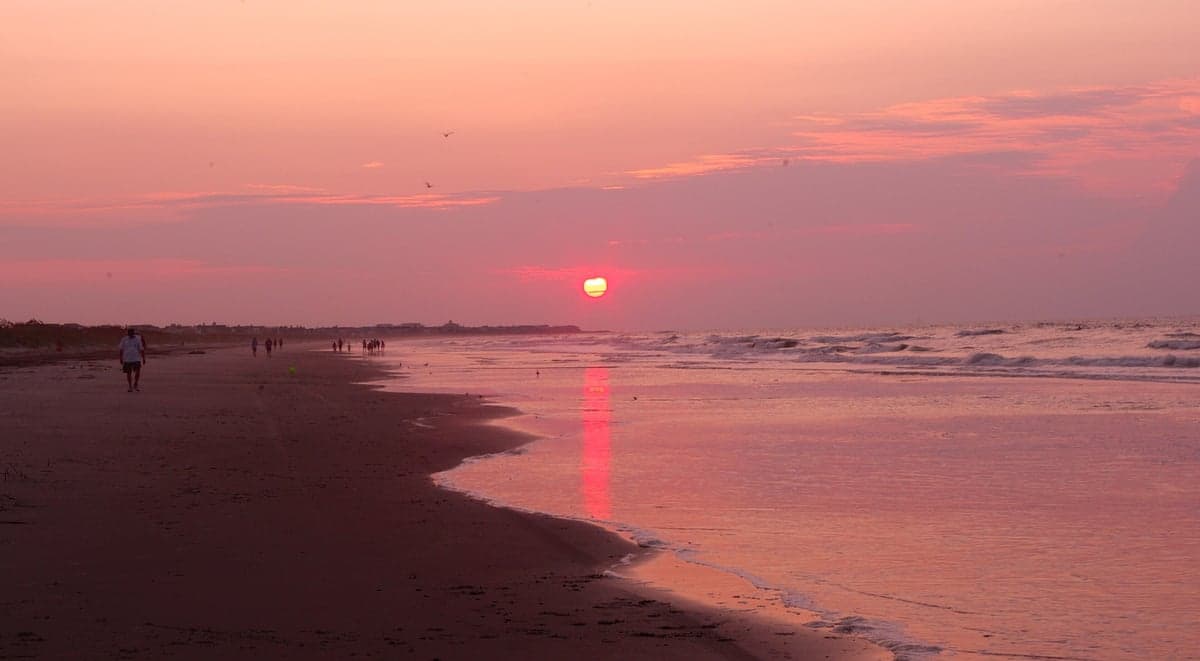
Photo: Wikipedia
Quality of Life in Isle of Palms, SC
A high quality of life with strong walkability, manageable living costs, healthy neighborhood signals, and solid amenity access.
What does Quality of Life tell us?
Quality of Life blends cost of living, nearby amenities, socioeconomic signals, and neighborhood character. City-level scores represent the whole municipality; individual neighborhoods can differ.
What does this tell us?
Quality of Life blends cost of living, nearby amenities, socioeconomic signals, and neighborhood character. City-level scores represent the whole municipality; individual neighborhoods can differ.
Cost of Living
236% above national average
The Real Cost of Living in Isle of Palms, SC for 2026
| Tier | Individual | Family (4) |
|---|---|---|
| Survival | $52k | $97k |
| Comfortable | $232k | $340k |
| Luxury | $267k+ | $414k+ |
| Elite (Top 5%) | $500k+ | $775k+ |
43%
The Area Signal
A metric tracking the socioeconomic signals of the area.
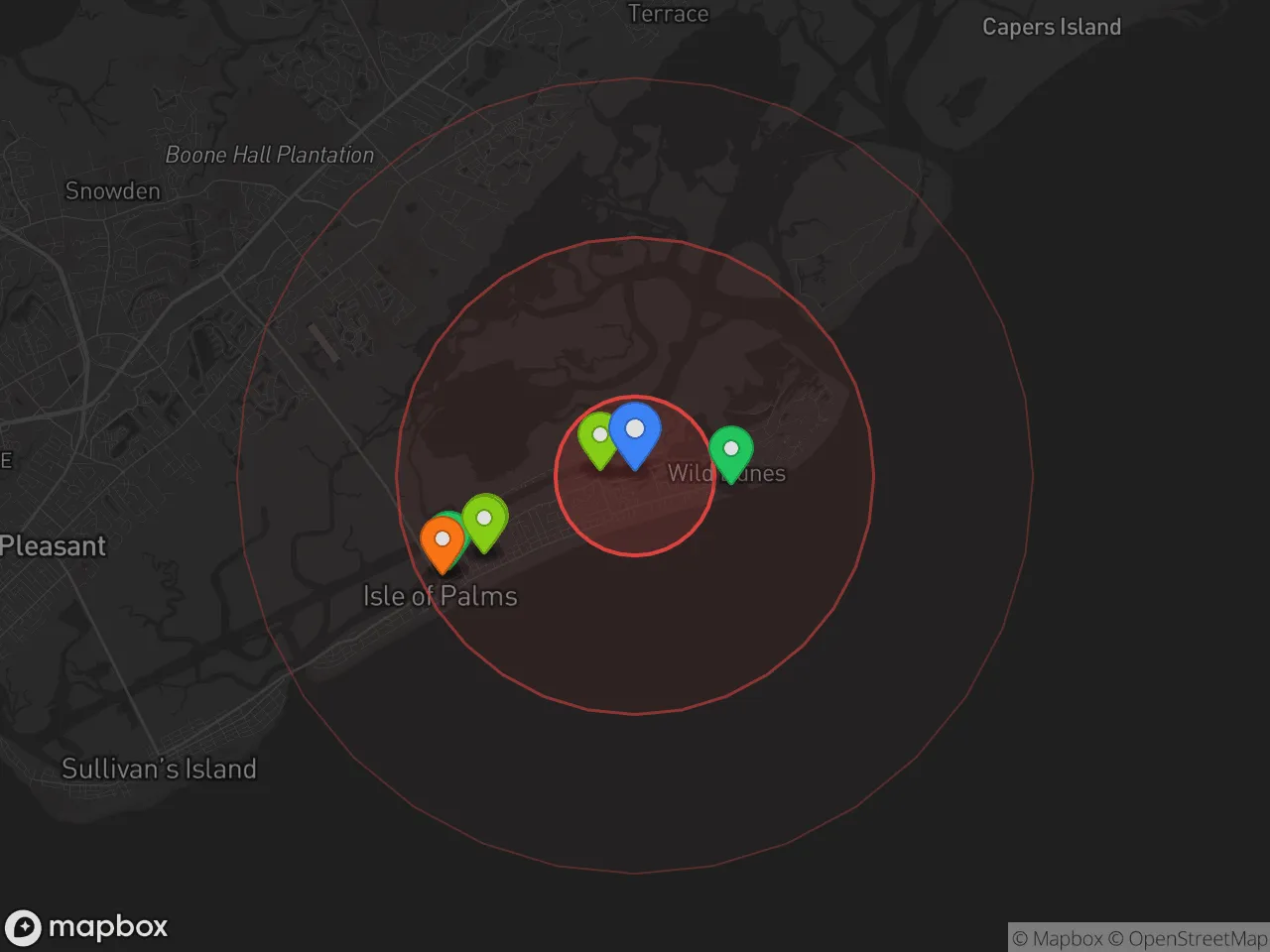
Hobbies
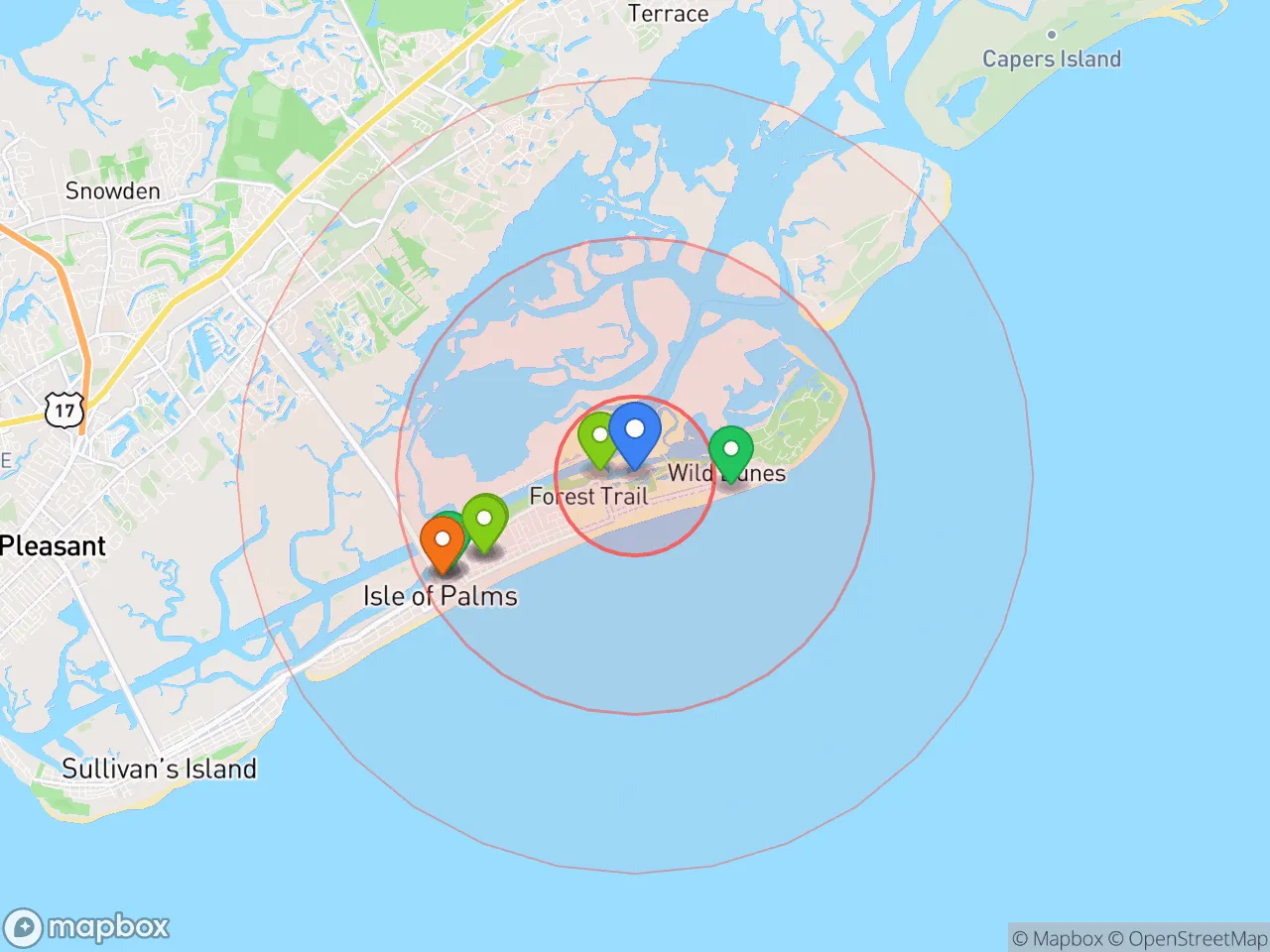
Explore the areaGroceries
7 within 10 miles
Gas
20 within 10 miles
Hospital
10 within 20 miles
Airport
CLT — Charlotte Douglas International
Post Office
USPS — Isle of Palms, SC
Critical Amenities
Quality-of-Life Analysis
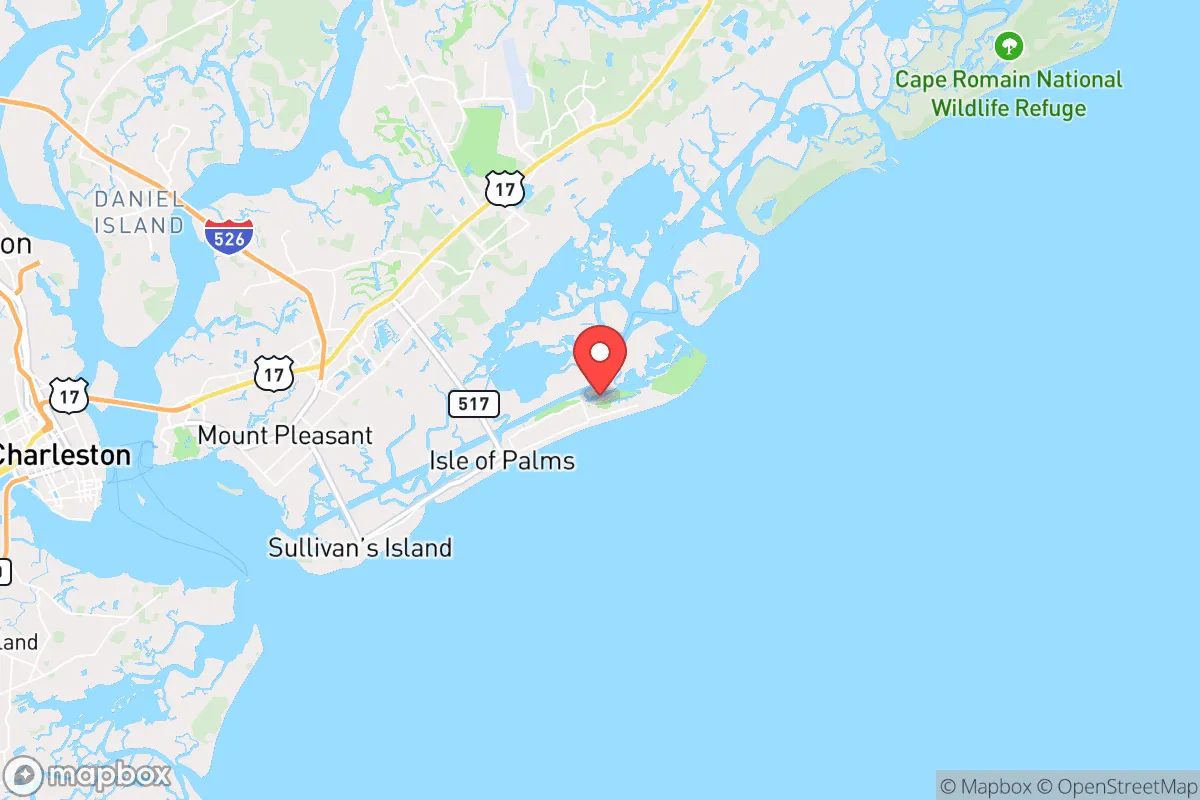
Isle of Palms, a barrier island just 12 miles east of Charleston, is one of South Carolina's most affluent beach communities, home to a mix of wealthy retirees, second-home owners, and professionals who commute to the Charleston metro. With a cost-of-living index of 336 — more than triple the U.S. average — the island's economy is driven by high-end real estate, tourism, and a seasonal population that swells during summer months. The median household income exceeds $120,000, and the permanent population of roughly 4,300 residents is notably older and wealthier than the national median, creating a quiet, low-crime enclave that prioritizes privacy and coastal access.
Cost of living, housing prices, and how Isle of Palms compares to Mount Pleasant and Charleston
Housing is the dominant expense on Isle of Palms. The median home value sits at $1,192,200, roughly triple the median in nearby Mount Pleasant ($450,000) and more than four times the Charleston city median. Rentals are equally steep: the median rent of $3,236 per month is about 60% higher than in Mount Pleasant and nearly double the Charleston average. The cost-of-living index of 336 reflects that housing alone accounts for over 70% of the total index, with groceries and utilities only moderately above national norms. For buyers, the market is dominated by single-family beach houses and condos along Ocean Boulevard and Palm Boulevard; inventory is low and turnover slow. Property taxes are relatively moderate for South Carolina (roughly 0.5% of assessed value), but flood insurance — mandatory in this high-risk zone — can add $2,000–$5,000 annually. The average commute of 27 minutes is manageable, with most residents driving over the Connector to Mount Pleasant or downtown Charleston via Highway 17, though summer tourist traffic can double that time on weekends.
Beach lifestyle, schools, and what daily life is like for families and retirees
Daily life on Isle of Palms revolves around the beach, the Isle of Palms Marina, and the small commercial strip along Palm Boulevard. The island has no chain grocery store — residents shop at the local IOP Beach Market or drive to Mount Pleasant for Harris Teeter or Publix. Dining is casual and seafood-focused, with staples like The Refuge and Acme Lowcountry Kitchen. Public schools are part of Charleston County School District; the zoned elementary (Sullivans Island Elementary) and middle school (Moultrie Middle) are highly rated, but the high school is Wando High in Mount Pleasant, a 20-minute drive. For families, the island offers a tight-knit community with summer camps, a recreation center, and a strong police presence that keeps crime rates near zero. Retirees appreciate the quiet off-season (September–May), the walkable beachfront, and proximity to Charleston's medical facilities like MUSC and Roper St. Francis. The island has no hospital, but emergency services are quick. Nightlife is minimal — most socializing happens at private beach clubs or the Wild Dunes Resort, which also hosts a golf course and tennis center.
Isle of Palms is best suited for affluent buyers who prioritize direct beach access, privacy, and a low-key coastal lifestyle over urban amenities or affordability. Families with young children will find excellent elementary schools and a safe environment, but the high cost and limited rental inventory make it challenging for middle-income households. Retirees and remote workers with flexible schedules thrive here, especially those who can afford the flood insurance and maintenance costs of a beachfront property. For anyone seeking a vibrant nightlife, diverse dining, or a short commute to downtown Charleston, nearby Mount Pleasant or the Charleston peninsula offer better value. Isle of Palms remains a premium niche — a quiet, exclusive barrier island where quality of life is measured in ocean views and square footage, not walk scores or transit options.

Crime in Isle of Palms, SC
Lower crime rates than 76% of comparable U.S. locations.
Violent CrimeViolent Crime Analysis
Property CrimeProperty Crime Analysis
Crime Analysis
Isle of Palms, South Carolina, is a barrier island community near Charleston that consistently reports crime rates well below national averages, making it one of the safer beach towns in the region. With a violent crime rate of 228.1 per 100,000 residents and a property crime rate of 935.2 per 100,000, the island offers a notably lower risk environment compared to both state and national benchmarks. However, its proximity to the Charleston metropolitan area introduces broader regional justice-system dynamics that prospective residents should weigh carefully.
Crime in context
Isle of Palms’ violent crime rate of 228.1 per 100,000 is roughly 40% lower than the national average of about 380 per 100,000 and significantly below South Carolina’s statewide rate of approximately 500 per 100,000. Property crime on the island, at 935.2 per 100,000, is less than half the national average of roughly 2,000 per 100,000 and well under the South Carolina average of about 2,500 per 100,000. These figures reflect the island’s small year-round population (roughly 5,000) and its heavy reliance on seasonal tourism, which concentrates crime in warmer months. The Isle of Palms Police Department maintains a visible presence, and the community’s geography—accessible only by two bridges—naturally limits opportunistic crime.
What residents experience
Most residents describe daily life as very safe, with the most common incidents being thefts from unlocked vehicles or beach-access points during peak tourist season. Violent crime is rare; the island typically records zero to one homicide per year, and aggravated assaults are infrequent. However, because Isle of Palms sits within Charleston County, the broader metro area’s criminal-justice environment is a relevant concern. Charleston County has seen shifts toward progressive prosecutorial policies in recent years, including alternative sentencing and reduced bail for nonviolent offenders. Critics argue that such approaches, while sympathetic to offenders, can lead to more criminals returning to the streets sooner, potentially increasing recidivism and undermining public safety. For a small island community that relies on a sense of security, any spillover from the metro area’s justice system—such as repeat property offenders crossing the bridges—remains a point of caution for long-term residents.
Neighborhood-level variation on Isle of Palms is minimal due to the island’s compact size and uniform housing stock. The oceanfront and marsh-side areas see slightly higher foot traffic and occasional vehicle break-ins, while the interior residential streets are quieter. Gated communities and homes with private security systems are common among full-time residents. Overall, the island’s crime data is favorable, but the surrounding metro area’s ideological trends in prosecution and sentencing warrant ongoing attention for anyone considering a move to this otherwise low-crime coastal enclave.
* Values derived from national, state, county, city and local statistics and may differ in a specific area. Last updated: 2026-05-14T18:51:38.000Z
Narrative content on this page is AI-generated and may contain mistakes. Verify any details that matter before acting on them.
ReloMaps may earn a commission from affiliate links at no extra cost to you.

