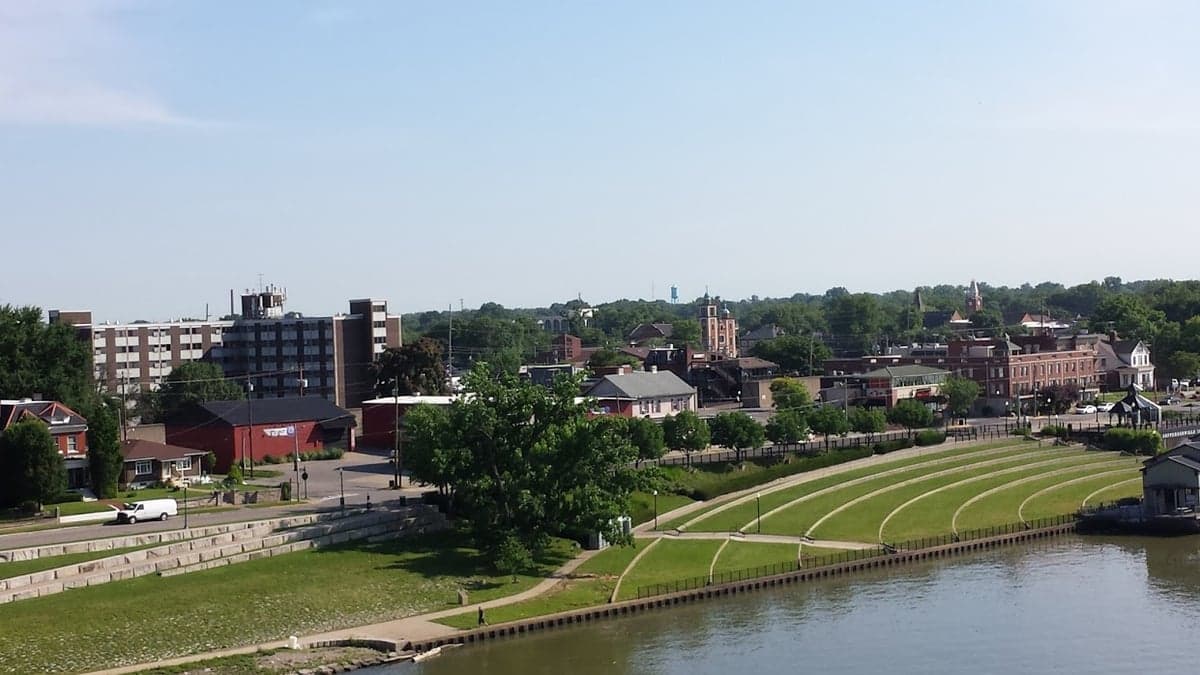
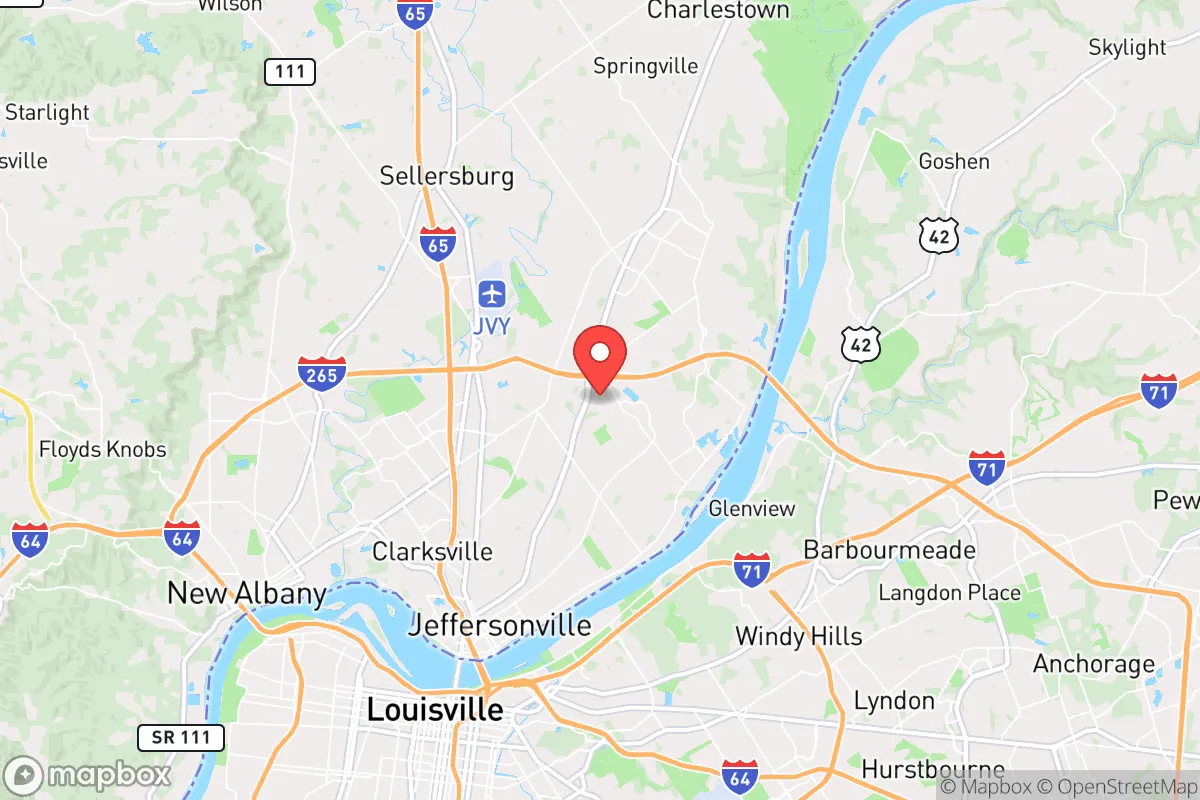
Photo: Wikipedia
Quality of Life in Jeffersonville, IN
A high quality of life with strong walkability, manageable living costs, healthy neighborhood signals, and solid amenity access.
What does Quality of Life tell us?
Quality of Life blends cost of living, nearby amenities, socioeconomic signals, and neighborhood character. City-level scores represent the whole municipality; individual neighborhoods can differ.
What does this tell us?
Quality of Life blends cost of living, nearby amenities, socioeconomic signals, and neighborhood character. City-level scores represent the whole municipality; individual neighborhoods can differ.
Cost of Living
14% below national average
The Real Cost of Living in Jeffersonville, IN for 2026
| Tier | Individual | Family (4) |
|---|---|---|
| Survival | $17k | $33k |
| Comfortable | $41k | $60k |
| Luxury | $102k+ | $159k+ |
| Elite (Top 5%) | $121k+ | $187k+ |
118%
The Area Signal
A metric tracking the socioeconomic signals of the area.
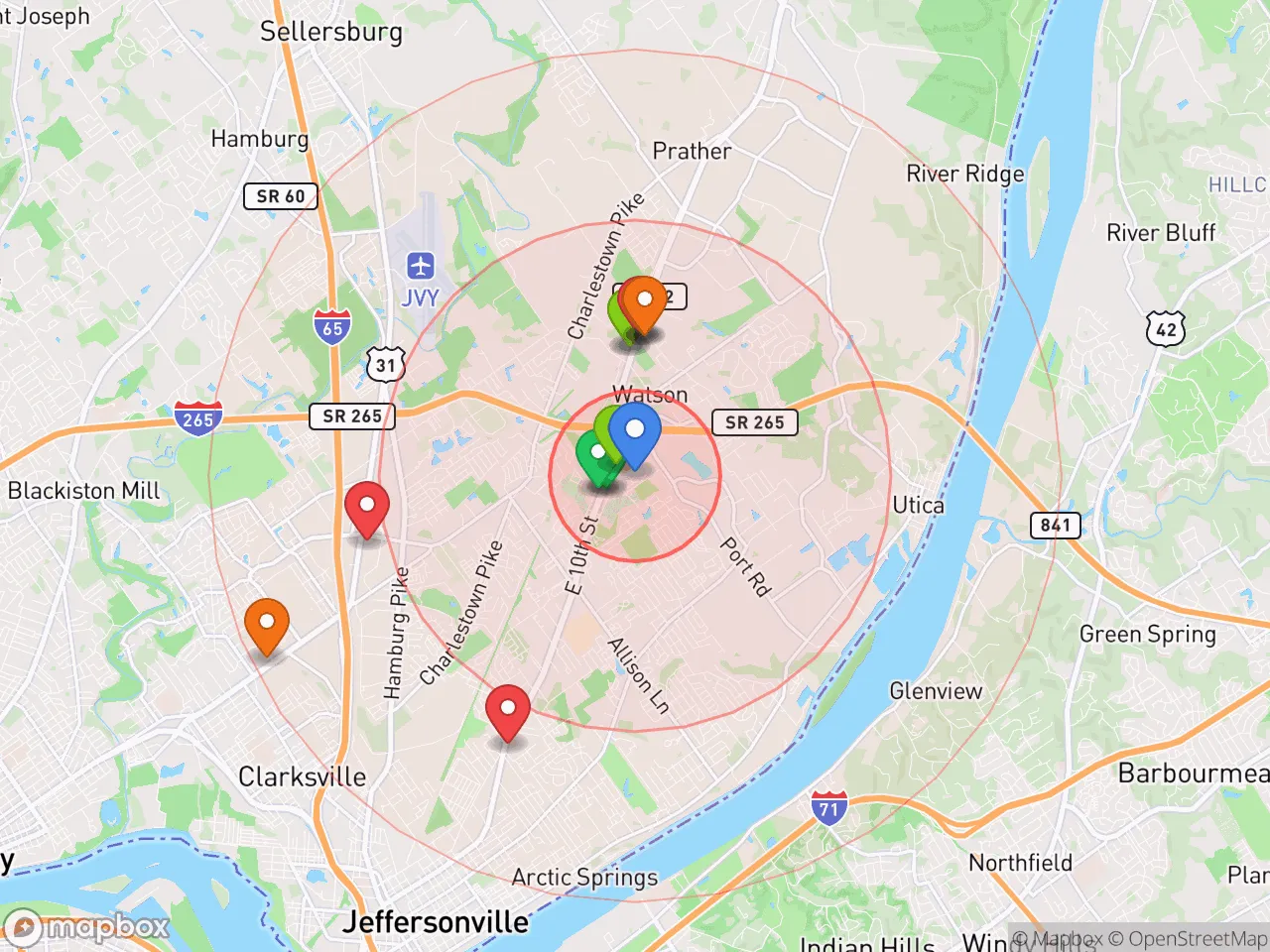
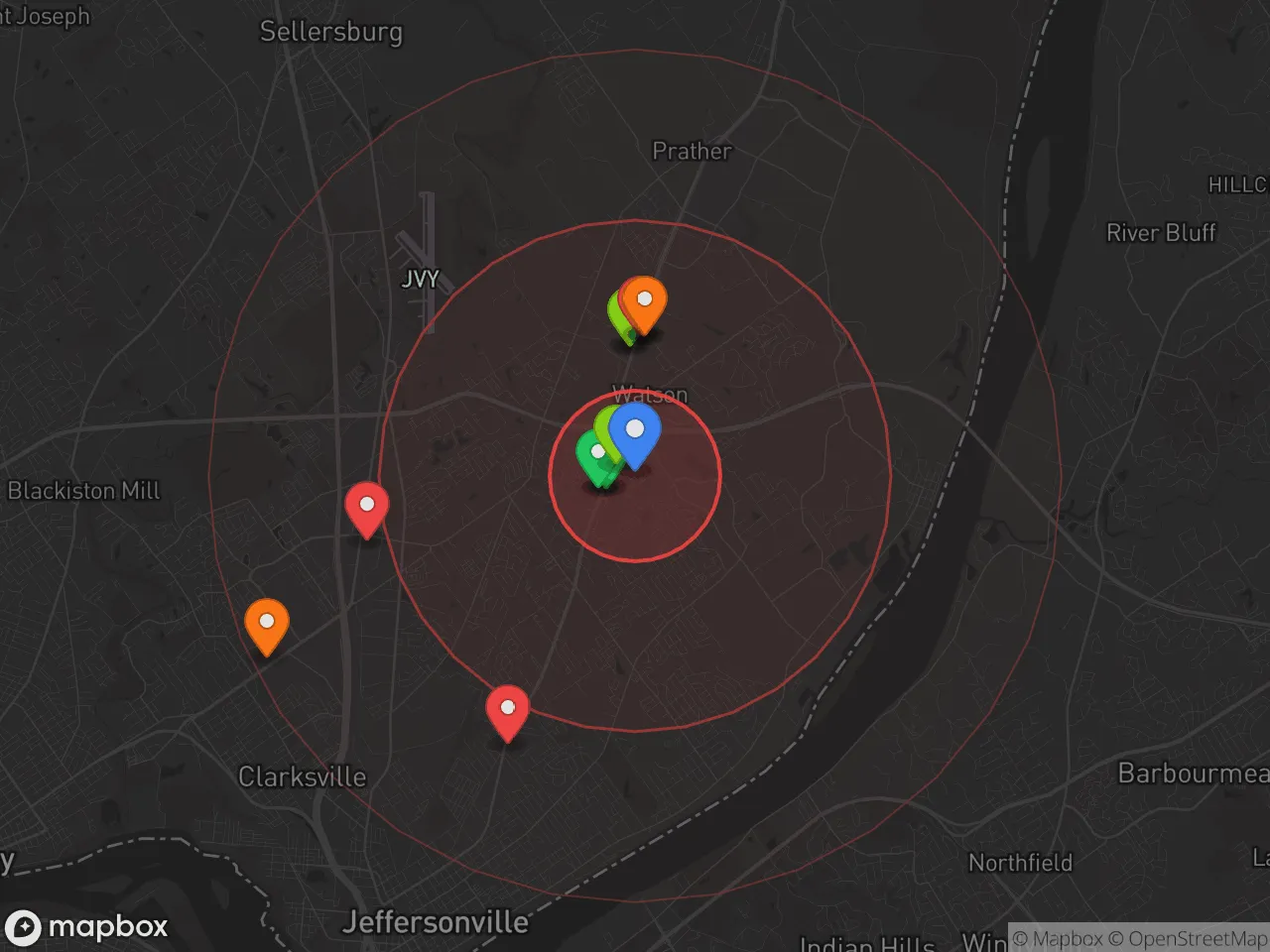
Hobbies
Explore the areaGroceries
6 within 10 miles
Gas
20 within 10 miles
Hospital
20 within 20 miles
Airport
Indianapolis International Airport
Post Office
USPS — Louisville, KY
Critical Amenities
Quality-of-Life Analysis
Jeffersonville, Indiana, presents a quality of life defined by solidly middle-class affordability and a family-oriented atmosphere, drawing a mix of young professionals, growing families, and long-term residents who work in the Louisville metro area. With a cost of living index of 86—well below the national average of 100—the city offers a tangible financial advantage over its Kentucky neighbor, where housing and daily expenses run significantly higher. The typical resident here values space, stability, and a slower pace, often trading the urban energy of downtown Louisville for a more suburban, community-driven lifestyle just across the Ohio River.
Cost of living and housing affordability compared to Louisville
Jeffersonville’s affordability is its strongest draw, particularly for those priced out of Louisville’s closer-in neighborhoods. The median home value sits at $208,500, roughly 30-40% lower than comparable homes in Louisville’s East End or Highlands districts, where median values often exceed $300,000. Renters also benefit: the median rent of $1,090 is about $200-$300 less per month than a similar apartment in Jeffersonville’s Kentucky counterpart. This cost advantage extends to groceries, utilities, and transportation, making it feasible for a single-income household or a dual-income family to own a home with a yard. The average commute of 20 minutes to downtown Louisville via I-65 further sweetens the deal, as workers can earn Kentucky-level wages while paying Indiana-level property taxes and utility rates. However, property taxes in Clark County have risen modestly in recent years, and buyers should factor in that homes in Jeffersonville’s historic district or newer subdivisions near the river command a premium over the citywide median.
Schools, parks, and daily life for families
Daily life in Jeffersonville revolves around its well-regarded public schools, ample green space, and a walkable historic core that hosts seasonal events. The Greater Clark County Schools system, which serves most of the city, includes Jeffersonville High School (rated above average by the Indiana Department of Education) and several elementary schools with strong parental involvement. For recreation, the city maintains over 20 parks, with Warder Park and the Ohio River Greenway providing paved trails, sports fields, and riverfront access that families use for weekend outings. The downtown area along Spring Street offers a mix of local restaurants, coffee shops, and the Jeffersonville Farmers Market (May–October), creating a small-town feel that contrasts with the strip-mall development along 10th Street. Commuters appreciate the direct I-65 corridor, though traffic can back up at the Sherman Minton Bridge during peak hours. For groceries and errands, most residents drive to the major retail nodes near the intersection of 10th Street and Veterans Parkway, which include a Kroger, Walmart, and Meijer.
Who thrives in Jeffersonville? The city is best suited for families seeking affordable homeownership within a short commute of Louisville’s job centers, as well as retirees looking for a quieter, lower-cost alternative to Kentucky’s urban core. Singles and young couples without children may find the nightlife and cultural options limited compared to Louisville’s NuLu or Bardstown Road areas, but the trade-off in housing savings and space is significant. Remote workers and tradespeople also benefit from the low cost of living and easy access to both Indiana’s lower taxes and Kentucky’s employment base. For those who prioritize a strong sense of community, good schools, and a manageable commute over urban excitement, Jeffersonville delivers a balanced, financially sustainable quality of life.

Crime in Jeffersonville, IN
Lower crime rates than 82% of comparable U.S. locations.
Violent CrimeViolent Crime Analysis
Property CrimeProperty Crime Analysis
Crime Analysis
Jeffersonville, Indiana, reports a violent crime rate of 76.2 per 100,000 residents and a property crime rate of 334.7 per 100,000, placing it well below national averages for both categories. However, as a growing suburb of Louisville, Kentucky, its safety profile is increasingly shaped by the progressive criminal justice policies of the broader metro area, which can embolden offenders and reduce accountability. Residents should weigh these low local numbers against the regional trend of lenient sentencing and reduced prosecution for repeat offenders.
Crime in context
Jeffersonville’s violent crime rate is roughly 80% lower than the national average, and its property crime rate is about 60% lower. By comparison, the state of Indiana as a whole reports a violent crime rate of approximately 410 per 100,000, making Jeffersonville one of the safer municipalities in the state. The city benefits from a dedicated police department and relatively low population density, which helps keep street-level crime in check. However, these statistics do not account for the influence of the Louisville metro area’s justice system, which has adopted progressive policies such as cash bail reform and reduced prosecution of nonviolent property offenses. This creates a dynamic where criminals from the metro area may view Jeffersonville as a softer target, knowing that if caught, they face a system increasingly focused on diversion rather than incarceration.
What residents experience
Daily life in Jeffersonville is generally quiet, with most crime concentrated in a few commercial corridors and apartment complexes. Property crimes like vehicle break-ins and package theft are the most common complaints, but they remain infrequent compared to national benchmarks. Residents report feeling safe walking in downtown areas and family-oriented neighborhoods, particularly during daylight hours. That said, the progressive tilt of the metro area’s district attorneys and judges—who often prioritize rehabilitation over punishment—means that repeat offenders cycle through the system quickly, increasing the risk of recidivism. This is a concern for homeowners and small business owners, who may find that stolen property or vandalism cases rarely result in meaningful consequences for perpetrators.
Neighborhood-level variation is notable. The historic downtown and newer developments along the Ohio River tend to have the lowest crime rates, while areas near the I-65 corridor and older apartment complexes see slightly elevated property crime. The city’s proximity to Louisville means that regional crime trends—including organized retail theft rings and drug trafficking—directly affect Jeffersonville, even if local police are proactive. For families and retirees, the safest choice is to focus on the established residential neighborhoods east of downtown, where community watch programs are active and response times are fastest. Overall, Jeffersonville is statistically safe, but the metro area’s progressive justice policies introduce a layer of uncertainty that residents should monitor closely.
* Values derived from national, state, county, city and local statistics and may differ in a specific area. Last updated: 2026-04-24T19:31:33.000Z
Narrative content on this page is AI-generated and may contain mistakes. Verify any details that matter before acting on them.
ReloMaps may earn a commission from affiliate links at no extra cost to you.

