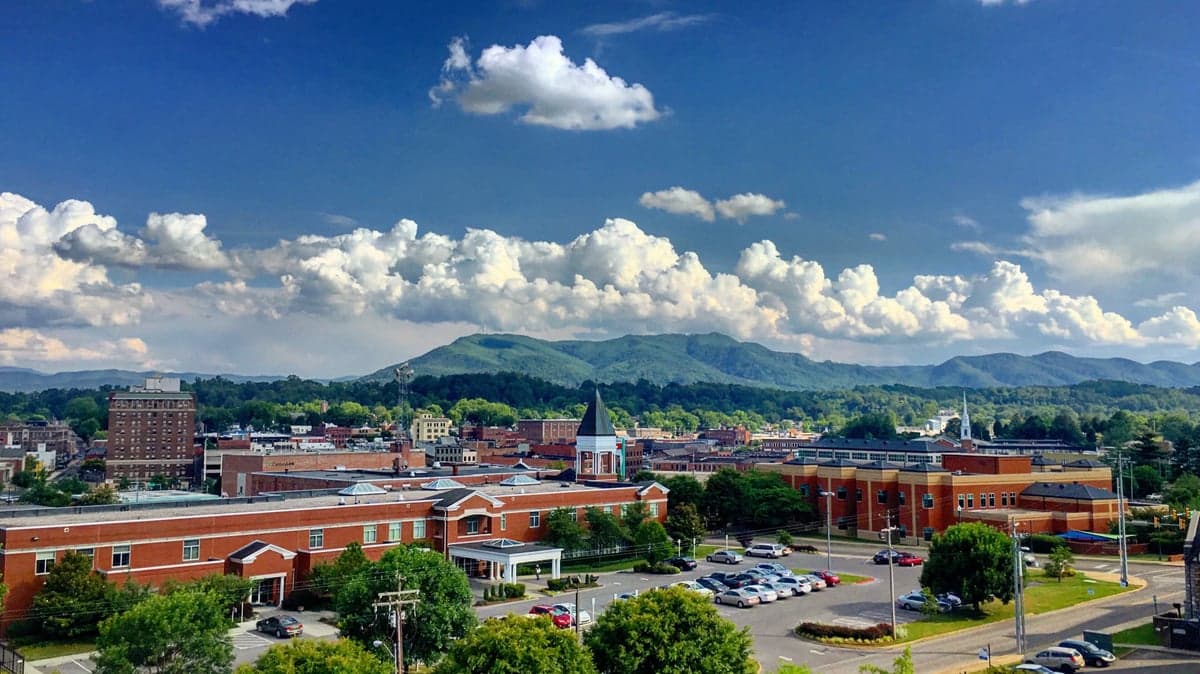
Photo: Wikipedia
Quality of Life in Johnson City, TN
A high quality of life with strong walkability, manageable living costs, healthy neighborhood signals, and solid amenity access.
What does Quality of Life tell us?
Quality of Life blends cost of living, nearby amenities, socioeconomic signals, and neighborhood character. City-level scores represent the whole municipality; individual neighborhoods can differ.
What does this tell us?
Quality of Life blends cost of living, nearby amenities, socioeconomic signals, and neighborhood character. City-level scores represent the whole municipality; individual neighborhoods can differ.
Cost of Living
17% below national average
The Real Cost of Living in Johnson City, TN for 2026
| Tier | Individual | Family (4) |
|---|---|---|
| Survival | $15k | $29k |
| Comfortable | $46k | $68k |
| Luxury | $100k+ | $155k+ |
| Elite (Top 5%) | $149k+ | $232k+ |
82%
The Area Signal
A metric tracking the socioeconomic signals of the area.
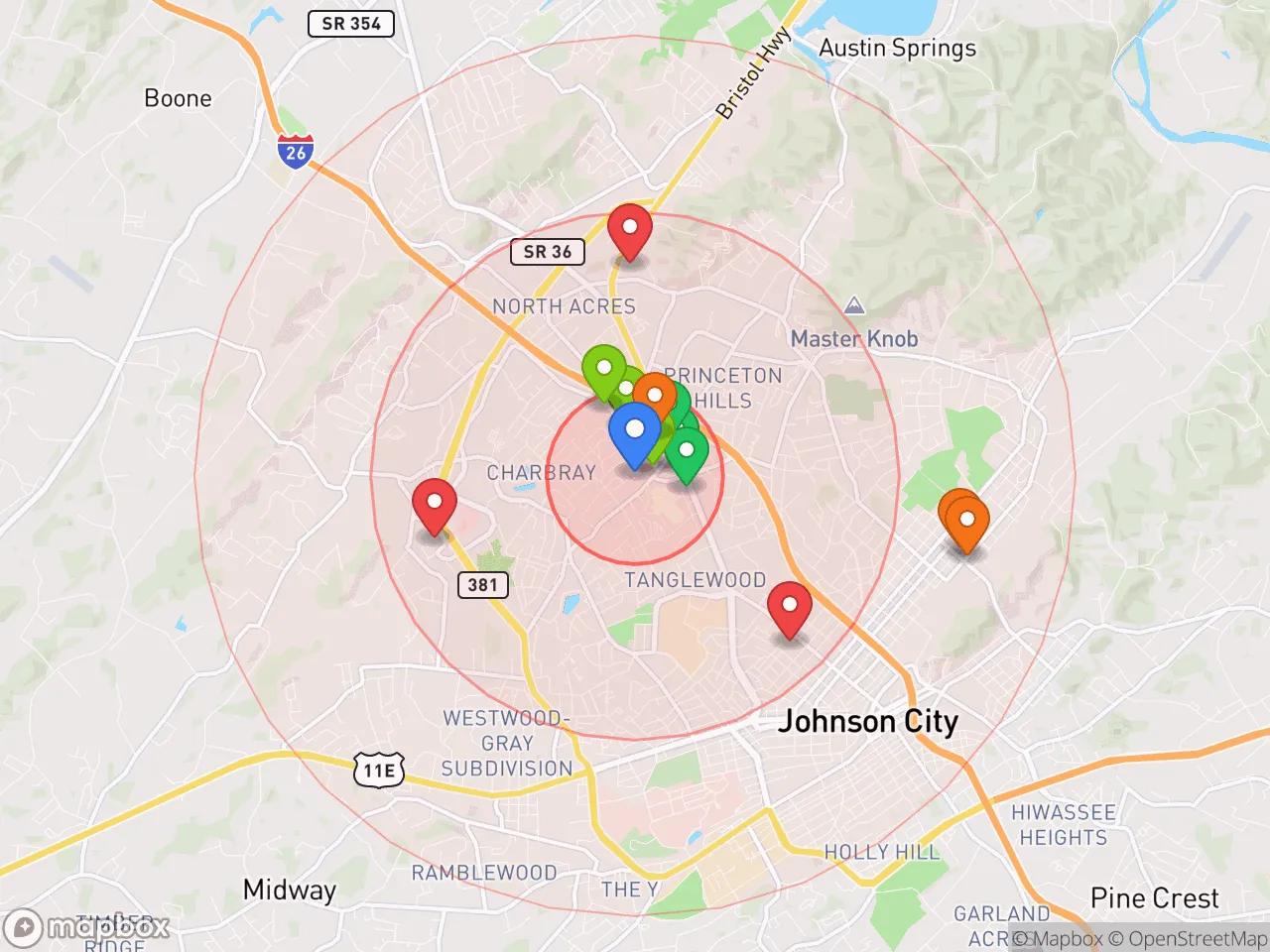
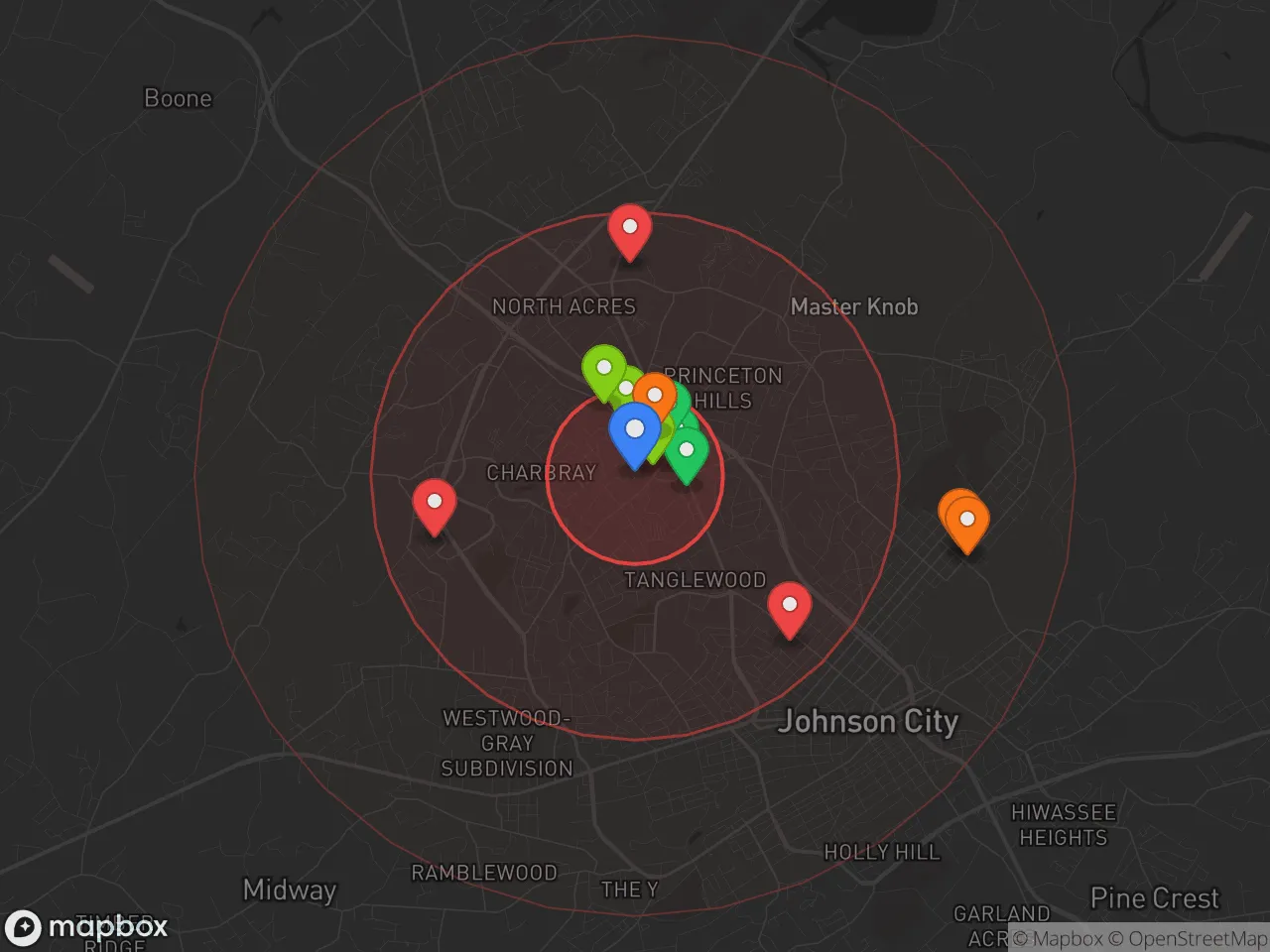
Hobbies
Explore the areaGroceries
8 within 10 miles
Gas
20 within 10 miles
Hospital
10 within 20 miles
Airport
CLT — Charlotte Douglas International
Post Office
USPS — Johnson City, TN
Critical Amenities
Quality-of-Life Analysis
Johnson City, Tennessee, presents a quality of life defined by a blend of professional opportunity and Appalachian affordability, attracting a demographic mix of young professionals from the Tri-Cities metro, retirees seeking lower taxes, and remote workers drawn to its low cost of living. The city's economic base, anchored by Ballad Health and East Tennessee State University, creates a stable, educated workforce that contrasts with the more transient populations of larger Tennessee metros. With a cost of living index of 83 (17% below the national average), Johnson City offers a tangible financial advantage that shapes nearly every aspect of daily life, from housing choices to leisure spending.
How housing costs and everyday expenses compare to nearby cities
The most immediate quality-of-life benefit in Johnson City is housing affordability. The median home value sits at $238,000, a figure that is roughly $60,000 less than the national median and significantly lower than in Knoxville or Asheville, North Carolina. For renters, the median monthly rent of $957 provides access to well-maintained apartments and duplexes in neighborhoods like Tree Streets or near the ETSU campus, a price point that is increasingly rare in the broader Southeast. This affordability is not offset by higher transportation costs; the average commute of 18.8 minutes is notably shorter than the national average of 26 minutes, meaning residents spend less time in traffic and more time at home. Compared to nearby Bristol or Kingsport, Johnson City commands a slight premium in home values, but it also offers a denser concentration of restaurants, breweries, and cultural amenities that justify the difference for most buyers.
What daily life is like for families, professionals, and retirees
Daily life in Johnson City revolves around a walkable downtown core and a strong public school system, particularly within the Johnson City Schools district, which consistently ranks among the top in the state for academic performance. The city's amenities punch above its weight: the Tipton-Haynes State Historic Site and the Hands On! Discovery Center provide family-friendly outings, while the nearby Buffalo Mountain Park offers 12 miles of hiking trails within a 10-minute drive of downtown. For professionals, the presence of ETSU fuels a steady calendar of lectures, Division I athletics, and medical research symposia, creating a civic culture that feels more collegiate than industrial. The rhythm of life here is notably slower than in Nashville or Charlotte, with a strong emphasis on outdoor recreation—residents frequently spend weekends on the Watauga River or driving 45 minutes to the ski slopes at Sugar Mountain, North Carolina. Dining options have expanded significantly since 2020, with local staples like the Main Street Pizza Company and White Duck Taco Shop drawing consistent crowds, though the city still lacks the late-night entertainment options found in larger urban centers.
Johnson City is best suited for individuals and families who prioritize financial breathing room and outdoor access over urban intensity. Remote workers and early-career professionals will find the low COL and fast internet infrastructure (with municipal broadband options) a compelling combination, while retirees benefit from Tennessee's lack of state income tax and the proximity to top-tier medical facilities at Johnson City Medical Center. Those seeking a vibrant nightlife or a dense public transit system may find the city limiting, but for anyone looking to maximize disposable income while living within 30 minutes of world-class hiking, fishing, and skiing, Johnson City offers a rare equilibrium of cost and convenience.

Crime in Johnson City, TN
Generally safer than 57% of comparable U.S. locations.
Violent CrimeViolent Crime Analysis
Property CrimeProperty Crime Analysis
Crime Analysis
Johnson City, Tennessee, reports a violent crime rate of 413.3 incidents per 100,000 residents and a property crime rate of 2,135.2 per 100,000, placing it above national averages for both categories. While not among the most dangerous cities in the state, these figures indicate that crime is a tangible concern for residents and prospective movers. The city’s safety profile is shaped by its status as a regional hub in the Tri-Cities area, drawing both economic activity and the associated challenges of a growing population.
Crime in context
Johnson City’s violent crime rate is roughly 18% higher than the national average of approximately 350 per 100,000, while its property crime rate exceeds the national figure by about 14%. Compared to Tennessee’s statewide violent crime rate of roughly 670 per 100,000, Johnson City fares better, but its property crime rate is slightly above the state average of 2,100 per 100,000. The city’s proximity to the larger metro area of Johnson City–Kingsport–Bristol, TN-VA, means it experiences pressures common to regional economic centers, including property theft and drug-related offenses. However, local law enforcement and community programs have worked to keep violent crime from reaching the higher levels seen in Tennessee’s major cities like Memphis or Nashville.
What residents experience
Residents most commonly encounter property crimes such as theft from vehicles, burglary, and vandalism, particularly in areas near East Tennessee State University and commercial corridors like State of Franklin Road. Violent crime, while less frequent, includes aggravated assault and robbery, often concentrated in specific neighborhoods rather than spread evenly across the city. Johnson City’s location in Washington County, which leans conservative politically, means its judicial system has not adopted the progressive prosecutorial policies seen in some larger, liberal-leaning metro areas. This is a significant factor for safety-conscious readers: jurisdictions with progressive district attorneys and judges often see higher recidivism and reduced accountability for offenders, directly increasing risks for law-abiding residents. In contrast, Washington County’s approach to sentencing and prosecution tends to prioritize public safety, which helps keep crime rates from escalating further.
Neighborhood-level variation
Safety in Johnson City varies noticeably by neighborhood. Areas like the Tree Streets and Ridgefields are generally considered safer, with lower crime rates and stronger neighborhood watch presence. Conversely, parts of downtown and some apartment complexes near the university experience higher rates of theft and occasional violent incidents. Prospective residents should research specific blocks and consult local crime maps, as a few blocks can make a meaningful difference in daily safety. Overall, while Johnson City is not a high-crime city by Tennessee standards, its above-average rates warrant caution, especially for those moving from low-crime rural areas. The absence of progressive justice policies in the local system is a net positive for community safety, but vigilance remains essential.
* Values derived from national, state, county, city and local statistics and may differ in a specific area. Last updated: 2026-05-02T03:06:26.000Z
Narrative content on this page is AI-generated and may contain mistakes. Verify any details that matter before acting on them.
ReloMaps may earn a commission from affiliate links at no extra cost to you.

