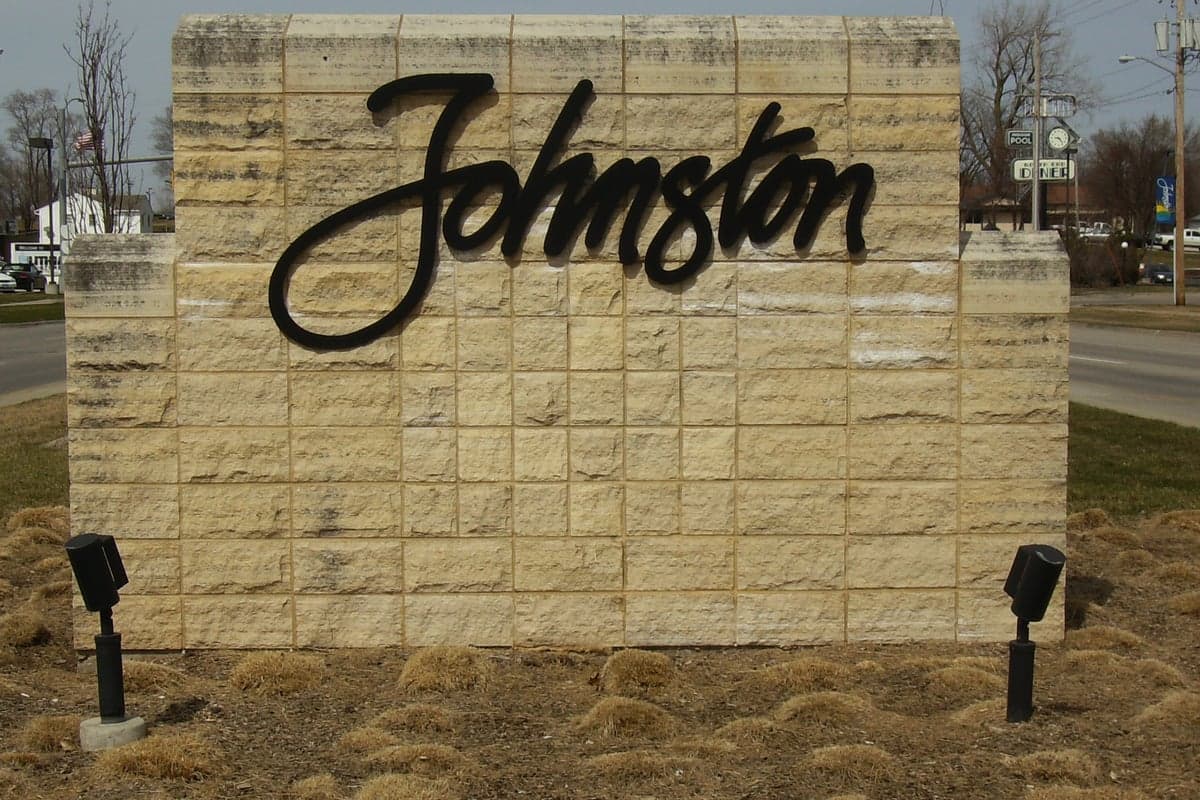
Photo: Wikipedia
Quality of Life in Johnston, IA
A high quality of life with strong walkability, manageable living costs, healthy neighborhood signals, and solid amenity access.
What does Quality of Life tell us?
Quality of Life blends cost of living, nearby amenities, socioeconomic signals, and neighborhood character. City-level scores represent the whole municipality; individual neighborhoods can differ.
What does this tell us?
Quality of Life blends cost of living, nearby amenities, socioeconomic signals, and neighborhood character. City-level scores represent the whole municipality; individual neighborhoods can differ.
Cost of Living
16% above national average
The Real Cost of Living in Johnston, IA for 2026
| Tier | Individual | Family (4) |
|---|---|---|
| Survival | $21k | $39k |
| Comfortable | $67k | $99k |
| Luxury | $187k+ | $290k+ |
| Elite (Top 5%) | $220k+ | $341k+ |
105%
The Area Signal
A metric tracking the socioeconomic signals of the area.
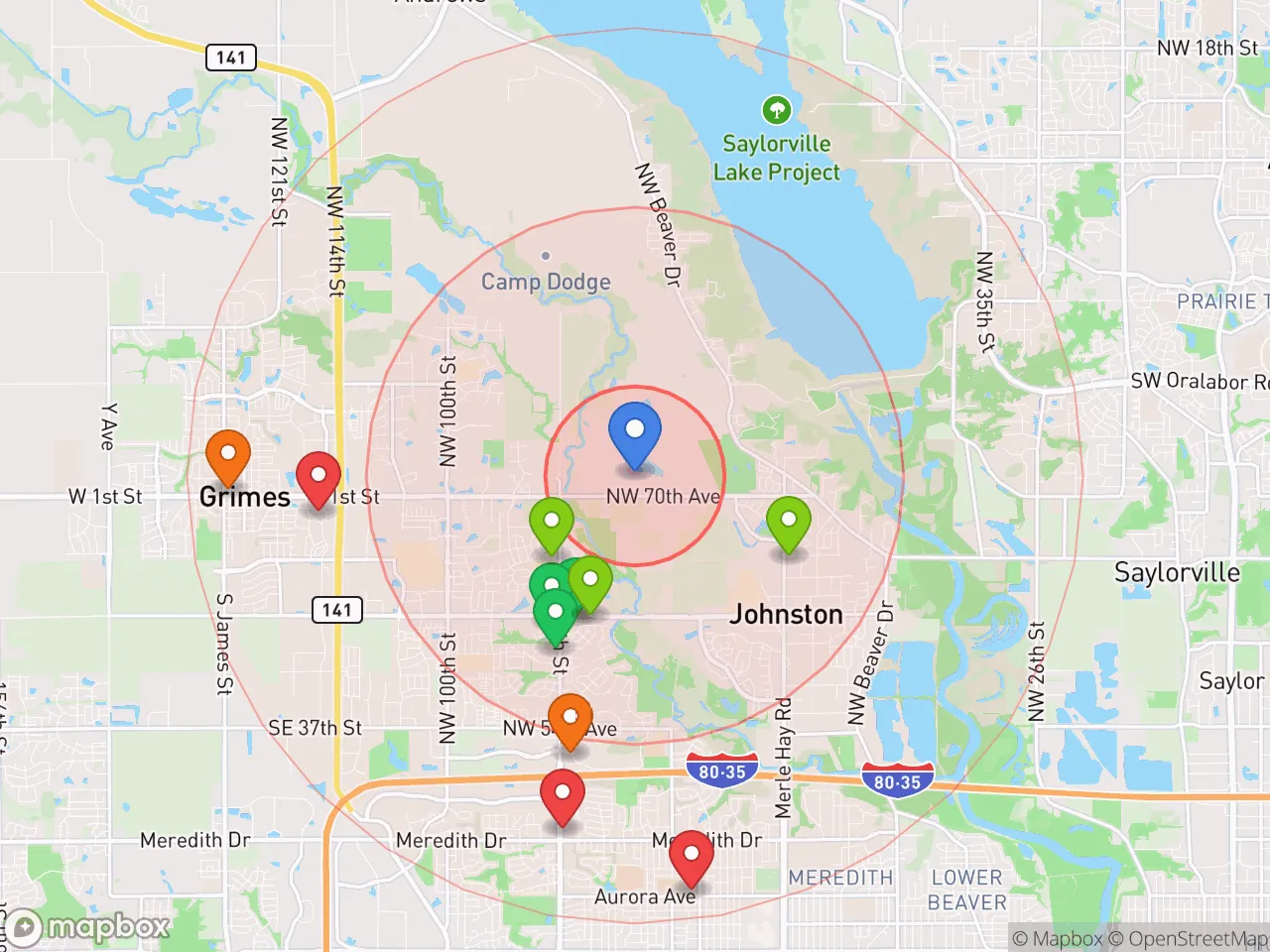
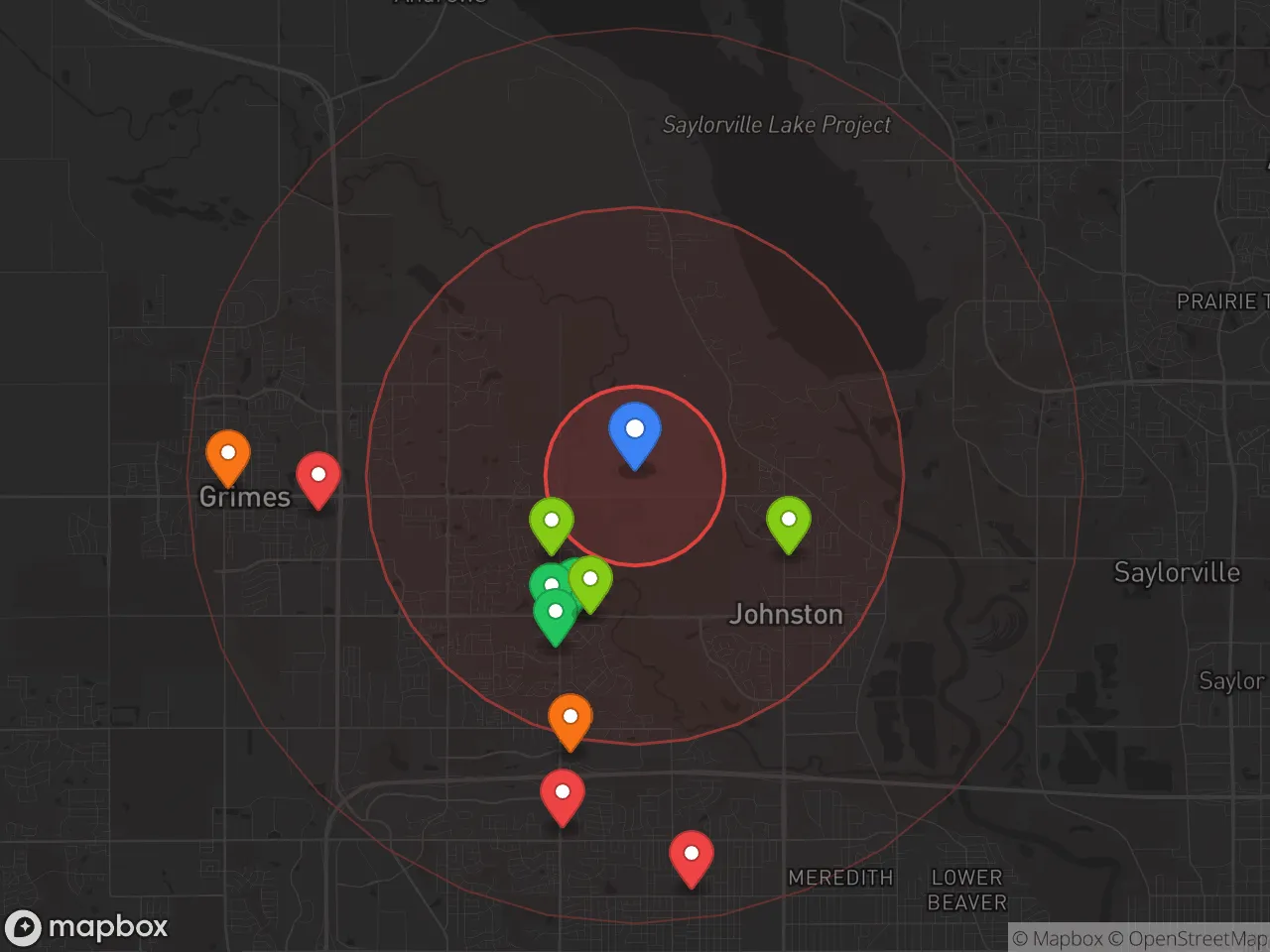
Hobbies
Explore the areaGroceries
4 within 10 miles
Gas
20 within 10 miles
Hospital
10 within 20 miles
Airport
MCI — Kansas City International
Post Office
USPS — Johnston, IA
Critical Amenities
Quality-of-Life Analysis
Johnston, Iowa, is an affluent northwestern suburb of Des Moines where the cost of living index sits at 116—16% above the national average—reflecting a community of professionals, families, and long-term residents who prioritize high-quality schools and low crime over bargain housing. The median home value of $346,200 and median rent of $1,288 place it among the pricier options in the Des Moines metro, yet the area’s strong tax base and steady demand keep property values resilient. Residents typically work in white-collar sectors such as insurance, finance, and healthcare, with many commuting to downtown Des Moines or nearby corporate campuses like those of Wellmark Blue Cross and Blue Shield.
Cost of living, housing, and affordability compared to Des Moines and Ankeny
Johnston’s cost of living index of 116 is notably higher than the U.S. average of 100, but it remains competitive within the metro when compared to West Des Moines (index ~118) and Ankeny (index ~114). The median home value of $346,200 is roughly $50,000 more than the Des Moines citywide median, reflecting Johnston’s newer housing stock and larger lot sizes. Renters face a median of $1,288 per month, which is about $150 above the metro average, though still below comparable suburbs like Waukee. Property taxes in Polk County average around 1.7% of assessed value, adding roughly $5,900 annually on a median-priced home. For buyers, the premium over neighboring Grimes or Urbandale is justified by Johnston’s top-tier school district and lower crime rates, but first-time buyers on a single income may find the entry point challenging without a dual-earner household.
Schools, amenities, and the daily rhythm of life in Johnston
The Johnston Community School District consistently ranks among Iowa’s top 10%, with Summit Middle School and Johnston High School earning state recognition for academic growth and extracurricular breadth. Daily life revolves around a mix of local parks—like the 80-acre Terra Park with its splash pad and trails—and the nearby Saylorville Lake recreation area, which offers boating, fishing, and hiking within a 10-minute drive. The average commute of just over 19 minutes is significantly shorter than the national average of 26 minutes, allowing residents more time for family or hobbies. Retail and dining cluster along NW 86th Street and Merle Hay Road, with national chains like Target and Hy-Vee supplemented by local spots such as the Django steakhouse. The city’s population of roughly 25,000 supports a walkable downtown core with a library, community center, and seasonal farmers’ market, though most errands still require a car.
Johnston is best suited for families and professionals who value short commutes, strong public schools, and a low-crime environment over urban nightlife or ultra-low housing costs. Empty-nesters and retirees also find the area appealing due to its medical access—MercyOne Johnston is a full-service hospital—and proximity to Des Moines’ cultural amenities like the Des Moines Art Center and the Iowa Cubs baseball stadium. Singles or young renters on a tight budget may prefer the lower rents of Des Moines proper or the more walkable neighborhoods of the East Village, but for those who can afford the premium, Johnston delivers a consistently high quality of life with minimal trade-offs.

Crime in Johnston, IA
Lower crime rates than 89% of comparable U.S. locations.
Violent CrimeViolent Crime Analysis
Property CrimeProperty Crime Analysis
Crime Analysis
Johnston, Iowa, is one of the safest communities in the Des Moines metro area, with violent crime rates dramatically lower than both state and national averages. The city recorded a violent crime rate of just 79.1 incidents per 100,000 residents, compared to the Iowa average of roughly 280 per 100,000 and the U.S. rate of approximately 380 per 100,000. Property crime in Johnston stands at 672.3 per 100,000, which is below the national median but slightly above the Iowa average of about 620 per 100,000, reflecting the city’s suburban commercial density and proximity to Interstate 80/35 corridors.
Crime in context
Johnston’s violent crime rate is roughly one-fifth the national average, placing it among the safest suburbs in the Des Moines region. The city’s property crime rate, while higher than the state average, is still significantly lower than the national rate of approximately 1,950 per 100,000. However, because Johnston is part of Polk County — a large metro area with a progressive district attorney’s office — readers should be aware that broader prosecutorial policies can affect public safety outcomes. Polk County has adopted diversion programs and reduced sentencing guidelines for nonviolent offenses, which critics argue can lead to repeat property crimes and a revolving-door effect for offenders. This metro-wide approach means that even low-crime Johnston is not immune to spillover from Des Moines’ more lenient justice environment.
What residents experience
Most Johnston residents report feeling safe walking their neighborhoods and using local parks, with the city’s own police department maintaining a strong community presence. The most common property crimes are theft from vehicles and package theft, particularly near retail corridors like Merle Hay Road and the Shoppes at Johnston. Violent incidents are rare and typically isolated to domestic situations or disputes among known individuals. Johnston has recorded zero homicides in most recent years, and aggravated assaults are infrequent. The city’s low crime profile is reinforced by its high median household income (over $100,000) and strong school system, which correlate with lower crime rates nationally.
Neighborhood-level variation
Crime in Johnston is not evenly distributed. The newer, higher-value subdivisions west of Northwest 86th Street and north of Interstate 80 experience virtually no property crime. Older neighborhoods near the historic downtown core and multi-family housing complexes along Northwest 62nd Avenue see slightly elevated rates of theft and vandalism. The Johnston Station area, with its mix of apartments and retail, accounts for a disproportionate share of reported larcenies. Overall, the vast majority of Johnston’s 25,000 residents live in census tracts where violent crime is statistically negligible, but the progressive prosecutorial climate in Polk County means that property offenders caught in Johnston may face minimal jail time, reducing deterrence and increasing the likelihood of repeat incidents in the city’s commercial zones.
* Values derived from national, state, county, city and local statistics and may differ in a specific area. Last updated: 2026-04-29T20:34:54.000Z
Narrative content on this page is AI-generated and may contain mistakes. Verify any details that matter before acting on them.
ReloMaps may earn a commission from affiliate links at no extra cost to you.

