 Popular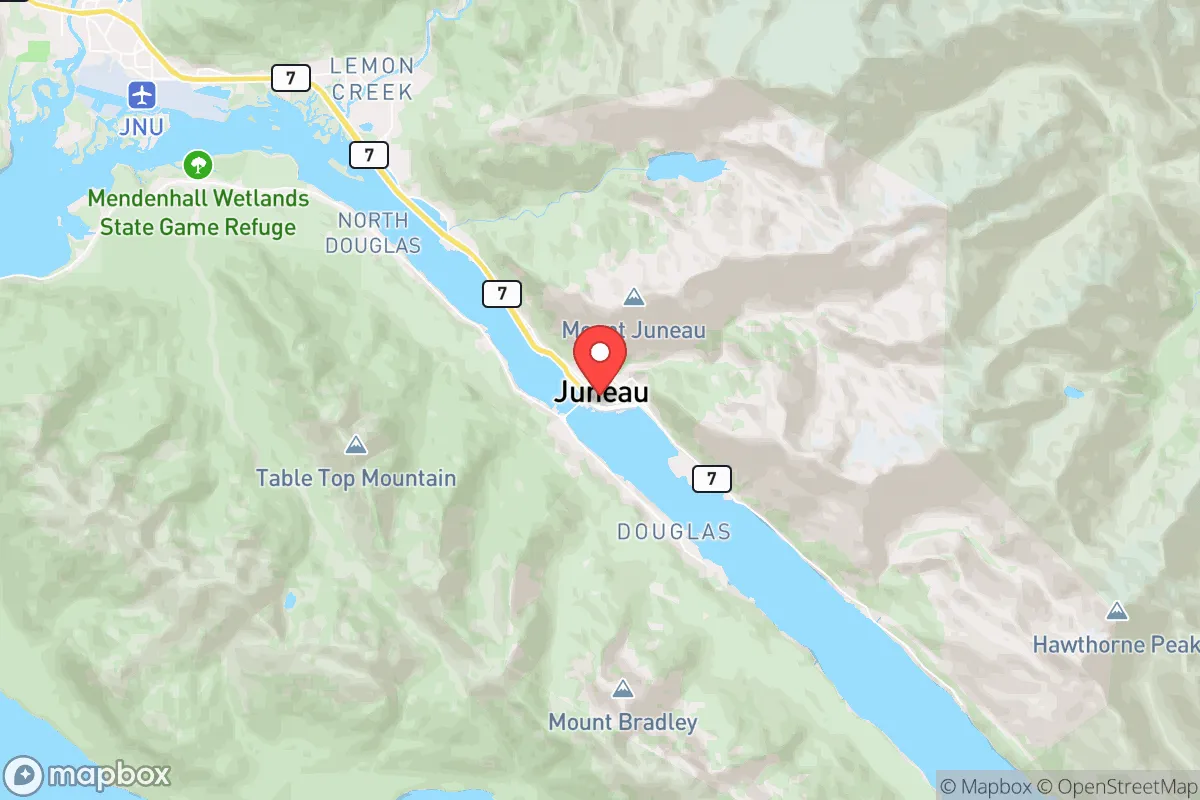
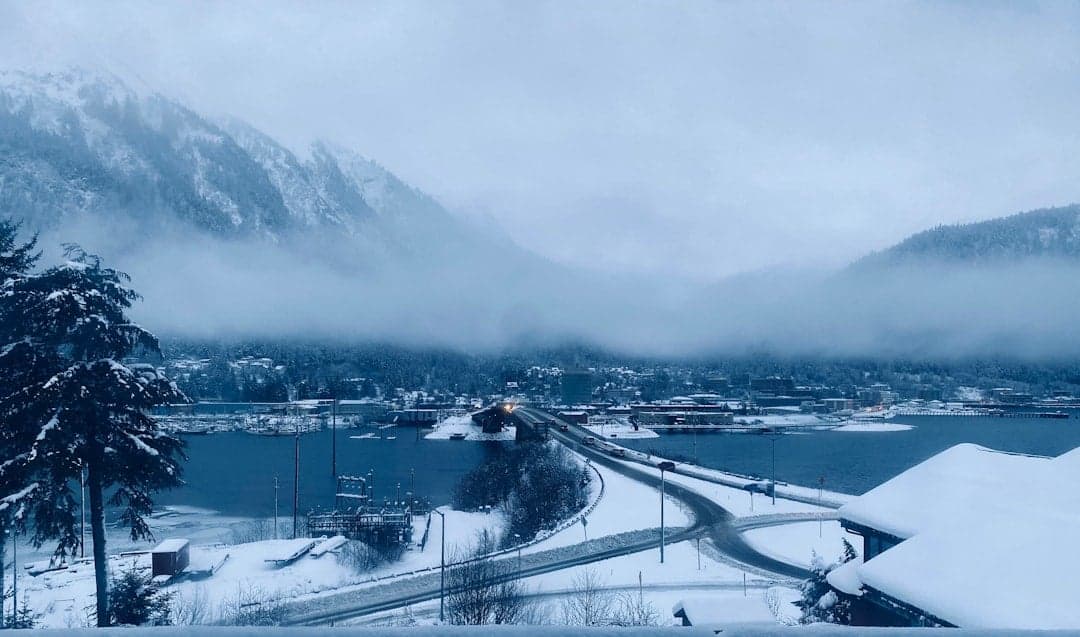
Photo: Kathrine Coonjohn via Unsplash
Strategic Assessment of Juneau City And, AK
Strong survivability profile. Good buffer from population centers, with manageable environmental and tactical risks.
What does the Strategic Assessment tell us?
Our Strategic Assessment grades tactical survivability of an area. Major population centers, military targets, fallout zones, natural disasters, and border exposure all drive risk — lower exposure means a more defensible position in a crisis.
This is heavily inspired by Joel Skousen's Strategic Relocation book. Highly recommended you checkout the book ($)What does this tell us?
Our Strategic Assessment grades tactical survivability of an area. Major population centers, military targets, fallout zones, natural disasters, and border exposure all drive risk — lower exposure means a more defensible position in a crisis.
This is heavily inspired by Joel Skousen's Strategic Relocation book. Highly recommended you checkout the book ($)Strategic Pillars

Key Distances
Regional Safe Places
Below is our recommended "safe zones" in Alaska and the surrounding area based on our strategic heuristics. For most people, it's unrealistic to live in a “safe zone” full-time due to work, family or other personal reasons. They tend to be more rural. However, many of these areas are perfect for second homes and retreat properties that double as a vacation home or even a short-term rental.
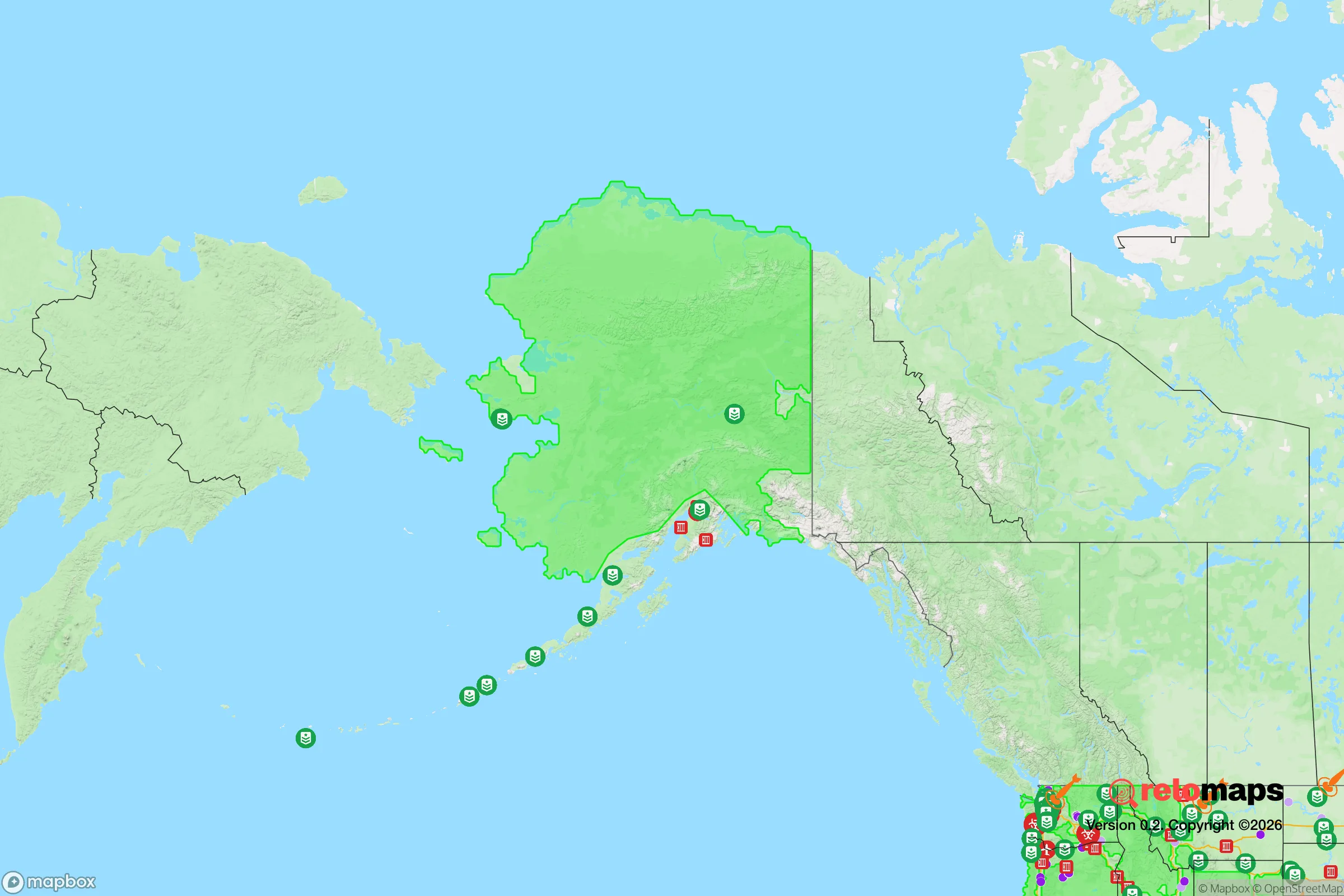
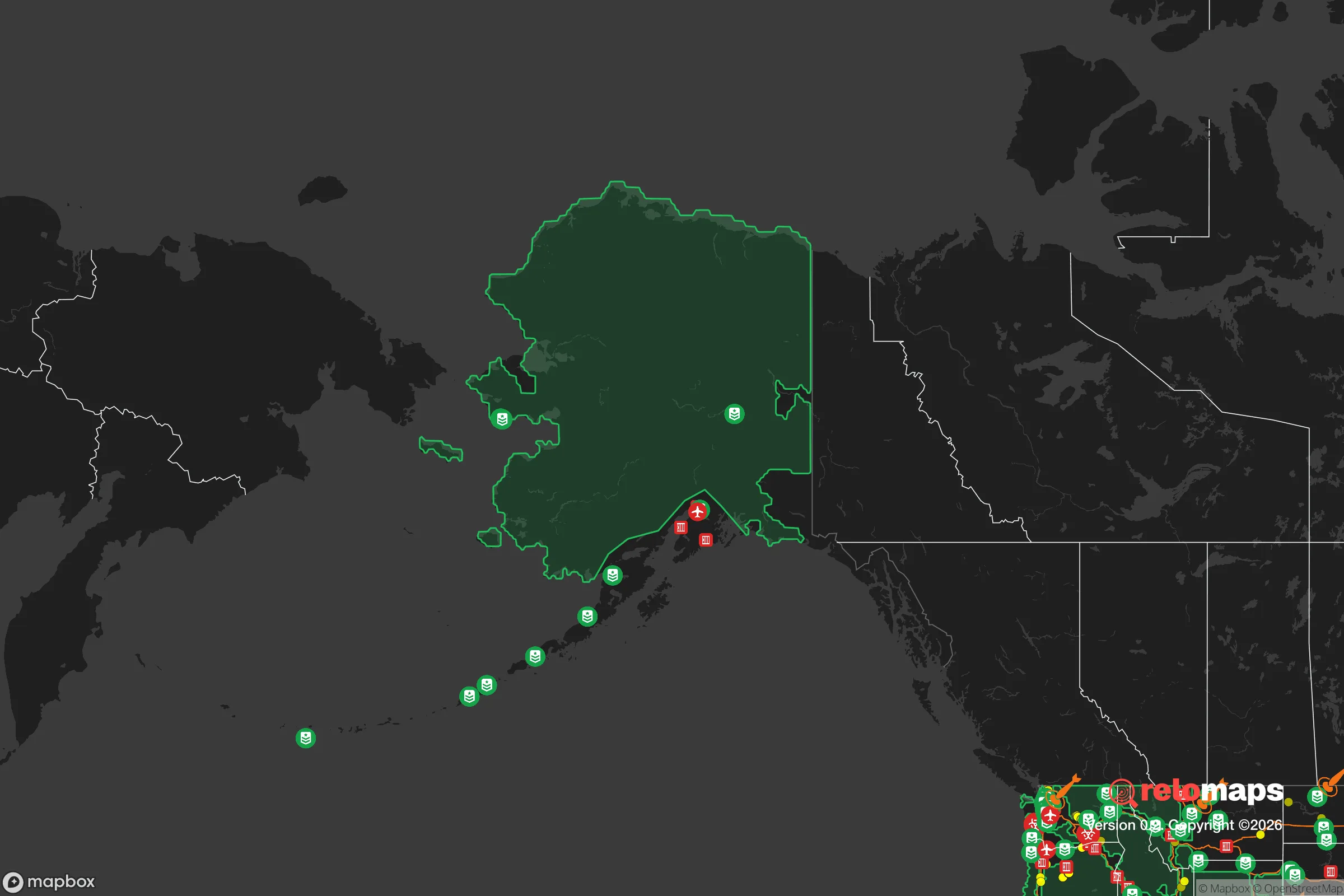


Important Note: For informational purposes only. This does not mean nothing bad ever happens in the green zones. Please use common sense. This is based on public data and modeled with AI. We tried to take a conservative approach but mistakes happen. We update this regularly as new information becomes available.
Solar Generator Recommendations
Backup power matters more here than in safer locations. We've picked three solar generators across budgets and capacity tiers — start with the budget unit if you only need a few essentials, or step up if you want to run a fridge and HVAC for days at a time.

Jackery Portable Power Station Explorer 300
Budget OptionPower on the Go: Weighing only 11 lbs, it's convenient to set up and store with book-sized foldable solar panels

BLUETTI Portable Power Station AC180
Designed for both indoor and outdoor scenarios, AC180 is highly capable as it has a robost capacity and continuous output power.

EF ECOFLOW DELTA Pro Ultra Power Station
Upgraded PickEcoFlow DELTA Pro Ultra is a whole-home energy system designed to grow with your family. Integrated with the Smart Home Panel 2, it scales to meet your evolving energy needs — keeping your home powered, intelligent, and secure through every stage of life.
We earn a commission, at no additional cost to you.
Strategic Assessment Analysis
Juneau, Alaska, presents a paradox for the strategic relocator: it is simultaneously one of the most resilient and one of the most vulnerable places in the United States. Its capital status and deep-water port provide a thin veneer of civilization, but the reality is that this city is a remote, roadless outpost carved into a temperate rainforest, accessible only by air or sea. For the conservative prepper looking to distance themselves from the chaos of the Lower 48, Juneau offers extreme geographic isolation from the primary corridors of civic unrest and mass casualty events. However, that same isolation creates a brittle supply chain and a population density concentrated in a narrow, avalanche-prone strip of land, making it a high-risk, high-reward proposition that demands serious, sober consideration.
Geographic position and natural advantages for strategic relocation
Juneau’s primary strategic asset is its location. It sits at the base of Mount Juneau and Mount Roberts, with the Gastineau Channel to its west, creating a natural fortress that is difficult to approach overland. There are no roads connecting Juneau to the rest of North America; the only way in or out is by floatplane, ferry, or cargo ship. This effectively eliminates the risk of a mass exodus of refugees or looters arriving by vehicle during a collapse scenario. The surrounding Tongass National Forest provides a massive buffer of dense, wet wilderness that is extremely difficult to traverse on foot. For a relocator concerned with fallout from a major event—whether economic, political, or radiological—this isolation is a powerful filter. The prevailing winds and weather patterns, which sweep in from the Gulf of Alaska, also offer a degree of natural dilution for airborne contaminants, though this is no substitute for proper shelter. The area’s abundant freshwater from glaciers and rainfall is a genuine long-term survival asset, something most of the Lower 48 cannot claim.
Risks, exposures, and proximity to fallout-relevant landmarks
The strategic downsides are significant and cannot be glossed over. Juneau is not a safe distance from major targets; it is the state capital, housing the Alaska State Capitol, the Governor’s Mansion, and the headquarters of state-level law enforcement and emergency management. In a scenario involving targeted civic unrest or a coordinated attack on government infrastructure, Juneau is a high-value target. The city also hosts the Juneau International Airport, a key refueling stop for military and cargo aircraft, and a major Coast Guard station at Auke Bay. These are not “fallout-relevant landmarks” in the sense of a nuclear silo, but they are magnets for disruption. A mass casualty event in the Lower 48 would immediately sever Juneau’s supply lines, as the city relies on 95% of its consumer goods arriving by barge. A single disruption to the Alaska Marine Highway System or the cargo shipping schedule would trigger shortages within days. Furthermore, the city sits in a seismically active zone; a major earthquake could trigger a tsunami in the channel or a landslide that cuts off the airport and the port simultaneously, trapping residents without resupply. The risk of being stranded in a broken city with no egress is real.
Practical resilience for a relocator: food, water, energy, and defensibility
For the individual or family committed to prepping, Juneau offers a mixed bag. Water is abundant—the city draws from Last Chance Basin and other mountain sources, and with a simple gravity-fed filter, a household can secure clean water indefinitely. Food is the critical weakness. The growing season is short and cool, suitable for cold-hardy greens and root vegetables, but you will not grow a year’s supply of calories in a standard garden. Subsistence hunting and fishing are viable but heavily regulated and competitive; salmon runs in the Mendenhall River and nearby creeks are reliable, but you are competing with bears and other residents. Energy is a bright spot: Juneau’s electricity comes almost entirely from hydroelectric projects at Snettisham and Lake Dorothy, meaning the grid is resilient against fuel shortages. However, heating is a different story—most homes use heating oil, which must be barged in. A prepper would need to invest heavily in wood heat, which is feasible given the surrounding forest, but requires significant labor and storage. Defensibility is excellent for a small group. The terrain funnels movement along the channel and a few main roads; a determined group could control access to a neighborhood or a homestead in the valley with relative ease. The population is small (roughly 30,000), and the culture is independent and armed—Alaska has some of the most permissive firearm laws in the nation, and Juneau residents are accustomed to self-reliance. This is not a place where you will be welcomed as a newcomer, but it is also not a place where you will be easily pushed around.
The overall strategic picture for Juneau is one of extreme trade-offs. It offers a defensible, water-rich, and energy-secure redoubt that is effectively immune to the land-based refugee flows and supply-chain chaos that would cripple most of the Lower 48. But it is a brittle outpost, not a self-sufficient homestead. The reliance on barged fuel, food, and medical supplies means that any long-term disruption would force a rapid transition to subsistence living, which is a hard life even for experienced Alaskans. For the conservative relocator who is willing to invest in a serious off-grid setup—solar panels, a wood stove, a year’s worth of freeze-dried food, and a boat for independent travel—Juneau can be a viable fallback position. For anyone expecting to simply show up and ride out the storm, it is a trap. The city’s isolation cuts both ways: it keeps the trouble out, but it also keeps you in. If you are prepared for that reality, Juneau is one of the few places in the country where geography still matters more than politics.

* Values derived from national, state, county, city and local statistics and may differ in a specific area. Last updated: 2026-04-19T19:24:50.000Z
Narrative content on this page is AI-generated and may contain mistakes. Verify any details that matter before acting on them.
ReloMaps may earn a commission from affiliate links at no extra cost to you.

