 Popular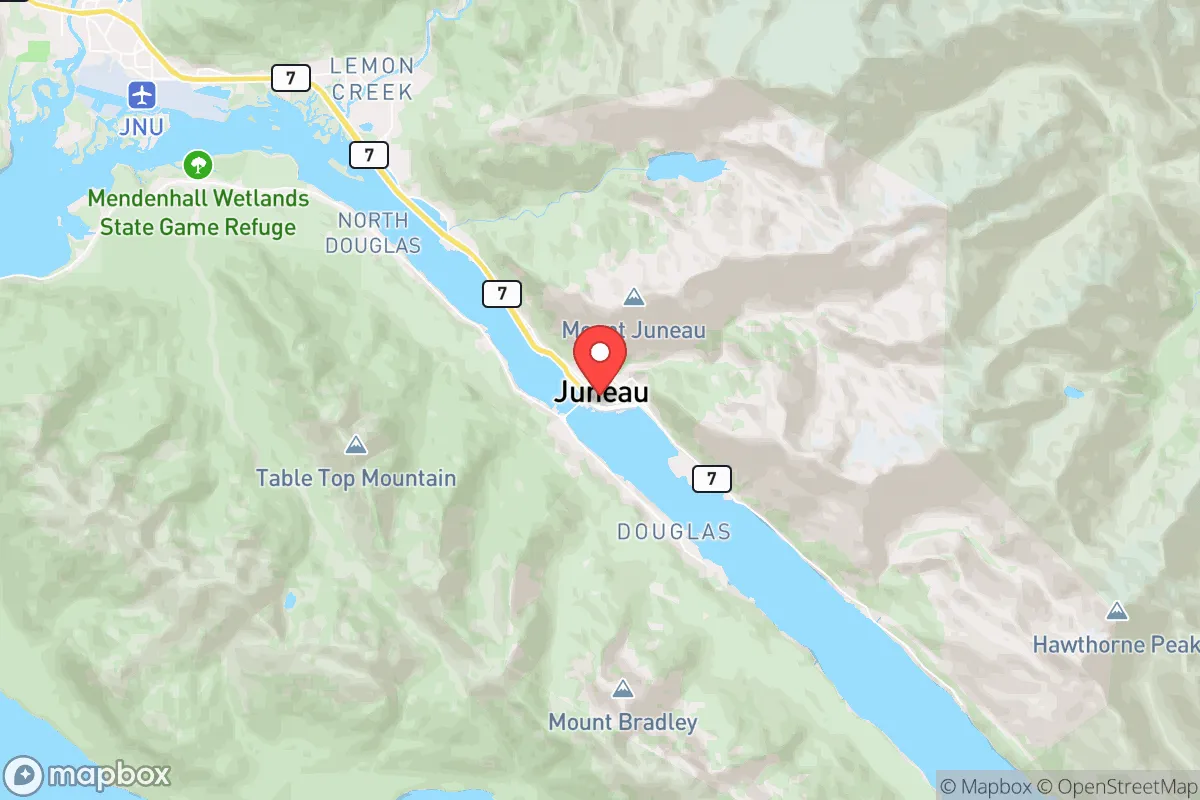
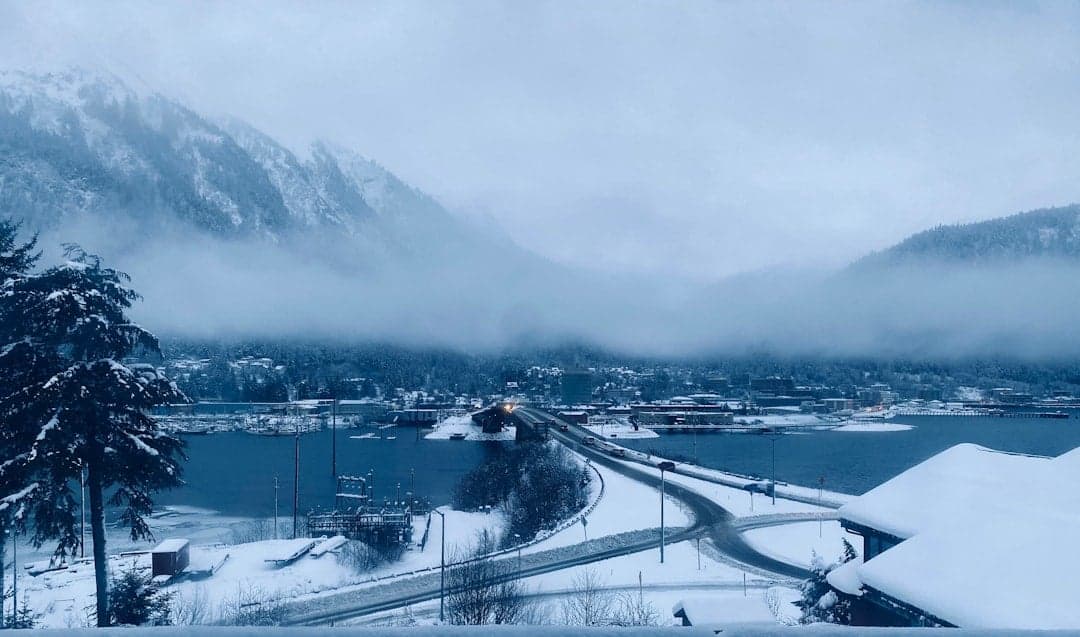
Photo: Kathrine Coonjohn via Unsplash
Personal Sovereignty in Juneau City And, AK
Viable for self-reliance. Generally workable, though some barriers may limit total independence.
What does Personal Sovereignty tell us?
Personal Sovereignty measures your capacity for self-reliance and independence with minimal government friction. Higher scores mean fewer barriers between you and the way you want to live... but it assumes you have the space you need and good neighbors.
What does this tell us?
Personal Sovereignty measures your capacity for self-reliance and independence with minimal government friction. Higher scores mean fewer barriers between you and the way you want to live... but it assumes you have the space you need and good neighbors.
State Policy
Energy independence: Net exporter (350% of energy produced in-state)
Personal Liberty
Homesteading

Personal Liberty Analysis
Juneau City and Borough presents a paradox for those prioritizing personal sovereignty: it sits in a state with a strong libertarian streak yet operates under a local government that, by Alaska standards, leans interventionist. The capital city’s remote geography—accessible only by boat or plane—creates a natural buffer from federal overreach, but the concentration of state employees and progressive municipal policies means your autonomy will be tested more here than in the Mat-Su Valley or Fairbanks. For the survivalist or prepper, Juneau offers a unique trade-off: deep wilderness at your doorstep, but a local regulatory environment that can feel like a miniature Seattle if you’re not careful.
Tax burden and regulatory posture in Alaska’s capital
Alaska’s lack of a state income tax and sales tax is a major win for personal sovereignty, and Juneau benefits from this directly. The state’s Permanent Fund Dividend (PFD) puts cash in your pocket annually—roughly $1,600 per resident in 2024—which is a tangible check against government overreach. However, Juneau’s municipal government imposes a 5% sales tax on most goods, and property taxes hover around 1.2% of assessed value, which is moderate by national standards but higher than many rural Alaska boroughs. The real regulatory bite comes from land use and building codes: Juneau’s steep terrain and avalanche zones mean strict permitting for any construction, and the city’s coastal management plan adds layers of review for waterfront properties. For a prepper wanting to build a bunker or modify a home without bureaucratic hassle, expect delays and fees. The state’s overall regulatory posture is light—no state-level business licensing, no corporate income tax—but the borough’s planning department can feel like a gatekeeper. If you value minimal government interference in your property, look at the more rural parts of the borough, like the Mendenhall Valley outskirts or Douglas Island, where enforcement is spottier.
Self-defense and gun law specifics in Juneau
Alaska is a constitutional carry state, meaning no permit is required to carry a concealed firearm for anyone 21 or older who can legally possess a gun. Juneau does not add local restrictions beyond state law, so you can carry openly or concealed without a license. The state preempts local gun ordinances, so the city council cannot ban firearms in parks or public buildings—a critical protection against the kind of municipal overreach seen in lower 48 cities. Magazine capacity, “assault weapon” bans, and waiting periods are nonexistent. However, Juneau’s remote location makes ammunition and firearm parts more expensive due to shipping costs; plan to stock up during trips to Anchorage or via bulk online orders. For self-defense against bears—a real concern here—a 10mm or .44 Magnum is common, and the state allows defensive use of force without a duty to retreat in most places. The only practical friction is that Juneau’s small-town police force (about 60 officers) can be slow to respond in outlying areas, so your personal security is largely your own responsibility. That’s a feature, not a bug, for the self-reliant.
Self-reliance and homesteading viability in Juneau’s terrain
Juneau’s geography is both a blessing and a curse for homesteading. Lot sizes vary wildly: inside the city core, you’ll find standard suburban lots of 5,000 to 10,000 square feet, but outside the urbanized area, parcels can be 5 to 40 acres, especially along the Taku River or in the Herbert River valley. Zoning is mixed—much of the borough is designated “rural residential,” which allows livestock, gardens, and small-scale agriculture without special permits. Off-grid feasibility is high: many homes already rely on well water and septic, and solar panels work despite the cloudy winters (though you’ll need a generator or hydro setup for the dark months). The borough does not prohibit composting toilets or rainwater collection, and building codes for off-grid structures are minimal if you stay outside the floodplain and avalanche zones. The catch is access: many remote lots require a boat or floatplane, and road-served land is expensive—expect $50,000–$100,000 per acre for buildable, road-accessible parcels. For a prepper wanting true independence, Juneau offers the chance to live with no utility bills and minimal government eyes, but the cost of entry and the logistical challenge of moving supplies in and out is significant. The borough’s “no net loss” wetland policy can also complicate clearing land, so check with the planning department before buying.
Personal liberties: parental rights, medical autonomy, speech, and property
Parental rights in Alaska are strong by default: the state has no universal vaccine mandate for schoolchildren, and parents can opt out of sex education or any curriculum they find objectionable. Juneau’s school board has pushed for progressive policies, including LGBTQ-inclusive materials, but state law allows parents to review all instructional materials and withdraw their children from specific lessons. Medical autonomy is a mixed bag: Alaska has no state-level vaccine passport system, and the governor’s office has resisted federal mandates, but Juneau’s local health department has been aggressive in promoting COVID-19 boosters and flu shots. You can refuse any medical treatment for yourself or your children without legal penalty, but expect social pressure in a small, liberal-leaning town. Free speech is protected by the Alaska Constitution, which has stronger protections than the First Amendment in some areas (e.g., no “fighting words” exception), and the city has not attempted to regulate political speech or assembly. Property rights are solid: Alaska’s “right to farm” law protects agricultural activities from nuisance lawsuits, and the state’s homestead exemption shields up to $72,900 of home equity from creditors. However, Juneau’s zoning board has broad discretion to deny permits for “nonconforming” uses, so if you want to run a home business or build a workshop, expect a public hearing process that can feel invasive.
Overall, Juneau offers a higher degree of personal sovereignty than most of the lower 48, but it’s not the libertarian paradise that rural Alaska can be. The state’s tax structure, gun laws, and parental rights framework are solid, and the remote location naturally limits federal and state intrusion. The trade-off is a local government that, while not tyrannical, is more bureaucratic and progressive than many conservatives would prefer. For a survivalist willing to navigate the permitting process and pay a premium for land, Juneau provides a defensible, resource-rich environment with real autonomy. But if your priority is maximum freedom from all government oversight—no zoning, no sales tax, no planning department—you’d be better served in the Copper River Basin or the Kenai Peninsula. Juneau is a compromise: sovereignty with strings attached, but still a net positive for those who value self-reliance over convenience.

* Values derived from national, state, county, city and local statistics and may differ in a specific area. Last updated: 2026-04-19T19:24:50.000Z
Narrative content on this page is AI-generated and may contain mistakes. Verify any details that matter before acting on them.
ReloMaps may earn a commission from affiliate links at no extra cost to you.

