 Popular
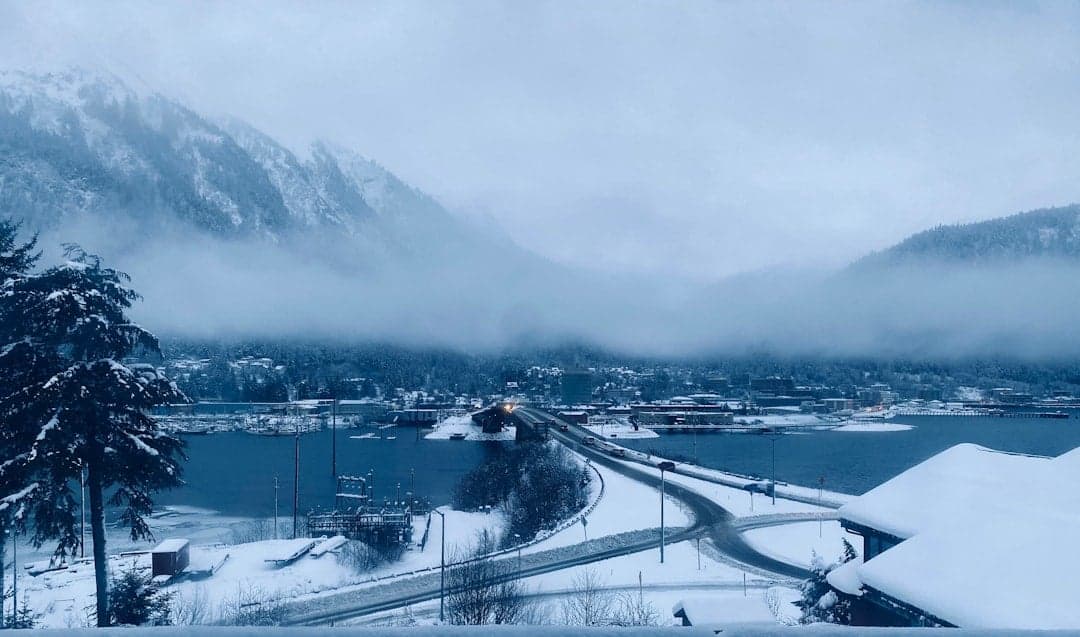
Photo: Kathrine Coonjohn via Unsplash
Quality of Life in Juneau City And, AK
A high quality of life with strong walkability, manageable living costs, healthy neighborhood signals, and solid amenity access.
What does Quality of Life tell us?
Quality of Life blends cost of living, nearby amenities, socioeconomic signals, and neighborhood character. City-level scores represent the whole municipality; individual neighborhoods can differ.
What does this tell us?
Quality of Life blends cost of living, nearby amenities, socioeconomic signals, and neighborhood character. City-level scores represent the whole municipality; individual neighborhoods can differ.
Cost of Living
37% above national average
The Real Cost of Living in Juneau City And, AK for 2026
| Tier | Individual | Family (4) |
|---|---|---|
| Survival | $23k | $44k |
| Comfortable | $84k | $124k |
| Luxury | $153k+ | $237k+ |
| Elite (Top 5%) | $180k+ | $279k+ |
81%
The Area Signal
A metric tracking the socioeconomic signals of the area.


Hobbies
Explore the areaGroceries
5 within 10 miles
Gas
0 within 10 miles
Hospital
3 within 20 miles
Airport
Juneau Harbor Seaplane Base
Post Office
USPS — Juneau, AK
Critical Amenities
Quality-of-Life Analysis
Juneau, the capital of Alaska, is an affluent and highly educated community where the cost of living index of 137 (100 = US average) reflects its remote island location and limited housing supply. The city attracts a mix of government professionals, maritime industry workers, and outdoor enthusiasts, with a median household income that consistently outpaces the national average, supporting a population that values stability, nature, and a slower pace of life over urban convenience.
Cost of living, housing affordability, and how Juneau compares to Anchorage and Southeast Alaska
Juneau’s cost of living is 37% above the national average, driven primarily by housing and imported goods. The median home value sits at $432,500, which is roughly 30% higher than Anchorage’s median but still below the most expensive Southeast Alaska towns like Sitka or Gustavus. Renters face a median monthly rent of $1,462, which is manageable for dual-income households but challenging for single earners in service roles. The average commute is just 15.8 minutes, one of the shortest among U.S. state capitals, meaning residents save significantly on transportation costs and time. Compared to nearby Juneau Borough (which includes the city itself), housing prices are uniform due to the limited land area, but buyers in the Mendenhall Valley or Douglas Island can find slightly lower prices than in downtown. Property taxes are relatively low in Alaska due to the absence of a state sales tax, though Juneau levies a 5% sales tax that adds to daily expenses.
What daily life is like for families: schools, amenities, and the local rhythm
Daily life in Juneau revolves around the outdoors and a tight-knit community calendar. The Juneau School District serves roughly 4,500 students across nine schools, with Thunder Mountain High School and Juneau-Douglas High School offering strong college-prep and vocational programs. The University of Alaska Southeast provides higher education and cultural events. Amenities are concentrated in the downtown core and the Mendenhall Valley, including the Juneau Public Library, the Alaska State Museum, and the Centennial Hall Convention Center. Grocery prices are 20–30% higher than in Anchorage due to shipping costs, but residents offset this with local seafood and community-supported agriculture. The rhythm of life is dictated by the seasons: long summer daylight fuels hiking, fishing, and whale watching, while winter brings skiing at Eaglecrest and a quieter social scene. Healthcare is provided by Bartlett Regional Hospital, which offers emergency and specialty care but often refers complex cases to Anchorage or Seattle.
This combination of high housing costs, short commutes, and abundant natural amenities means Juneau is best suited for professionals in government, healthcare, or education who can afford the premium for a safe, scenic, and slow-paced lifestyle. Retirees and remote workers also thrive here, drawn by the low crime rate and the absence of state income tax. Families should be prepared for higher grocery bills and limited retail options, but those who value community connection and year-round outdoor recreation will find Juneau a uniquely rewarding place to live.

Crime in Juneau City And, AK
Higher crime rates than 66% of comparable U.S. locations.
Violent CrimeViolent Crime Analysis
Property CrimeProperty Crime Analysis
Crime Analysis
Juneau, Alaska’s capital city, reports a violent crime rate of 726.6 per 100,000 residents and a property crime rate of 1,909.5 per 100,000, placing it well above national averages for both categories. These figures reflect a community where safety concerns are tangible, particularly when compared to similarly sized cities in the Lower 48. The city’s remote geography and limited road access create a unique dynamic, but the crime data suggests that isolation does not automatically equate to security.
Crime in context
Juneau’s violent crime rate is roughly double the national average of approximately 380 per 100,000, while its property crime rate exceeds the U.S. median of about 1,950 per 100,000 by a narrower margin. Compared to the rest of Alaska—a state that consistently leads the nation in per-capita violent crime—Juneau’s numbers are slightly below the state average of roughly 800 per 100,000 for violent offenses. Property crime in Juneau, however, is notably lower than in Anchorage (over 3,000 per 100,000) but higher than in smaller Southeast communities like Sitka. The city’s status as a regional hub for government, tourism, and commerce likely contributes to higher crime density, as transient populations and seasonal workers increase opportunities for theft and assault.
What residents experience
Residents report that property crime—particularly vehicle break-ins, bicycle theft, and package theft—is the most common safety nuisance, with downtown and tourist-heavy areas like South Franklin Street seeing the highest incident volumes. Violent crime, while less frequent, includes aggravated assault and sexual assault, with many incidents linked to domestic disputes or alcohol-fueled altercations. The local justice system, influenced by progressive prosecutorial policies common in many Alaskan urban centers, has faced criticism for prioritizing diversion programs and reduced sentencing for non-violent offenders. Critics argue this approach, while intended to reduce recidivism, results in repeat property offenders cycling through the system without meaningful deterrence, eroding public confidence in safety. Law enforcement response times can be slow in outlying neighborhoods like Mendenhall Valley or Douglas Island due to limited patrol coverage, compounding frustration among residents.
Neighborhood-level variation is significant. The downtown core and areas near the cruise ship docks experience the highest crime density, particularly during the summer tourist season. Suburban neighborhoods like Lemon Creek and the Mendenhall Valley see moderate property crime but lower violent crime rates. The most remote residential areas, such as Auke Bay and the North Douglas Highway corridor, report the fewest incidents, though their isolation creates a different set of safety considerations. For those considering relocation, property crime prevention—such as secure parking and package lockers—is a practical necessity, while awareness of the city’s broader crime context should inform housing and lifestyle choices.
* Values derived from national, state, county, city and local statistics and may differ in a specific area. Last updated: 2026-04-19T19:24:50.000Z
Narrative content on this page is AI-generated and may contain mistakes. Verify any details that matter before acting on them.
ReloMaps may earn a commission from affiliate links at no extra cost to you.

