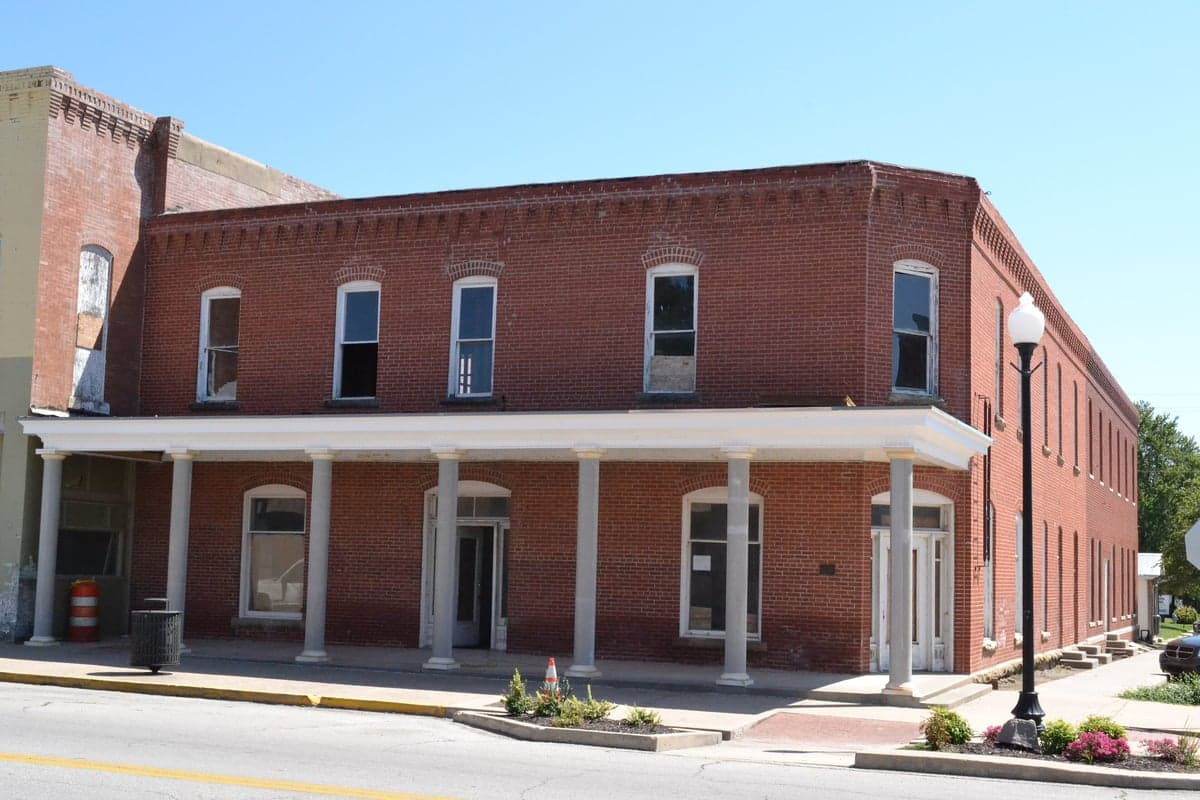
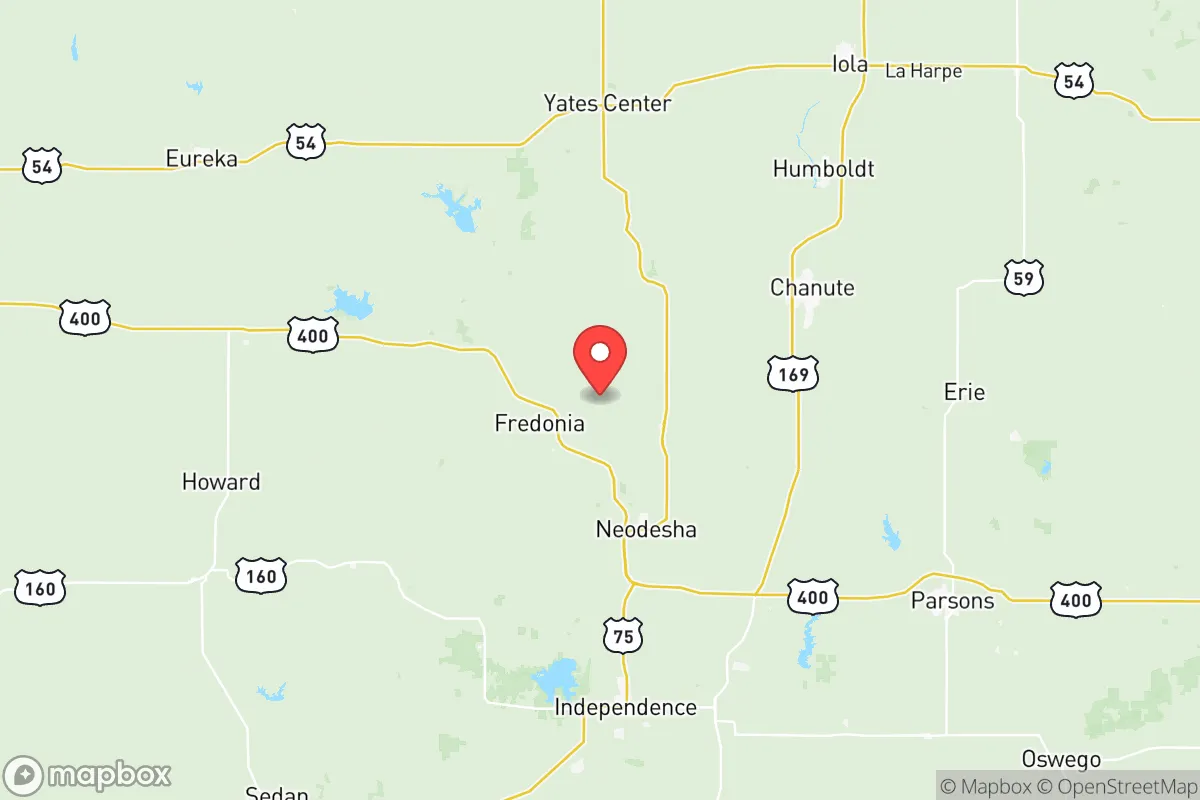
Photo: Wikipedia
Quality of Life in Wilson County
A livable area that tracks near national norms for affordability, walkability, and neighborhood health.
What does Quality of Life tell us?
Quality of Life measures an area by evaluating factors like cost of living, nearby amenities, country club access, airport proximity, socioeconomic signals and neighborhood character. For large states, this is a general average — quality of life can vary dramatically between metro areas, suburbs, and rural communities within the same state.
What does this tell us?
Quality of Life measures an area by evaluating factors like cost of living, nearby amenities, country club access, airport proximity, socioeconomic signals and neighborhood character. For large states, this is a general average — quality of life can vary dramatically between metro areas, suburbs, and rural communities within the same state.
Cost of Living
49% below national average
184%
The Real Cost of Living in Wilson County for 2026
| Tier | Individual | Family (4) |
|---|---|---|
| Survival | $12k | $22k |
| Comfortable | $21k | $31k |
| Luxury | $101k+ | $156k+ |
| Elite (Top 5%) | $119k+ | $184k+ |
Quality-of-Life Analysis
Wilson County, Kansas offers a distinct quality-of-life spectrum that ranges from the modest conveniences of its county seat, Fredonia, to the quiet isolation of unincorporated hamlets like Neodesha and Altoona, with vast stretches of working farmland in between. The county’s overall cost of living index sits at 51—roughly half the national average—making it one of the most affordable places in the state, but the trade-off is a sparse amenity base that appeals primarily to those seeking low overhead, slower pace, and a deep connection to the land. People drawn here tend to fall into two camps: retirees and remote workers who value the extreme affordability and peace, and agricultural families or small-town lifers who have deep roots in the region’s grain and cattle economy.
Largest town(s) & population centers
Fredonia, with a population hovering around 2,400, is the county’s largest town and its commercial and administrative hub. Daily life here centers on the courthouse square, a handful of locally owned restaurants and shops, and the Fredonia High School sports programs that anchor community identity. The town offers basic grocery shopping, a hardware store, a pharmacy, and a small hospital—Wilson County Medical Center—which provides essential care but requires a 30-minute drive to Chanute or Independence for specialist services. The median home value in Fredonia is $93,900, and median rent is $727, figures that make homeownership attainable even on a modest fixed income. The average commute across the county is just over 19 minutes, so most residents in Fredonia work locally or in nearby agricultural operations, though a growing number commute to Independence or Parsons for manufacturing and healthcare jobs.
Smaller towns & rural pockets
Neodesha, about 10 miles east of Fredonia, is the county’s second-largest community with roughly 2,200 residents. It has a historic downtown with a few antique stores and a small grocery co-op, but its most notable feature is the Neodesha Public Library and the nearby Neodesha City Lake, which offers fishing and a quiet campground. Altoona, with fewer than 400 residents, is a classic Kansas railroad town that now functions mostly as a bedroom community for workers in Fredonia and Chanute. The unincorporated area of Coyville, population roughly 60, consists of a few scattered homes and a grain elevator, representing the most spartan end of the spectrum—no store, no gas station, just open sky and farmland. Rural pockets along the Verdigris River and around the Fall River Wildlife Area attract hunters and off-grid homesteaders who prize seclusion over convenience.
Cost & lifestyle range
The cost spread across Wilson County is narrow in absolute dollars but meaningful in lifestyle terms. In Fredonia, a three-bedroom home might sell for $85,000 to $110,000, while a comparable property in Neodesha can be found for $70,000 to $95,000. The cheapest option is raw land or a fixer-upper in rural areas near Coyville or the unincorporated community of Benedict, where a small house on a few acres can sell for under $50,000. At the higher end, a well-maintained historic home on Fredonia’s tree-lined streets—near the golf course or the city park—might reach $150,000, still far below the national median. Rent follows the same pattern: a two-bedroom apartment in Fredonia averages $727, while a similar unit in Neodesha can be $50–$100 less. The lifestyle trade-off is clear: Fredonia offers a sidewalk grid, a library, and a diner; rural areas offer total privacy but require a 20-minute drive for milk. Internet access is improving but remains spotty in the most remote corners, with some areas still reliant on satellite or slow DSL.
Wilson County is best suited for people who prioritize extreme affordability, quiet, and a self-sufficient lifestyle over urban amenities and career diversity. Retirees on fixed incomes, remote workers with stable internet who don’t mind a drive to the nearest Starbucks, and families with deep ties to agriculture or small-town life will find the county’s low cost of living and short commutes liberating. Those who need walkable neighborhoods, diverse dining, or frequent cultural events will likely feel the isolation acutely. For the right person, however, the combination of a $93,900 median home, a 19-minute average commute, and the open skies of southeastern Kansas creates a quality of life that is both sustainable and deeply peaceful.

Crime in Wilson County
Crime rates similar to the national median for U.S. locations.
Violent CrimeViolent Crime Analysis
Property CrimeProperty Crime Analysis
Crime Analysis
Wilson County, Kansas, presents a mixed safety picture with violent crime rates that exceed both state and national averages, while property crime rates fall slightly below the national benchmark. The county's overall violent crime rate of 450.9 per 100,000 residents is significantly higher than the Kansas state average of approximately 395 per 100,000 and the national average of 380 per 100,000. Property crime, at 1,821.7 per 100,000, sits below the national average of 1,954 per 100,000 but above the Kansas state average of 1,750 per 100,000. These figures are heavily influenced by conditions in the county's largest population center, Fredonia, while smaller communities like Neodesha and Altoona report notably lower incident volumes.
Crime in context
Wilson County's violent crime rate of 450.9 per 100,000 places it in the higher-risk tier among Kansas's 105 counties. For comparison, the rate is roughly 19% above the national average and 14% above the Kansas state average. Aggravated assault accounts for the majority of violent offenses, with robbery and rape occurring at lower frequencies. Property crime, while below the national average, is driven primarily by larceny-theft and burglary in Fredonia, which accounts for roughly 40% of the county's population. Motor vehicle theft rates are low, consistent with rural Kansas trends. The county's proximity to the larger urban centers of Chanute (Neosho County) and Independence (Montgomery County) does not appear to significantly spill over into Wilson County's crime statistics, as most offenses are committed by local residents rather than transient offenders.
What residents experience
Residents in Wilson County's smaller towns—such as Neodesha, Altoona, and Benedict—report a markedly different daily experience than those in Fredonia. In Fredonia, the county seat, residents face a violent crime rate that is approximately 2.5 times higher than in Neodesha, where the rate hovers around 180 per 100,000. Property crime in Fredonia is also elevated, with break-ins and thefts concentrated in the downtown commercial corridor and older residential neighborhoods near the railroad tracks. By contrast, Neodesha benefits from a more stable economic base anchored by the Neodesha Unified School District and local manufacturing, which correlates with lower crime. Altoona, with a population under 400, experiences virtually no violent crime and only occasional petty theft. The county's judicial district, the 14th Judicial District, covers Wilson, Neosho, and Woodson counties, and its judges are generally considered conservative in sentencing, which helps maintain a lower recidivism rate compared to more progressive urban jurisdictions in Kansas.
Neighborhood-level variation within Wilson County is pronounced. The safest areas are the unincorporated communities of Coyville and Fall River, where crime is nearly nonexistent. In Fredonia, the west side of town—particularly around the Fredonia High School and the Fredonia Regional Hospital—is significantly safer than the east side near the industrial park and the railroad corridor. The county's rural areas, including the farms and ranches along Highway 96 and Highway 47, report crime rates near zero, with occasional livestock theft being the primary concern. For families and retirees considering relocation, Neodesha offers the best balance of amenities and safety, while Fredonia requires more vigilance, especially after dark in the downtown area. The Wilson County Sheriff's Office maintains a visible presence in unincorporated areas, and response times average 12 minutes in towns versus 25 minutes in rural zones.
* Values derived from national, state, county, city and local statistics and may differ in a specific area. Last updated: 2026-09-30T17:36:26.000Z
Narrative content on this page is AI-generated and may contain mistakes. Verify any details that matter before acting on them.
ReloMaps may earn a commission from affiliate links at no extra cost to you.

