 Popular
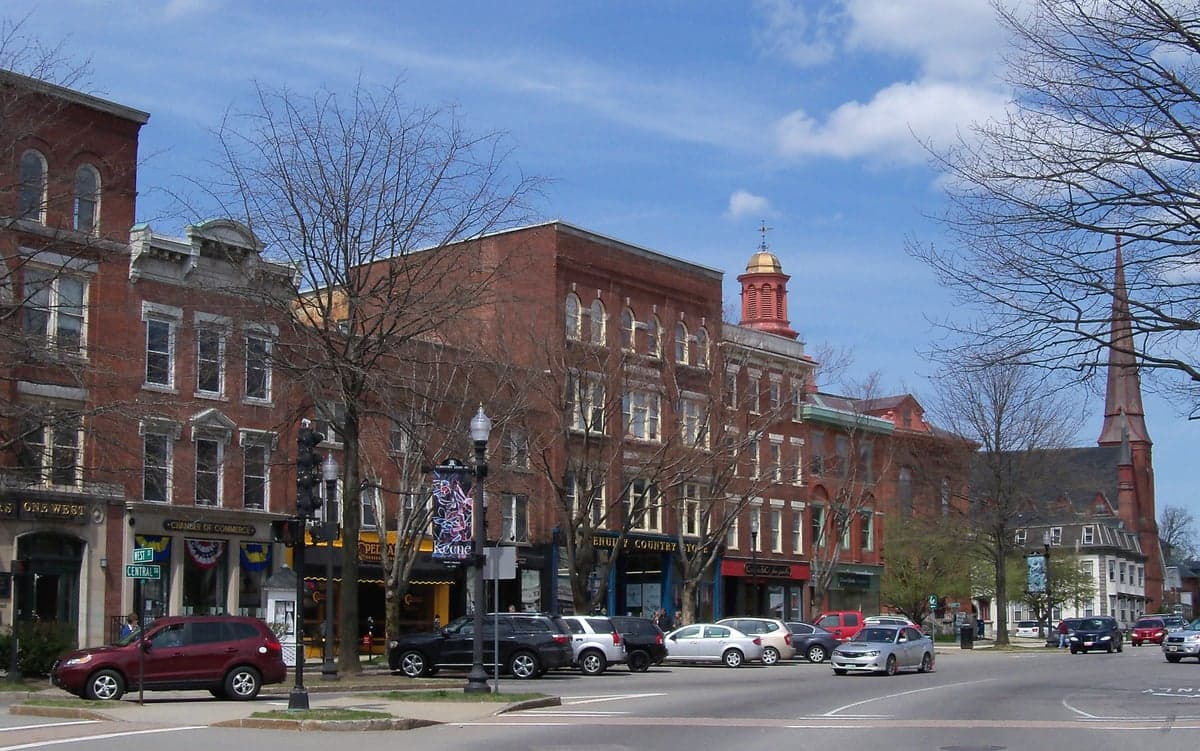
Photo: Wikipedia
Quality of Life in Keene, NH
A high quality of life with strong walkability, manageable living costs, healthy neighborhood signals, and solid amenity access.
What does Quality of Life tell us?
Quality of Life blends cost of living, nearby amenities, socioeconomic signals, and neighborhood character. City-level scores represent the whole municipality; individual neighborhoods can differ.
What does this tell us?
Quality of Life blends cost of living, nearby amenities, socioeconomic signals, and neighborhood character. City-level scores represent the whole municipality; individual neighborhoods can differ.
Cost of Living
1% below national average
The Real Cost of Living in Keene, NH for 2026
| Tier | Individual | Family (4) |
|---|---|---|
| Survival | $20k | $38k |
| Comfortable | $45k | $66k |
| Luxury | $116k+ | $181k+ |
| Elite (Top 5%) | $137k+ | $212k+ |
118%
The Area Signal
A metric tracking the socioeconomic signals of the area.

Hobbies
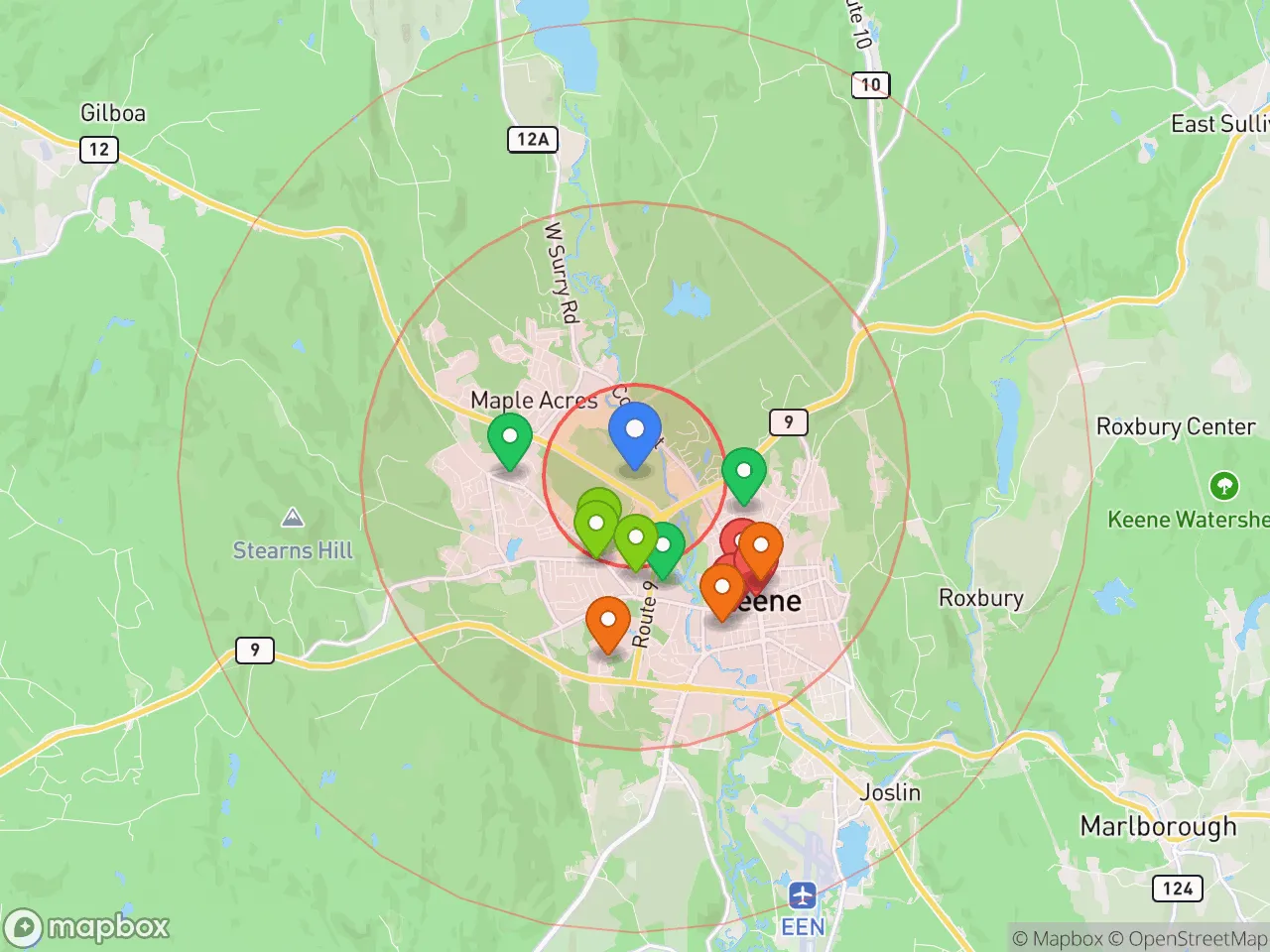
Explore the areaGroceries
5 within 10 miles
Gas
12 within 10 miles
Hospital
5 within 20 miles
Airport
PDX — Portland International Jetport
Post Office
USPS — Keene, NH
Critical Amenities
Quality-of-Life Analysis
Keene, New Hampshire, offers a quality of life that blends small-town New England charm with a surprisingly affordable cost structure, attracting a mix of families, outdoor enthusiasts, and professionals seeking a slower pace without sacrificing access to nature. With a cost-of-living index of 99 (exactly on par with the U.S. average), the city provides a financial equilibrium rare in the Northeast, where many comparable towns carry a significant premium. The population skews educated and civic-minded, anchored by Keene State College and a robust local arts scene, creating a community that values both intellectual engagement and outdoor recreation.
Cost of living, housing, and affordability compared to nearby cities
Keene’s housing market is a standout advantage, especially when measured against pricier regional hubs like Nashua, Manchester, or Boston. The median home value sits at $232,500, roughly $150,000 below the New Hampshire state median and a fraction of the Greater Boston median. Median rent is a manageable $1,275, making the city accessible to renters who would be priced out of the Seacoast or the Merrimack Valley. The average commute of just 17 minutes is a major quality-of-life win—far shorter than the 30+ minute averages common in southern New Hampshire—and directly reduces transportation costs and daily stress. Property taxes in Cheshire County are moderate by New Hampshire standards (no state income or sales tax), though buyers should note that the state’s reliance on property taxes means annual bills can still be significant relative to home value. Overall, Keene offers a rare combination: urban-adjacent affordability with a genuinely short commute, making it a practical choice for remote workers and local professionals alike.
What daily life is like: amenities, schools, and local rhythm
Daily life in Keene revolves around a walkable downtown anchored by the historic Colonial Theatre and a vibrant farmers’ market. The Monadnock Region’s outdoor assets—Mount Monadnock, the Ashuelot River, and dozens of hiking trails—are within a 15-minute drive, giving residents immediate access to hiking, kayaking, and skiing. The Keene School District serves roughly 3,200 students, with Keene High School offering a strong academic and extracurricular program, while private options like the Monadnock Waldorf School provide alternatives. The city’s rhythm is distinctly seasonal: summer brings the popular Keene Music Festival and outdoor dining on Central Square, while winter shifts focus to indoor arts and nearby Crotched Mountain for skiing. Healthcare is solid, with Cheshire Medical Center providing primary and emergency care, though specialists often require a 45-minute drive to Lebanon or Manchester. The presence of Keene State College (about 3,000 students) injects a youthful energy and cultural programming—lectures, gallery openings, and Division III athletics—that a typical town of 23,000 would lack.
Keene is best suited for those who value a tight-knit community, outdoor recreation, and a slower, more intentional pace of life. Families will appreciate the short commutes and affordable housing, while remote workers and retirees benefit from the low cost of living and access to nature. The city is less ideal for those seeking nightlife, high-end dining, or immediate proximity to a major airport (Manchester-Boston Regional is about 75 minutes away). For the right person—someone who values a walkable downtown, four distinct seasons, and a community where neighbors know each other—Keene delivers a quality of life that feels both grounded and enriching.

Crime in Keene, NH
Lower crime rates than 80% of comparable U.S. locations.
Violent CrimeViolent Crime Analysis
Property CrimeProperty Crime Analysis
Crime Analysis
Keene, New Hampshire, reports a violent crime rate of 143.3 incidents per 100,000 residents, which is roughly half the national average, but its property crime rate of 2,109.9 per 100,000 sits notably above both the state and national benchmarks. This mixed profile places Keene in a category where residents enjoy relative safety from violent offenses while facing a heightened risk of theft, burglary, and vandalism. The city’s position as a regional hub in the Monadnock region, combined with its proximity to larger metro areas like Boston and Manchester, introduces crime pressures that are not fully offset by its small-city character.
Crime in context
Keene’s violent crime rate of 143.3 per 100,000 is significantly lower than the U.S. average of roughly 380 per 100,000 and also below the New Hampshire state average of about 180 per 100,000. However, its property crime rate of 2,109.9 per 100,000 exceeds the national average of approximately 1,950 per 100,000 and is well above the New Hampshire average of around 1,200 per 100,000. This pattern—low violence but elevated property crime—is common in small cities that serve as commercial and transportation centers. The presence of a liberal-leaning city council and a county court system that has, in recent years, emphasized diversion programs and reduced sentencing for nonviolent offenders is a contributing factor. Progressive judicial policies in Cheshire County have been linked to higher recidivism rates for property crimes, as repeat offenders face fewer custodial consequences, directly increasing the number of active criminals on the street.
What residents experience
For the average Keene resident, the most tangible safety concern is property crime. Car break-ins, bicycle thefts, and package thefts are common, particularly in neighborhoods near downtown and the Keene State College campus. Violent crime is rare but not absent; incidents tend to be concentrated among individuals in high-risk situations rather than random attacks on the public. Residents report feeling safe walking alone during the day but express caution after dark in the downtown core and near the rail trail. The Keene Police Department maintains a visible presence, but budget constraints and a focus on community policing have not fully stemmed the property crime trend. The city’s liberal political environment, including a district attorney’s office that has prioritized restorative justice over incarceration, means that many property offenders are released quickly, undermining deterrence and frustrating victims who see little accountability.
Neighborhood-level variation
Safety varies noticeably across Keene’s neighborhoods. The West Hill and North Swanzey areas, with lower population density and fewer rental properties, report the lowest crime rates. In contrast, the downtown core, the area around Keene State College, and the Winchester Street corridor experience the highest concentrations of both property crime and drug-related offenses. Neighborhoods east of Route 12 and south of the downtown area see property crime rates roughly double those in the western residential districts. Prospective residents should prioritize properties with off-street parking, secure storage, and good lighting, as these factors significantly reduce the risk of theft. Overall, Keene offers a safe environment for those who take standard urban precautions, but the city’s progressive justice policies create a persistent undercurrent of property crime that distinguishes it from more conservative rural towns in the region.
* Values derived from national, state, county, city and local statistics and may differ in a specific area. Last updated: 2026-05-02T05:42:10.000Z
Narrative content on this page is AI-generated and may contain mistakes. Verify any details that matter before acting on them.
ReloMaps may earn a commission from affiliate links at no extra cost to you.

