 Popular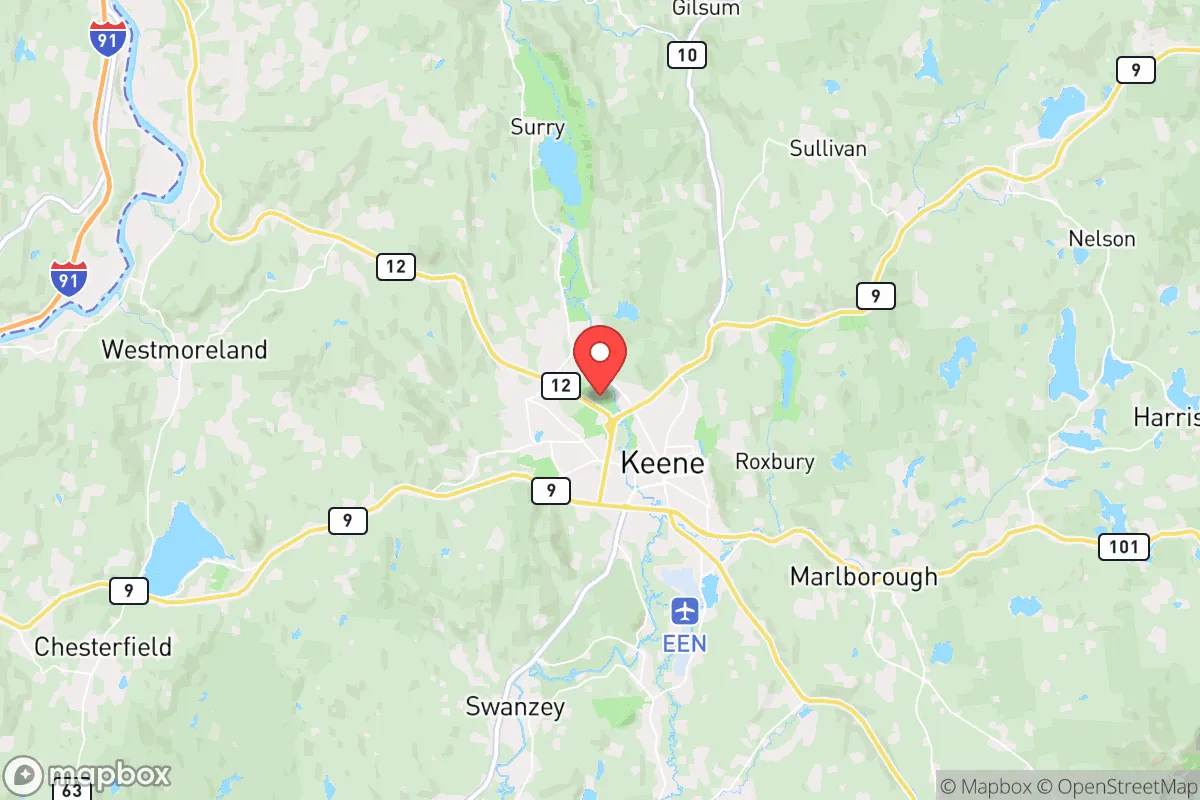
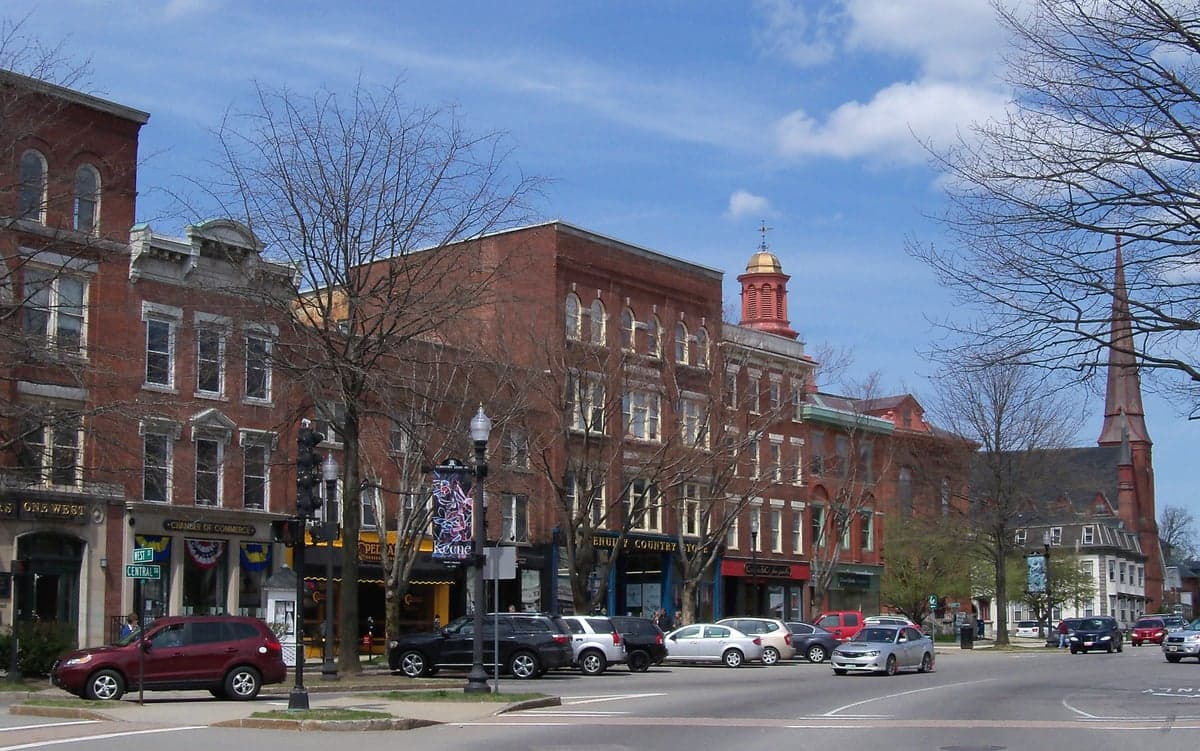
Photo: Wikipedia
Political ClimatePolitical Climate in Keene, NH
District shown is the primary district for this city’s centroid. Cities may span multiple districts.
Local Political AnalysisPolitical Analysis of Keene, NH
Keene’s political climate has shifted noticeably over the past decade, and if you’ve lived here as long as I have, you can feel it. The city now carries a Cook PVI of D+2, meaning it leans about two points more Democratic than the national average—a far cry from the more balanced, live-and-let-live place I remember. While the surrounding Cheshire County still has plenty of folks who value personal liberty and small government, Keene itself has become a bit of a progressive island, especially compared to towns like Swanzey or Winchester just a few miles down the road. The trajectory feels like it’s heading further left, and that raises some real questions about how much longer the old-school New Hampshire spirit of “don’t tread on me” can hold its ground here.
How it compares
Drive ten minutes outside Keene and you’ll hit towns like Marlborough or Troy, where the political vibe is far more conservative—think Trump signs in yards and a general skepticism of government overreach. Even nearby Peterborough, though artsy, tends to be more moderate than Keene proper. The contrast is stark: Keene’s city council and school board have increasingly embraced progressive policies, from zoning changes that feel like social engineering to mask mandates that lingered longer than most folks thought necessary. Meanwhile, the rest of Cheshire County voted more evenly in recent elections, with rural precincts pushing back hard on state-level gun restrictions and energy mandates. If you value personal freedoms—like deciding what’s best for your own family or business without a bureaucrat’s blessing—you’ll find Keene’s drift toward progressive consensus a bit suffocating compared to the surrounding towns.
What this means for residents
For those of us who remember when Keene was a place where neighbors minded their own business, the shift means keeping a closer eye on local elections and town meetings. The D+2 lean isn’t overwhelming, but it’s enough to let progressive activists push through policies that feel like government overreach—think higher taxes for pet projects, stricter regulations on small landlords, and a general attitude that the city knows better than you do. If you run a small business or own property, you’ve probably noticed more paperwork and fees creeping in. The silver lining? The state’s strong tradition of local control means you can still have a real say if you show up. But if you’re not paying attention, you might wake up to a city that’s a lot less free than the one you moved to.
One cultural distinction that stands out is Keene’s pride in being a “college town” (Keene State College is a big driver), which brings a younger, more transient population that often votes left. That’s fine in theory, but it also means long-term residents’ voices can get drowned out by students who won’t be here in four years. On policy, Keene has been quicker than surrounding towns to adopt “sanctuary city” stances and climate action plans that come with real costs. If you’re looking for a place where personal responsibility still matters more than government programs, you might find Keene’s direction frustrating—but the rural towns just over the hill still feel a lot like the New Hampshire we grew up with.

State Political ClimatePolitical Climate in New Hampshire
State Political AnalysisPolitical Environment in the State
New Hampshire has long been known as the "Live Free or Die" state, and that motto still carries real weight here, but the political landscape is shifting in ways that should give any freedom-minded person pause. For decades, the state leaned Republican at the state level while occasionally splitting tickets for federal office, but the last 10-15 years have seen a steady purple drift, driven largely by an influx of out-of-state transplants, particularly from Massachusetts. The 2024 election cycle showed a state that is now a true battleground, with the governor's office flipping back to Republican Kelly Ayotte, but the state legislature remaining narrowly divided and the state's two U.S. House seats split between parties. The dominant coalitions are no longer a reliable conservative majority; instead, you have a three-way fight between traditional fiscal conservatives, a growing progressive wing centered in the southeastern corner, and a libertarian-leaning faction that often holds the balance of power.
Urban vs. rural divide
The political map of New Hampshire is a study in stark contrasts, and it's essential to understand the geography if you're considering a move. The entire southeastern quadrant—roughly the area along the I-93 corridor from the Massachusetts border up to Manchester—is where the state's blue votes are concentrated. Manchester, the largest city, has become a Democratic stronghold, with its mayor and city council consistently progressive, and the same goes for Nashua, Portsmouth, and Concord, the state capital. These cities are where you'll find the bulk of the state's union households, public sector workers, and the transplants who brought their Massachusetts voting habits with them. Drive 20 minutes north or west of any of these cities, and the map flips dramatically. The Lakes Region around Meredith and Wolfeboro, the White Mountains around North Conway, and the entire North Country from Berlin to Lancaster are deeply red, often voting 60-70% Republican. The most interesting battleground is the Seacoast region outside of Portsmouth—towns like Exeter and Hampton are purple, with school board and local races often decided by a handful of votes. The rural towns in the western part of the state, like Keene and Peterborough, have a strong libertarian streak that sometimes votes with Republicans on taxes but against them on social issues like marijuana legalization.
Policy environment
On paper, New Hampshire still looks like a low-tax, low-regulation haven compared to its neighbors, and that's the main draw for conservatives. There is no state income tax on wages and no state sales tax, which is a massive advantage over Massachusetts and Vermont. Property taxes, however, are among the highest in the nation, averaging around 2.2% of assessed value, and they vary wildly by town—Berlin in the North Country has rates near 3%, while some wealthy Seacoast towns are under 1.5%. The regulatory posture is generally business-friendly, with no state-level minimum wage above the federal $7.25, though several cities like Concord and Portsmouth have passed their own local minimum wage ordinances, which are currently being challenged in court. On education, the state has a robust school choice system, including a new Education Freedom Account program that allows parents to use state per-pupil funding for private school, homeschooling, or tutoring—this is a major win for parental rights. Healthcare is a mixed bag: the state expanded Medicaid under the Affordable Care Act, but there is no state-level individual mandate, and the insurance market is relatively competitive. Election laws are a bright spot—New Hampshire has same-day voter registration, but also requires photo ID at the polls, and the state has resisted the push for universal mail-in voting that other states adopted post-2020. The state's "first-in-the-nation" presidential primary status means you'll get a front-row seat to national politics every four years, for better or worse.
Trajectory & freedom
The trajectory of freedom in New Hampshire is a tug-of-war, and the rope is fraying. On the positive side, the state has seen a wave of liberty-expanding legislation in the last five years. In 2021, the legislature passed a constitutional carry law (permitless carry of firearms), which was a major victory for Second Amendment advocates. The same year, they passed a parental bill of rights that requires schools to notify parents of any changes to a child's health or emotional well-being, and gives parents the right to opt their children out of any curriculum they find objectionable. The Education Freedom Account program, launched in 2021, has grown rapidly, with over 5,000 students now using state funds for alternative education. On the concerning side, the state has seen a push for vaccine mandates and mask mandates during the pandemic that was more aggressive than many rural states, though these have since been rolled back. The biggest threat to freedom right now is the housing crisis—local zoning regulations in towns like Portsmouth and Nashua have become so restrictive that they effectively function as a growth-control policy, driving up property prices and making it hard for new residents to find affordable homes. There's also a growing movement to ban gas-powered leaf blowers and other small engines in some towns, which feels like a harbinger of more environmental overreach. The state's right-to-work status remains intact, but unions are fighting hard to repeal it, and the battle is ongoing.
Civil unrest & political movements
New Hampshire is not a state known for violent civil unrest, but the political temperature has risen noticeably in the last decade. The most visible flashpoint has been the school board wars that erupted in 2021-2022, particularly in Bedford, Windham, and Derry, where parents clashed with school administrators over critical race theory, mask mandates, and transgender policies. These fights have been intense but largely peaceful, with parents packing school board meetings and running for office themselves. On the left, the Seacoast area has seen organized protests around climate change and racial justice, with groups like 350 New Hampshire and the NH chapter of the ACLU being very active. The Free State Project, a movement that encourages libertarians to move to New Hampshire to create a "liberty zone," has been a major force since the early 2000s, and its members have successfully infiltrated local Republican committees and even won seats in the state legislature. They are a double-edged sword for conservatives—they are reliable votes for tax cuts and gun rights, but they also push for drug decriminalization and open borders, which alienates more traditional Republicans. Immigration politics are relatively quiet compared to border states, but there is a growing concern about sanctuary city policies in Manchester and Concord, where local police have been instructed not to cooperate with ICE detainers. The election integrity debate has been less explosive here than in other states, thanks to the photo ID requirement and the fact that the state has a relatively small and manageable electorate, but there are still rumblings about the security of the same-day registration process.
Projection
Looking ahead 5-10 years, the trend is concerning for conservatives. The in-migration from Massachusetts and other blue states shows no signs of slowing—people are coming for the low taxes and the "Live Free" reputation, but they are bringing their voting habits with them. The southeastern quadrant, which already drives the state's politics, is growing faster than the rural north, which means the Democratic base is expanding. The Seacoast region, in particular, is becoming a permanent battleground, with towns like Dover and Rochester seeing rapid development and a younger, more progressive demographic. The state's aging population is another factor—the rural north is losing young people to out-migration, while the cities are gaining them. If current trends hold, New Hampshire could flip to a reliably blue state at the presidential level within the next two election cycles, and the state legislature could follow. The wild card is the Free State Project—if they can continue to attract enough libertarian-leaning migrants, they could hold the balance of power and prevent the worst progressive overreach, but their influence is limited to a few key districts. The housing crisis will likely force some zoning reform, which could accelerate growth in the suburbs and further dilute the rural conservative vote.
For a conservative considering a move to New Hampshire, the bottom line is this: you can still find a great life here, but you need to be strategic about where you settle. If you want to live in a place that feels like the "Live Free or Die" state of old, look at the Lakes Region, the White Mountains, or the North Country—towns like Meredith, Wolfeboro, North Conway, or Lancaster. Avoid the southeastern cities unless you're prepared to fight for your values at every school board and town council meeting. The tax advantages are real and will save you a fortune compared to Massachusetts or New York, but the cultural and political winds are shifting, and you need to be ready for that. Get involved in local politics early—your voice matters more here than in most states, and the battles are won at the town level, not just in Concord.
* Values derived from national, state, county, city and local statistics and may differ in a specific area. Last updated: 2026-05-02T05:42:10.000Z
Narrative content on this page is AI-generated and may contain mistakes. Verify any details that matter before acting on them.
ReloMaps may earn a commission from affiliate links at no extra cost to you.

