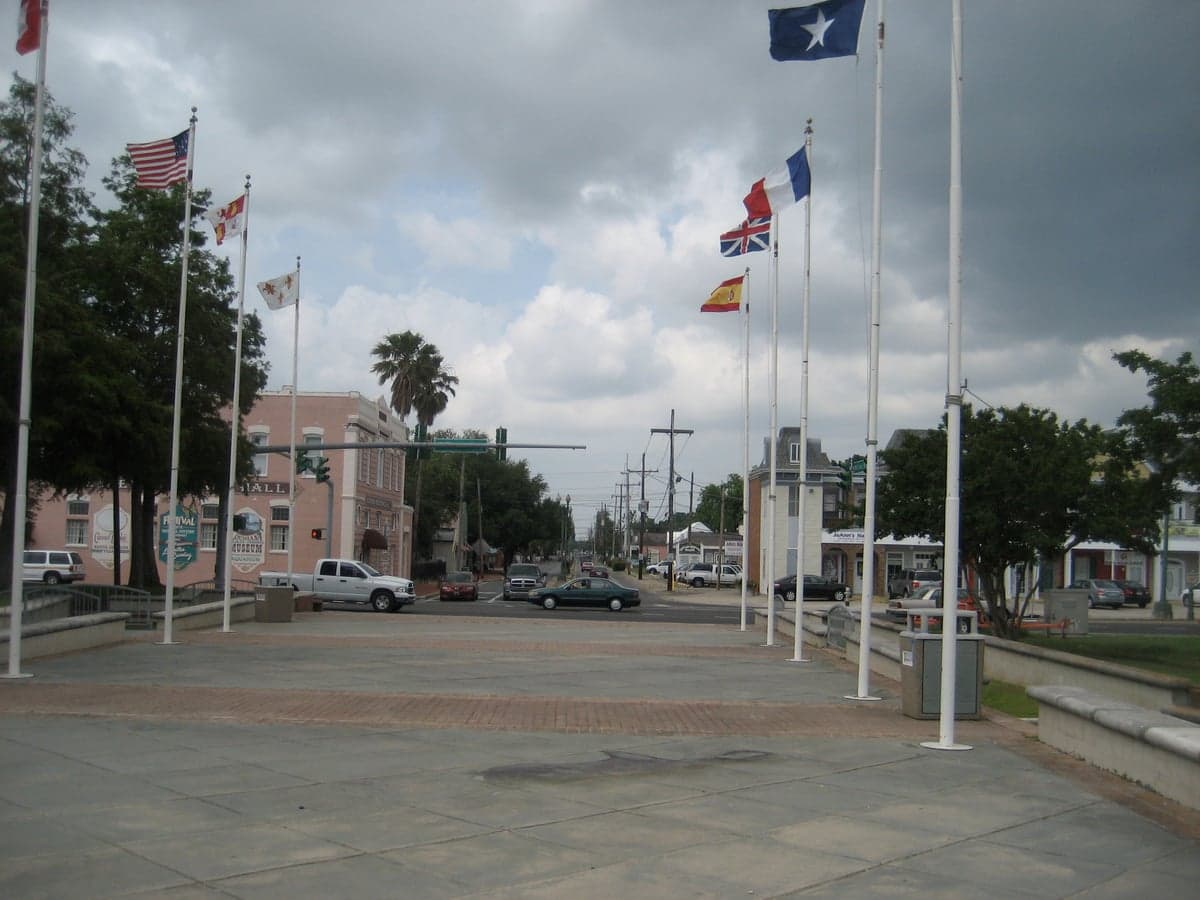
Photo: Wikipedia
Political ClimatePolitical Climate in Kenner, LA
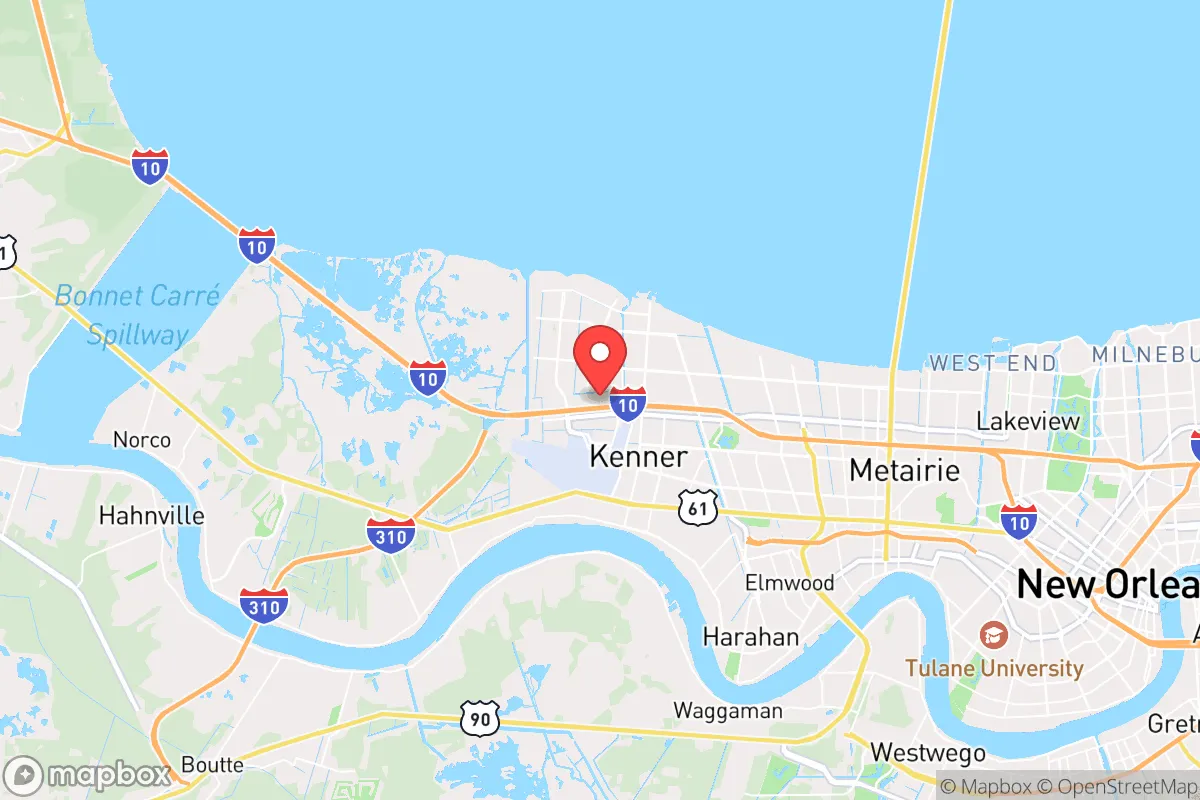
District shown is the primary district for this city’s centroid. Cities may span multiple districts.
Local Political AnalysisPolitical Analysis of Kenner, LA
Look, I’ve lived in Kenner my whole life, and I’ve watched this city’s political leanings shift in ways that would surprise folks who only know it from the airport. Kenner is a Democratic stronghold on paper—its Cook PVI is D+17—but that number hides a more complicated story. For decades, this was a blue-collar, Cajun-Catholic town where Democrats were socially conservative, pro-business, and suspicious of big government. That old-school Democratic machine is fading, and what’s replacing it is a younger, more progressive wave that’s pushing policies I never thought I’d see here. The trajectory is clear: Kenner is moving left, and not in the “live and let live” way we used to have.
How it compares
Drive ten minutes west to River Ridge or Harahan, and you’ll find neighborhoods that still vote like the Kenner of 1990—more Republican, more focused on property rights and lower taxes. Head east into Metairie, and you’re in Jefferson Parish’s conservative heartland, where the sheriff’s office runs a tight ship and the school board fights curriculum changes tooth and nail. Kenner used to be in that same camp. Now? We’re the outlier. Our city council has pushed for more affordable housing mandates and “equity” initiatives that sound good in a press release but mean more zoning restrictions on your own property. Meanwhile, neighboring St. Charles Parish to the west is still solidly red, with a tax structure that lets you keep more of what you earn. The contrast is stark: Kenner’s D+17 rating isn’t just a number—it’s a daily reality in how the city spends your money and regulates your life.
What this means for residents
For a guy like me, the biggest red flag is how the city’s progressive turn affects personal freedoms. We’ve seen new noise ordinances that let code enforcement fine you for having a backyard crawfish boil past 9 PM—something my granddaddy never had to worry about. The parish school board, influenced by Kenner’s leftward tilt, has started pushing “social-emotional learning” programs that feel more like government-mandated values than education. And don’t get me started on the property tax creep: every new “community benefit” district or bond measure gets sold as helping the poor, but it’s your wallet that takes the hit. If you value being left alone to run your business, raise your kids without bureaucratic interference, or keep a firearm for protection, Kenner’s political climate is becoming less friendly by the year. The long-term trend? More regulation, higher taxes, and a city government that sees itself as your partner in every decision—whether you asked for one or not.
Culturally, Kenner still has its charms—the Italian-American St. Joseph’s altars, the Friday night high school football at Joe Yenni Stadium, the family-owned po’boy shops on Williams Boulevard. But the policy distinctions are creeping in. We were one of the first cities in Jefferson Parish to adopt a “welcoming city” resolution, which sounds neighborly but effectively ties the hands of local police when it comes to immigration enforcement. That’s a dealbreaker for a lot of us who believe law and order starts with knowing who’s in your community. The old Kenner was a place where you knew your alderman by name and he knew your kids. The new Kenner feels like it’s run by people who read national progressive playbooks instead of listening to the folks at the VFW hall. If you’re thinking of moving here, just know: the political climate is changing fast, and not in a direction that respects the freedom to live your own life without a government handout or a government boot.

State Political ClimatePolitical Climate in Louisiana
State Political AnalysisPolitical Environment in the State
Louisiana has long been a reliably red state in federal elections, but its political climate is far more complex than a simple partisan label suggests. The state has voted for the Republican presidential candidate in every election since 2000, with Donald Trump winning by nearly 20 points in 2020 and again in 2024. However, down-ballot races remain competitive, and the state’s unique blend of Cajun, Creole, and Southern cultures creates a political landscape where conservative values on gun rights, taxes, and family policy coexist with a strong populist streak and a history of Democratic control at the local level. Over the past two decades, the shift has been unmistakable: Louisiana has moved from a purple state with a powerful Democratic machine to a solidly red state, driven by suburban and rural realignment, especially in the northern and western parishes.
Urban vs. rural divide
The political map of Louisiana is a textbook example of the urban-rural split. The state’s two major metros, New Orleans and Baton Rouge, are the primary Democratic strongholds. Orleans Parish consistently votes 70-80% Democratic, while East Baton Rouge Parish, though more moderate, still leans blue. In contrast, the rest of the state is overwhelmingly Republican. The North Louisiana region, anchored by Shreveport and Monroe, is deeply conservative, with parishes like Bossier, Ouachita, and Caddo (outside Shreveport proper) voting red by wide margins. The Acadiana region, including Lafayette and Lake Charles, is also reliably Republican, though with a distinct Cajun flavor that prioritizes local autonomy and distrusts federal overreach. The Florida Parishes (north of Lake Pontchartrain), including Mandeville and Covington, have become some of the fastest-growing and most conservative suburbs in the state, with St. Tammany Parish voting +30 points Republican in 2024. The only real exception to this rural-urban divide is Alexandria, a smaller city in central Louisiana that leans conservative but occasionally elects moderate Democrats to local office.
Policy environment
Louisiana’s policy environment is a mixed bag for conservatives. On the positive side, the state has no state income tax on corporate income (though it does have a personal income tax, which is being phased down). The sales tax is high, averaging around 9.5% in many areas, but property taxes are among the lowest in the country. The state has a strong right-to-work law and is a “shall-issue” state for concealed carry permits. However, the regulatory environment is still heavy in places, particularly in the energy and petrochemical sectors, where state oversight can be cumbersome. Education policy has seen a push toward school choice, with the Louisiana Scholarship Program and a growing charter school presence in New Orleans and Baton Rouge. Healthcare is a major concern: the state expanded Medicaid under the Affordable Care Act, which many conservatives view as a federal overreach, and the system remains strained, especially in rural areas. Election laws are relatively secure, with voter ID requirements in place, though the state has not gone as far as some others in tightening absentee ballot rules. Overall, the policy environment is conservative-leaning but not as aggressively free-market as Texas or Florida.
Trajectory & freedom
Louisiana has been on a trajectory of expanding personal freedom in several key areas, but with some concerning backsliding. On the positive side, the state passed a constitutional carry law in 2024, allowing law-abiding citizens to carry a concealed firearm without a permit. This was a major victory for gun rights advocates. The state also enacted a Parental Bill of Rights in 2023, which requires schools to notify parents about curriculum changes and medical services, and allows parents to opt their children out of any instruction they find objectionable. On the medical autonomy front, Louisiana has banned nearly all abortions (with narrow exceptions) and has a strong conscience clause for medical providers. However, there are worrying trends. The state’s COVID-19 response was heavy-handed, with Governor John Bel Edwards (a Democrat) imposing mask mandates, business closures, and vaccine passport requirements that many conservatives saw as government overreach. The state also has a history of high incarceration rates and a complex criminal justice system that some argue infringes on personal liberty. Property rights are generally respected, but the state’s heavy reliance on oil and gas revenue means that environmental regulations can sometimes be used to restrict land use. The trajectory is toward more freedom on guns and family policy, but the state’s bureaucratic inertia and legacy of big government remain obstacles.
Civil unrest & political movements
Louisiana has seen its share of civil unrest and political activism, though it tends to be less dramatic than in other states. The Black Lives Matter protests in 2020 were significant in New Orleans and Baton Rouge, with demonstrations over police brutality and the removal of Confederate monuments. These protests were largely peaceful but did lead to some property damage and a heightened sense of tension in the capital. On the right, the Louisiana Republican Party has become more organized and assertive, with grassroots groups like the Louisiana Family Forum pushing for conservative policies on education and family. Immigration politics are less of a flashpoint here than in border states, but there is a growing concern about illegal immigration, particularly in the agricultural and seafood industries. The state has no sanctuary cities, and local law enforcement generally cooperates with federal immigration authorities. Election integrity has been a hot topic, with the 2020 and 2024 elections seeing some disputes over mail-in ballots and voting machine security, though no major scandals have emerged. The most visible flashpoint for a new resident would likely be the ongoing debate over Confederate monuments and symbols, which remains a divisive issue in New Orleans and Baton Rouge.
Projection
Over the next 5-10 years, Louisiana is likely to become more conservative, but not as quickly as some of its neighbors. The state’s population is aging and slowly declining, with younger, more progressive residents leaving for Texas or the East Coast. In-migration is modest, mostly from other Southern states, and tends to be conservative-leaning. The North Louisiana and Acadiana regions will continue to anchor the state’s red lean, while New Orleans will remain a blue island. The Florida Parishes will likely become even more Republican as they grow and attract more conservative families from the New Orleans metro. The biggest wildcard is the state’s economy: if the energy sector continues to decline, the state could face fiscal pressure that might force tax increases or spending cuts, which could shift the political calculus. The Democratic Party in Louisiana is in a state of decline, with few rising stars and a shrinking base outside of New Orleans and Baton Rouge. A new resident moving in now should expect to find a state that is solidly red, with a strong conservative culture, but one that still grapples with the legacy of a big-government past and a complex, sometimes frustrating, bureaucracy.
For a conservative individual or family considering a move, Louisiana offers a solid foundation: low property taxes, constitutional carry, parental rights in education, and a culture that values independence and tradition. The downsides are the high sales tax, a still-heavy regulatory environment, and the lingering effects of a Democratic governor’s pandemic-era overreach. If you’re looking for a state where your values are respected and your freedoms are expanding, Louisiana is a good bet—just be prepared for a slower pace of change and a political system that still has some rough edges. The bottom line: you’ll find plenty of like-minded neighbors in Lafayette, Mandeville, or Shreveport, but you’ll need to stay engaged to keep the state moving in the right direction.
* Values derived from national, state, county, city and local statistics and may differ in a specific area. Last updated: 2026-04-23T04:59:15.000Z
Narrative content on this page is AI-generated and may contain mistakes. Verify any details that matter before acting on them.
ReloMaps may earn a commission from affiliate links at no extra cost to you.

