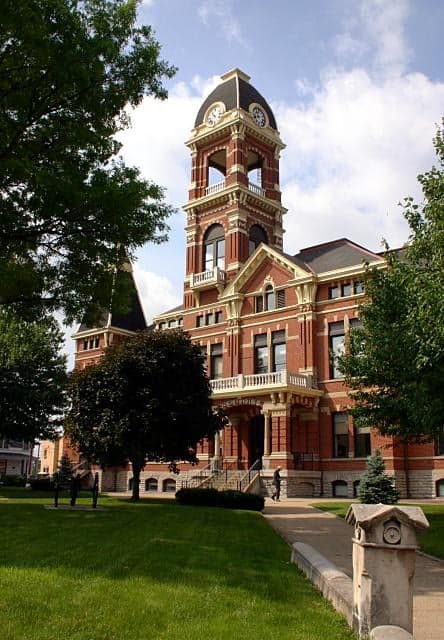
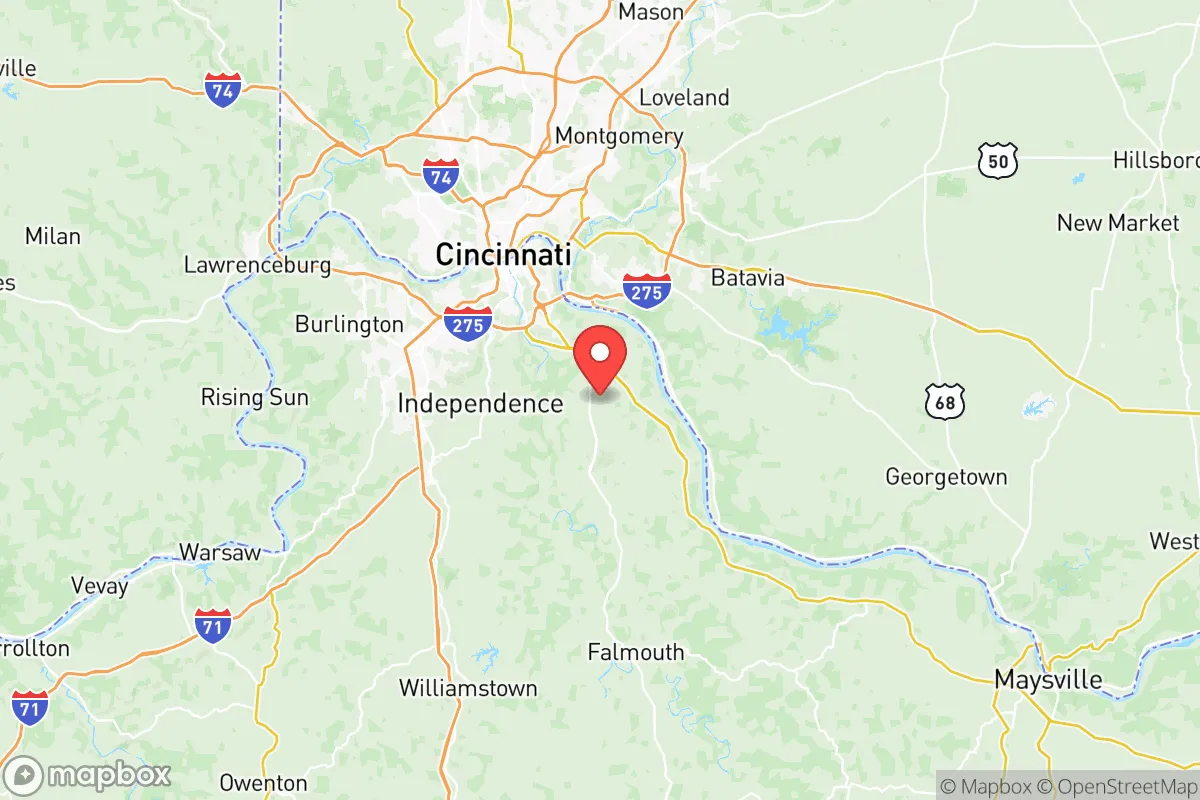
Photo: Wikipedia
Quality of Life in Campbell County
A livable area that tracks near national norms for affordability, walkability, and neighborhood health.
What does Quality of Life tell us?
Quality of Life measures an area by evaluating factors like cost of living, nearby amenities, country club access, airport proximity, socioeconomic signals and neighborhood character. For large states, this is a general average — quality of life can vary dramatically between metro areas, suburbs, and rural communities within the same state.
What does this tell us?
Quality of Life measures an area by evaluating factors like cost of living, nearby amenities, country club access, airport proximity, socioeconomic signals and neighborhood character. For large states, this is a general average — quality of life can vary dramatically between metro areas, suburbs, and rural communities within the same state.
Cost of Living
11% below national average
115%
The Real Cost of Living in Campbell County for 2026
| Tier | Individual | Family (4) |
|---|---|---|
| Survival | $17k | $32k |
| Comfortable | $46k | $67k |
| Luxury | $140k+ | $216k+ |
| Elite (Top 5%) | $175k+ | $271k+ |
Quality-of-Life Analysis
Campbell County, Kentucky, offers a quality-of-life spectrum that ranges from the walkable Ohio River city of Newport to the quiet, unincorporated crossroads of places like Claryville and California, drawing everyone from young professionals seeking urban amenities to families and retirees wanting acreage and lower taxes. With a cost-of-living index of 89 (well below the national average of 100), a median home value of $234,500, and a median rent of $1,079, the county provides tangible financial breathing room compared to neighboring Hamilton County, Ohio. The average commute of just under 23 minutes means residents can live in a rural pocket and still reach Cincinnati or downtown Newport in a reasonable timeframe, making the choice between town and country less about trade-offs and more about personal preference.
Largest town(s) & population centers
Newport is the county's most densely populated city and its primary urban anchor, with a historic riverfront district, the Newport Aquarium, and a growing concentration of breweries and restaurants along Monmouth Street. Daily life here is walkable and compact, with many residents living in older homes or new townhomes within blocks of the Ohio River. Fort Thomas, immediately south of Newport, is a more suburban, family-oriented city known for its highly rated public schools (Fort Thomas Independent Schools) and the sprawling Tower Park. Its housing stock is dominated by early 20th-century bungalows and larger colonials, with median prices often exceeding the county average. Alexandria, the county seat, sits further inland and functions as a commercial hub for the southern half of the county, with big-box retail, the Campbell County Government Center, and newer subdivisions that appeal to families seeking newer construction and larger lots. Daily life in these population centers revolves around local parks, school sports, and quick access to Interstate 275 for commuting to Cincinnati or Northern Kentucky's business parks.
Smaller towns & rural pockets
South of Alexandria, the county opens into rolling farmland and unincorporated communities that offer a markedly different pace. California, Kentucky (not to be confused with the state) is a tiny, unincorporated hamlet along Route 8 near the Ohio River, characterized by historic homes, a general store, and a strong sense of isolation despite being only 15 minutes from Newport. Claryville, further inland, is a crossroads community with a few churches and a volunteer fire department, surrounded by horse farms and wooded lots. Silver Grove, a small city of roughly 1,100 people, sits on the river and offers some of the county's most affordable housing, with older homes and mobile homes on modest lots. Mentor and Camp Springs are unincorporated areas where residents often live on 5- to 20-acre parcels, raising animals or gardening, and where the nearest grocery store may be a 15-minute drive. These pockets lack municipal services like public water or sewer in many cases, but they provide the privacy and land that suburban subdivisions cannot.
Cost & lifestyle range
The cost spread across Campbell County is significant. At the high end, Fort Thomas and the riverfront neighborhoods of Newport (especially near East Row Historic District) command home prices from $350,000 to over $600,000, with a lifestyle centered on historic preservation, walkable streets, and proximity to Cincinnati's jobs and culture. At the low end, Silver Grove and rural areas near California offer homes for under $150,000, often with acreage, but with fewer nearby amenities and longer drives for shopping and healthcare. The median home value of $234,500 reflects this middle ground: a typical buyer can afford a 3-bedroom ranch in Alexandria or a fixer-upper in Newport's outer blocks. Renters benefit from the $1,079 median rent, which is roughly 20% lower than comparable units across the Ohio River in Cincinnati. Property taxes in Campbell County are moderate, and Kentucky's income tax structure (a flat 4% rate as of 2026) is competitive with Ohio's, making the county attractive for remote workers and retirees alike.
Campbell County is best suited for people who want genuine choice in how they live — urban walkability in Newport, suburban schools and stability in Fort Thomas and Alexandria, or rural self-sufficiency in California and Claryville — all within a 30-minute commute of a major metro area. Families who prioritize school districts will gravitate toward Fort Thomas or Alexandria, while those seeking land and lower housing costs will find value in the southern and river-edge communities. The county's mix of historic river towns, modern subdivisions, and working farmland means that nearly any lifestyle preference can be accommodated without leaving the county line.

Crime in Campbell County
Generally safer than 64% of comparable U.S. locations.
Violent CrimeViolent Crime Analysis
Property CrimeProperty Crime Analysis
Crime Analysis
Campbell County, Kentucky, presents a mixed safety profile for prospective residents. The county’s violent crime rate of 197.1 incidents per 100,000 residents is notably lower than both the Kentucky state average and the national median, making it one of the safer suburban counties in the Greater Cincinnati area. However, the property crime rate of 1,201.4 per 100,000 exceeds the national average, a figure driven largely by thefts and vehicle break-ins in more densely populated areas. Understanding where these crimes cluster and how local law enforcement and judicial policies respond is critical for anyone evaluating a move to cities like Newport, Covington, Alexandria, or Fort Thomas.
Crime in context
Campbell County’s violent crime rate sits well below the U.S. average of roughly 380 per 100,000, placing it in a safer tier than many urban and suburban counties nationwide. The property crime rate, however, is about 15% higher than the national average, a pattern common in counties adjacent to major metro hubs. The disparity is most visible when comparing Campbell County’s core river cities—Newport and Covington—to its more suburban eastern towns. Newport and Covington, which share a border with Cincinnati and have higher population density, report elevated property crime numbers, particularly larceny and motor vehicle theft. In contrast, Fort Thomas consistently records the lowest crime rates in the county, with violent incidents being rare and property crime well below the county average. Alexandria and Highland Heights fall in the middle, with property crime rates closer to the county norm but violent crime remaining low. The county’s overall safety is buoyed by these suburban and rural pockets, but the urbanized riverfront communities require more caution, especially regarding vehicle and package theft.
What residents experience
For daily life, the most common safety concern for Campbell County residents is property crime—specifically theft from vehicles, shoplifting, and occasional residential burglaries. Violent crime, while low, is not absent; it tends to concentrate in specific areas of Newport’s west side and parts of south Covington, often linked to drug-related disputes. Residents in Fort Thomas and Alexandria report feeling very safe walking at night and leaving doors unlocked, a sentiment supported by the data. A critical factor shaping the county’s safety outlook is the judicial philosophy of the local district courts and the Commonwealth’s Attorney’s office. Campbell County operates under a conservative-leaning judicial system that prioritizes strict sentencing and holds offenders accountable, which directly contributes to the low violent crime rate. This approach stands in contrast to more progressive jurisdictions in nearby Hamilton County, Ohio, where softer policies have been linked to higher recidivism and increased street-level crime. For families and professionals, the practical takeaway is that property crime requires vigilance—locking cars, securing packages—but the risk of violent victimization is minimal compared to national norms.
Neighborhood-level variation is pronounced. The safest areas are the established residential neighborhoods of Fort Thomas (especially around Tower Park and the Highlands) and the newer subdivisions in Alexandria and Cold Spring. These areas see property crime rates roughly half the county average. The most challenging pockets are the older, denser blocks of Newport’s East Row Historic District and Covington’s MainStrasse area, where foot traffic and tourism attract opportunistic theft. Overall, Campbell County offers a strong safety foundation for those who choose their specific neighborhood wisely, with the added benefit of a justice system that does not tolerate leniency toward repeat offenders.
* Values derived from national, state, county, city and local statistics and may differ in a specific area. Last updated: 2026-05-13T08:42:12.000Z
Narrative content on this page is AI-generated and may contain mistakes. Verify any details that matter before acting on them.
ReloMaps may earn a commission from affiliate links at no extra cost to you.

