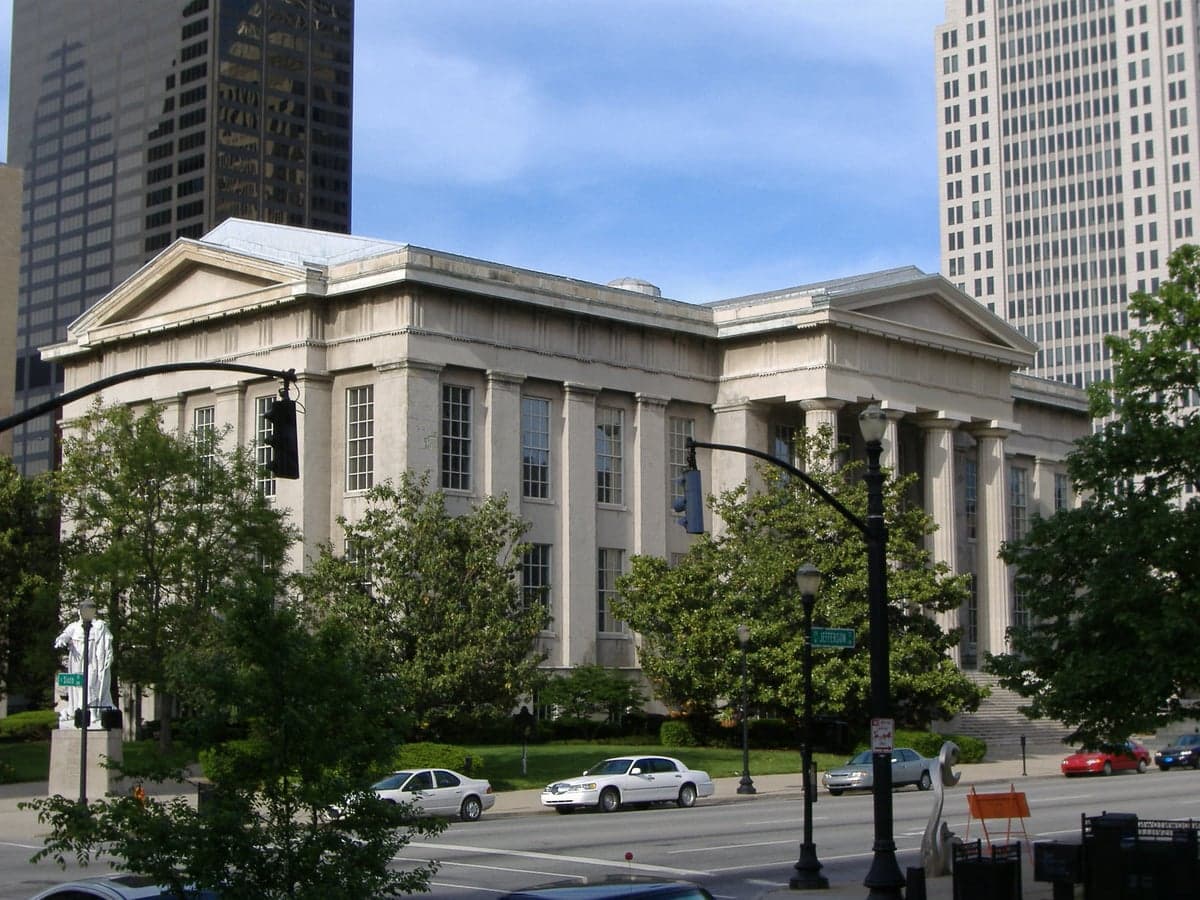
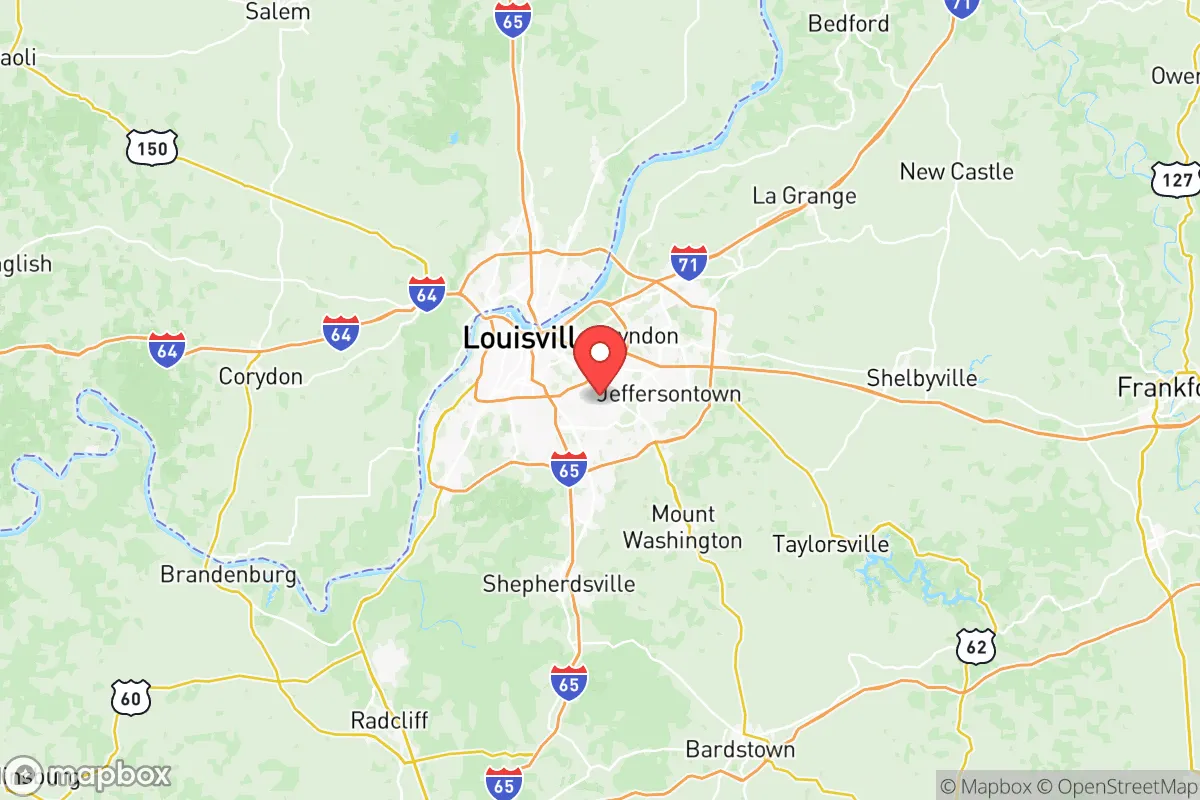
Photo: Wikipedia
Quality of Life in Jefferson County
A livable area that tracks near national norms for affordability, walkability, and neighborhood health.
What does Quality of Life tell us?
Quality of Life measures an area by evaluating factors like cost of living, nearby amenities, country club access, airport proximity, socioeconomic signals and neighborhood character. For large states, this is a general average — quality of life can vary dramatically between metro areas, suburbs, and rural communities within the same state.
What does this tell us?
Quality of Life measures an area by evaluating factors like cost of living, nearby amenities, country club access, airport proximity, socioeconomic signals and neighborhood character. For large states, this is a general average — quality of life can vary dramatically between metro areas, suburbs, and rural communities within the same state.
Cost of Living
10% below national average
100%
The Real Cost of Living in Jefferson County for 2026
| Tier | Individual | Family (4) |
|---|---|---|
| Survival | $18k | $33k |
| Comfortable | $46k | $68k |
| Luxury | $123k+ | $190k+ |
| Elite (Top 5%) | $160k+ | $248k+ |
Quality-of-Life Analysis
Jefferson County, Kentucky, offers a broad quality-of-life spectrum anchored by the urban energy of Louisville and stretching into historic small towns and working farmland, drawing everyone from young professionals and creatives to families seeking suburban schools and retirees looking for quiet, affordable land. The county’s cost of living index of 90 (well below the national average of 100) and a median home value of $237,200 make it accessible across this range, while the average commute of just over 22 minutes keeps even rural residents within easy reach of the city’s jobs and amenities.
Largest town(s) & population centers
Louisville dominates Jefferson County as both its seat and its sole major city, housing the vast majority of the county’s population. Daily life here is defined by walkable neighborhoods like the Highlands and NuLu, a growing food and bourbon tourism scene, and major employers such as UPS Worldport, Humana, and Ford’s Kentucky Truck Plant. The city’s urban core offers dense, amenity-rich living with historic shotgun houses and modern apartments, while suburban areas like St. Matthews and Middletown provide tree-lined streets, strong public schools, and regional shopping centers. The median rent of $1,097 is notably affordable for a metro of this size, allowing renters to access neighborhoods that would be out of reach in comparable cities like Nashville or Indianapolis.
Smaller towns & rural pockets
Outside Louisville’s loop, Jefferson County contains distinct smaller communities that retain their own identities. Anchorage, an independent city within the county, is known for its historic homes, highly rated Anchorage Public School, and a semi-rural feel with large lots and horse farms. Prospect, along the Ohio River, offers riverfront estates and a quiet, affluent lifestyle with easy access to both Louisville and Oldham County. Further south, Fairdale and Okolona are unincorporated areas with a more working-class character, featuring older ranch homes, local diners, and a slower pace. The county’s rural pockets are concentrated in the far eastern and southern edges, where you’ll find actual farmland, equestrian properties, and small clusters of homes on winding roads—places like the area around Jeffersontown’s outskirts or the agricultural land near the Bullitt County line.
Cost & lifestyle range
The cost spread across Jefferson County is significant. At the high end, Glenview and Indian Hills feature multimillion-dollar riverfront estates and gated communities, with median home values well above the county’s $237,200 average. Anchorage and Prospect also command premiums, often exceeding $500,000 for single-family homes. At the affordable end, neighborhoods in Shively and Portland (a historic Louisville neighborhood) offer entry-level homes under $150,000 and rents well below the county median, though these areas often have higher crime rates and fewer retail amenities. The lifestyle range mirrors this: urban dwellers in the Highlands or Butchertown walk to breweries and farmers markets, while families in Middletown or Lyndon prioritize school districts and backyards. Rural residents near Fisherville or Eastwood enjoy acreage and privacy but face longer drives to grocery stores and medical services. The county’s average commute of 22 minutes is a key equalizer—even the most remote homes in Jefferson County are rarely more than 30 minutes from downtown Louisville.
Jefferson County works best for people who want urban amenities without urban price tags, or who want a small-town or rural setting within a short commute to a major city. Young professionals and creatives thrive in Louisville’s walkable core, while families and retirees find value in the suburban and semi-rural communities that ring the city. The county’s diversity of housing stock, from $100,000 fixer-uppers to $1 million riverfront estates, means that nearly any budget can find a place here—but the trade-offs in schools, safety, and walkability vary sharply by neighborhood, so careful area research is essential.

Crime in Jefferson County
Generally safer than 64% of comparable U.S. locations.
Violent CrimeViolent Crime Analysis
Property CrimeProperty Crime Analysis
Crime Analysis
Jefferson County, Kentucky, which is consolidated with the city of Louisville, presents a mixed safety picture. With a violent crime rate of 197.1 per 100,000 residents and a property crime rate of 1,201.4 per 100,000, the county's overall crime index is notably higher than both the Kentucky state average and national benchmarks. While certain suburban communities within the county maintain relatively low crime levels, the urban core and several specific neighborhoods experience significantly elevated risks, particularly for property offenses like theft and vehicle break-ins.
Crime in context
Jefferson County's violent crime rate of 197.1 per 100,000 is approximately 30% higher than the national average of roughly 150 per 100,000, and well above the Kentucky state average of about 110 per 100,000. The property crime rate of 1,201.4 per 100,000 is even more concerning, exceeding the national average by roughly 40% and the state average by nearly 50%. These figures place Jefferson County among the higher-crime urban counties in the Midwest and South. The disparity is driven largely by Louisville's urban density and socioeconomic challenges, but also by the policies of the local justice system. The Jefferson County Commonwealth's Attorney's office and the Louisville Metro Police Department have faced criticism for progressive prosecutorial approaches that prioritize diversion and reduced sentencing for non-violent offenders, a philosophy that critics argue has contributed to a revolving-door effect for property criminals and a general sense of lawlessness in certain areas.
What residents experience
Residents in Jefferson County report that property crime is the most pervasive daily concern. Car break-ins, package thefts, and home burglaries are common in neighborhoods like the Highlands, Germantown, and Old Louisville, where older housing stock and street parking create easy targets. Violent crime, while less frequent, is concentrated in specific corridors: the West End neighborhoods (Shawnee, Parkland, Russell) and parts of South Louisville (Iroquois, Wyandotte) see higher rates of aggravated assault and robbery. In contrast, the eastern suburbs—Middletown, Prospect, and Anchorage—report significantly lower crime rates, often comparable to or below state averages. The presence of progressive judges in Jefferson County District Court, who frequently impose alternative sentencing and low bail amounts, has been cited by local media and community groups as a factor in repeat property offenders cycling quickly back onto the streets, undermining deterrence and eroding public confidence in the justice system.
Neighborhood-level variation
The safety landscape in Jefferson County is highly localized. The safest areas are the affluent eastern suburbs: Prospect (violent crime rate under 50 per 100,000), Anchorage (under 30 per 100,000), and Middletown (roughly 80 per 100,000). These communities benefit from well-funded police departments, neighborhood watch programs, and lower population density. Conversely, the most dangerous neighborhoods are in the urban core and West End: Russell (violent crime rate exceeding 400 per 100,000), Parkland (over 350 per 100,000), and Shawnee (around 300 per 100,000). The Louisville Metro Police Department's Fourth Division, which covers the West End, consistently accounts for a disproportionate share of the county's violent crime. For prospective residents, choosing a neighborhood in the eastern or northeastern parts of the county is the most reliable way to avoid the elevated crime rates that define much of Jefferson County.
* Values derived from national, state, county, city and local statistics and may differ in a specific area. Last updated: 2026-05-12T12:12:53.000Z
Narrative content on this page is AI-generated and may contain mistakes. Verify any details that matter before acting on them.
ReloMaps may earn a commission from affiliate links at no extra cost to you.

