Photo: Wikipedia
Find The Best Places To Live
in Kerrville
PRO TIP! You can paste a Zillow or Redfin link to get info on that property.
What It's Like Living in Kerrville, TX
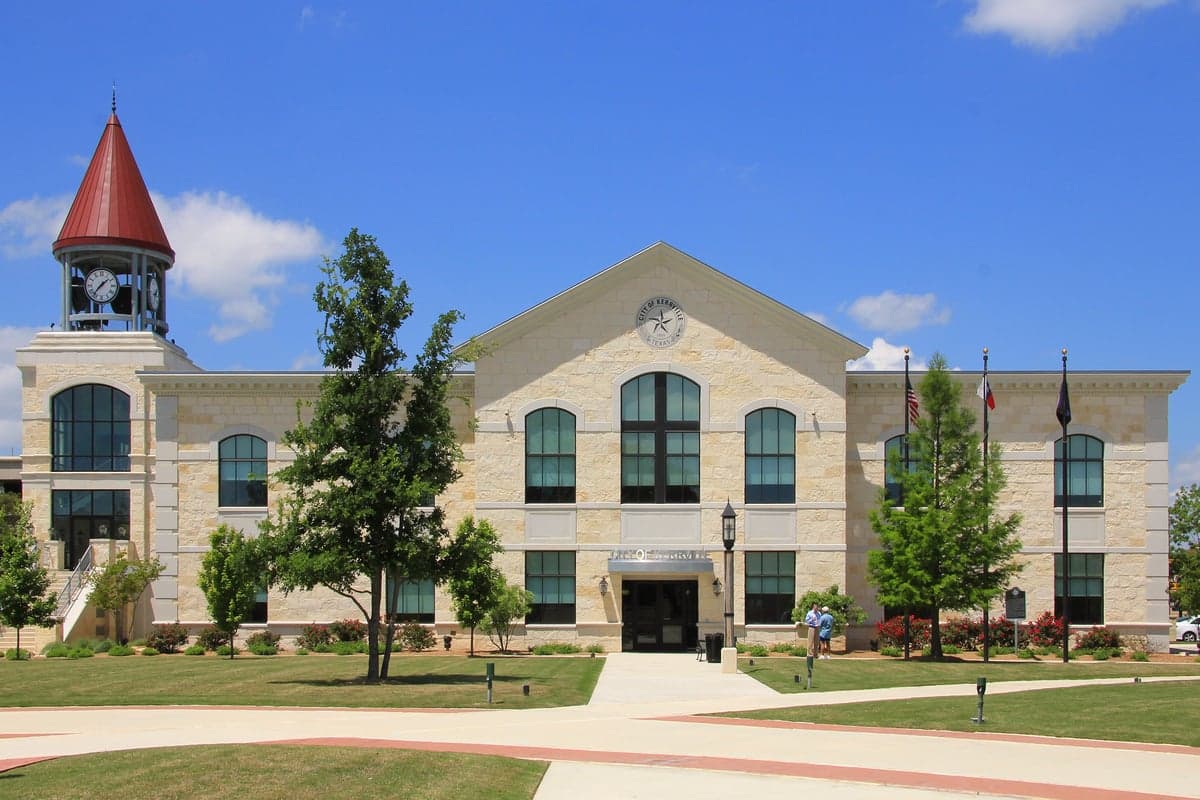
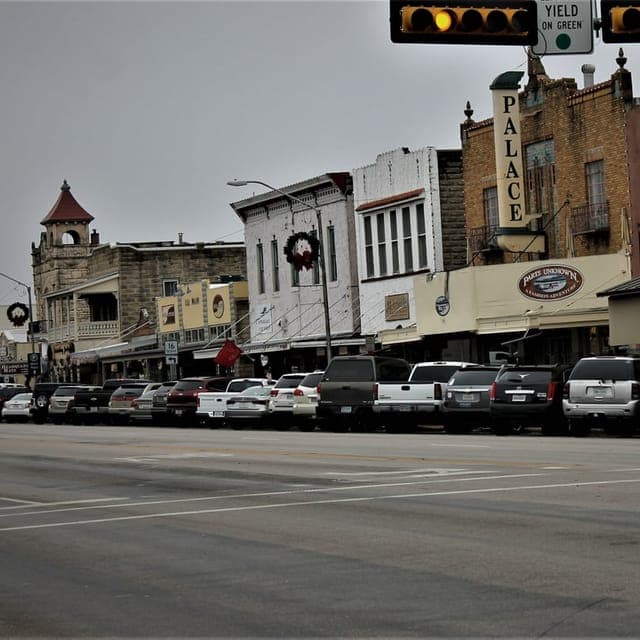
Kerrville feels like a small town that grew up just enough to have everything you need, without losing the sense that everybody knows somebody. It’s the kind of place where the Guadalupe River runs through the middle of town, where Friday night lights matter, and where you can still find a parking spot downtown on a Saturday afternoon. For a certain kind of person—someone who wants a slower pace, a lower cost of living, and a community that actually feels like one—Kerrville makes a lot of sense.
Daily Rhythm: What People Actually Do
Most mornings in Kerrville start with coffee at The Divide on Main Street or a breakfast taco from El Sol de Mexico. The commute is a genuine perk: the average drive time is under 17 minutes, so you’re not burning an hour of your day in traffic just to get to work or drop kids at school. The biggest employers are Peterson Health (the regional hospital), James Avery Artisan Jewelry (whose headquarters and foundry are here), and the local school district. A lot of people also work remotely or commute to San Antonio—about an hour east—but most residents keep their daily lives inside the county line.
Weekends revolve around the river. In warmer months, families and retirees float the Guadalupe in inner tubes or set up lawn chairs at Louise Hays Park. The Kerrville-Schreiner Park (part of the state park system) offers hiking, biking, and camping, and it’s common to see people out on the trails by 8 a.m. even in July. Shopping is mostly practical—H-E-B for groceries, Walmart for everything else—but downtown has a handful of boutiques and antique stores that draw a steady crowd.
Sports, Festivals, and What Passes for Nightlife
High school sports are a big deal here. Tivy High School football games on Friday nights are genuine community events, with the stands full of parents, alumni, and locals who just want to watch the Antlers play. There’s no pro team within 60 miles, so the Antlers—and to a lesser extent, Schreiner University’s basketball and soccer teams—are the main athletic draw. The university itself is small (about 1,200 students) but adds a bit of youthful energy to a town where the median age is 41.
The biggest annual event is the Kerrville Folk Festival, held each spring at Quiet Valley Ranch. It’s been running since 1972 and draws singer-songwriter types from across the country. For three weeks, the campgrounds fill up with guitars and campfires, and the town feels a little more bohemian than usual. Other notable events include the Texas Heritage Festival in the fall and the Kerrville Christmas Parade, which shuts down Main Street and feels like something out of a Hallmark movie. For nightlife, options are limited but solid: Billy Gene’s for live music and a beer, Pint & Plow Brewing Co. for craft beer and a younger crowd, and Grape Juice for wine and a quieter evening.
Who Fits In—and Who Might Not
Kerrville tends to attract people who are done with the rat race or never wanted to join it. The median household income is about $59,000, and the cost of living sits at 94 on the national index—meaning your dollar goes further here than in most of the country. Home values have climbed in recent years (median around $273,000), but that still buys a decent 3-bedroom house on a quiet street, especially compared to Austin or Dallas. The population is just over 24,500, and about 32% of adults hold a bachelor’s degree or higher—enough to keep conversations interesting, but not so many that the town feels like a college campus.
What frustrates longtime residents is the lack of variety. Restaurants close early, chain stores dominate the retail landscape, and if you want a major concert or a professional sports game, you’re driving to San Antonio or Austin. The violent crime rate is 197 per 100,000—below the national average but not zero—and property crime can be an issue in certain neighborhoods. Summers are hot and humid, and winter is mild enough that you’ll still be grilling in January. The schools—Kerrville ISD—are a point of pride for many families, with Tivy High School regularly producing solid academic and athletic programs.
Pros and Cons of Living Here
- Pro: Genuinely low traffic and short commutes. You can live on the edge of town and still be at work in 12 minutes.
- Con: Limited job diversity. If you’re not in healthcare, education, or retail, you may need to commute or work remotely.
- Pro: Strong sense of community. Neighbors know each other, and local events actually feel local.
- Con: Entertainment options are thin. No movie theater upgrades, few late-night spots, and dining gets repetitive.
- Pro: The river and Hill Country scenery are genuinely beautiful and accessible year-round.
- Con: Summers can be punishing—100°F days are normal, and the humidity makes it feel heavier.
Kerrville isn’t trying to be the next Austin or a retirement paradise. It’s a working Hill Country town with a river running through it, a folk festival that puts it on the map, and a pace of life that lets you breathe. If that sounds like what you’re after, it’s worth a serious look.

Similar towns to Kerrville
* Values derived from national, state, county, city and local statistics and may differ in a specific area. Last updated: 2026-05-10T17:53:21.000Z
Narrative content on this page is AI-generated and may contain mistakes. Verify any details that matter before acting on them.
ReloMaps may earn a commission from affiliate links at no extra cost to you.

