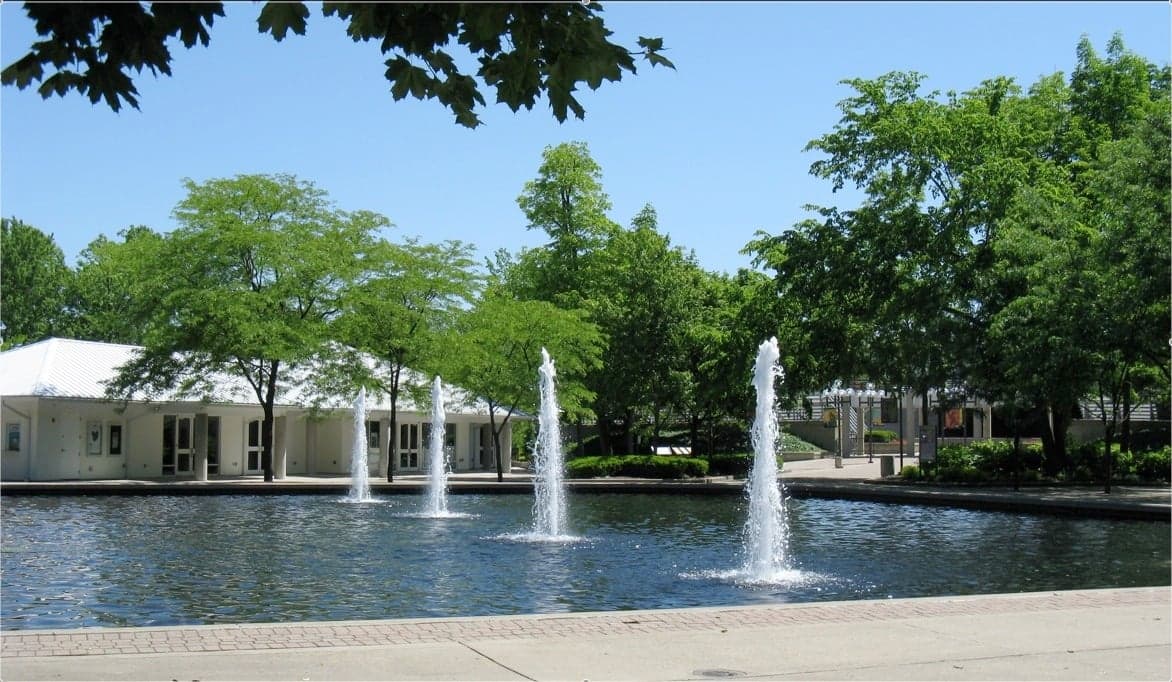
Photo: Wikipedia
Quality of Life in Kettering, OH
A high quality of life with strong walkability, manageable living costs, healthy neighborhood signals, and solid amenity access.
What does Quality of Life tell us?
Quality of Life blends cost of living, nearby amenities, socioeconomic signals, and neighborhood character. City-level scores represent the whole municipality; individual neighborhoods can differ.
What does this tell us?
Quality of Life blends cost of living, nearby amenities, socioeconomic signals, and neighborhood character. City-level scores represent the whole municipality; individual neighborhoods can differ.
Cost of Living
22% below national average
The Real Cost of Living in Kettering, OH for 2026
| Tier | Individual | Family (4) |
|---|---|---|
| Survival | $16k | $29k |
| Comfortable | $37k | $55k |
| Luxury | $124k+ | $192k+ |
| Elite (Top 5%) | $146k+ | $226k+ |
130%
The Area Signal
A metric tracking the socioeconomic signals of the area.
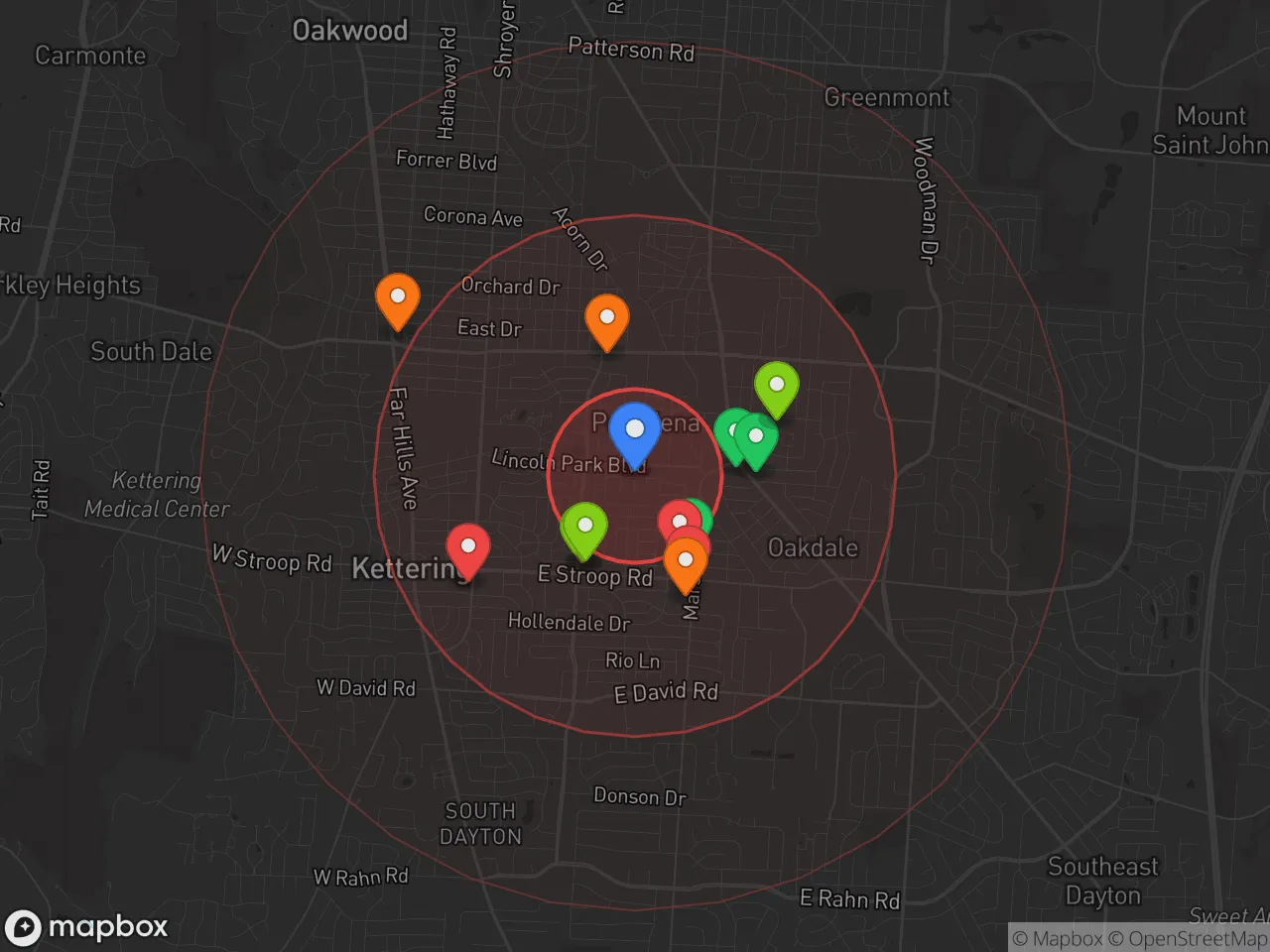
Hobbies
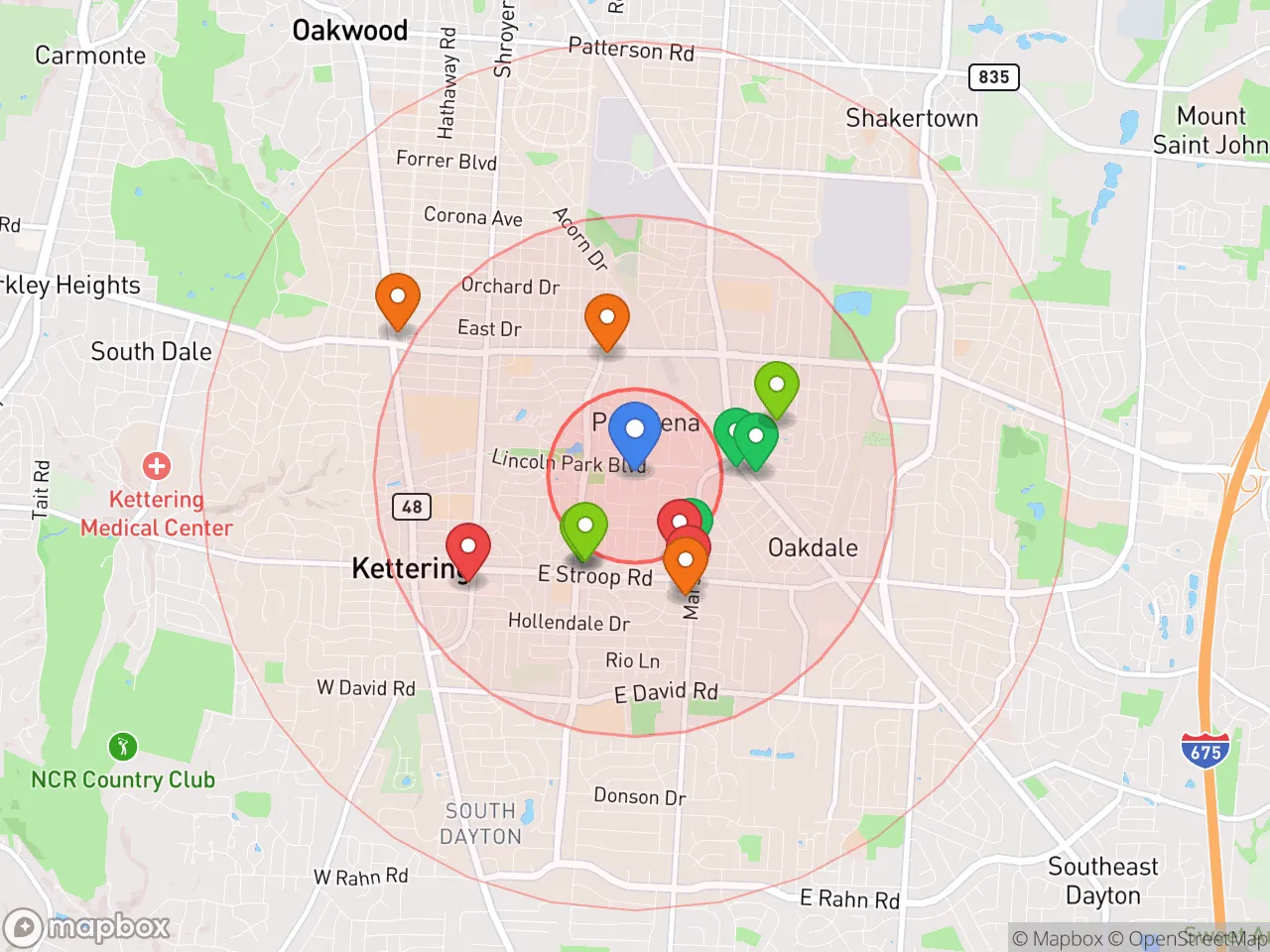
Explore the areaGroceries
7 within 10 miles
Gas
20 within 10 miles
Hospital
20 within 20 miles
Airport
John Glenn Columbus International Airport
Post Office
USPS — Kettering, OH
Critical Amenities
Quality-of-Life Analysis
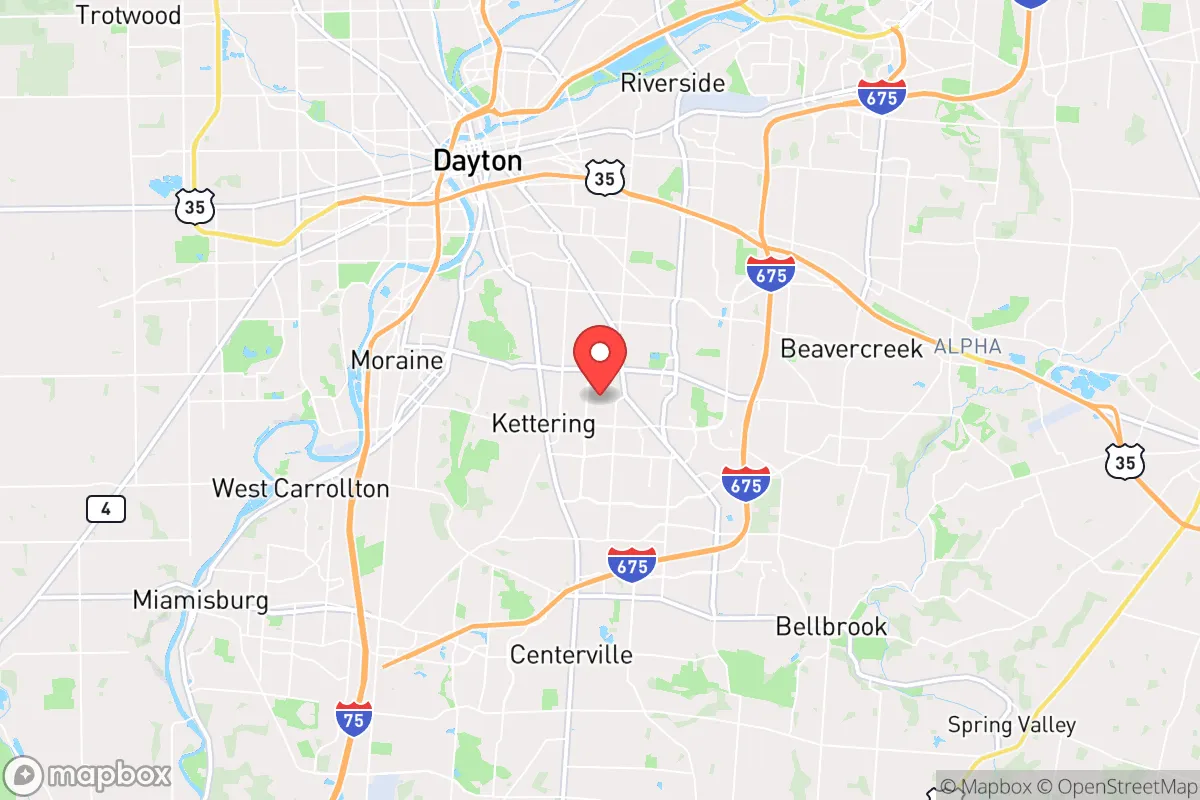
Kettering, Ohio, is a well-established inner-ring suburb of Dayton that offers a notably high quality of life relative to its cost, attracting a mix of middle-class families, professionals, and retirees who value stability, strong public services, and a quiet suburban rhythm. With a cost of living index of 78 (22% below the national average), the area provides an affordable entry point to the Dayton metro while maintaining home values and amenities that outpace many neighboring communities. The typical resident is a homeowner in a post-war ranch or Cape Cod, working in healthcare, education, or manufacturing within a 20-minute commute.
Cost of living, housing affordability, and how Kettering compares to nearby suburbs
Kettering’s cost of living is a standout advantage, with a composite index of 78 that undercuts both the national average (100) and many comparable Ohio suburbs. The median home value sits at $192,500, which is roughly 10-15% higher than in neighboring Dayton proper but significantly lower than in pricier communities like Centerville or Oakwood, where medians often exceed $250,000. Median rent is $983, making it one of the more affordable rental markets in Montgomery County for a two-bedroom unit. The average commute of 20.4 minutes is shorter than the national average of 26 minutes, reflecting Kettering’s central location along I-75 and proximity to major employers like Kettering Health Network, Premier Health, and Wright-Patterson Air Force Base. Property taxes in Kettering are moderate for Ohio, with effective rates around 2.1% of assessed value, though the city’s strong school system and well-maintained parks help justify the cost for most homeowners.
Schools, parks, and what daily life feels like in Kettering
Daily life in Kettering revolves around its highly rated Kettering City School District, which serves roughly 7,700 students and consistently earns A ratings from Niche and the Ohio Department of Education. The district includes Kettering Fairmont High School, known for its strong STEM and performing arts programs. Beyond schools, the city boasts over 20 parks and 30 miles of paved trails, including the popular Delco Park and the Kettering Recreation Complex, which offers indoor pools, fitness classes, and senior programs. The retail and dining corridor along Far Hills Avenue and Stroop Road provides everyday conveniences, while the nearby Dayton Mall and The Greene Town Center offer larger shopping options. The community’s rhythm is notably family-oriented: weekend mornings see soccer games at Indian Riffle Park, and the city’s annual Kettering Summer Concert Series draws hundreds to Lincoln Park. Crime rates are below the national average for property crime, though residents note that some older commercial strips can feel dated compared to newer developments in Centerville.
Kettering is best suited for buyers and renters who prioritize a strong school system, short commute, and stable suburban environment over nightlife or urban density. Families with school-aged children will find the district and park system a clear draw, while professionals working at Wright-Patt or local hospitals will appreciate the 20-minute drive. Retirees on fixed incomes benefit from the low cost of living and access to Kettering Medical Center. Those seeking a walkable downtown or a vibrant arts scene may prefer Oakwood or the Oregon District in Dayton, but for a balanced, affordable, and well-run suburb, Kettering remains one of the most practical choices in the Dayton metro.

Crime in Kettering, OH
Lower crime rates than 84% of comparable U.S. locations.
Violent CrimeViolent Crime Analysis
Property CrimeProperty Crime Analysis
Crime Analysis
Kettering, Ohio, presents a mixed safety profile that demands careful consideration from potential residents. While the city’s violent crime rate of 72.1 incidents per 100,000 residents is notably lower than both the Ohio state average and the national median, its property crime rate of 1,370.7 per 100,000 exceeds national benchmarks, signaling a heightened risk for theft and burglary. As a suburb of Dayton within the broader Dayton metropolitan area, Kettering’s crime dynamics are influenced by regional justice policies that lean progressive, a factor that can undermine public safety by prioritizing offender rehabilitation over victim protection and deterrence.
Crime in context
Kettering’s violent crime rate is roughly one-third the national average, placing it among safer communities for serious offenses like homicide, assault, and robbery. However, the property crime rate is approximately 30% higher than the U.S. median, driven largely by larceny-theft and motor vehicle theft. This disparity reflects a broader trend in Ohio’s metropolitan suburbs, where property crime often clusters near commercial corridors and transit routes. The Dayton metro area, including Kettering, operates under a justice system influenced by progressive prosecutorial policies—such as diversion programs and reduced sentencing for nonviolent offenders—which, while well-intentioned, can result in repeat property offenders cycling back into neighborhoods without meaningful consequences. For residents, this means a higher likelihood of encountering theft from vehicles, package theft, and break-ins compared to similarly sized communities in more conservative judicial districts.
What residents experience
Daily life in Kettering is generally calm, with most violent crime concentrated in specific pockets rather than affecting the entire city. Residents report feeling safe walking in residential areas and using parks during daylight hours. However, property crime is a persistent annoyance: car break-ins and porch thefts are common, particularly near apartment complexes and shopping centers along Stroop Road and Far Hills Avenue. The city’s police department maintains a visible presence and publishes crime maps, but the underlying judicial leniency in Montgomery County means that many property crimes are not aggressively prosecuted. This creates a sense of impunity among offenders, frustrating homeowners who invest in security systems and neighborhood watch programs. For families and retirees, the low violent crime rate is reassuring, but the property crime risk requires proactive measures like locking vehicles, installing cameras, and avoiding leaving valuables in sight.
Neighborhood-level variation is significant. Areas east of Interstate 675, including the Hills and Dales and Oakwood borders, see substantially lower crime rates than the western sections near downtown Dayton. The city’s southern neighborhoods, closer to Centerville, also report fewer incidents. Prospective renters and buyers should consult Kettering’s online crime mapping tool and consider visiting at different times of day to gauge local conditions. While the overall safety picture is manageable with vigilance, the combination of elevated property crime and a progressive regional justice approach means that Kettering is not a low-concern relocation choice for those prioritizing maximum security.
* Values derived from national, state, county, city and local statistics and may differ in a specific area. Last updated: 2026-04-22T02:39:33.000Z
Narrative content on this page is AI-generated and may contain mistakes. Verify any details that matter before acting on them.
ReloMaps may earn a commission from affiliate links at no extra cost to you.

