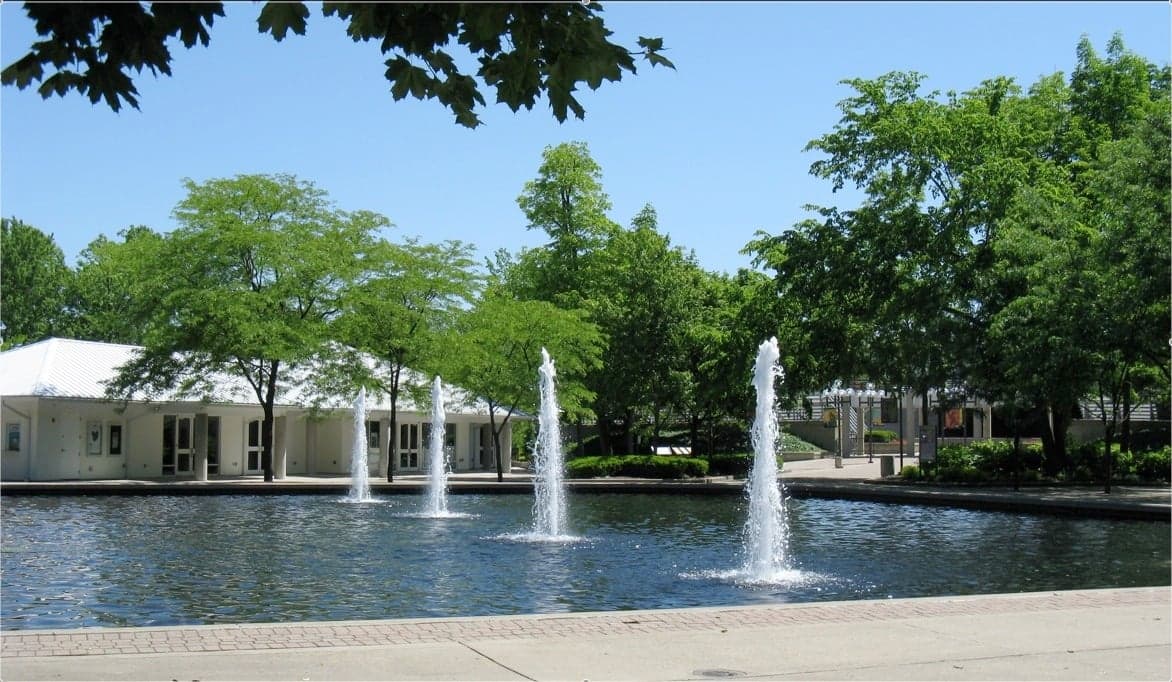
Photo: Wikipedia
Strategic Assessment of Kettering, OH
Meaningful friction. Expect exposure to either population pressure, blast zones, or natural disaster risk. Consider buying a retreat property.
What does the Strategic Assessment tell us?
Our Strategic Assessment grades tactical survivability of an area. Major population centers, military targets, fallout zones, natural disasters, and border exposure all drive risk — lower exposure means a more defensible position in a crisis.
This is heavily inspired by Joel Skousen's Strategic Relocation book. Highly recommended you checkout the book ($)What does this tell us?
Our Strategic Assessment grades tactical survivability of an area. Major population centers, military targets, fallout zones, natural disasters, and border exposure all drive risk — lower exposure means a more defensible position in a crisis.
This is heavily inspired by Joel Skousen's Strategic Relocation book. Highly recommended you checkout the book ($)Strategic Pillars

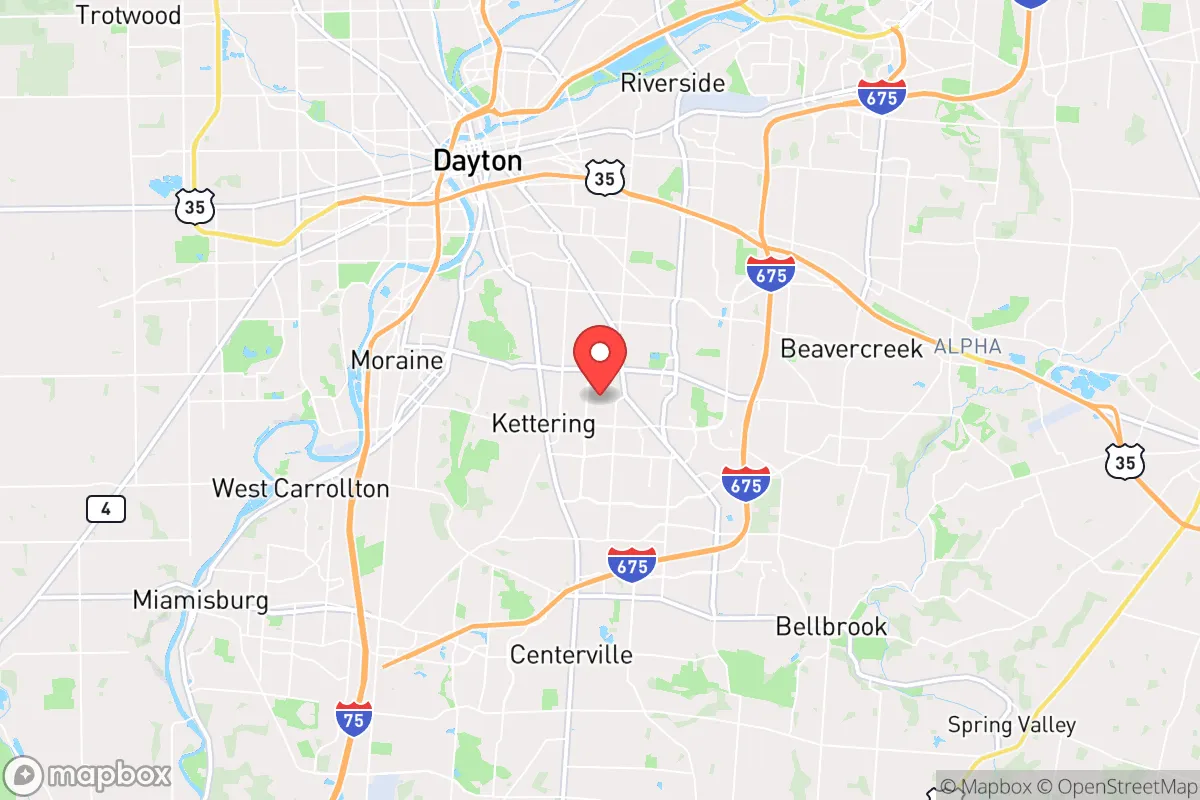
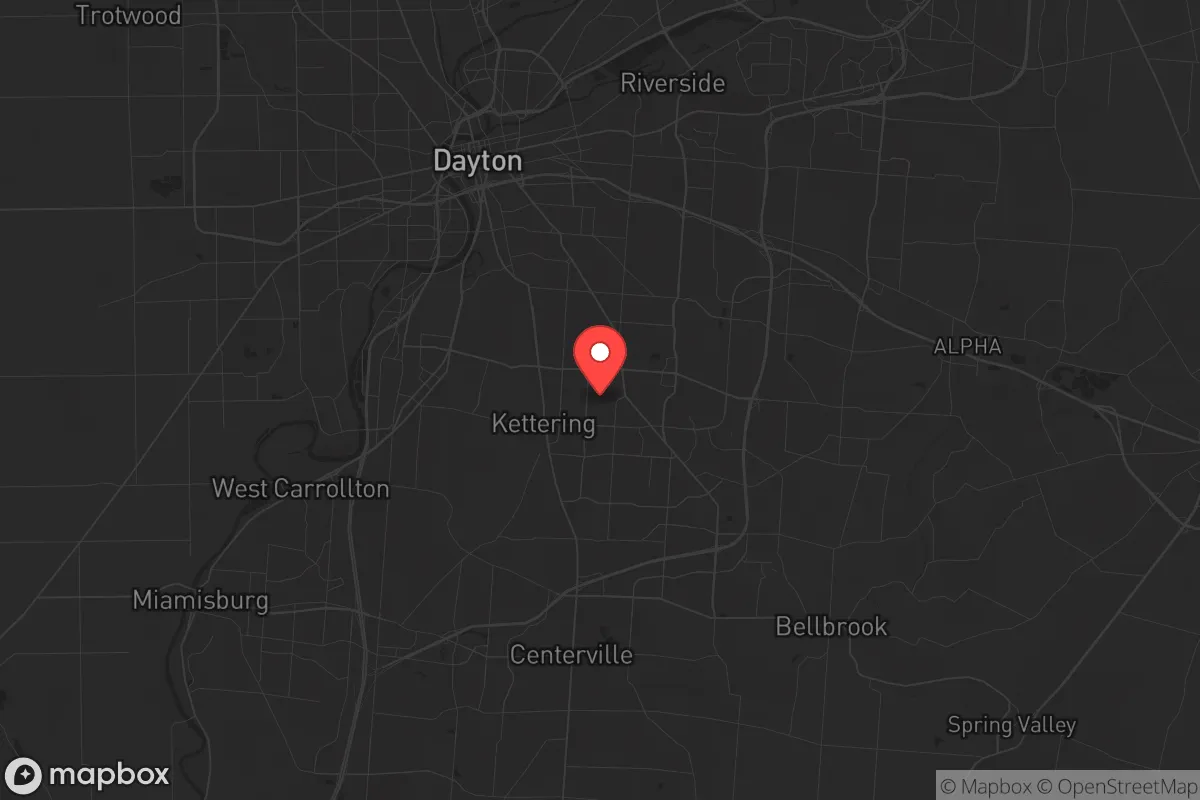
Key Distances
Regional Safe Places
Below is our recommended "safe zones" in Ohio and the surrounding area based on our strategic heuristics. For most people, it's unrealistic to live in a “safe zone” full-time due to work, family or other personal reasons. They tend to be more rural. However, many of these areas are perfect for second homes and retreat properties that double as a vacation home or even a short-term rental.

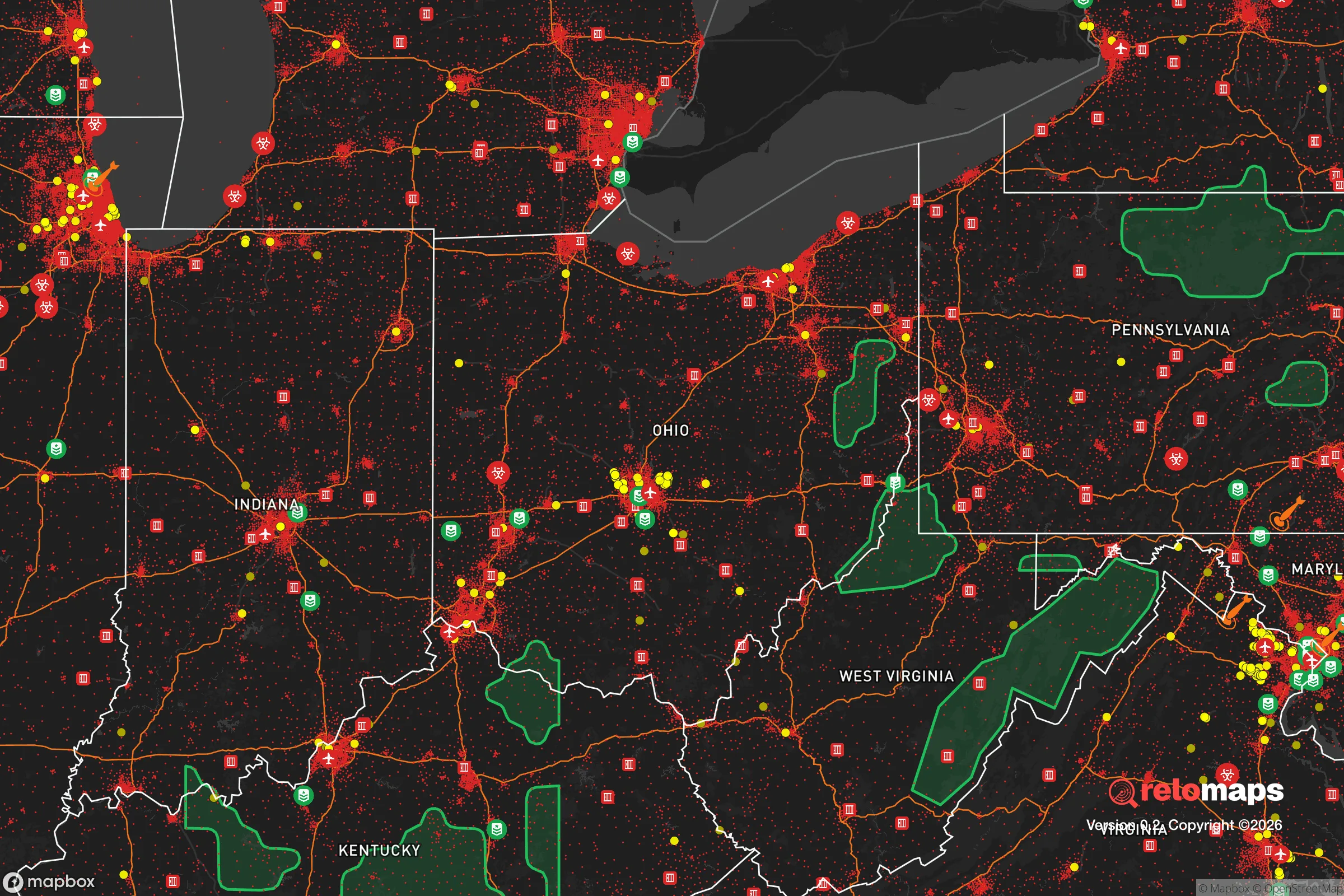


Important Note: For informational purposes only. This does not mean nothing bad ever happens in the green zones. Please use common sense. This is based on public data and modeled with AI. We tried to take a conservative approach but mistakes happen. We update this regularly as new information becomes available.
Solar Generator Recommendations
Backup power matters more here than in safer locations. We've picked three solar generators across budgets and capacity tiers — start with the budget unit if you only need a few essentials, or step up if you want to run a fridge and HVAC for days at a time.

Jackery Portable Power Station Explorer 300
Budget OptionPower on the Go: Weighing only 11 lbs, it's convenient to set up and store with book-sized foldable solar panels

BLUETTI Portable Power Station AC180
Designed for both indoor and outdoor scenarios, AC180 is highly capable as it has a robost capacity and continuous output power.

EF ECOFLOW DELTA Pro Ultra Power Station
Upgraded PickEcoFlow DELTA Pro Ultra is a whole-home energy system designed to grow with your family. Integrated with the Smart Home Panel 2, it scales to meet your evolving energy needs — keeping your home powered, intelligent, and secure through every stage of life.
We earn a commission, at no additional cost to you.
Strategic Assessment Analysis
Kettering, Ohio, sits in a strategic sweet spot that preppers and resilience-minded relocators should take seriously: close enough to a major metro to access resources, yet far enough to avoid the worst of urban collapse scenarios. This southwest Ohio suburb of Dayton offers a blend of Midwestern stability, established infrastructure, and a population that leans conservative—factors that matter when assessing long-term survivability. The area’s location along the I-75 corridor provides logistical advantages, but its proximity to Wright-Patterson Air Force Base and other potential fallout targets demands careful consideration.
Geographic position and natural advantages for long-term survival
Kettering’s position in the Miami Valley gives it access to the Great Miami River watershed, a reliable freshwater source that becomes critical in grid-down scenarios. The region sits atop the buried Teays River aquifer system, providing groundwater reserves that many Midwestern suburbs lack. The terrain is gently rolling, with enough wooded areas and farmland within a 20-minute drive to support small-scale agriculture and foraging. The area’s four-season climate means growing seasons are viable from April through October, and the region’s history of tornado activity (part of the “Hoosier Alley” extension) actually works in a prepper’s favor—it keeps population density lower than comparable Ohio suburbs. Kettering itself is roughly 5 square miles with about 56,000 residents, giving it a density that’s manageable for community defense but not so sparse that you’re isolated from supply chains. The city’s elevation (around 1,000 feet) offers decent line-of-sight advantages for communications and observation, and the surrounding countryside provides multiple egress routes if evacuation becomes necessary.
Risks, exposures, and proximity to fallout-relevant landmarks
The elephant in the room is Wright-Patterson Air Force Base, located just 10 miles northeast of Kettering. As the headquarters of the Air Force Materiel Command and home to the National Air and Space Intelligence Center, it’s a high-value target in any conflict scenario. A ground-zero detonation there would put Kettering in the moderate-to-heavy fallout zone depending on wind patterns, with lethal radiation potentially reaching the city within hours. Dayton’s urban core (population 140,000) is only 8 miles north, meaning civil unrest, supply chain disruptions, and disease vectors from a collapsing metro would flow south along I-75 and State Route 48. The city also sits within 50 miles of two nuclear power plants—the now-closed Piqua Nuclear Generating Station (a decommissioning site with residual contamination risks) and the active Davis-Besse plant near Toledo (about 120 miles north, but within plausible fallout range under worst-case weather). Industrial risks include the numerous chemical plants along the Ohio River corridor 50 miles south, and the rail lines running through Dayton carry hazardous materials regularly. Kettering’s position in a floodplain zone near the Great Miami River means flash flooding is a recurring natural hazard, though the city’s stormwater infrastructure is well-maintained compared to rust-belt peers.
Practical resilience for a relocator: food, water, energy, and defensibility
For a single individual or family looking to establish a resilient household, Kettering offers a mixed bag. Water security is above average: the city draws from the Great Miami River and a network of wells, and the aquifer means private well drilling is feasible in nearby unincorporated areas. The municipal water treatment plant has backup generators, but a long-term grid failure would still strain the system. Rainwater collection is legal in Ohio, and average annual precipitation of 40 inches provides ample catchment potential. Food resilience is moderate—the Dayton area has a growing network of farmers’ markets and CSAs, and Montgomery County’s agricultural extension office offers soil testing and canning workshops. However, Kettering itself is fully suburbanized; you’ll need to drive 15-20 minutes to find acreage for serious gardening or livestock. The city’s zoning allows backyard chickens (with permit), but larger animals require moving to neighboring Washington Township or rural Greene County. Energy resilience is a weak point: the grid is served by AES Ohio, which has an aging infrastructure and has experienced multiple weather-related outages in recent years. Solar adoption is growing but still below national averages, and the city’s tree canopy (about 35% coverage) creates shading challenges for rooftop panels. Natural gas is widely available, which is a plus for cooking and heating during outages. Defensibility is where Kettering struggles for a prepper mindset. The street grid is conventional suburban—curvilinear roads with multiple access points, making perimeter security difficult. The housing stock is predominantly post-war ranches and Cape Cods with attached garages and large windows, not ideal for hardening. The city’s police force is well-funded (about 130 officers for 56,000 residents), but response times in a widespread emergency would be stretched thin. The conservative-leaning population (Montgomery County voted +5 D in 2024, but Kettering precincts trended R by about 8 points) means a higher likelihood of like-minded neighbors for mutual aid, but the area’s overall political mix requires careful vetting of community networks.
The strategic picture for Kettering is one of calculated trade-offs. It’s not a remote bug-out location—you’re trading true isolation for access to medical facilities (Kettering Health Network has multiple hospitals within 15 minutes), hardware stores, and a population base that includes many veterans and firearms owners. The proximity to Wright-Patterson is the single biggest liability, but it also means the area receives federal investment in infrastructure and emergency response capabilities that most rural counties lack. For a relocator who wants to maintain a professional career while building resilience, Kettering offers a viable middle ground: you can work in Dayton’s defense and healthcare sectors while prepping on the side. The real test will be whether you can establish a network before the crisis hits—the area’s church groups, gun clubs, and local preparedness meetups (check the Miami Valley Preppers Network) provide the social fabric that makes or breaks a survival strategy. If you’re willing to invest in a well, solar backup, and a solid perimeter plan, Kettering can work. If you need absolute isolation from population centers and military targets, look further east toward the Appalachian foothills. But for a strategic relocation that balances risk and opportunity, this corner of Ohio deserves a serious look.

* Values derived from national, state, county, city and local statistics and may differ in a specific area. Last updated: 2026-04-22T02:39:33.000Z
Narrative content on this page is AI-generated and may contain mistakes. Verify any details that matter before acting on them.
ReloMaps may earn a commission from affiliate links at no extra cost to you.

