Photo: Wikipedia
Quality of Life in Kingston, NY
A high quality of life with strong walkability, manageable living costs, healthy neighborhood signals, and solid amenity access.
What does Quality of Life tell us?
Quality of Life blends cost of living, nearby amenities, socioeconomic signals, and neighborhood character. City-level scores represent the whole municipality; individual neighborhoods can differ.
What does this tell us?
Quality of Life blends cost of living, nearby amenities, socioeconomic signals, and neighborhood character. City-level scores represent the whole municipality; individual neighborhoods can differ.
Cost of Living
8% above national average
The Real Cost of Living in Kingston, NY for 2026
| Tier | Individual | Family (4) |
|---|---|---|
| Survival | $21k | $40k |
| Comfortable | $54k | $79k |
| Luxury | $118k+ | $183k+ |
| Elite (Top 5%) | $155k+ | $241k+ |
82%
The Area Signal
A metric tracking the socioeconomic signals of the area.
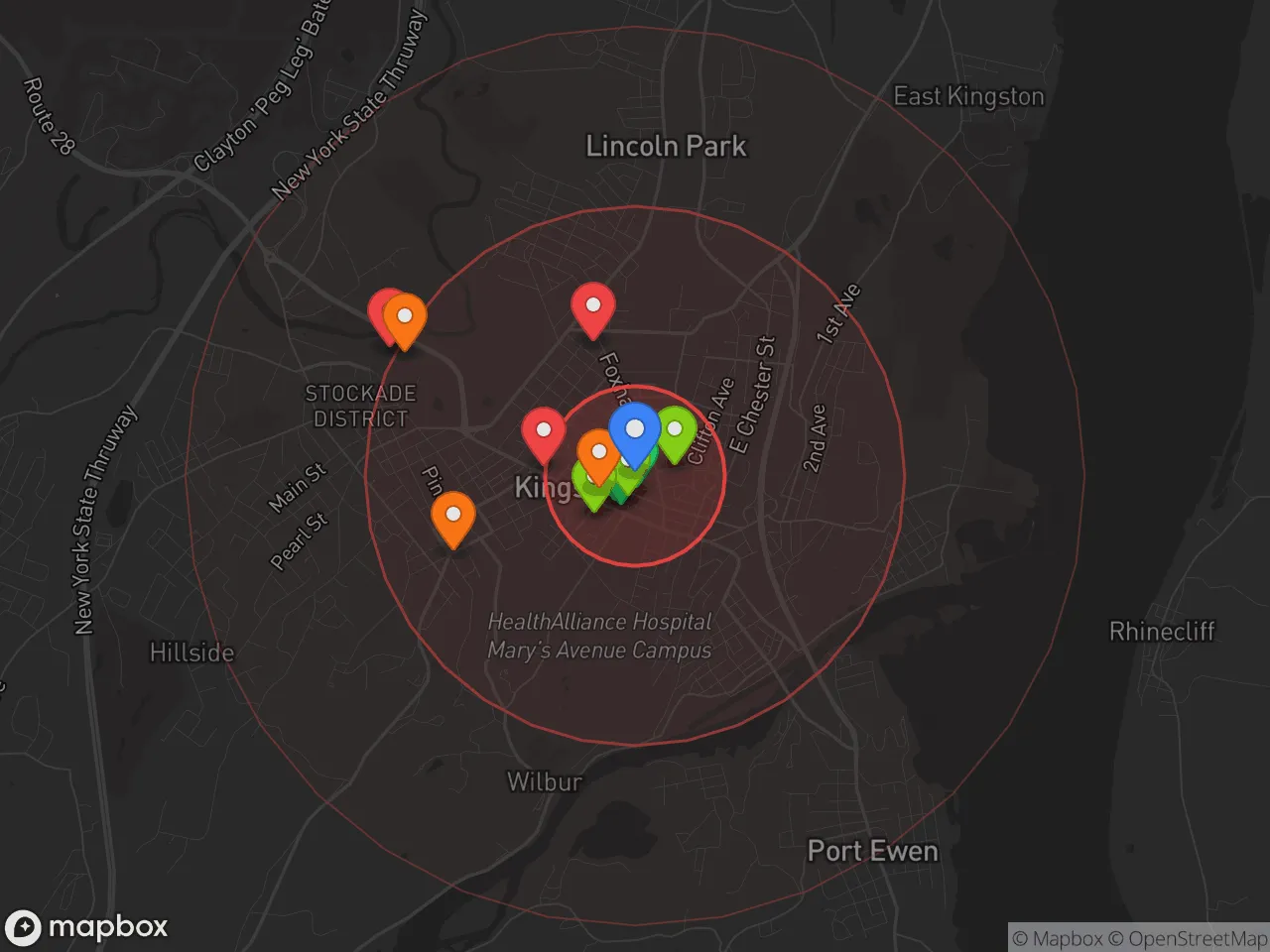
Hobbies
Explore the areaGroceries
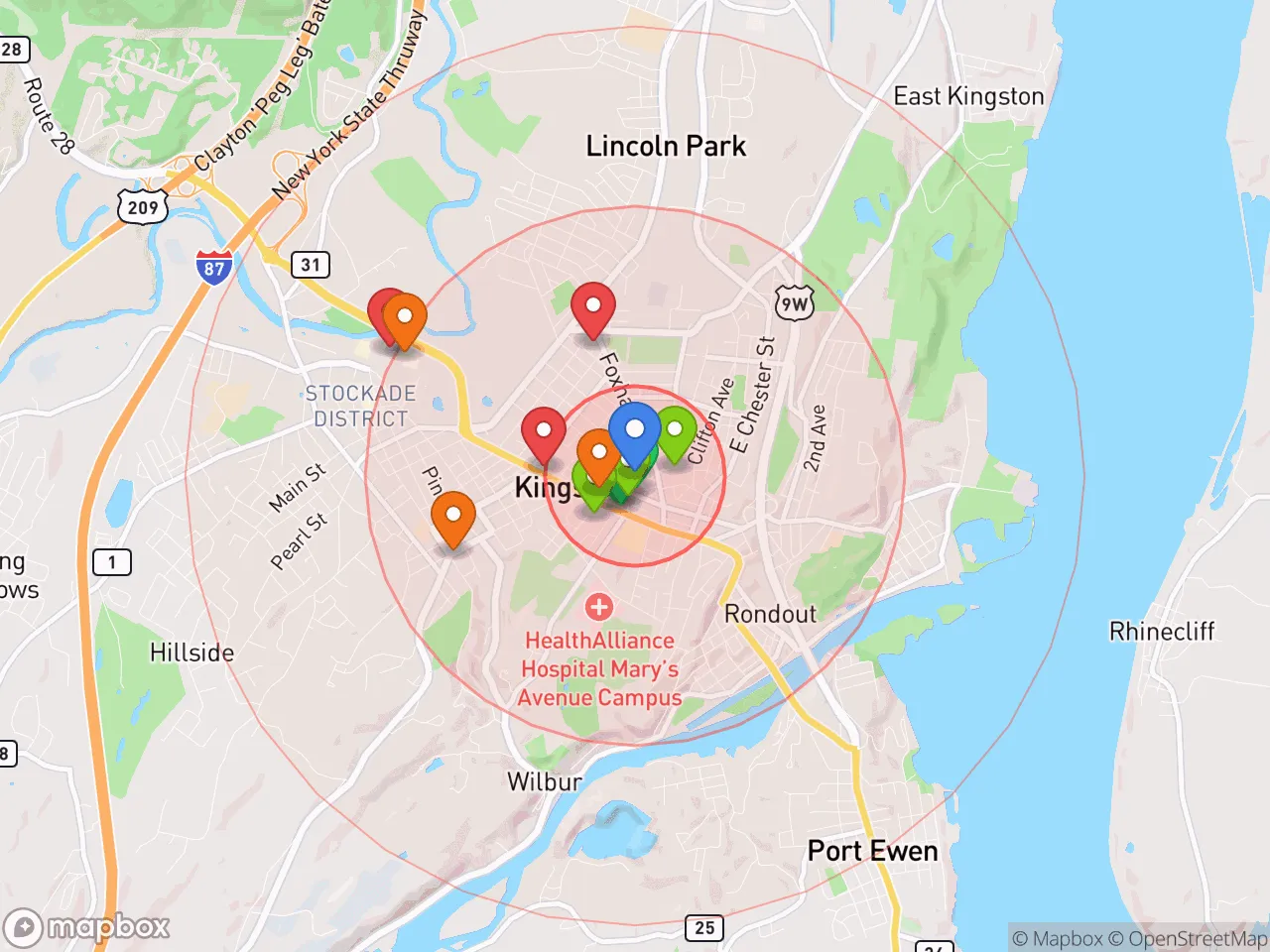
6 within 10 miles
Gas
20 within 10 miles
Hospital
6 within 20 miles
Airport
EWR — Newark Liberty International
Post Office
USPS — Kingston, NY
Critical Amenities
Quality-of-Life Analysis
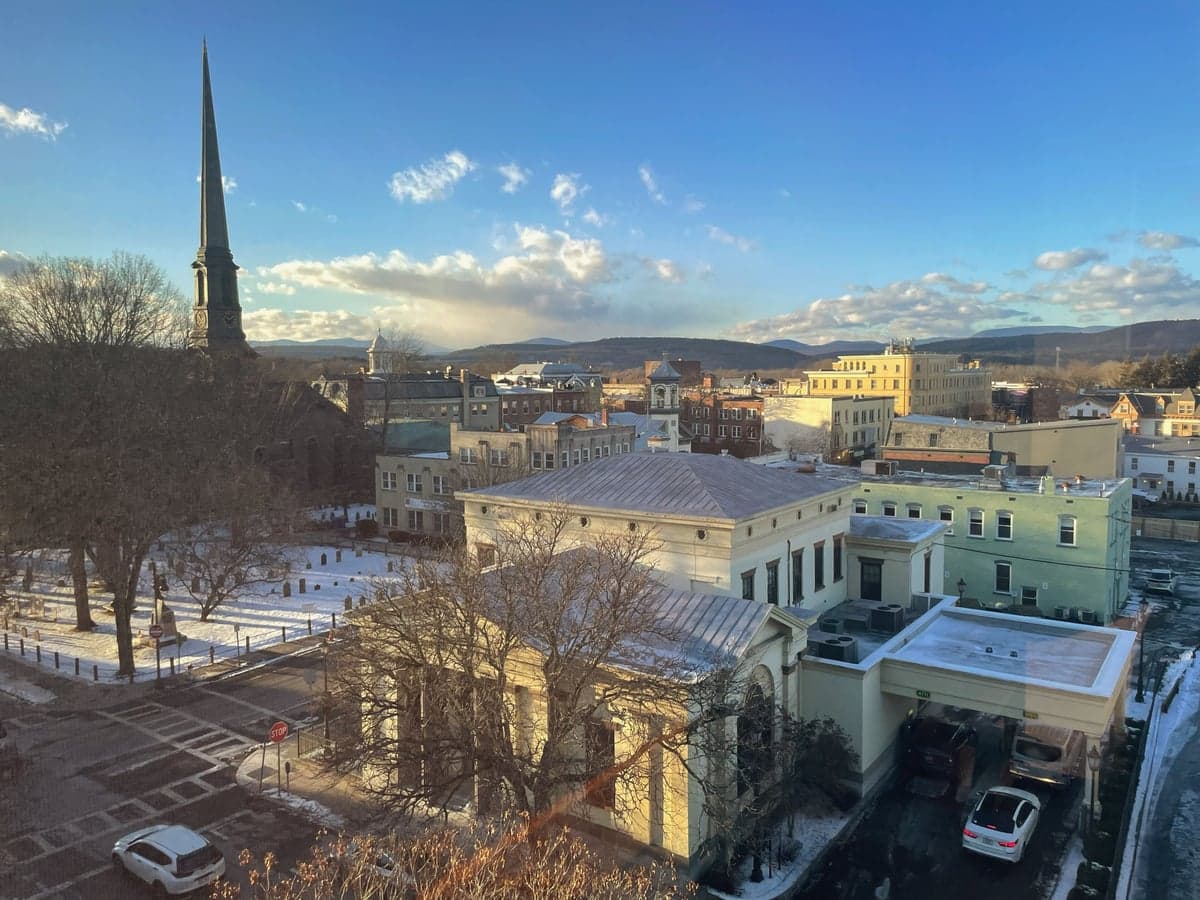
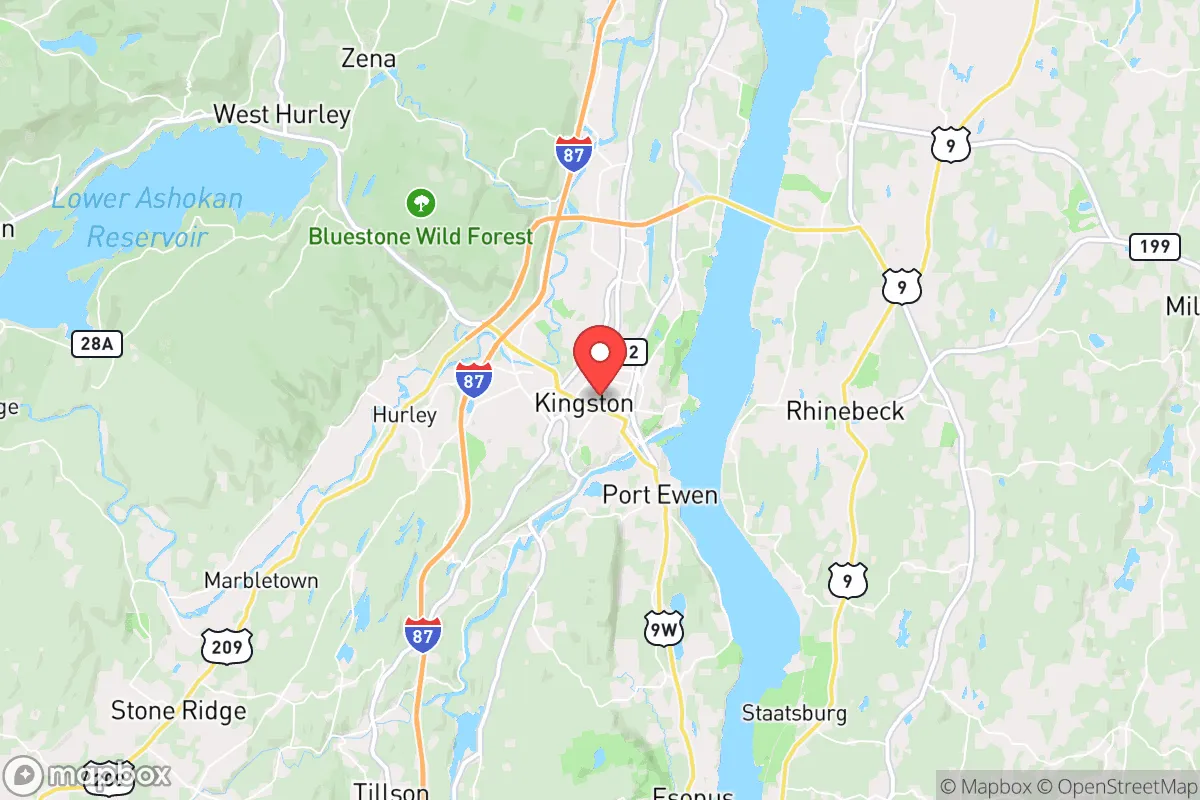
Kingston, New York, presents a distinctive quality-of-life profile shaped by its position as an affordable alternative to the Hudson Valley's pricier enclaves while retaining a walkable, historic urban core. The city attracts a mix of long-term residents, artists, remote workers, and families priced out of Rhinebeck or Woodstock, creating a community that values cultural authenticity over suburban uniformity. With a cost-of-living index of 108 (8% above the national average), Kingston offers a middle ground between the high costs of New York City suburbs and the lower expenses of upstate rural areas.
Cost of living, housing costs, and affordability compared to nearby towns
Kingston's housing market remains notably more accessible than neighboring Hudson Valley communities. The median home value of $277,900 sits well below Rhinebeck's median of roughly $450,000 and Woodstock's $400,000-plus range, making Kingston a practical entry point for buyers. Median rent of $1,323 undercuts the regional average by about 15%, though it has risen steadily since 2020 as demand from downstate transplants increases. The average commute of 23.3 minutes is shorter than the national average of 27 minutes, reflecting Kingston's role as a local employment hub rather than a pure bedroom community. Property taxes in Ulster County are high—roughly 2.5% of assessed value—which offsets some of the home-price advantage compared to lower-tax states like Florida or Texas. For renters, the market is tight, with vacancy rates below 3% in 2025, so securing a lease often requires quick action.
Local amenities, schools, and what daily life feels like
Daily life in Kingston revolves around three distinct districts: the historic Stockade District (Uptown) with its 18th-century stone houses and independent shops, the waterfront Rondout (Downtown) with restaurants and the Hudson River Maritime Museum, and the Midtown corridor, which is undergoing revitalization around the Kingston Plaza and the former IBM site. The Kingston City School District serves roughly 6,500 students, with Kingston High School offering the International Baccalaureate program—a draw for academically oriented families. For groceries and errands, residents rely on the Kingston Plaza's Hannaford and Target, while farmers' markets operate year-round in Uptown and Downtown. The city's walkability scores vary: Uptown and Downtown earn Walk Scores above 70, but most residential neighborhoods require a car. The nearby Catskill Mountains provide hiking at Overlook Mountain and skiing at Hunter Mountain, both within a 40-minute drive. Cultural amenities include the Ulster Performing Arts Center, the Kingston Artists' Soapbox Derby, and the annual O+ Festival, which connects musicians with healthcare providers.
Kingston best suits individuals and families who value historic character, walkable neighborhoods, and cultural vibrancy over suburban convenience or low taxes. Remote workers and creatives will appreciate the relatively affordable housing and the presence of co-working spaces like the Kingston Tech Hub. Families should weigh the school district's mixed state rankings—Kingston High School's graduation rate of 82% trails the state average of 87%—against the benefits of a diverse, small-city environment. Retirees on fixed incomes may find property taxes challenging but can benefit from the city's senior services and proximity to Kingston Hospital. Those seeking a quiet, low-cost rural lifestyle should look farther north or west; Kingston's appeal lies in its active downtowns and steady influx of new residents, which keeps the city dynamic but also competitive in housing.

Crime in Kingston, NY
Generally safer than 56% of comparable U.S. locations.
Violent CrimeViolent Crime Analysis
Property CrimeProperty Crime Analysis
Crime Analysis
Kingston, New York, presents a crime profile that warrants careful consideration for potential residents. The city's violent crime rate stands at 331.5 incidents per 100,000 residents, while property crime occurs at a rate of 1,323.4 per 100,000. These figures place Kingston in a category where safety concerns are a legitimate factor in relocation decisions, particularly given the broader context of progressive criminal justice policies in Ulster County that can influence enforcement and prosecution outcomes.
Crime in context
Kingston's violent crime rate of 331.5 per 100,000 is notably higher than the national average of approximately 380 per 100,000, but it significantly exceeds the New York state average of roughly 200 per 100,000. The property crime rate of 1,323.4 per 100,000 is also elevated compared to the state average of around 1,100 per 100,000. These statistics reflect a community where crime is a tangible issue, not an abstract risk. The presence of progressive district attorneys and judges in Ulster County has been associated with policies emphasizing diversion and reduced incarceration, which critics argue can lead to higher recidivism and more criminals remaining on the street. This judicial philosophy, while intended to address root causes of crime, directly impacts public safety by potentially reducing the deterrent effect of prosecution and the length of time offenders are removed from the community.
What residents experience
Residents of Kingston frequently report property crimes such as vehicle break-ins, theft from porches, and burglary as the most common safety nuisances. The city's layout, with its historic districts and mixed-use neighborhoods, means that petty crime can occur in both residential and commercial areas. Violent crime, while less frequent, includes incidents of assault and robbery that are often concentrated in specific areas. The progressive approach to criminal justice in the region means that offenders convicted of property crimes may face lighter sentences or alternative programs, which can create a perception of impunity among repeat offenders. For families and individuals, this translates into a need for heightened vigilance—locking vehicles, securing packages, and avoiding certain areas after dark. The overall safety experience is one of cautious awareness rather than constant fear, but the data and policy environment suggest that crime is a persistent challenge rather than an anomaly.
Neighborhood-level variation
Safety in Kingston is not uniform across the city. The Uptown (Stockade District) and Midtown areas experience higher rates of both property and violent crime, with Midtown particularly affected due to its density and socioeconomic challenges. The Downtown (Rondout) area sees more property crime linked to tourism and nightlife, while the more suburban neighborhoods on the outskirts, such as parts of the Town of Ulster adjacent to Kingston, report lower crime rates. Neighborhoods with stronger community watch programs and better lighting tend to have fewer incidents, but the overarching influence of county-level progressive policies means that even safer areas are not immune to spillover crime from higher-crime zones. Prospective residents should research specific blocks and consider proximity to known problem areas when choosing a home.
* Values derived from national, state, county, city and local statistics and may differ in a specific area. Last updated: 2026-05-01T23:59:33.000Z
Narrative content on this page is AI-generated and may contain mistakes. Verify any details that matter before acting on them.
ReloMaps may earn a commission from affiliate links at no extra cost to you.

