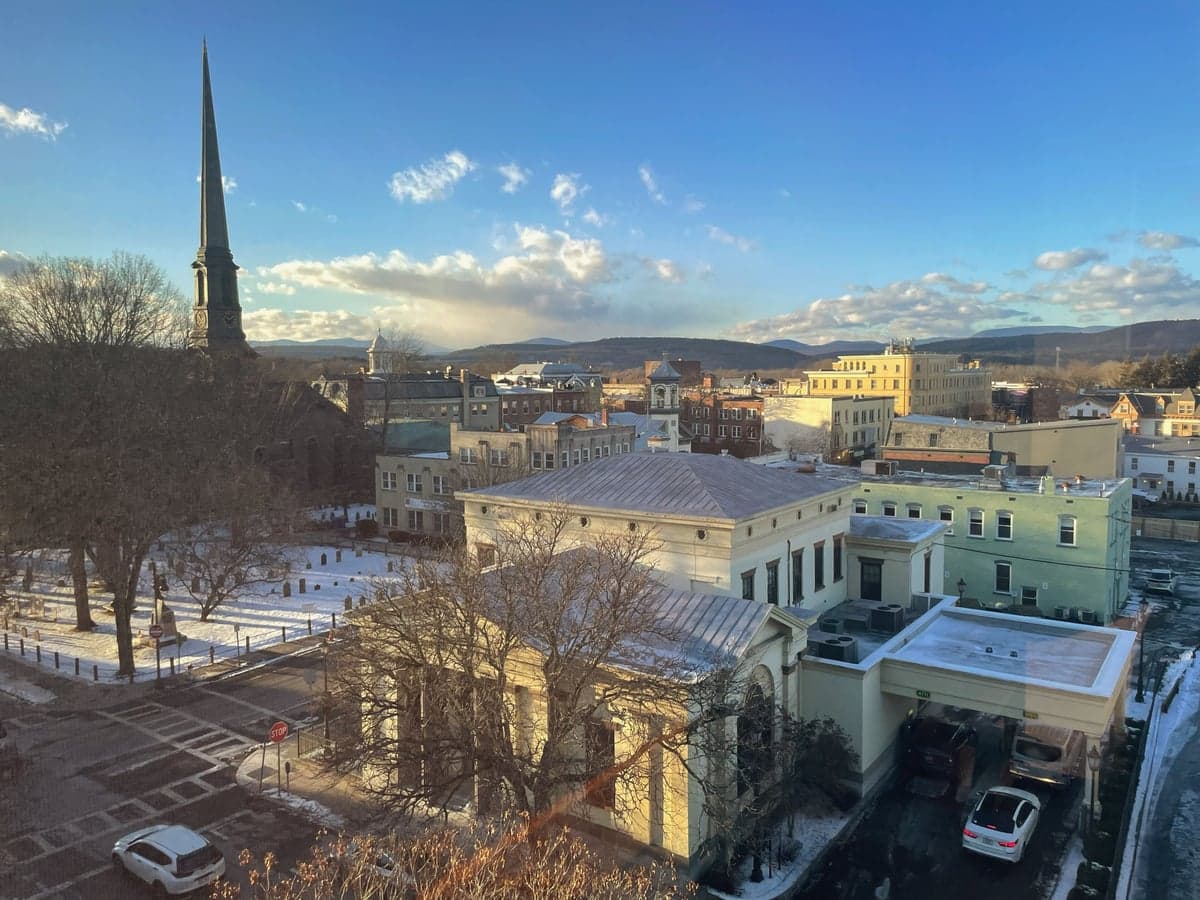
Photo: Wikipedia
Strategic Assessment of Kingston, NY
Multiple tactical vulnerabilities. Population density, target proximity, or disaster risk are likely compounding. A retreat property and exit planning is required.
What does the Strategic Assessment tell us?
Our Strategic Assessment grades tactical survivability of an area. Major population centers, military targets, fallout zones, natural disasters, and border exposure all drive risk — lower exposure means a more defensible position in a crisis.
This is heavily inspired by Joel Skousen's Strategic Relocation book. Highly recommended you checkout the book ($)What does this tell us?
Our Strategic Assessment grades tactical survivability of an area. Major population centers, military targets, fallout zones, natural disasters, and border exposure all drive risk — lower exposure means a more defensible position in a crisis.
This is heavily inspired by Joel Skousen's Strategic Relocation book. Highly recommended you checkout the book ($)Strategic Pillars

Key Distances
Regional Safe Places
Below is our recommended "safe zones" in New York and the surrounding area based on our strategic heuristics. For most people, it's unrealistic to live in a “safe zone” full-time due to work, family or other personal reasons. They tend to be more rural. However, many of these areas are perfect for second homes and retreat properties that double as a vacation home or even a short-term rental.
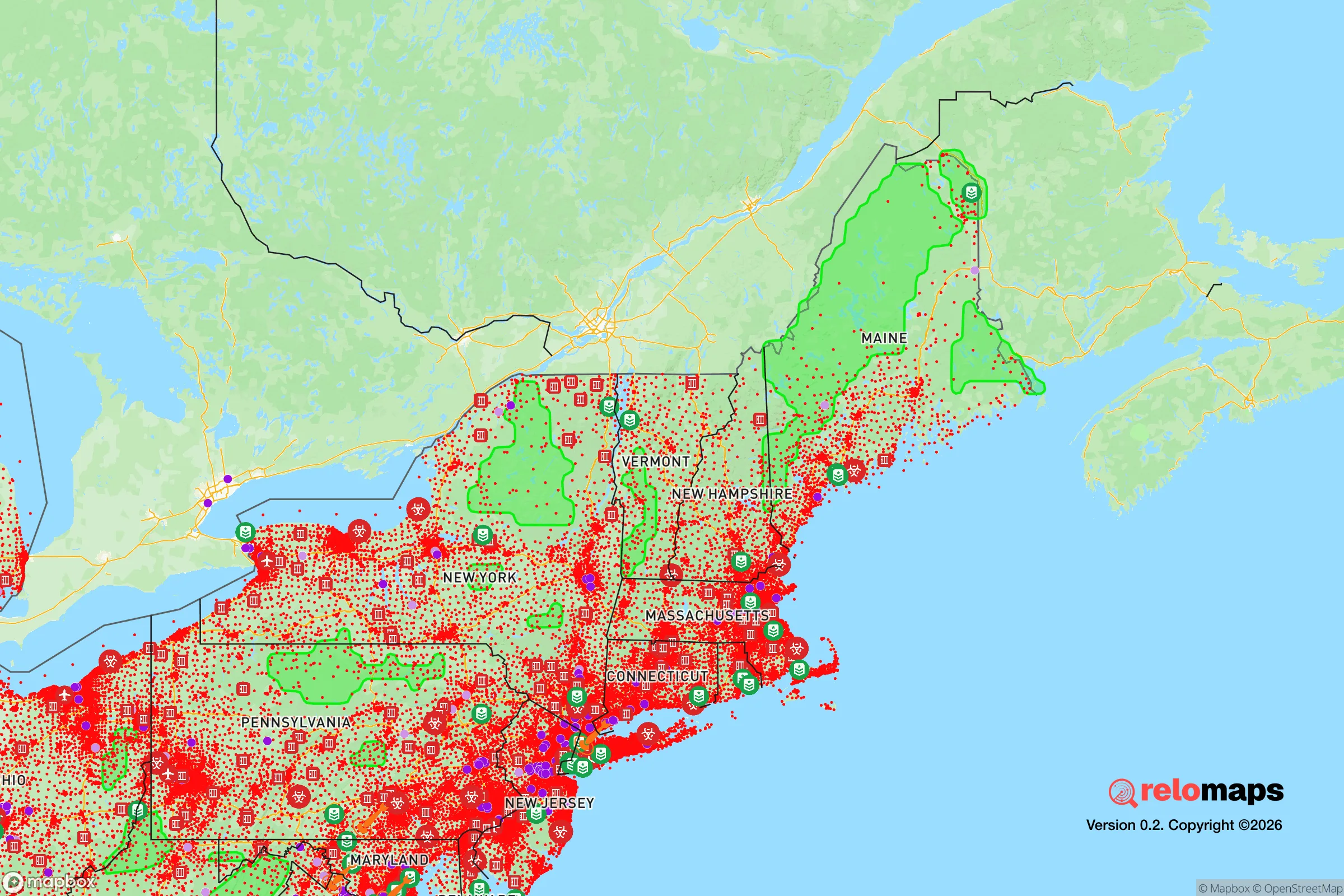
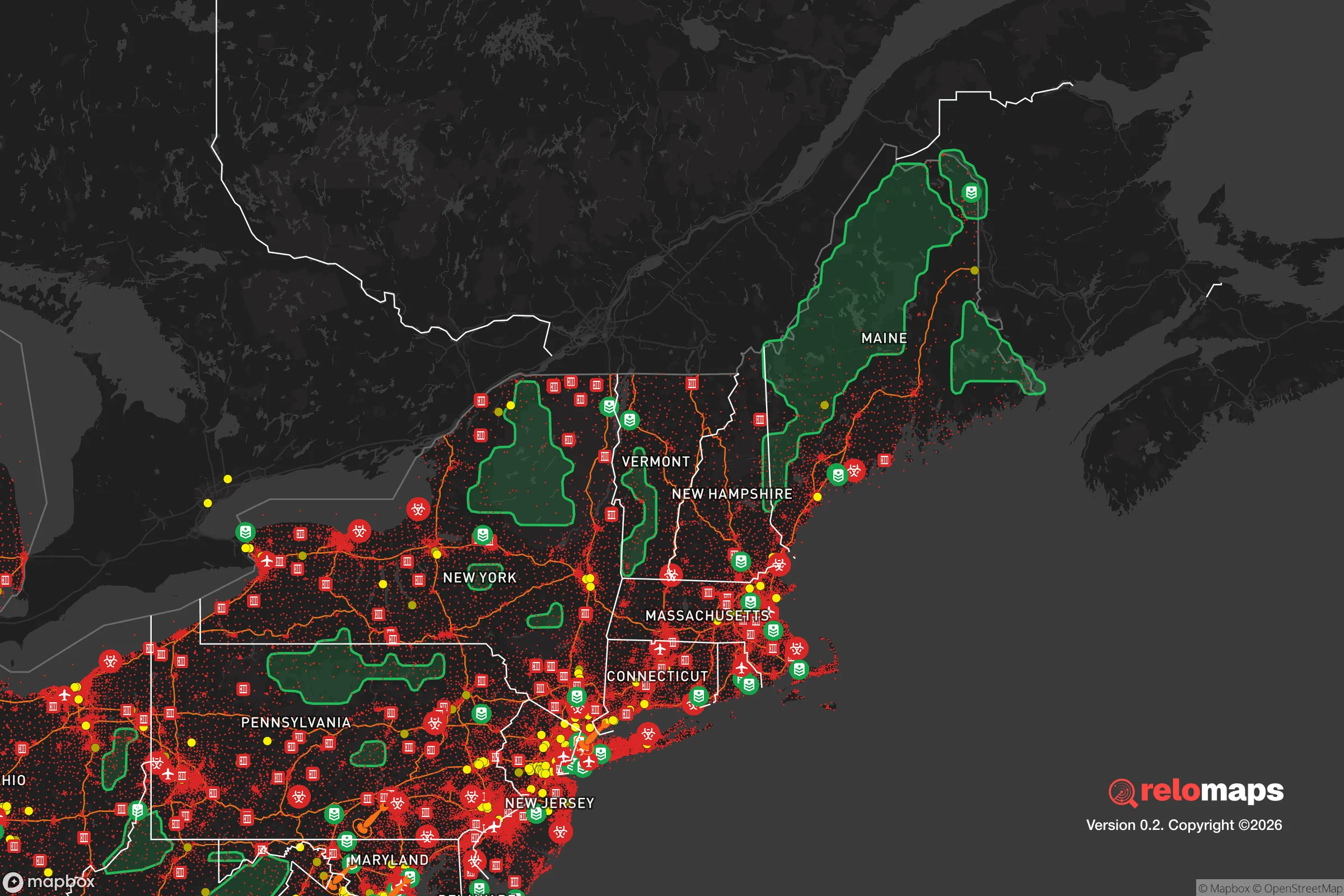


Important Note: For informational purposes only. This does not mean nothing bad ever happens in the green zones. Please use common sense. This is based on public data and modeled with AI. We tried to take a conservative approach but mistakes happen. We update this regularly as new information becomes available.
Solar Generator Recommendations
Backup power matters more here than in safer locations. We've picked three solar generators across budgets and capacity tiers — start with the budget unit if you only need a few essentials, or step up if you want to run a fridge and HVAC for days at a time.

Jackery Portable Power Station Explorer 300
Budget OptionPower on the Go: Weighing only 11 lbs, it's convenient to set up and store with book-sized foldable solar panels

BLUETTI Portable Power Station AC180
Designed for both indoor and outdoor scenarios, AC180 is highly capable as it has a robost capacity and continuous output power.

EF ECOFLOW DELTA Pro Ultra Power Station
Upgraded PickEcoFlow DELTA Pro Ultra is a whole-home energy system designed to grow with your family. Integrated with the Smart Home Panel 2, it scales to meet your evolving energy needs — keeping your home powered, intelligent, and secure through every stage of life.
We earn a commission, at no additional cost to you.
Strategic Assessment Analysis
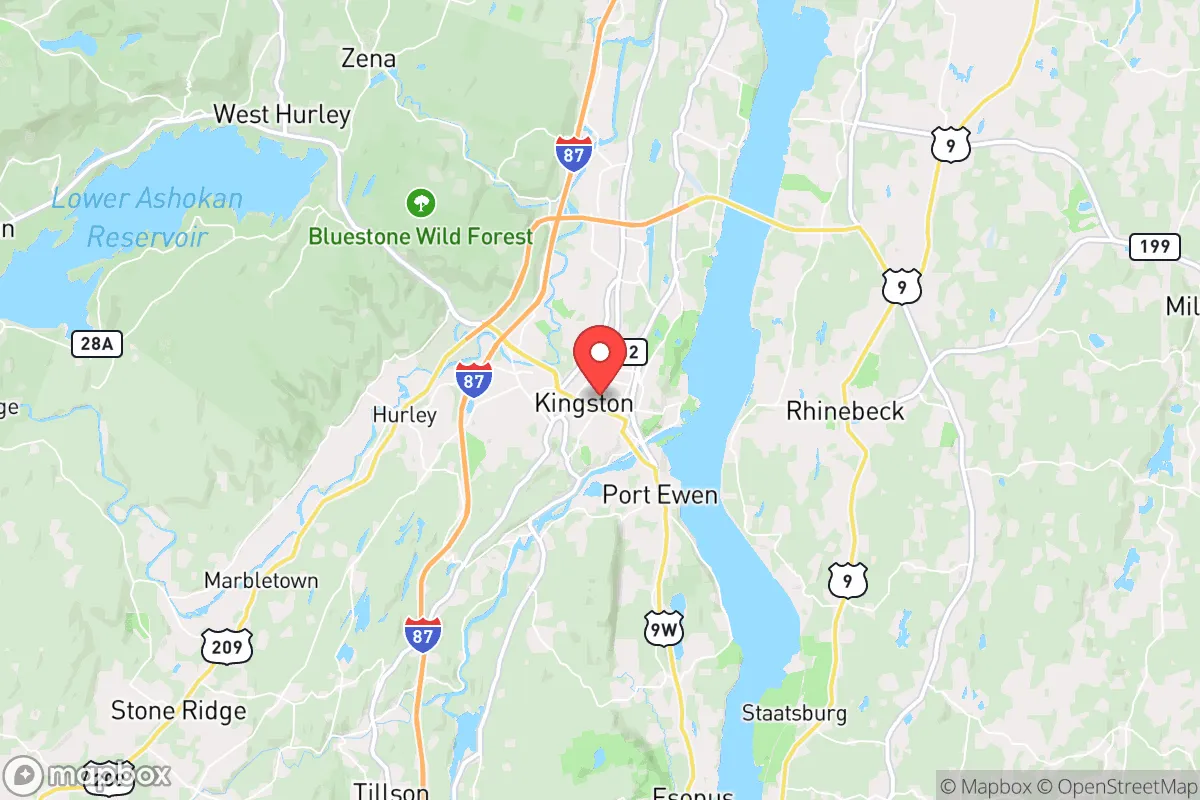
Kingston, New York, offers a surprisingly resilient position for those prioritizing strategic relocation, balancing proximity to critical infrastructure with a buffer from the most acute risks of major metropolitan collapse. Situated roughly 90 miles north of New York City and 50 miles south of Albany, this Hudson Valley city sits in a geographic sweet spot—close enough to access resources and markets, yet far enough to avoid the immediate blast radius of a major urban crisis. The city’s historic role as the state’s first capital and its current status as the Ulster County seat provide a functional government and emergency services backbone, while the surrounding terrain offers natural defensibility and resource access that many suburban or coastal areas lack.
Geographic position and natural advantages for long-term security
Kingston’s location along the Hudson River, at the mouth of the Rondout Creek, provides a dual advantage: water access for transport and a natural barrier against easy overland approach from the east. The city is flanked by the Catskill Mountains to the west and the Shawangunk Ridge to the southwest, creating a bowl-like topography that channels movement and limits surprise incursions. This terrain makes Kingston a natural choke point—any force moving north from the New York City metro area must pass through the narrow Hudson Valley corridor, which can be monitored and, if necessary, contested. The city’s elevation, ranging from 50 to 200 feet above sea level, keeps it above most flood zones while still benefiting from the river’s moderating effect on temperature extremes. The surrounding forests and farmland, particularly in Ulster and Greene counties, provide a renewable resource base for timber, game, and agriculture that is rare in the Northeast’s more developed corridors. For a relocator, this means a defensible position with multiple egress routes—Route 9W, the New York State Thruway (I-87), and the Kingston-Rhinecliff Bridge—allowing for evacuation or resupply without single-point-of-failure dependence.
Risks, exposures, and proximity to fallout-relevant landmarks
The primary strategic liability for Kingston is its proximity to the New York City metro area, a dense population center of over 20 million people that would become a humanitarian and security nightmare in any major crisis. A mass casualty event—whether from a pandemic, economic collapse, or terrorist action—would send waves of refugees north along the Thruway and commuter rail lines, potentially overwhelming Kingston’s infrastructure within 48 hours. The city sits roughly 90 miles from the Indian Point nuclear facility (now decommissioned but still containing spent fuel), and within 120 miles of the New York City ports, which are prime targets for maritime or radiological attacks. Additionally, the Albany area, with its state government and National Guard headquarters, is a likely secondary target, placing Kingston in a potential crossfire zone between two high-value objectives. The Hudson River itself is a vulnerability—a single bridge failure (the Kingston-Rhinecliff or the nearby Rip Van Winkle Bridge) could cut off eastern escape routes, while the river’s navigability makes it a vector for waterborne threats. For the prepper, these risks are manageable but require a layered defense: a rural retreat west of the Catskills or north toward the Adirondacks is advisable as a secondary position, with Kingston serving as a forward operating base for intelligence and supply runs.
Practical resilience for a relocator: food, water, energy, and defensibility
Kingston’s practical resilience is solid but not exceptional, requiring deliberate preparation from any relocator. The city draws its municipal water from the Cooper Lake and the Catskill Aqueduct system, which is gravity-fed and less vulnerable to power outages than pumped systems—a significant advantage. However, the aqueduct’s length (over 100 miles) and its exposure to sabotage mean that a well or spring on private property is a must for long-term independence. The local food economy is robust: Ulster County has over 1,200 farms, including the Kingston Farmers’ Market (one of the oldest in the state), and the Hudson Valley is a major producer of apples, dairy, and poultry. For a family, this means you can stockpile from local sources without relying on national supply chains, but you’ll need to build relationships with growers before a crisis hits. Energy infrastructure is a mixed bag: Central Hudson Gas & Electric serves the area, and the grid is moderately reliable, but winter ice storms and summer heat waves cause periodic outages. Solar panels with battery storage are a wise investment, as the region gets 200+ sunny days per year and net metering is available. Defensibility is where Kingston shines—the historic Stockade District, with its stone buildings and narrow streets, offers a natural redoubt, while the surrounding hills provide observation points. The city’s population of roughly 23,000 is small enough to know your neighbors but large enough to maintain a tax base for police and fire services. For a single individual, a secure apartment in the Uptown area with a vehicle capable of off-road travel is viable; for a family, a property with acreage in the nearby towns of Woodstock or Saugerties offers better buffer and self-sufficiency.
The overall strategic picture for Kingston is one of cautious optimism for the prepared relocator. It is not a fortress—its proximity to New York City and Albany means it will feel the shockwaves of any national crisis, and its reliance on the Thruway for resupply is a single point of failure. But for those willing to invest in water storage, solar power, and a secondary retreat in the Catskills, Kingston offers a rare combination of historical infrastructure, natural barriers, and community cohesion that is increasingly hard to find in the Northeast. The city’s political leanings are reliably blue, which may be a cultural friction point for conservative-leaning individuals, but the practical reality is that local governance here is competent and the population is not hostile to self-reliance—many residents already garden, hunt, and heat with wood. In a world where the grid is fragile, the cities are tinderboxes, and the federal response is uncertain, Kingston stands as a viable forward position: close enough to the action to know what’s coming, far enough to have time to react, and rugged enough to hold the line until the dust settles.

* Values derived from national, state, county, city and local statistics and may differ in a specific area. Last updated: 2026-05-01T23:59:33.000Z
Narrative content on this page is AI-generated and may contain mistakes. Verify any details that matter before acting on them.
ReloMaps may earn a commission from affiliate links at no extra cost to you.

