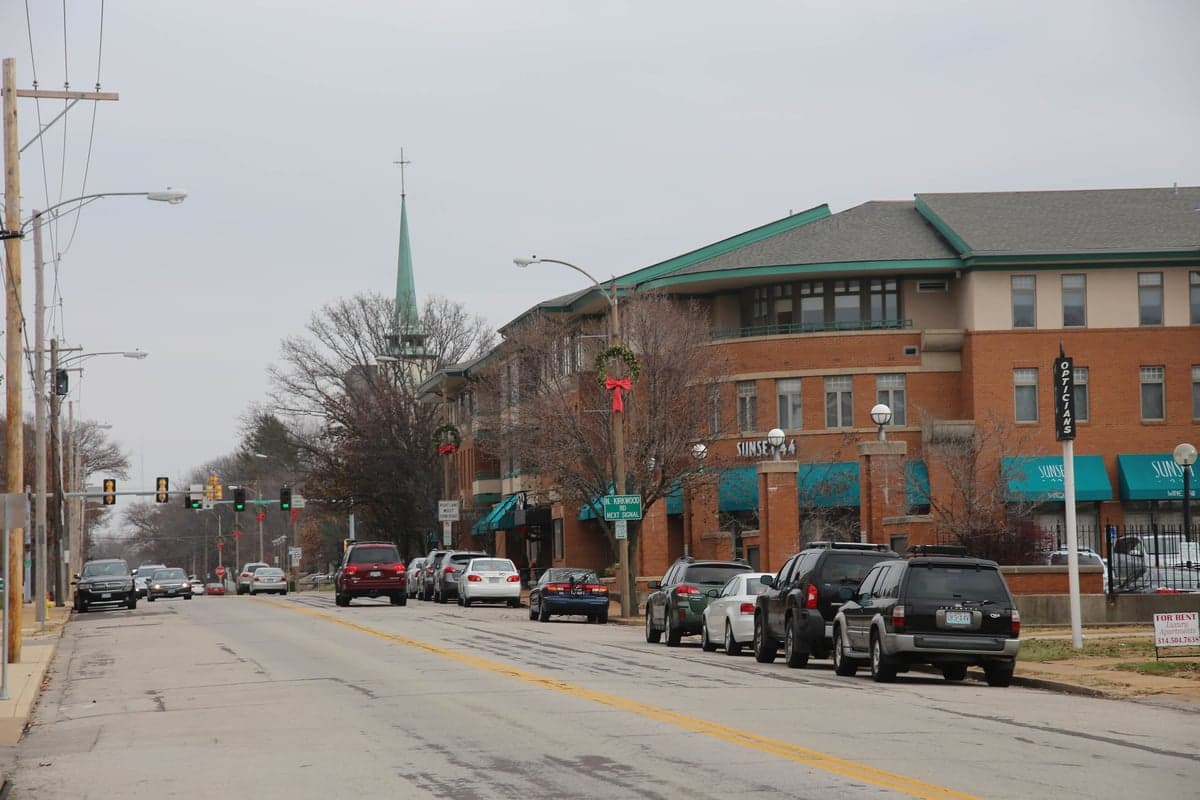
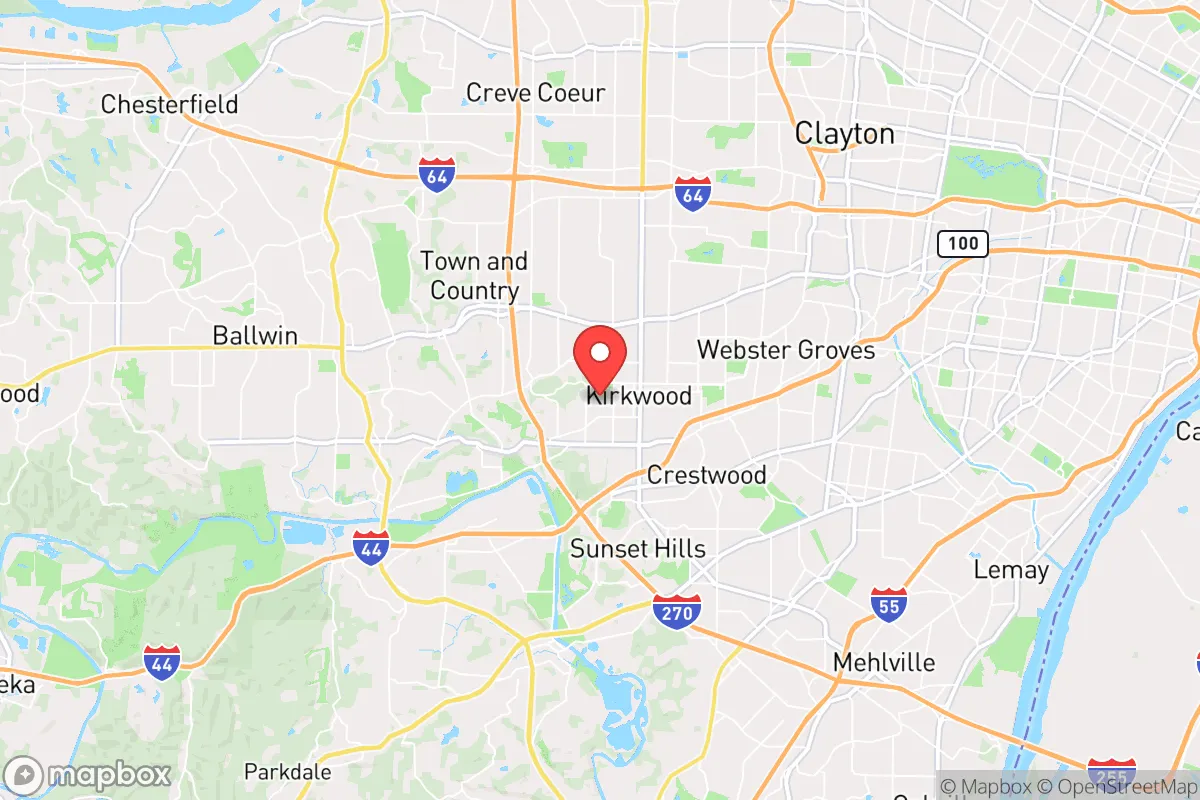
Photo: Wikipedia
Quality of Life in Kirkwood, MO
A high quality of life with strong walkability, manageable living costs, healthy neighborhood signals, and solid amenity access.
What does Quality of Life tell us?
Quality of Life blends cost of living, nearby amenities, socioeconomic signals, and neighborhood character. City-level scores represent the whole municipality; individual neighborhoods can differ.
What does this tell us?
Quality of Life blends cost of living, nearby amenities, socioeconomic signals, and neighborhood character. City-level scores represent the whole municipality; individual neighborhoods can differ.
Cost of Living
27% above national average
The Real Cost of Living in Kirkwood, MO for 2026
| Tier | Individual | Family (4) |
|---|---|---|
| Survival | $21k | $39k |
| Comfortable | $82k | $120k |
| Luxury | $208k+ | $322k+ |
| Elite (Top 5%) | $244k+ | $379k+ |
98%
The Area Signal
A metric tracking the socioeconomic signals of the area.
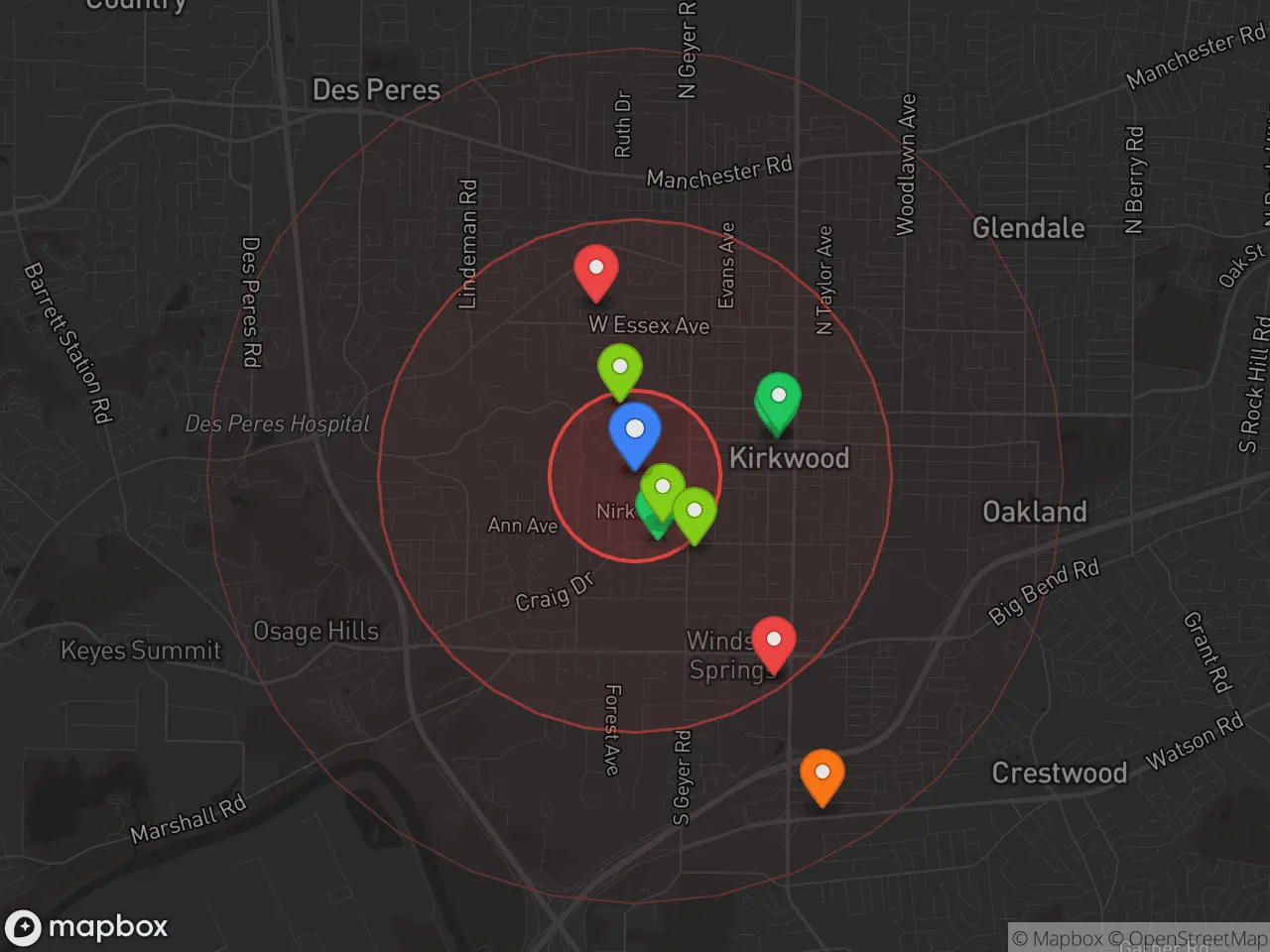
Hobbies
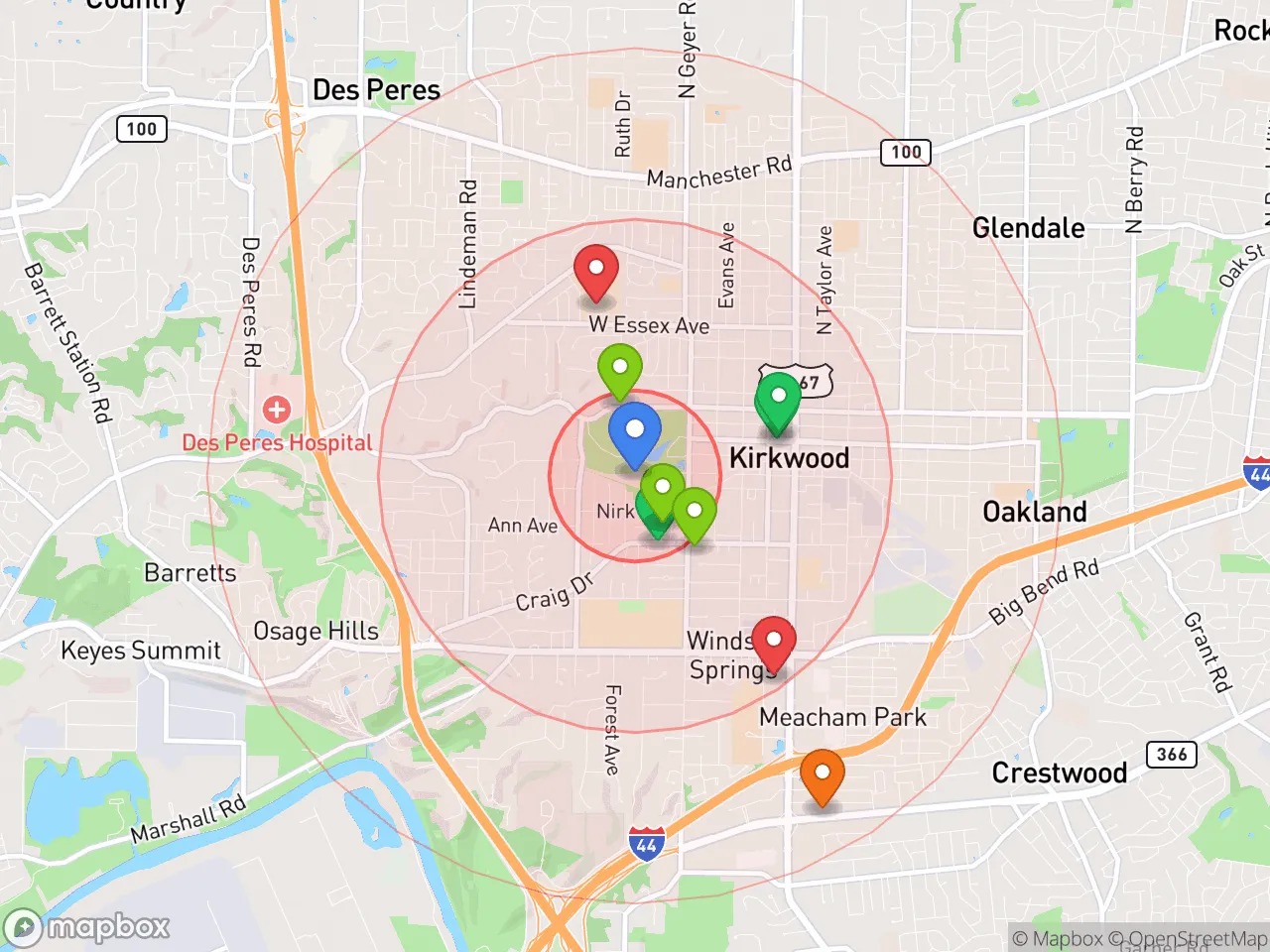
Explore the areaGroceries
5 within 10 miles
Gas
20 within 10 miles
Hospital
20 within 20 miles
Airport
Indianapolis International Airport
Post Office
USPS — Kirkwood, MO
Critical Amenities
Quality-of-Life Analysis
Kirkwood, Missouri, is an affluent inner-ring suburb of St. Louis where the median home value of $421,500 and a cost of living index of 127 (27% above the U.S. average) signal a community built around established wealth, professional careers, and long-term residency. The population skews toward families and empty-nesters who prioritize top-rated public schools, historic architecture, and a walkable downtown over the lower housing costs found in more distant exurbs. This is not a transient or budget-driven relocation market; it attracts buyers willing to pay a premium for a proven, amenity-rich suburban lifestyle within a 22-minute average commute to downtown St. Louis.
Cost of living, housing market, and affordability compared to nearby suburbs
Kirkwood’s cost of living index of 127 is notably higher than the national average but sits in the middle of St. Louis’s priciest inner-ring suburbs — roughly on par with Webster Groves (index ~125) and below Ladue (index ~150+). The median home value of $421,500 is more than double the St. Louis metro median of roughly $220,000, reflecting Kirkwood’s historic housing stock, large lots, and lack of new construction. Renters face a median rent of $1,293, which is competitive for the area but still about 15% above the metro average. Property taxes in St. Louis County average around 1.1% of assessed value, meaning a $421,500 home carries an annual tax bill near $4,600 — a significant but expected cost for the school district quality. For buyers comparing Kirkwood to cheaper suburbs like Fenton or Arnold, the trade-off is clear: higher purchase prices and taxes in exchange for a walkable downtown, a nationally ranked school system, and a 21.7-minute average commute that undercuts many outer-ring alternatives by 10–15 minutes.
Local amenities, school reputation, and what daily life feels like
Daily life in Kirkwood revolves around its compact, pedestrian-friendly downtown centered on Kirkwood Road and Argonne Drive, where locally owned restaurants, a historic train station, and the Kirkwood Farmers Market (open May–October) create a small-town feel within a metro area. The Kirkwood School District (R-7) is the primary draw for relocating families: it consistently ranks among Missouri’s top 5% of districts, with North Kirkwood Middle School and Kirkwood High School both earning National Blue Ribbon designations. The district’s per-pupil spending exceeds $14,000, supported by local property taxes. Outdoor amenities include Kirkwood Park (a 78-acre facility with a pool, ice rink, and sports fields) and the nearby 1,300-acre Powder Valley Conservation Nature Center. The average commute of 21.7 minutes places Kirkwood within easy reach of downtown St. Louis employers (BJC HealthCare, Washington University, Enterprise Holdings) while avoiding the 35–45 minute drives common in St. Charles County. The trade-off is limited nightlife and a housing stock that rarely turns over, making inventory tight for newcomers.
Kirkwood is best suited for professionals and families who value school quality, historic character, and a short commute over raw affordability or new construction. Empty-nesters and retirees also find the walkable downtown and low crime rates appealing, though the high property taxes and home prices can be a barrier for younger buyers. Renters on a median budget of $1,293 will find limited options in single-family homes but reasonable availability in duplexes and apartments near downtown. For anyone seeking a St. Louis suburb with a proven track record in education, a strong sense of place, and a commute under 25 minutes, Kirkwood remains a top-tier choice — provided the budget aligns with its premium pricing.

Crime in Kirkwood, MO
Lower crime rates than 78% of comparable U.S. locations.
Violent CrimeViolent Crime Analysis
Property CrimeProperty Crime Analysis
Crime Analysis
Kirkwood, Missouri, presents a mixed safety profile that requires careful scrutiny. While the city's violent crime rate of 146.7 incidents per 100,000 residents is notably lower than the national average, its property crime rate of 1,309.6 per 100,000 exceeds both state and national benchmarks. As a desirable St. Louis suburb, Kirkwood benefits from a dedicated police force, but its proximity to a major metropolitan area with well-documented progressive criminal justice policies introduces risks that potential residents should weigh seriously.
Crime in context
Kirkwood's violent crime rate is roughly half the U.S. average, placing it among safer communities for personal safety. However, the property crime rate is approximately 30% higher than the national figure and significantly above the Missouri state average. This disparity reflects a pattern seen in many affluent suburbs near large metro areas: property crimes like theft, burglary, and vehicle break-ins are often committed by individuals traveling from higher-crime urban centers. The St. Louis metropolitan region has experienced persistent challenges with progressive prosecution policies, including reduced bail requirements and lenient sentencing guidelines, which critics argue contribute to recidivism and embolden property criminals. For Kirkwood residents, this means that while violent confrontations are rare, the likelihood of experiencing a property crime is elevated compared to more conservative, rural areas of Missouri.
What residents experience
Daily life in Kirkwood for most residents involves a general sense of safety in public spaces, downtown areas, and parks during daylight hours. The city's police department maintains a visible presence and responsive community policing approach. However, residents frequently report concerns about car break-ins, package thefts, and occasional home burglaries, particularly in neighborhoods near major thoroughfares or the Kirkwood Commons shopping district. The progressive judicial environment in St. Louis County means that many property crime offenders face minimal consequences, often receiving probation or short sentences that allow them to return to the community quickly. This creates a revolving-door dynamic where the same individuals may commit multiple offenses before facing meaningful accountability. For families, this translates into practical precautions: securing vehicles, using home security systems, and remaining vigilant about suspicious activity, especially after dark.
Neighborhood-level variation in Kirkwood is notable. Areas west of Kirkwood Road (Lindbergh Boulevard) and closer to the Meramec River tend to experience fewer incidents, while neighborhoods adjacent to the Kirkwood Train Station and along the eastern edge near the St. Louis city limits see higher property crime volumes. The Meacham Park neighborhood, a historic area with lower median incomes, has historically reported more incidents than the affluent, tree-lined streets of the central historic district. Prospective residents should examine block-level crime maps and consider that even in Kirkwood's safest pockets, the spillover effects of regional progressive justice policies remain a persistent concern that demands ongoing vigilance.
* Values derived from national, state, county, city and local statistics and may differ in a specific area. Last updated: 2026-04-30T13:24:11.000Z
Narrative content on this page is AI-generated and may contain mistakes. Verify any details that matter before acting on them.
ReloMaps may earn a commission from affiliate links at no extra cost to you.

