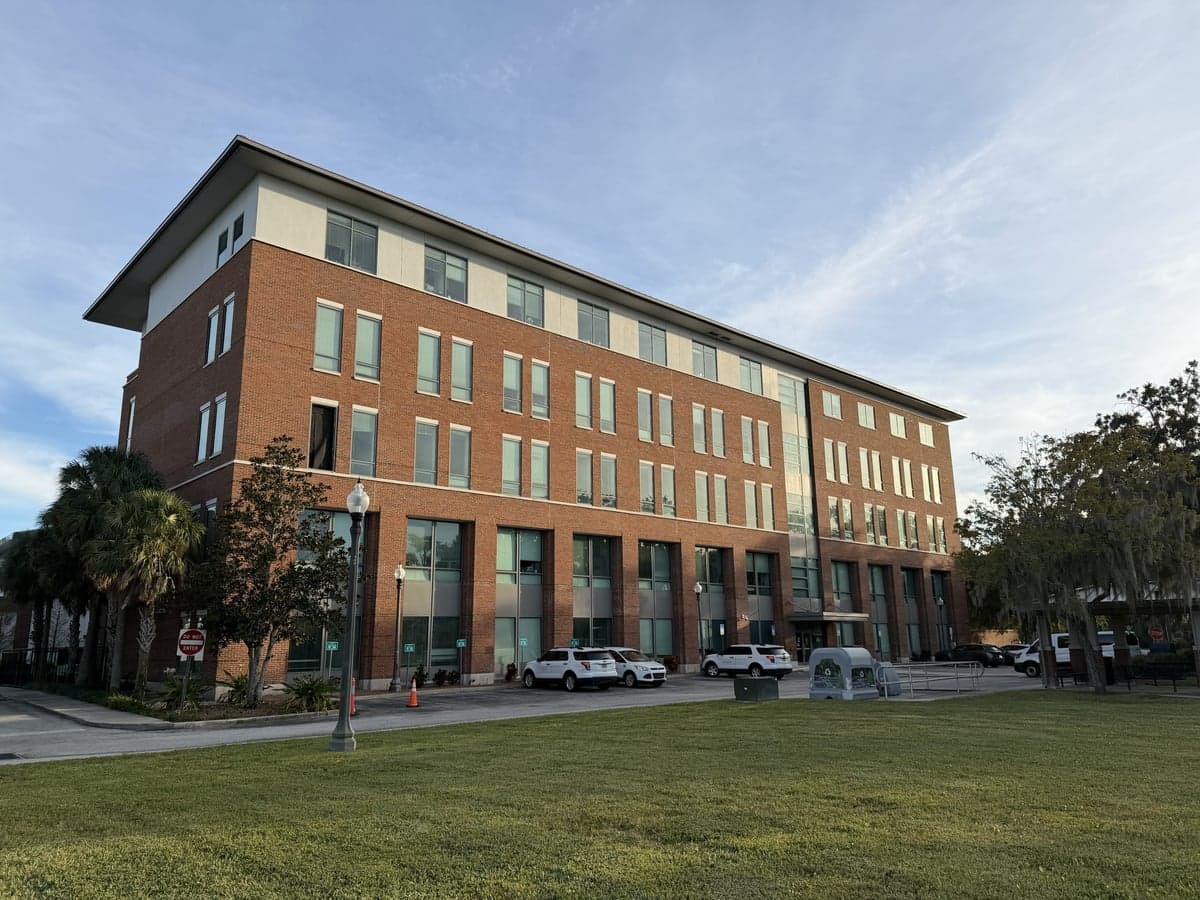
Photo: Wikipedia
Strategic Assessment of Kissimmee, FL
Multiple tactical vulnerabilities. Population density, target proximity, or disaster risk are likely compounding. A retreat property and exit planning is required.
What does the Strategic Assessment tell us?
Our Strategic Assessment grades tactical survivability of an area. Major population centers, military targets, fallout zones, natural disasters, and border exposure all drive risk — lower exposure means a more defensible position in a crisis.
This is heavily inspired by Joel Skousen's Strategic Relocation book. Highly recommended you checkout the book ($)What does this tell us?
Our Strategic Assessment grades tactical survivability of an area. Major population centers, military targets, fallout zones, natural disasters, and border exposure all drive risk — lower exposure means a more defensible position in a crisis.
This is heavily inspired by Joel Skousen's Strategic Relocation book. Highly recommended you checkout the book ($)Strategic Pillars

Key Distances
Regional Safe Places
Below is our recommended "safe zones" in Florida and the surrounding area based on our strategic heuristics. For most people, it's unrealistic to live in a “safe zone” full-time due to work, family or other personal reasons. They tend to be more rural. However, many of these areas are perfect for second homes and retreat properties that double as a vacation home or even a short-term rental.

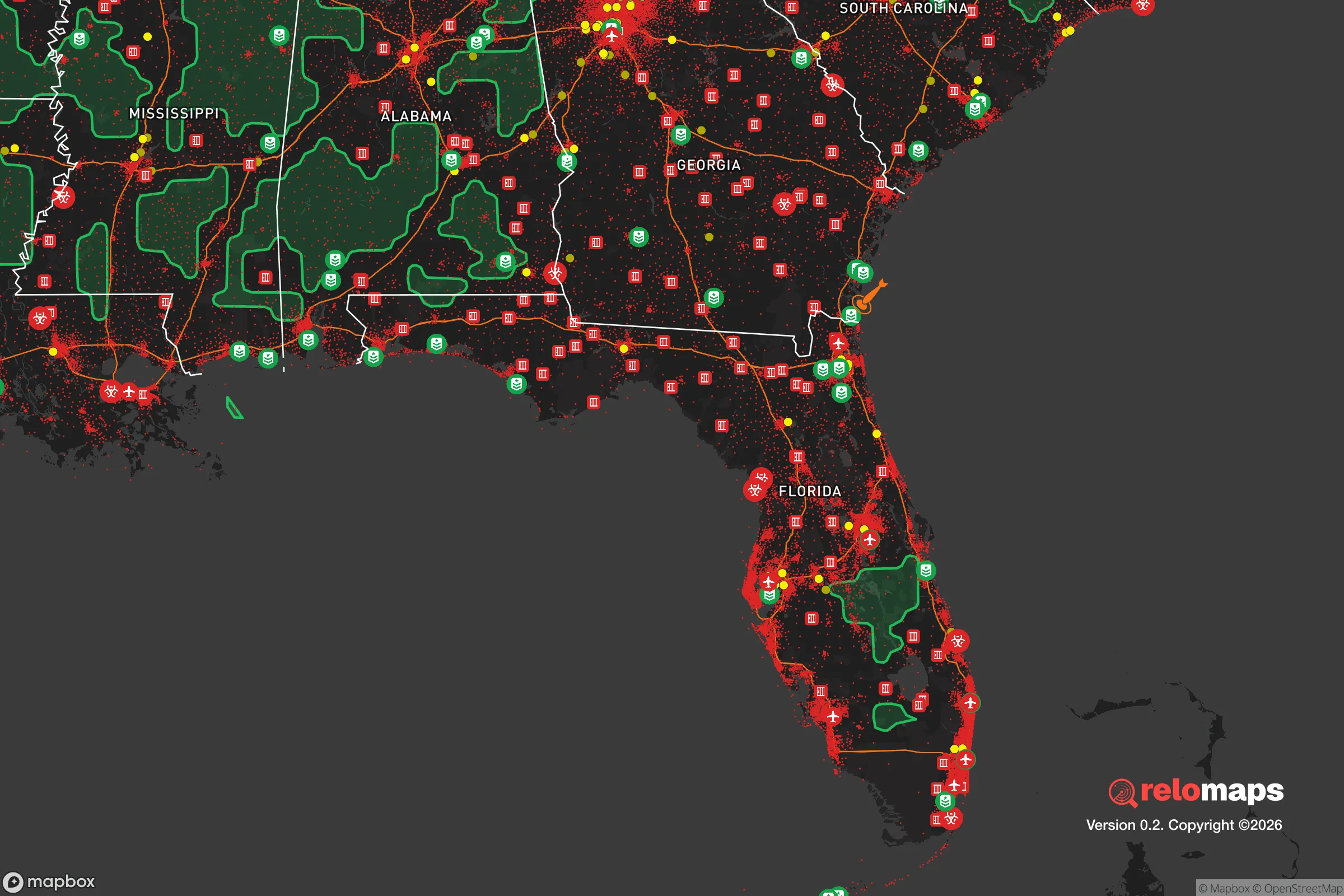


Important Note: For informational purposes only. This does not mean nothing bad ever happens in the green zones. Please use common sense. This is based on public data and modeled with AI. We tried to take a conservative approach but mistakes happen. We update this regularly as new information becomes available.
Solar Generator Recommendations
Backup power matters more here than in safer locations. We've picked three solar generators across budgets and capacity tiers — start with the budget unit if you only need a few essentials, or step up if you want to run a fridge and HVAC for days at a time.

Jackery Portable Power Station Explorer 300
Budget OptionPower on the Go: Weighing only 11 lbs, it's convenient to set up and store with book-sized foldable solar panels

BLUETTI Portable Power Station AC180
Designed for both indoor and outdoor scenarios, AC180 is highly capable as it has a robost capacity and continuous output power.

EF ECOFLOW DELTA Pro Ultra Power Station
Upgraded PickEcoFlow DELTA Pro Ultra is a whole-home energy system designed to grow with your family. Integrated with the Smart Home Panel 2, it scales to meet your evolving energy needs — keeping your home powered, intelligent, and secure through every stage of life.
We earn a commission, at no additional cost to you.
Strategic Assessment Analysis
Kissimmee, Florida, sits in a precarious strategic position that demands serious consideration for anyone prioritizing long-term resilience and self-sufficiency. While its location offers some natural advantages in terms of climate and access to resources, the area’s proximity to major population centers, tourist infrastructure, and potential fallout zones creates significant vulnerabilities for a prepper or survivalist mindset. This assessment evaluates Kissimmee through the lens of civic unrest, mass casualty events, and disaster preparedness, with a clear-eyed view of what it means to live in the shadow of Orlando’s sprawl.
Geographic position and natural advantages for long-term survival
Kissimmee’s geography is a double-edged sword. On the plus side, the area sits on the Florida peninsula, which provides a relatively stable climate with no risk of earthquakes, minimal tornado activity compared to the Midwest, and a long growing season that supports year-round food production. The Kissimmee River and the vast Lake Tohopekaliga (Lake Toho) offer abundant freshwater sources, which is a critical asset for any off-grid or semi-self-sufficient setup. The region’s flat terrain and extensive wetlands also create natural barriers to movement, potentially slowing down any large-scale civil unrest or refugee flows from coastal cities. The proximity to the Atlantic and Gulf coasts—roughly 60 miles to either shore—means access to maritime resources and potential evacuation routes by water if land routes become compromised. However, the same flatness that aids water access also means no natural high ground for defensive positioning, and the area is notoriously prone to flooding during hurricane events, which can cut off roads and isolate neighborhoods for days.
Risks, exposures, and proximity to fallout-relevant landmarks
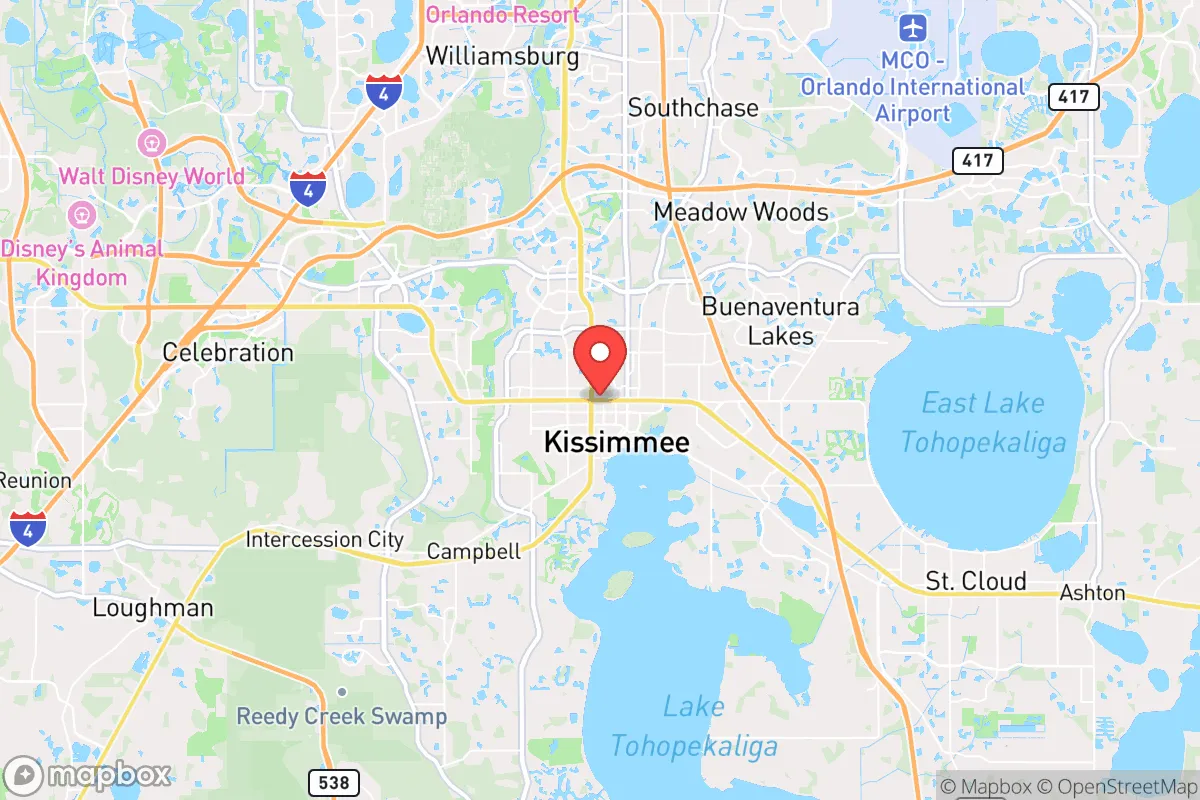
The most glaring vulnerability for Kissimmee is its location within the Orlando metropolitan area, a dense tourist and population hub that is a prime target for civil unrest, mass casualty events, or infrastructure collapse. Kissimmee is less than 20 miles from Orlando International Airport (MCO), a major transportation node that could become a choke point or target during a national emergency. The area is also surrounded by theme parks—Disney World, Universal Studios, and SeaWorld—which draw tens of millions of visitors annually. In a crisis, these attractions could become epicenters of panic, looting, or resource competition as stranded tourists and displaced populations flood local roads. Interstate 4, which runs directly through Kissimmee, is a notorious evacuation corridor that routinely gridlocks during hurricane warnings; any large-scale event would turn it into a parking lot. Additionally, the region’s heavy reliance on tourism means that a prolonged disruption would collapse the local economy, leaving many residents without income or means to relocate. For a prepper, the high population density—over 80,000 residents in Kissimmee proper, with millions in the metro area—creates a scenario where resources like food, water, and fuel would be depleted rapidly in the first 72 hours of any major event.
Practical resilience for a relocator: food, water, energy, and defensibility
For someone looking to establish a resilient homestead or bug-out location, Kissimmee presents mixed prospects. Water is abundant from Lake Toho and the Kissimmee River, but surface water requires extensive filtration and treatment due to agricultural runoff and urban pollution. The shallow aquifer is accessible via wells, but drilling costs and permitting can be barriers. Food production is viable year-round, with a long growing season for vegetables, citrus, and tropical fruits, but the sandy soil requires amendment and irrigation. Local farmers’ markets and small-scale agriculture exist, but the area is not a major food-producing region—most groceries are trucked in from distribution centers in Orlando or further north. Energy resilience is a challenge: the grid is vulnerable to hurricane damage, and solar is feasible but requires battery storage due to frequent cloud cover from tropical systems. Defensibility is poor—the flat, open terrain and suburban sprawl offer few natural chokepoints or concealment. Neighborhoods are tightly packed, with limited standoff distance from roads and neighbors, making it difficult to secure a property against determined intruders. The best option for a relocator would be to look at the rural fringes—areas like St. Cloud, Harmony, or the unincorporated parts of Osceola County—where larger lots, deeper wells, and more privacy are available, though even these areas are within a 30-minute drive of Kissimmee’s core.
Overall strategic picture for the conservative prepper
Kissimmee is not a strategic relocation destination for someone prioritizing long-term survival and self-sufficiency in a worst-case scenario. Its proximity to Orlando, heavy tourist traffic, and lack of defensible terrain create too many variables that could turn a crisis into a catastrophe. The area’s strengths—water access, growing season, and relative climate stability—are real, but they are outweighed by the risks of being in a high-density, economically fragile zone that would be a magnet for chaos during any national breakdown. For a conservative-leaning individual or family serious about preparedness, the better play is to look further inland, toward areas like the Florida Panhandle or the rural interior of the state, where population density drops, land is cheaper, and the buffer from major targets is greater. If Kissimmee is already home, the focus should be on building a deep pantry, securing a reliable water source, establishing a community network of like-minded neighbors, and having a solid evacuation plan that avoids I-4 and uses secondary roads heading north or west. This is a location for those who can adapt to urban-adjacent survival, not for those seeking a true retreat. The bottom line: Kissimmee offers a decent quality of life in normal times, but in a collapse scenario, it’s a liability that requires constant vigilance and a robust plan B.

* Values derived from national, state, county, city and local statistics and may differ in a specific area. Last updated: 2026-04-21T17:13:34.000Z
Narrative content on this page is AI-generated and may contain mistakes. Verify any details that matter before acting on them.
ReloMaps may earn a commission from affiliate links at no extra cost to you.

