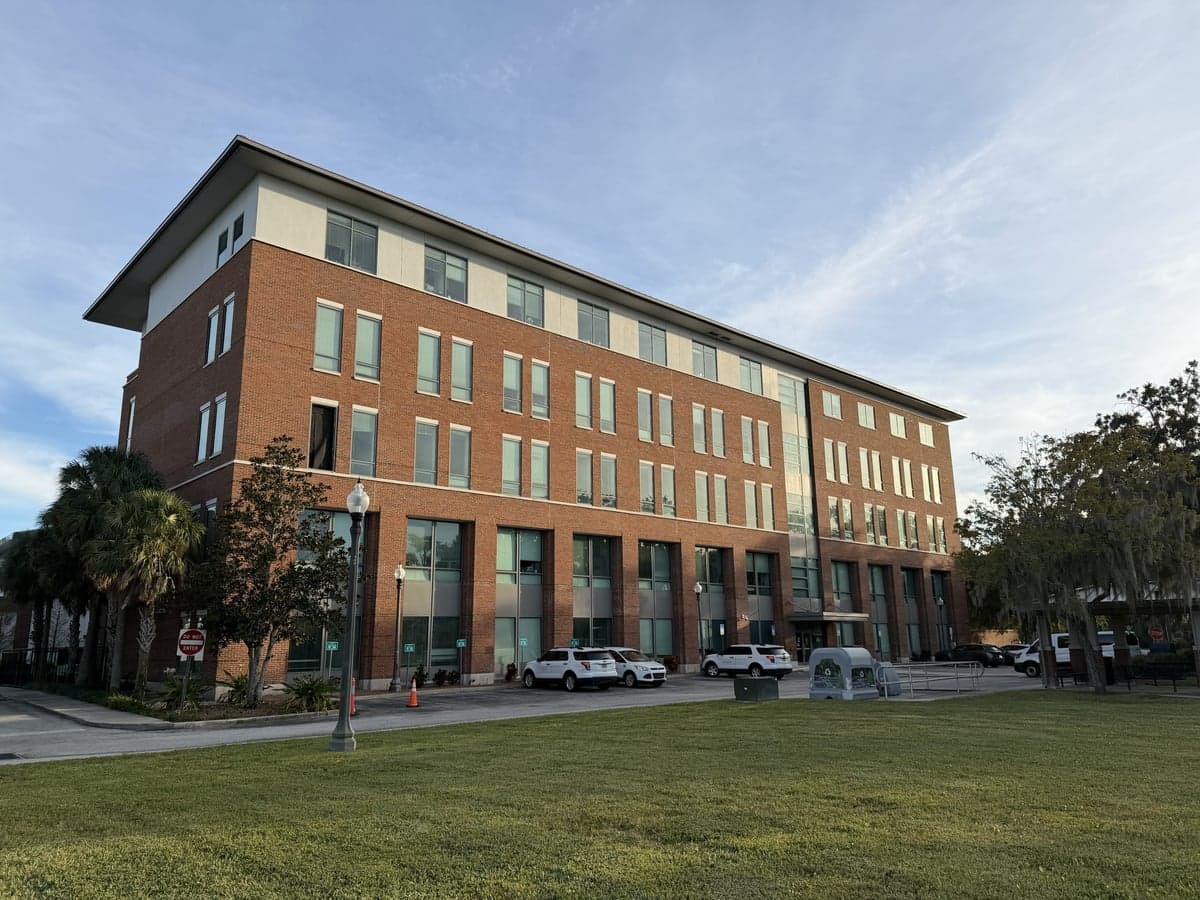
Photo: Wikipedia
Quality of Life in Kissimmee, FL
A high quality of life with strong walkability, manageable living costs, healthy neighborhood signals, and solid amenity access.
What does Quality of Life tell us?
Quality of Life blends cost of living, nearby amenities, socioeconomic signals, and neighborhood character. City-level scores represent the whole municipality; individual neighborhoods can differ.
What does this tell us?
Quality of Life blends cost of living, nearby amenities, socioeconomic signals, and neighborhood character. City-level scores represent the whole municipality; individual neighborhoods can differ.
Cost of Living
19% above national average
The Real Cost of Living in Kissimmee, FL for 2026
| Tier | Individual | Family (4) |
|---|---|---|
| Survival | $22k | $42k |
| Comfortable | $53k | $78k |
| Luxury | $92k+ | $142k+ |
| Elite (Top 5%) | $108k+ | $167k+ |
66%
The Area Signal
A metric tracking the socioeconomic signals of the area.
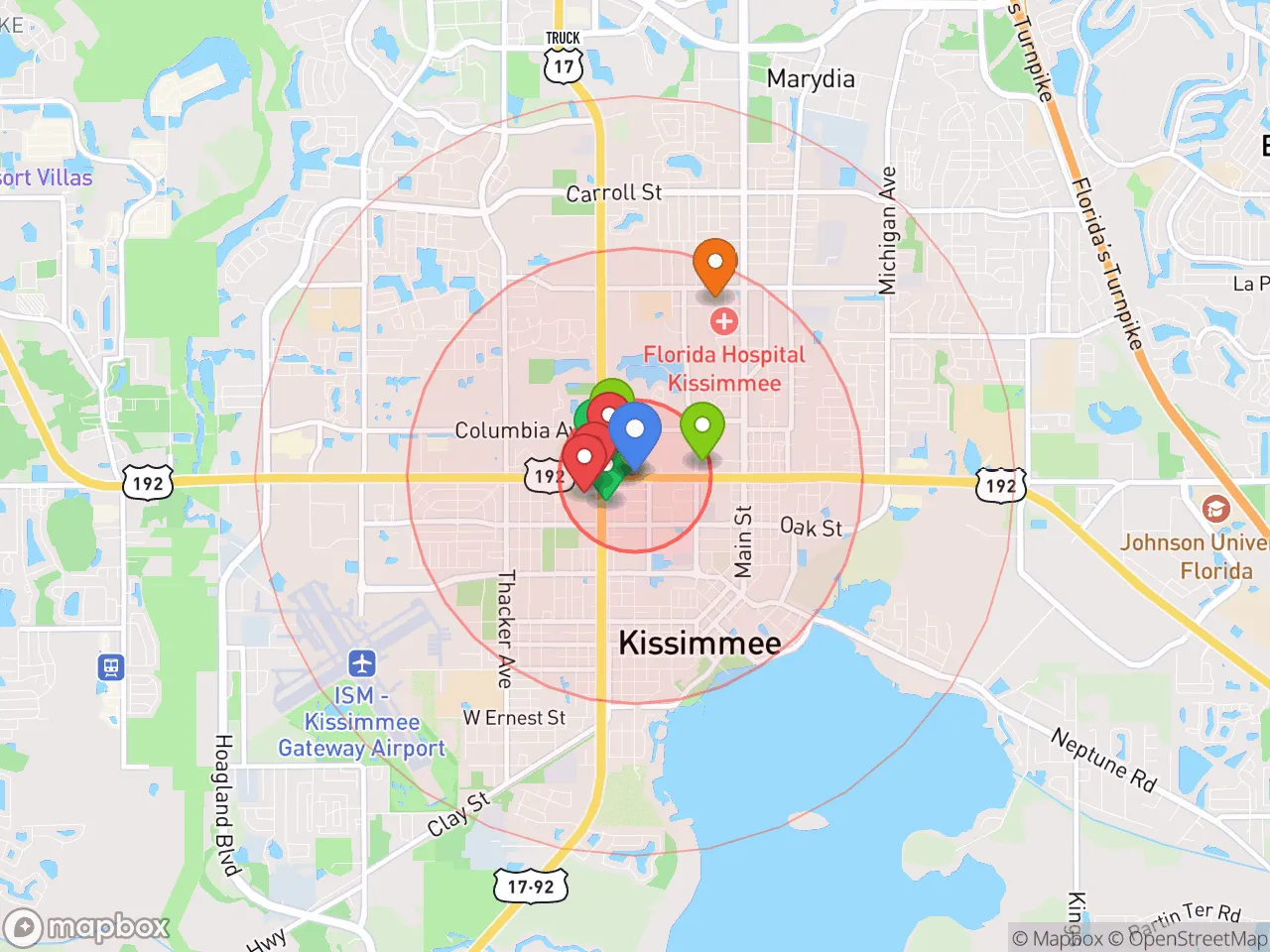
Hobbies
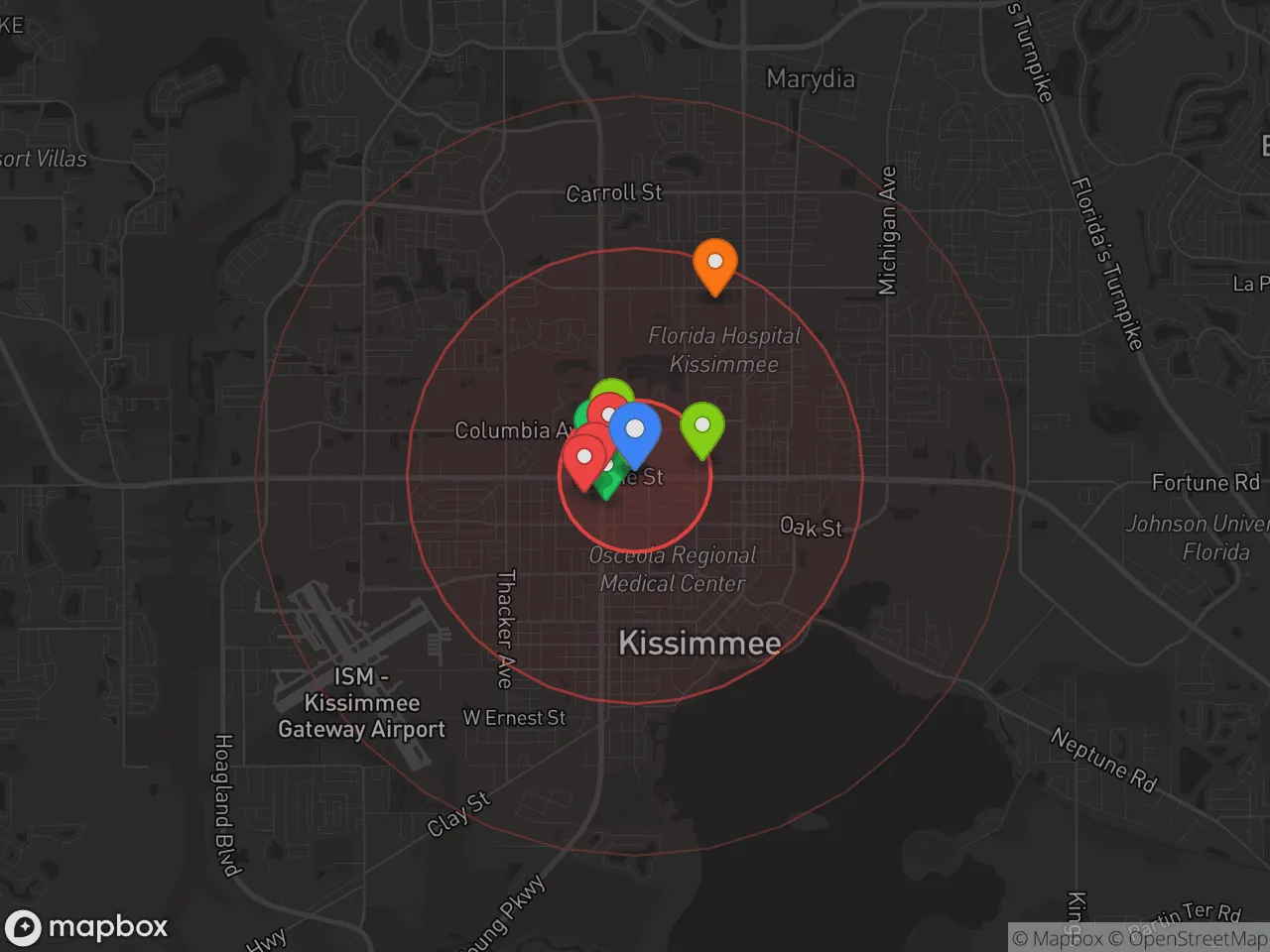
Explore the areaGroceries
6 within 10 miles
Gas
20 within 10 miles
Hospital
20 within 20 miles
Airport
MCO — Orlando International
Post Office
USPS — Kissimmee, FL
Critical Amenities
Quality-of-Life Analysis
Kissimmee, Florida, presents a quality-of-life profile that is notably more affordable than its high-profile neighbor Orlando, yet it carries a cost of living that is 19% above the national average (index of 119). The area attracts a diverse mix of families seeking proximity to theme-park employment, remote workers drawn by lower housing costs than coastal Florida, and retirees looking for a warm-weather, amenity-rich environment without the premium price tag of cities like Miami or Naples. This blend creates a community that is both economically grounded and increasingly suburban, with a daily rhythm shaped by tourism, commuter traffic, and a growing local service sector.
Cost of living and housing affordability compared to Orlando and Tampa
The most significant factor in Kissimmee’s quality of life is its housing market, which offers a median home value of $273,900 and a median rent of $1,553. These figures are roughly 15-20% lower than comparable properties in Orlando proper and significantly undercut the Tampa Bay area, where median home values often exceed $350,000. However, the overall cost of living index of 119 means that everyday expenses—groceries, utilities, and transportation—are above the national baseline. The average commute time of 33.7 minutes is a critical trade-off: many residents work in Orlando’s tourism corridor or downtown, and the daily drive along I-4 or US-192 can be congested. For renters, the $1,553 median is manageable for a two-bedroom unit, but homebuyers face a competitive market where inventory is tight, and prices have risen steadily since 2020. Compared to nearby St. Cloud or Poinciana, Kissimmee offers better access to shopping and dining but at a slightly higher price point.
Schools, parks, and the daily rhythm of life in Kissimmee
Daily life in Kissimmee is heavily influenced by its role as a gateway to Walt Disney World and other attractions, which means the local economy is service-oriented and tourism-dependent. The Osceola County School District serves the area, with schools like Kissimmee Elementary and Neptune Middle School receiving average ratings; families often seek charter or magnet options for higher academic performance. For recreation, the city maintains over 30 parks, including the expansive Kissimmee Lakefront Park with its boardwalk, playgrounds, and fishing pier, and the Shingle Creek Regional Park for hiking and kayaking. The daily rhythm is defined by early-morning commutes, a midday lull in residential neighborhoods, and evening traffic on major arteries like John Young Parkway. Dining and shopping are concentrated along US-192, with a mix of chain restaurants, Latin American eateries, and outlet malls. Cultural amenities are limited compared to Orlando, but the city hosts seasonal events like the Kissimmee Festival of the Arts and a weekly farmers market.
Kissimmee is best suited for families and professionals who prioritize housing affordability over urban density and are willing to accept a longer commute for access to Orlando’s job market. Remote workers and retirees also thrive here, given the lower home prices and proximity to medical facilities like HCA Florida Osceola Hospital. The area’s quality of life is defined by its balance—lower costs than major Florida metros, but with the trade-offs of traffic, tourism-driven crowds, and a less walkable, car-dependent layout. For those seeking a suburban base near theme parks and a growing job corridor, Kissimmee offers a practical, if not luxurious, standard of living.

Crime in Kissimmee, FL
Crime rates similar to the national median for U.S. locations.
Violent CrimeViolent Crime Analysis
Property CrimeProperty Crime Analysis
Crime Analysis
Kissimmee, Florida, presents a mixed safety profile for potential residents. The city’s violent crime rate of 166.8 incidents per 100,000 people is notably lower than both the Florida state average and the national median, suggesting a relatively lower risk of serious personal offenses. However, the property crime rate of 735.6 per 100,000 exceeds the national average, indicating that theft, burglary, and vehicle-related crimes are more prevalent concerns. The overall safety picture is further complicated by the local justice system’s ideological leanings, which can influence how crime is prosecuted and how many offenders remain on the streets.
Crime in context
When compared to statewide and national benchmarks, Kissimmee’s violent crime rate is a clear positive. The figure of 166.8 per 100,000 is roughly 30% lower than the Florida average and well below the U.S. median of approximately 380 per 100,000. This places the city in a safer tier for violent offenses like assault, robbery, and homicide. In contrast, the property crime rate of 735.6 per 100,000 is about 15% higher than the national average of roughly 640 per 100,000. This disparity means that while a resident is less likely to be a victim of a violent crime, they face an above-average risk of property theft or damage. It is critical to note that these statistics reflect reported crimes; the actual safety environment is also shaped by the local judicial philosophy. Kissimmee, as part of Osceola County, operates within a broader Central Florida legal ecosystem that has seen progressive district attorneys and judges prioritize diversion programs and reduced sentencing. While intended to reduce recidivism, this approach can result in more repeat offenders remaining in the community, directly increasing the likelihood of property crimes and, in some cases, violent encounters.
What residents experience
Daily life for Kissimmee residents is often shaped by property crime concerns rather than fear of violent attack. Common reports include package thefts from porches, vehicle break-ins at apartment complexes and tourist-heavy areas, and burglaries of unoccupied homes. The city’s proximity to major tourist corridors like U.S. 192 and Interstate 4 means that transient populations and high foot traffic can create opportunities for theft. Residents frequently cite the need for secure parking, good lighting, and neighborhood watch programs as essential. The progressive judicial policies in Osceola County, which include a focus on pretrial release and treatment over incarceration for non-violent offenders, mean that individuals arrested for property crimes may face minimal jail time. This can create a perception—and a reality—of low consequences for theft, potentially emboldening repeat offenders. For families and long-term residents, this dynamic makes property crime a persistent, low-grade stressor that requires proactive security measures.
Neighborhood-level variation in Kissimmee is significant. Areas east of the Florida Turnpike, particularly around the older downtown core and along the U.S. 192 corridor, tend to report higher property crime rates due to denser populations and more transient rental properties. In contrast, newer master-planned communities like Storey Park and Bellalago in the southern and western parts of the city often have lower crime rates, thanks to gated access, private security patrols, and higher homeownership rates. Violent crime is more concentrated in specific pockets, often near high-density apartment complexes and lower-income neighborhoods. Prospective residents should research specific zip codes—such as 34741 (downtown) versus 34746 (southwest)—and consult local police department crime maps to identify safer enclaves. The overarching judicial philosophy, however, applies county-wide, meaning that even in safer neighborhoods, the legal system’s leniency can indirectly affect the overall crime environment.
* Values derived from national, state, county, city and local statistics and may differ in a specific area. Last updated: 2026-04-21T17:13:34.000Z
Narrative content on this page is AI-generated and may contain mistakes. Verify any details that matter before acting on them.
ReloMaps may earn a commission from affiliate links at no extra cost to you.

