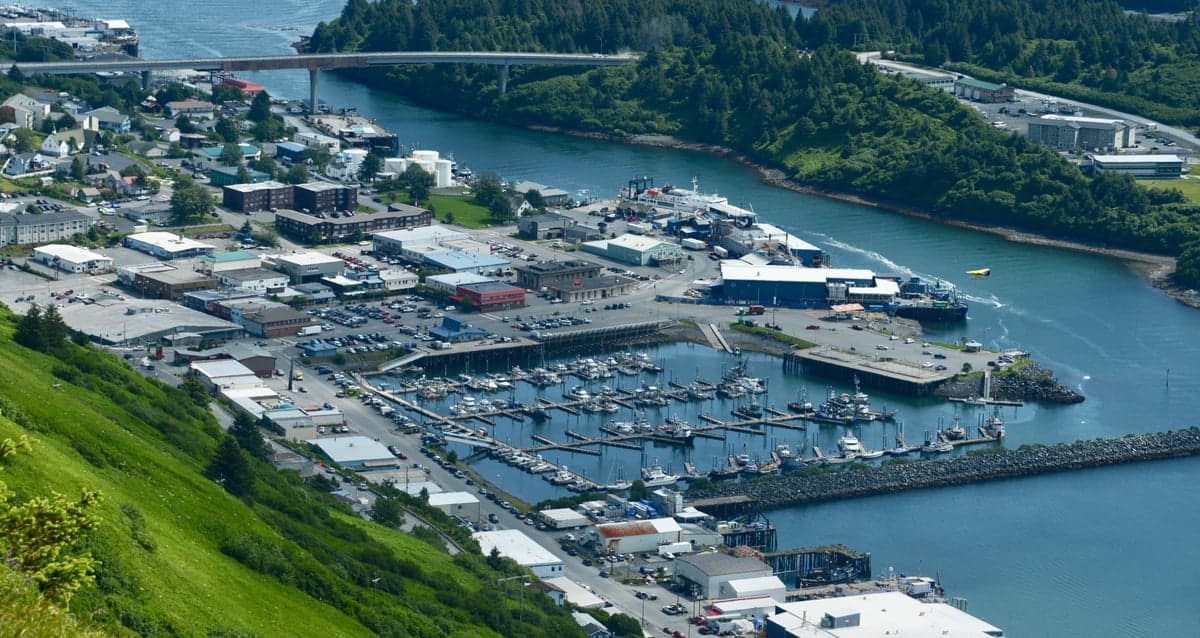
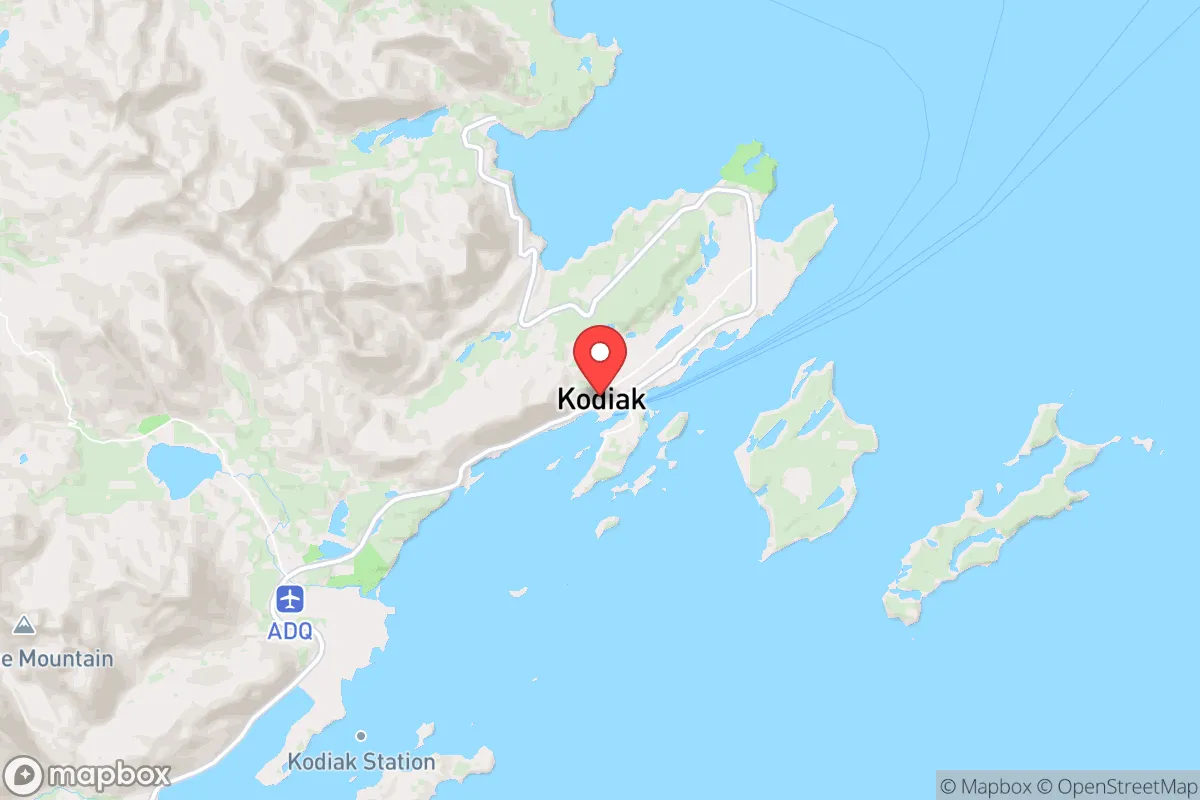
Photo: Wikipedia
Quality of Life in Kodiak, AK
A high quality of life with strong walkability, manageable living costs, healthy neighborhood signals, and solid amenity access.
What does Quality of Life tell us?
Quality of Life blends cost of living, nearby amenities, socioeconomic signals, and neighborhood character. City-level scores represent the whole municipality; individual neighborhoods can differ.
What does this tell us?
Quality of Life blends cost of living, nearby amenities, socioeconomic signals, and neighborhood character. City-level scores represent the whole municipality; individual neighborhoods can differ.
Cost of Living
18% above national average
The Real Cost of Living in Kodiak, AK for 2026
| Tier | Individual | Family (4) |
|---|---|---|
| Survival | $23k | $43k |
| Comfortable | $61k | $90k |
| Luxury | $104k+ | $161k+ |
| Elite (Top 5%) | $123k+ | $190k+ |
79%
The Area Signal
A metric tracking the socioeconomic signals of the area.


Hobbies
Explore the areaGroceries
5 within 10 miles
Gas
0 within 10 miles
Hospital
2 within 20 miles
Airport
Island Air Service Float Plane Base
Post Office
USPS — Kodiak, AK
Critical Amenities
Quality-of-Life Analysis
Kodiak, Alaska, presents a quality of life defined by its remote island setting, a strong commercial fishing economy, and a cost of living that runs 18% above the national average. The population of roughly 6,000 is a mix of multi-generational Alaskan fishing families, Coast Guard personnel stationed at Base Kodiak, and a growing number of remote workers drawn to the rugged landscape. Median household income hovers around $75,000, reflecting the high wages in the seafood processing and maritime sectors, though this affluence is often offset by the elevated expenses of island life.
Cost of living, housing affordability, and how Kodiak compares to mainland Alaska
With a composite cost of living index of 118, Kodiak is significantly more expensive than the U.S. average, though it remains comparable to other remote Alaskan communities like Juneau or Sitka. The median home value sits at $314,800, a figure that has risen roughly 25% since 2020, driven by limited land availability and high construction costs. Renters face a median monthly payment of $1,430, which is about 30% higher than the national median but slightly below Anchorage’s average. The biggest affordability challenge is groceries and goods—shipping costs push food prices roughly 35% above the U.S. average, and a gallon of milk can exceed $5.00. Utilities are also steep, with electricity costs nearly double the national norm due to reliance on diesel generation. The average commute is a notably short 19.5 minutes, a direct benefit of the island’s compact geography, which saves residents both time and fuel money compared to mainland commuters in Anchorage or Fairbanks.
Schools, amenities, and what daily life is like on the island
Daily life in Kodiak revolves around the harbor, the outdoors, and a tight-knit community calendar. The Kodiak Island Borough School District serves roughly 2,000 students across six schools, with Kodiak High School offering strong vocational programs tied to the maritime industry. The University of Alaska’s Kodiak College provides associate degrees and workforce training. Amenities are concentrated in the downtown area along the Near Island bridge, including the Kodiak National Wildlife Refuge Visitor Center, the Baranov Museum, and the Alutiiq Museum, which preserves the region’s Sugpiaq heritage. For groceries, Safeway and Walmart are the primary options, but residents also rely on local co-ops and seasonal fish shares. Healthcare is provided by Providence Kodiak Island Medical Center, a 25-bed critical access hospital, though serious cases require a medevac to Anchorage. The rhythm of life is heavily seasonal: summer brings long daylight hours, halibut charters, and the Kodiak Crab Festival, while winter is quieter, with shorter days and a focus on indoor community events at the Kodiak Public Library or the Kodiak Arts Council.
Kodiak is best suited for individuals and families who prioritize outdoor access, community resilience, and a slower pace over urban convenience and low costs. The island offers world-class fishing, hunting, and hiking, but the isolation means limited retail variety, high shipping fees, and a reliance on air travel for major shopping or specialized medical care. Remote workers with stable incomes and a tolerance for weather extremes—Kodiak averages over 80 inches of rain annually—will find a welcoming, safe environment with low crime rates and strong social bonds. Those who thrive here are self-sufficient, community-oriented, and comfortable with the trade-offs of island living, where the quality of life is measured in scenery and relationships rather than material abundance.

Crime in Kodiak, AK
Lower crime rates than 76% of comparable U.S. locations.
Violent CrimeViolent Crime Analysis
Property CrimeProperty Crime Analysis
Crime Analysis
Kodiak, Alaska, presents a mixed safety profile that requires careful examination. The city’s overall crime rates are notably higher than the national average, but the nature of crime here differs significantly from that in large, progressive metro areas. With a violent crime rate of 335.8 per 100,000 residents and a property crime rate of 652.9 per 100,000, Kodiak demands that potential residents weigh specific risks against the benefits of a remote, tight-knit island community.
Crime in context
Kodiak’s violent crime rate is roughly 2.5 times higher than the U.S. national average, while its property crime rate sits just above the national figure. This places Kodiak in a more dangerous category than many comparably sized towns in the Lower 48. However, it is critical to note that Alaska as a state consistently reports elevated crime rates, and Kodiak’s numbers are not an outlier within the state. The city’s remote geography and small population (around 6,000) mean that a single spate of incidents can dramatically skew annual statistics. Unlike large metropolitan areas where progressive district attorneys may implement catch-and-release policies or reduce charges for repeat offenders, Kodiak’s justice system operates under Alaska’s statewide framework, which has not adopted the same level of progressive reform seen in cities like San Francisco or Portland. This distinction is important: readers concerned about soft-on-crime policies will find Kodiak’s approach more traditional, though the raw numbers remain elevated.
What residents experience
Property crime—theft, burglary, and vehicle break-ins—is the most common safety concern for Kodiak residents. The 652.9 per 100,000 property crime rate translates to a tangible risk of having a car rifled through or a shed broken into, especially in less monitored areas. Violent crime, while less frequent, is disproportionately driven by domestic disputes and alcohol-related incidents, which are common across rural Alaska. The Kodiak Police Department maintains a visible presence, and community watch programs are active, but the island’s isolation means that emergency response times can be longer than in urban centers. For families, the primary day-to-day risk is property theft rather than random street violence, though the latter does occur.
Neighborhood-level variation
Safety in Kodiak varies noticeably by neighborhood. The downtown core and areas near the ferry terminal see higher rates of petty theft and occasional public intoxication incidents. In contrast, residential neighborhoods like Mill Bay Road and Near Island are generally quieter, with lower reported crime. The U.S. Coast Guard base, a major employer, maintains its own security and is considered very safe. Newcomers are advised to secure vehicles and homes diligently, regardless of neighborhood, as property crime does not respect boundaries. Overall, Kodiak is not a high-danger city by national standards, but its crime rates are real and demand vigilance, especially when compared to the safest small towns in the Lower 48.
* Values derived from national, state, county, city and local statistics and may differ in a specific area. Last updated: 2026-04-19T19:29:00.000Z
Narrative content on this page is AI-generated and may contain mistakes. Verify any details that matter before acting on them.
ReloMaps may earn a commission from affiliate links at no extra cost to you.

