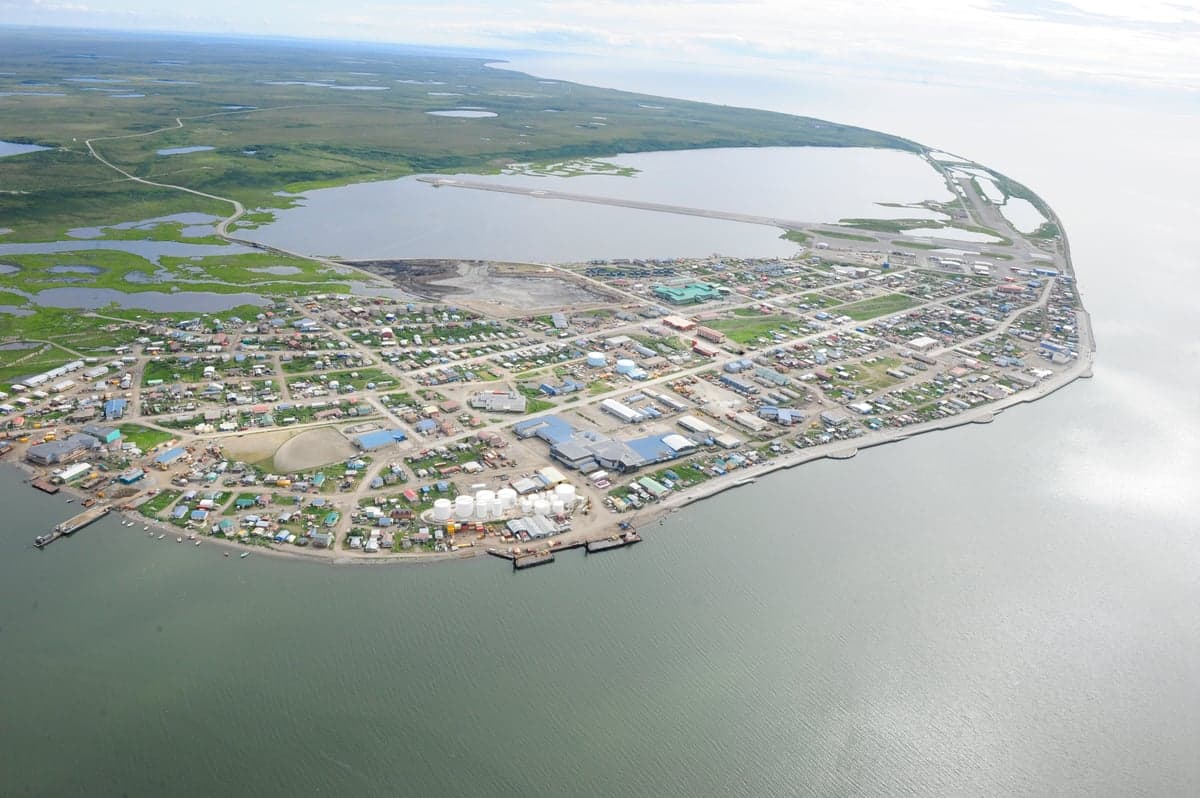
Photo: Wikipedia
Political ClimatePolitical Climate in Kotzebue, AK
District shown is the primary district for this city’s centroid. Cities may span multiple districts.
Inherited from parent state — no local data available.
Local Political AnalysisPolitical Analysis of Kotzebue, AK
Kotzebue has long been a place where folks value their independence and self-reliance, and that’s reflected in its political leanings. The area carries a Cook PVI of R+6, meaning it’s reliably Republican by a solid margin—about six points more conservative than the national average. That’s not just a number; it’s a legacy of frontier pragmatism, where people expect government to stay out of their business, especially when it comes to hunting, fishing, and how they raise their families. Lately, though, you can feel a shift—some younger folks and newcomers are pushing for more progressive policies, and it’s got a lot of us watching closely.
How it compares
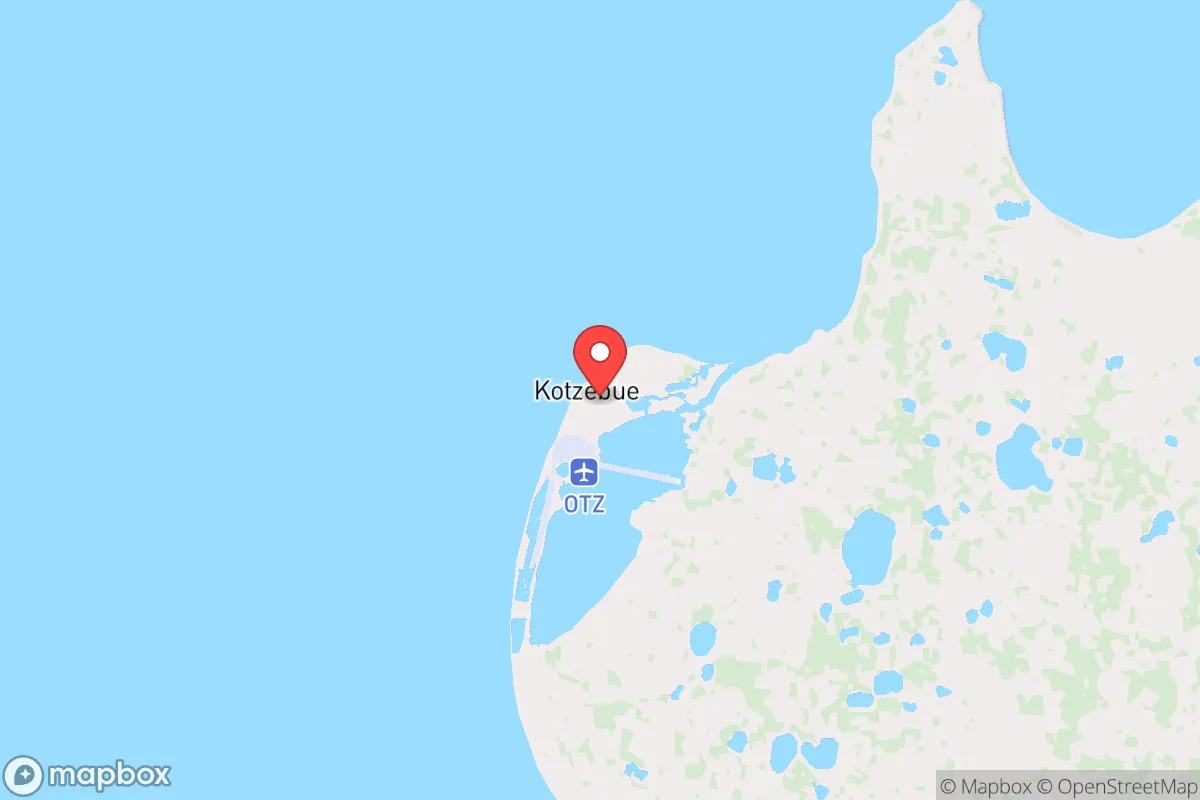
If you look at the map, Kotzebue stands out as a conservative anchor in a region that’s not all on the same page. Head south to Nome, and you’ll find a more mixed bag—Nome’s politics lean left of Kotzebue, with a stronger push for environmental regulations and social programs that can feel like overreach. Up in Barrow (Utqiaġvik), it’s even more pronounced; that area has trended blue in recent years, with local leaders championing climate activism and expanded government services. Meanwhile, smaller villages like Noatak and Kiana tend to mirror Kotzebue’s conservative values, but they lack the population to swing regional elections. The contrast is real: Kotzebue remains a place where the old-school Alaska spirit—don’t tread on me, keep your hands off my land—still holds strong, even as surrounding areas flirt with big-government ideas.
What this means for residents
For those of us living here, the political climate directly shapes daily life. The R+6 lean means local leaders are generally skeptical of new taxes, strict land-use rules, and mandates that tell you how to run your household or business. That’s a good thing—it keeps government overreach at bay. But the creeping influence of progressive ideology is a real concern. You see it in school board meetings where some want to push curriculum that downplays traditional values, or in local ordinances that try to limit subsistence practices. If that trend continues, we could see more red tape around hunting and fishing rights—things that are central to our way of life. For now, the conservative majority holds the line, but it takes vigilance. Residents who value personal freedom need to stay engaged, because once those progressive policies take root, they’re hard to pull out.
Culturally, Kotzebue has always been a place where community ties matter more than party labels, but the policy distinctions are clear. Unlike in Anchorage or Fairbanks, where you’ll find more bureaucratic layers, here we expect our leaders to keep things simple and hands-off. There’s a strong pushback against any hint of government overreach—whether it’s federal mandates on resource development or state-level health mandates. The long-term outlook? If the area stays true to its R+6 roots, we’ll keep that independent spirit alive. But if the progressive wave from the coast washes in, we could lose the very freedoms that make Kotzebue worth living in. It’s on us to make sure that doesn’t happen.

State Political ClimatePolitical Climate in Alaska
State Political AnalysisPolitical Environment in the State
Alaska has long been a political outlier, leaning Republican in federal elections but with a fiercely independent, libertarian streak that makes it less predictable than many red states. The state voted for Donald Trump by about 10 points in 2020 and 13 points in 2024, but that Republican dominance masks a complex coalition of oil-industry conservatives, rural subsistence hunters, and a growing urban progressive base in Anchorage and Juneau. Over the past 20 years, the state has shifted from a reliably red stronghold to a more volatile battleground, driven by demographic changes in its largest city and a persistent anti-establishment sentiment that can swing elections toward independents or third-party candidates.
Urban vs. rural divide
The political map of Alaska is starkly divided between its few urban centers and the vast rural expanse. Anchorage, home to about 40% of the state’s population, is the key swing region. The city’s Assembly has become increasingly progressive, with Democrats winning mayoral races and pushing for higher minimum wages and expanded social services. The surrounding Matanuska-Susitna Borough, including towns like Wasilla and Palmer, is the conservative heartland—heavily Republican, pro-gun, and skeptical of government overreach. Fairbanks leans Republican but has a notable military and university influence that moderates its politics. Juneau, the state capital, is reliably Democratic, driven by government employees and environmental activists. Rural Alaska, including villages in the Yukon-Kuskokwim Delta and the North Slope, votes heavily Democratic due to tribal affiliations and reliance on federal programs, but these areas are culturally conservative on social issues like abortion and hunting rights. The divide is geographic and cultural: urban coastal liberals versus interior and suburban conservatives, with the rural Native vote acting as a wildcard.
Policy environment
Alaska’s policy environment is defined by its unique resource wealth and frontier mentality. There is no state income tax or statewide sales tax, funded instead by oil revenues and the Permanent Fund Dividend (PFD)—an annual check to every resident that has become a sacred political issue. The regulatory posture is generally light, especially for resource extraction, but environmental permitting can be cumbersome due to federal land ownership (60% of the state is federal). Education policy is decentralized, with local control over schools, but the state has seen debates over parental rights and curriculum transparency. Healthcare is expensive due to rural logistics, but the state expanded Medicaid under the Affordable Care Act. Election laws are relatively open: Alaska uses a top-four primary system and ranked-choice voting for general elections, a reform passed by ballot initiative in 2020 that has frustrated conservatives who see it as diluting Republican power. Gun laws are among the most permissive in the nation—constitutional carry, no waiting periods, and no permit required for concealed carry. Property rights are strong, but federal land restrictions can limit development.
Trajectory & freedom
Alaska is in a tug-of-war between expanding and contracting personal freedom. On the positive side, the state has resisted COVID-era mandates more than most, with Governor Mike Dunleavy (R) ending the emergency declaration early and protecting businesses from liability. Gun rights remain robust, with no red flag law or magazine capacity limit. In 2023, the legislature passed a bill prohibiting vaccine passports and another protecting medical freedom for healthcare workers. However, the ranked-choice voting system has been a flashpoint, with conservatives arguing it reduces voter choice and empowers the left. The PFD has been cut or delayed in recent years due to budget shortfalls, which many see as a government overreach into what was once a guaranteed right. The state’s heavy reliance on federal dollars for infrastructure and tribal programs creates a dependency that some libertarians view as a threat to long-term freedom. The trajectory is mixed: Alaska remains freer than most states on guns and taxes, but the growth of government in Anchorage and the influence of environmental groups on federal land policy are concerning trends.
Civil unrest & political movements
Political activism in Alaska is less about street protests and more about organized movements around resource extraction and subsistence rights. The Alaska Independence Party, which advocates for a vote on secession, has a small but vocal following, especially in the Mat-Su Valley. In 2020, there were scattered protests against COVID restrictions in Anchorage and Wasilla, but they were smaller than in the Lower 48. Environmental groups like the Sierra Club and Earthjustice are active in blocking oil and gas projects, leading to tensions with pro-development conservatives. Immigration politics are muted because Alaska has a small foreign-born population, but there have been debates over refugee resettlement in Anchorage. Election integrity is a hot topic: the 2020 ranked-choice voting system was challenged in court by conservatives, and there are ongoing efforts to repeal it via ballot initiative. The most visible flashpoint for a new resident would be the annual debate over the PFD amount—a proxy war between those who want smaller government and those who want to fund services. There is no sanctuary city policy, and law enforcement generally cooperates with federal immigration authorities.
Projection
Over the next 5-10 years, Alaska is likely to become more politically competitive, not less. Anchorage will continue to trend left as it attracts younger, more diverse residents from outside the state, while the Mat-Su Valley and Fairbanks will remain conservative strongholds. The rural Native vote could shift if Democrats fail to deliver on subsistence rights and economic development. The ranked-choice voting system will probably survive legal challenges, making it harder for Republicans to win without moderating their message. The state’s fiscal crisis—driven by declining oil revenues—will force hard choices: either cut the PFD, raise taxes, or slash services. Any move to impose a state income tax would be a massive political earthquake and could trigger a backlash that flips the legislature. In-migration from California and Texas is modest but growing, and these newcomers tend to bring their political habits with them. A new resident moving in now should expect a state that remains conservative on guns and taxes but increasingly divided on social issues and the role of government.
For a conservative-leaning individual or family, Alaska offers a rare combination of low taxes, strong gun rights, and a frontier culture that values self-reliance. The trade-offs are a volatile political landscape where the PFD is never guaranteed, a growing urban progressive base in Anchorage that can influence state policy, and a federal land presence that limits property freedom. If you value personal liberty over government services and can tolerate cold winters, Alaska is still one of the freest states in the union—but you’ll need to stay engaged to keep it that way.
* Values derived from national, state, county, city and local statistics and may differ in a specific area. Last updated: 2026-04-19T09:46:56.000Z
Narrative content on this page is AI-generated and may contain mistakes. Verify any details that matter before acting on them.
ReloMaps may earn a commission from affiliate links at no extra cost to you.

